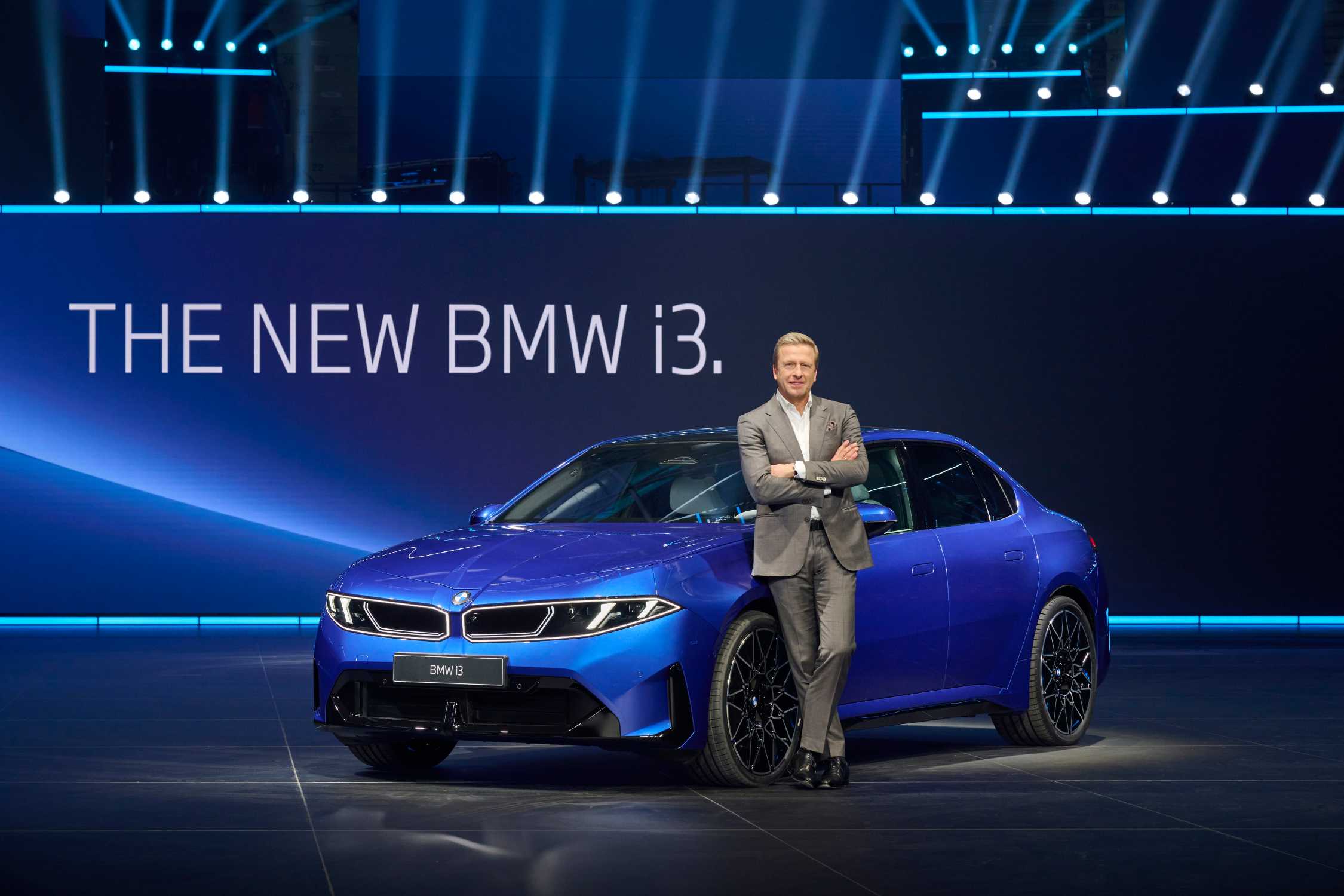
The BMW i3 marks a significant leap in electric mobility as the second model in the Neue Klasse, setting new benchmarks for performance and design. With its dual-motor setup and advanced technology, it aims to redefine the driving experience for electric vehicles.
Powertrain and Performance
The BMW i3 50 xDrive features an electric motor on both the front and rear axles, delivering a combined output of 345 kW (469 hp) and a robust torque of 645 Nm. This configuration not only enhances acceleration but also improves traction, particularly in adverse weather conditions. The sixth-generation BMW eDrive technology plays a crucial role, promising an exhilarating driving experience with responsiveness that is reportedly ten times faster than previous systems.
Design Language and Aesthetics
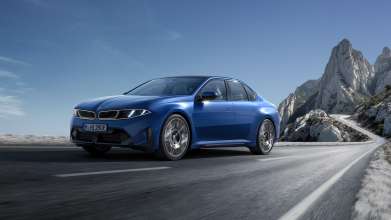
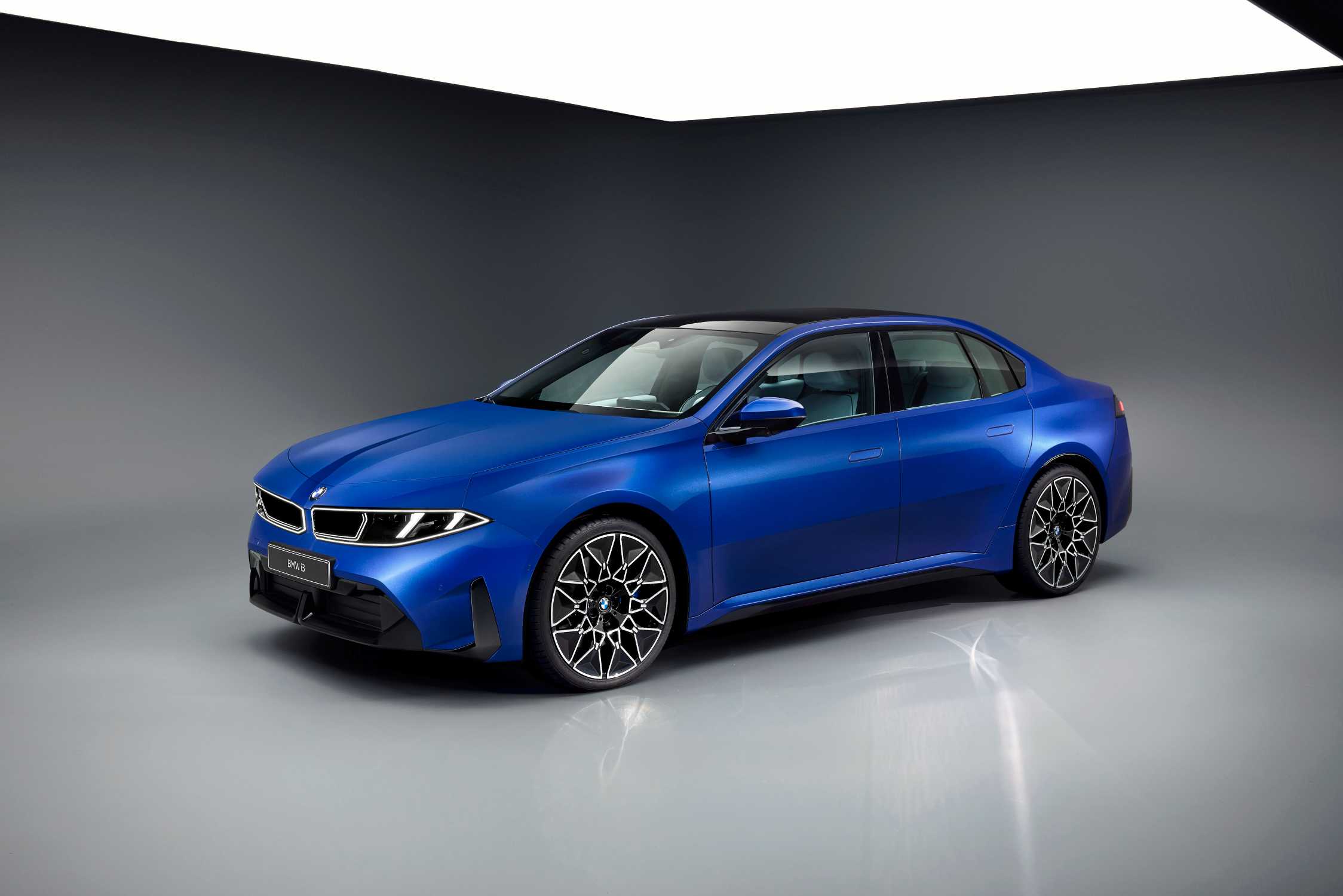
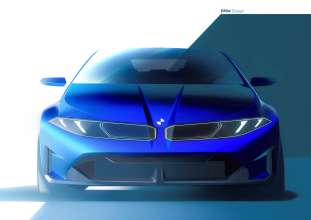
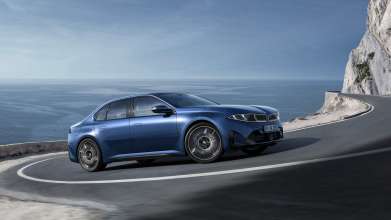
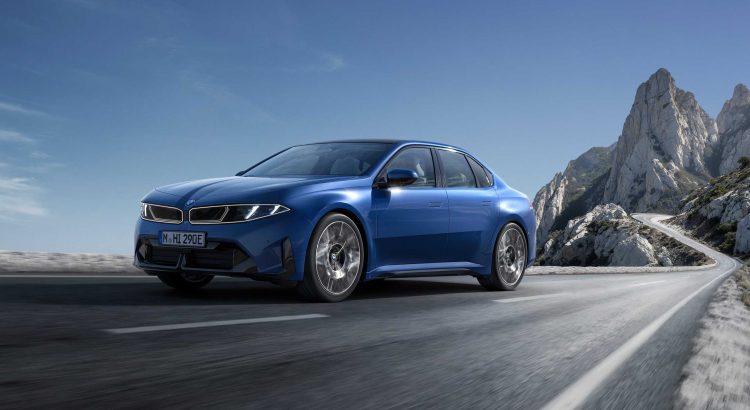
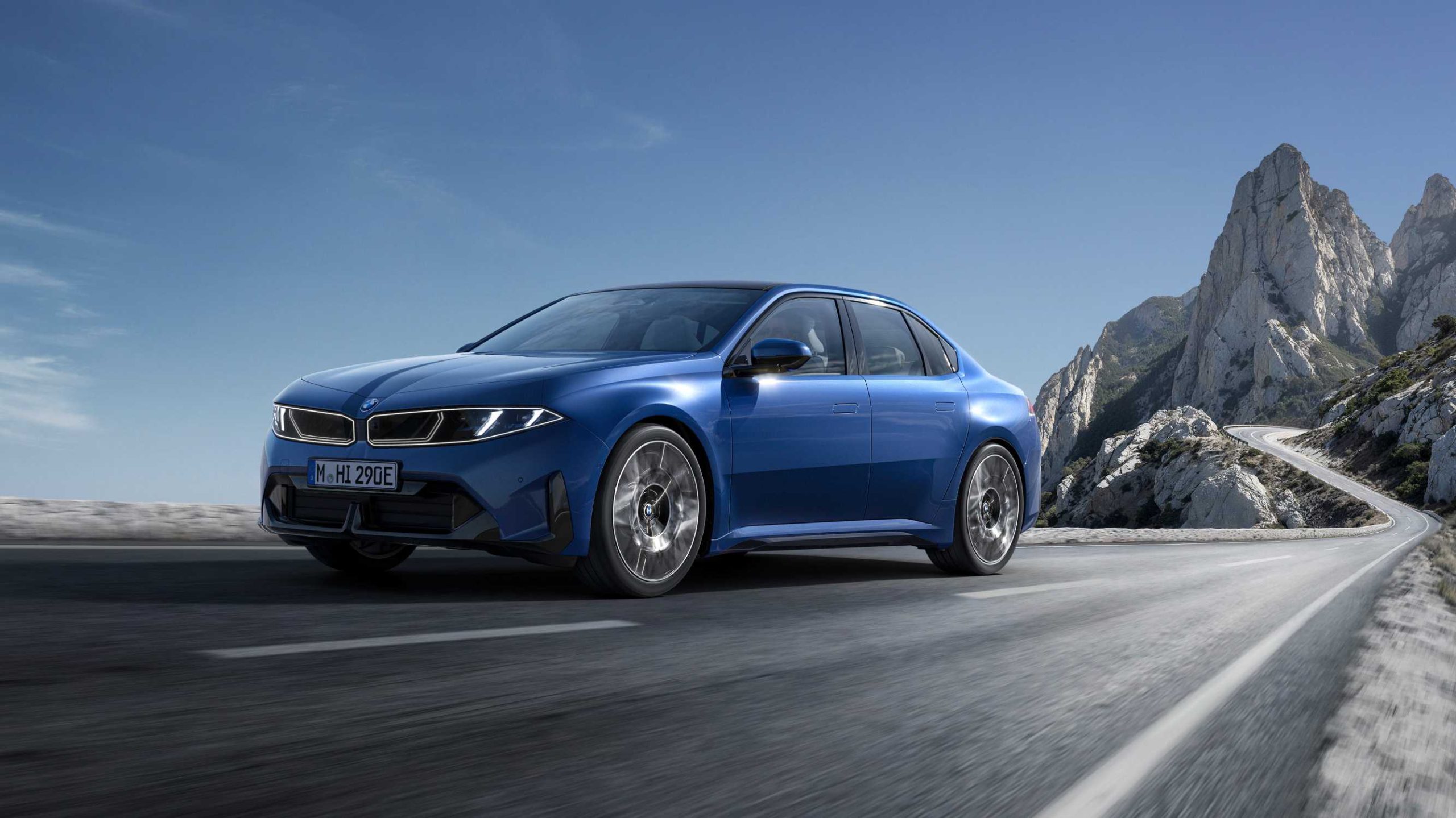
The i3 showcases BMW’s new design philosophy, merging modern aesthetics with the brand’s traditional sporty silhouette. Its 2.5-box design is characterised by a long wheelbase, a sloping greenhouse, and compact overhangs. The front end features a distinctive four-eyed face, with the iconic kidney grille seamlessly integrated into an innovative lighting signature. The rear is equally striking, with horizontal taillights that underscore the vehicle’s technological advancements and sporty stance.
Interior and Technology
Inside, the BMW i3 prioritises spaciousness while maintaining a driver-centric approach. The new BMW Panoramic iDrive system is a highlight, offering an inviting interface and enhancing driver orientation. The cabin design reflects a commitment to electromobility, utilising materials that align with sustainable practices while ensuring comfort and functionality.
Range and Charging Capabilities
One of the standout features of the i3 is its impressive range, which reaches up to 900 kilometres according to WLTP standards. This makes it particularly appealing for long-distance travel, a significant consideration for potential buyers. The vehicle supports DC charging capacities of up to 400 kW, enabling rapid charging that can restore energy for up to 400 km in just ten minutes, although this is contingent on the availability of appropriate charging infrastructure.
Manufacturing and Future Production
The BMW i3 will be manufactured at the Munich plant, a facility with over a century of automotive production experience. Recent upgrades to the plant include a new body shop and an advanced assembly area, enhancing efficiency and sustainability in manufacturing processes. Production is set to commence in August 2026, with the first deliveries expected shortly thereafter. Notably, by 2027, the plant will exclusively produce fully electric vehicles as part of BMW’s strategic shift towards electrification.
Market Position and Competition
In a rapidly evolving market, the BMW i3 faces competition from other premium electric vehicles, such as the Tesla Model 3 and Audi Q4 e-tron. Its combination of performance, range, and cutting-edge technology positions it strongly within this segment. However, the success of the i3 will depend on its ability to meet consumer expectations for both performance and practicality in everyday use.
En résumé
- Dual electric motors provide 469 hp and 645 Nm torque.
- Range of up to 900 km on a single charge (WLTP cycle).
- Rapid charging capabilities of up to 400 kW.
- Manufactured in Munich with plans for exclusive electric production by 2027.
- Competes with Tesla Model 3 and Audi Q4 e-tron in the premium segment.