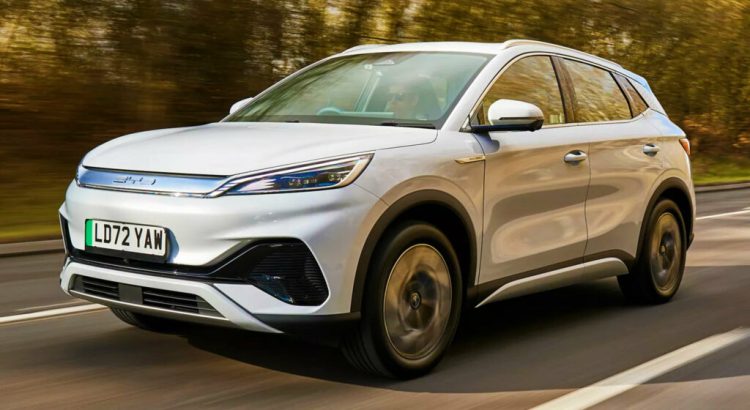
At the dawn of a new era, BYD is set to explode its presence in Europe. Once lagging behind, the Chinese brand is becoming the rockstar of European roads. With overflowing ambition, it aims for 2,000 points of sale by next year. A true storm in a teacup, or rather a tsunami in the automotive world!
A meteoric rise
Not so long ago, spotting a BYD car on the roads of Europe was as rare as seeing a unicorn. But in just five years, this brand has climbed the ranks to become a true global giant. Imagine a Formula 1 race where an underdog transforms into a champion in the blink of an eye: that’s what BYD is today. In 2023, it operates in 29 European markets and, to top it all off, it has tripled its sales compared to the previous year. In nine months, no fewer than 80,807 vehicles have found new homes. If that doesn’t sound like a power surge, I don’t know what does!
The strategy is clear: BYD does not intend to slow its pace, even in the face of tariffs that increase the cost of Chinese vehicles. No, the brand sees Europe as its next playground and plans to reach nearly 1,000 points of sale by the end of the year. An ambitious challenge? Certainly. But for BYD, it’s just the beginning of a marathon that is only just starting.
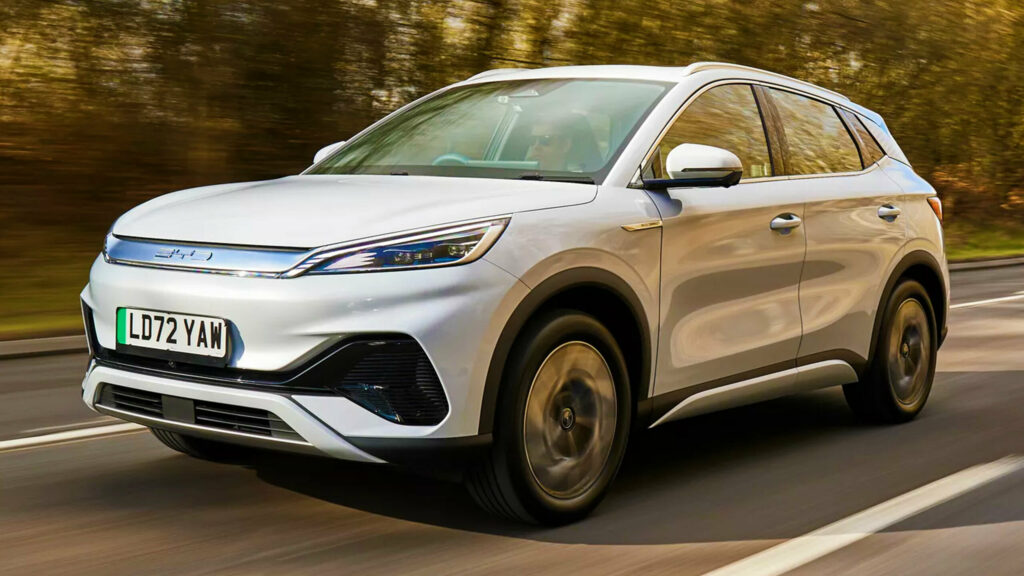
A bold local strategy
At a recent event in Frankfurt, Maria Grazia Davino, the regional director of BYD for Europe, dropped a bombshell: the brand will double its presence on the continent as early as next year. It’s as if a rising rock star announced a concert in every city in Europe. This expansion is not just about numbers; it is essential to capture the attention of customers in an increasingly competitive automotive landscape. “We need to be close to European consumers,” said Davino with the determination of a warrior ready to enter the arena.
The recipe for this success? Increased localisation of production. Instead of bringing cars from overseas like ordering a takeaway pizza, BYD wants to build locally. This means that factories will soon emerge in Hungary, Spain, and perhaps even Turkey. This will strengthen its ties with local economies and reduce import costs. Davino emphasised that “localising in a mature region like Europe is a crucial project that requires expertise and investment.” It’s a bit like moving from amateur garage status to that of a professional recording studio.

Outrageous ambitions
For those wondering how far BYD will go, the answer is simple: very far. With a strategy that seems as thoughtful as a catchy melody, the brand plans to strengthen its position in an increasingly saturated European market. By reducing its reliance on imports and increasing local production, BYD is preparing not only to face economic challenges but also to appeal to an increasingly demanding European audience.
The numbers speak for themselves: sales are skyrocketing as the brand’s former image as a mere Chinese exporter fades away like snow in the sun. We are witnessing a shift in perception, where BYD is moving from being underestimated to a serious contender in the European market. The road is still long, but every turn taken with confidence brings BYD closer to its destination.
A promising future
By 2026, BYD plans not only to have doubled its European network but also to establish solid foundations in several key countries. While competitors fight for market share, BYD seems to be playing a different tune – that of a manufacturer capable of adapting and evolving according to local needs. With a focus on sustainability and innovation, it is clear that the Chinese manufacturer is not just here to participate, but to dominate.
In summary, BYD is not just entering the European market; it is arriving with a bang, like an electric guitar solo in the middle of a concert. It remains to be seen if the audience will respond. One thing is certain: the European automotive scene is not ready to forget the name BYD.