The electric sedan BYD Seal 07 emerges as a serious contender to the Tesla Model 3 in China, thanks to bold technological innovations and an aggressive pricing strategy. This strategic shift could redefine the hierarchy in the electric vehicle market.
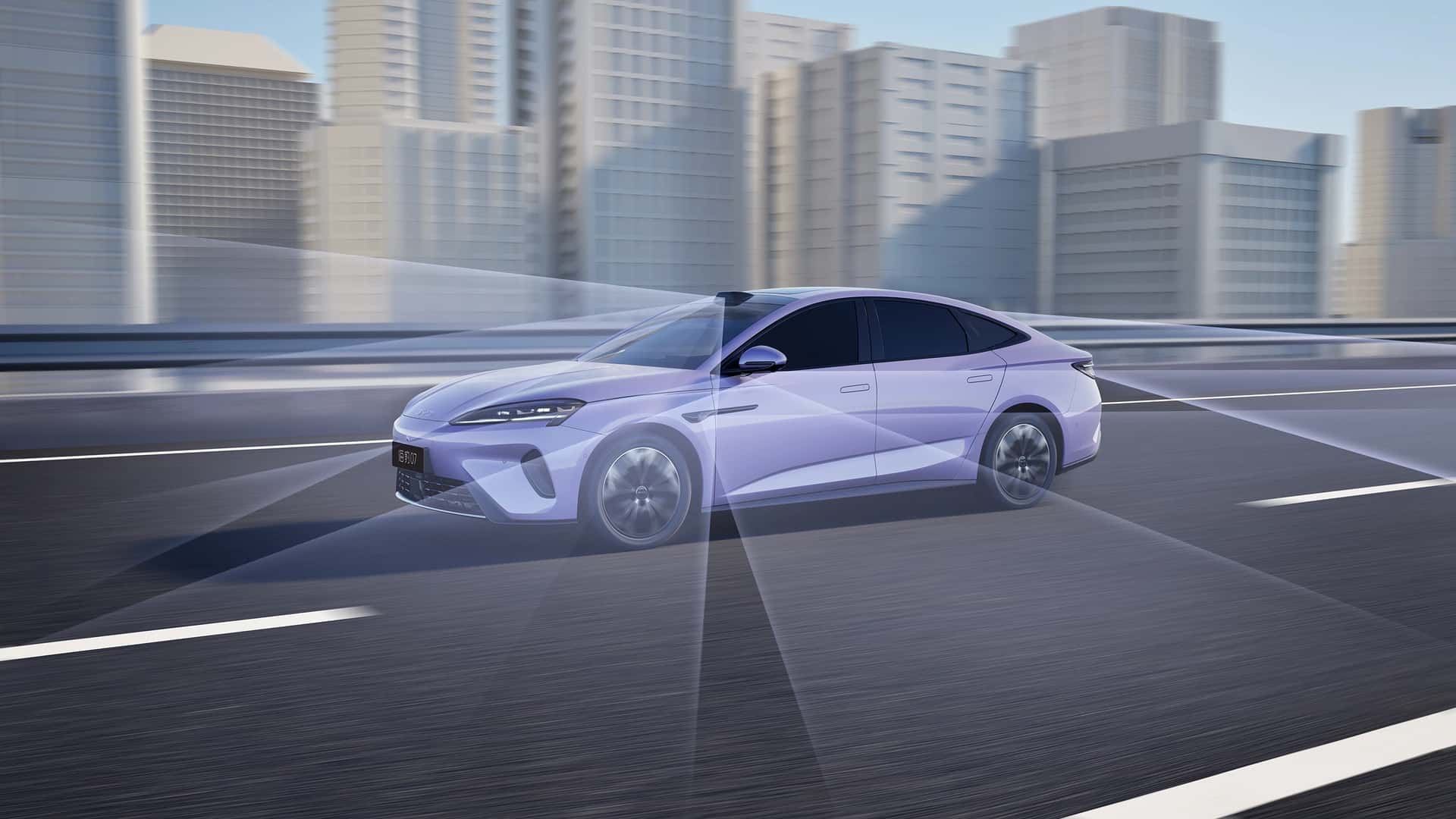
In recent years, the rise of Chinese manufacturers in the electric vehicle (EV) sector has been no secret. However, with the arrival of the BYD Seal 07, it is clear that this leadership is turning into a true domination, putting Western brands, particularly Tesla, at risk. Far from being just an alternative, the Seal 07 showcases performance and technology that could shake the Model 3’s throne.
BYD Seal 07: A Game-Changing Battery
The Seal 07 stands out with its second-generation Blade LFP battery, featuring “Flash” charging technology capable of reaching impressive power levels of 1,500 kW. In terms of range, it promises up to 705 km according to the CLTC cycle, translating to approximately 480 km under the EPA cycle. These figures are not only competitive but also reveal a clear industrial strategy: BYD aims to outpace Tesla on its own turf.
Unbeatable Pricing
With a starting price of 169,900 yuan (approximately $24,600), the Seal 07 is significantly cheaper than the Tesla Model 3, which starts at around 235,500 RMB ($34,100). This price difference of nearly $10,000 cannot be overlooked. Budget-conscious Chinese consumers may be drawn to this more affordable option while benefiting from advanced technologies. This poses a serious challenge to Tesla, which has long dominated the electric sedan market.
Rapid Charging: A Decisive Advantage
The charging capability of the Seal 07 is nothing short of revolutionary. BYD claims it can go from a charge of 10% to 70% in under five minutes. At a Flash station, this model demonstrated it could recover 422 km of range in just 4 minutes and 51 seconds. In comparison, a Tesla Model 3 Long Range would take nearly 35 minutes to reach 80% at a Supercharger, with an additional hour needed to hit 100%. This rapid charging could transform the user experience, making the Seal 07 nearly as convenient as a traditional combustion vehicle.
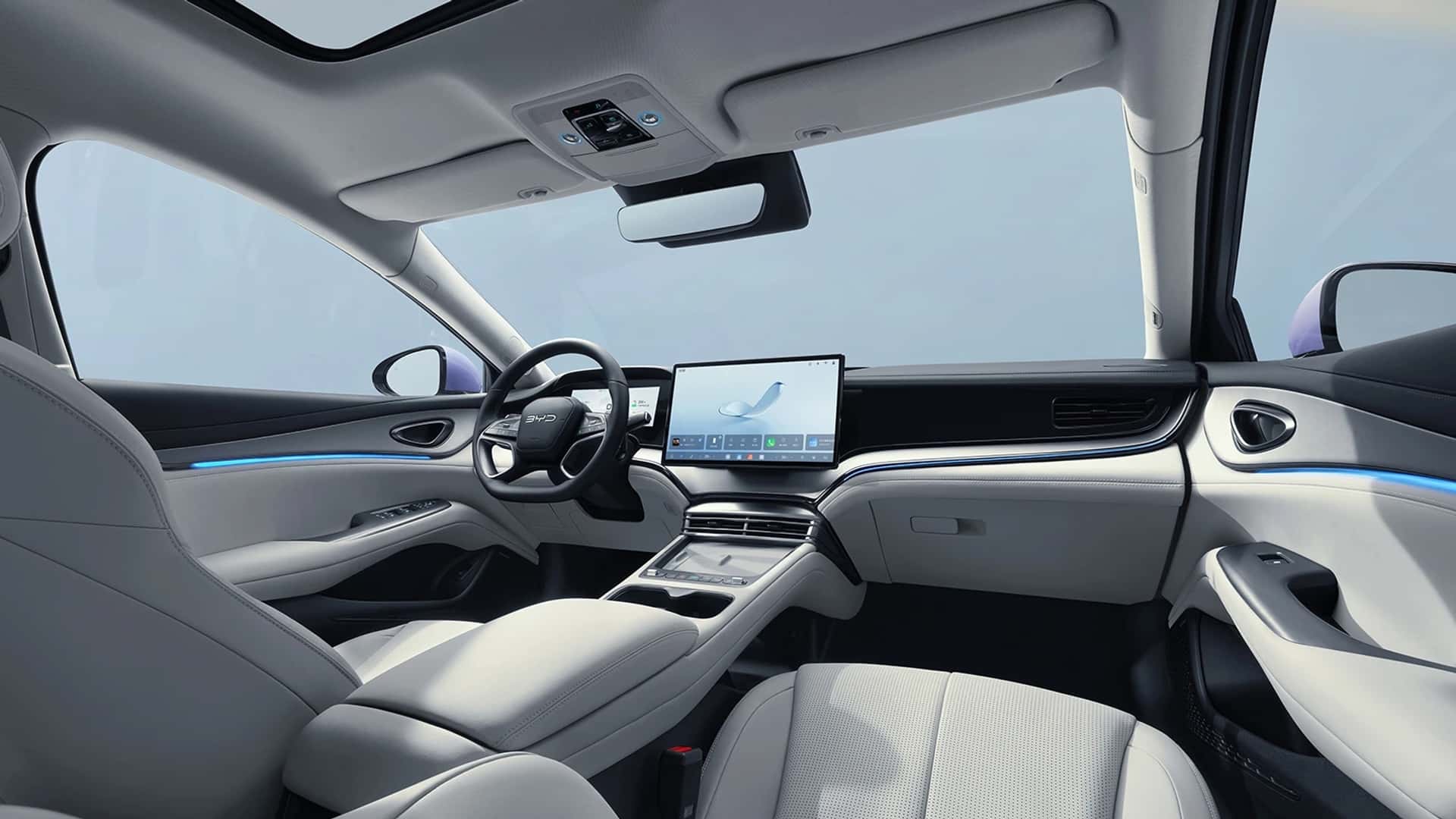
BYD Seal 07
Unprecedented Charging Curve
Another notable feature is the Blade 2.0 battery’s ability to maintain high charging speeds even after reaching 80%. In most EVs, charging power significantly decreases to preserve the cells. BYD seems to have found a solution to avoid this limitation. This could change the game for users looking to avoid long waits during rapid charging.
Advanced Technologies: More Than Just Performance
The Seal 07 excels not only in charging but also integrates an advanced driver assistance system (ADAS) based on lidar, dubbed “God’s Eye”, along with adaptive suspension that adjusts the springs according to road conditions. These features, typically reserved for high-end models, bolster BYD’s case for offering a premium product at a competitive price. Modern comforts such as a smartphone key and massage seats add an extra touch of luxury.
Selective Export Strategy
BYD has confirmed its intention to export its Flash charging technology to several markets outside China, including Europe and Asia-Pacific. However, the lack of plans for the United States highlights the regulatory and commercial challenges faced by Chinese manufacturers. High tariffs and restrictions on Chinese-origin software complicate access to the US market. This could provide Tesla with temporary relief, but the pressure is clearly on them.
In Summary
- The BYD Seal 07 threatens Tesla’s dominant position in China.
- Its attractive price appeals to budget-conscious consumers.
- The rapid charging performance redefines market standards.
- Technological innovations enhance its appeal beyond mere performance.
- Regulatory challenges hinder its expansion in the US.
In conclusion, the BYD Seal 07 represents a significant turning point in the electric vehicle landscape. It not only offers impressive technical features but does so at a price that could attract a wide audience. If Tesla wishes to maintain its position in the Chinese market, it will need to respond swiftly, whether through innovations or price adjustments. In the medium term, this dynamic could reshape the global EV market, where rapid innovation and value for money will become key factors in attracting consumers.