Fuel prices have not been this low for years, providing a breath of fresh air for motorists. However, do not be fooled by this calm: a new storm is brewing on the horizon. The rise in pump prices, scheduled for early 2026, will not depend on a surge in oil prices, but on much sneakier mechanisms already in action.
A deceptive drop at the pump
There is much talk about rising pump prices, but what about the drops? As we approach the end of 2025, French motorists are enjoying an exceptionally favourable context, with prices not seen for ages. The litre of SP95-E10, the most consumed fuel, hovers around €1.60, while diesel, the king of sales (65%), is priced at about €1.53, according to official figures. This is a welcome relief after years of relentless increases.
However, this calm is based on an abundant oil supply and a moderating global demand. But beware, because behind this good news, a worrying dynamic is already in motion: a price increase is expected for early 2026.
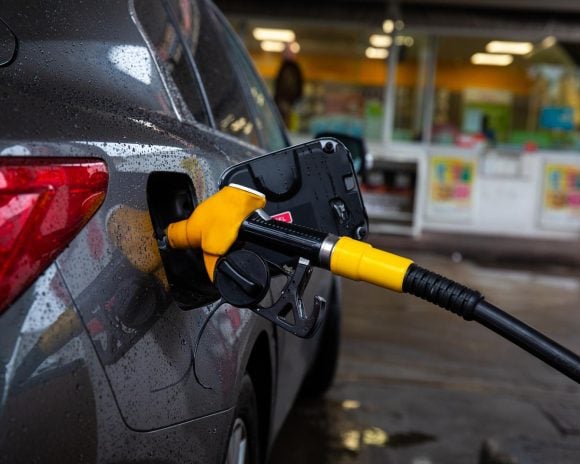
The current drop in fuel prices is deceptive: even without an increase in oil prices, a rise at the pump is already scheduled for early 2026. © Yayimages
A mechanical rise on the horizon
From January 1, 2026, prepare to see fuel prices rise by 4 to 6 cents per litre. This increase will not be caused by geopolitical tensions in the oil market. No, what is brewing here is much more subtle: it is a change in the system of energy savings certificates (CEE). For the uninitiated, these certificates allow buyers of electric vehicles to benefit from a bonus at purchase, but this bonus is no longer distributed by the State.
This mechanism forces energy suppliers to finance actions aimed at reducing consumption and improving energy efficiency. By strengthening this system, the burdens on distributors are increased, who have no choice but to pass them on to the final price. Thus, even if the price of oil remains moderate, the bill at the pump could still soar.
© TotalEnergies
A price disconnected from the market
This evolution highlights a deeper transformation. The price of fuel no longer truly reflects the balance between global supply and demand. On the contrary, it now incorporates an increasing share of regulatory and parafiscal mechanisms, often invisible to the consumer. In this context, the margins for political manoeuvre become limited.
The Minister of Transport, Philippe Tabarot, recently admitted that the State could only intervene marginally on prices structured by mechanisms already in place. The current drop in pump prices is therefore a temporary respite for motorists. One should not be carried away by the illusion of a lasting return to cheap fuels. The expected rise in 2026 stems from costs that go well beyond the simple price of oil.
On the road to the unknown
So, what does the future hold for us? At first glance, this drop in prices seems to offer a breath of oxygen to French motorists. But it would be naive to believe that this calm will last. The new regulations and compensation mechanisms on the horizon could quickly turn this situation into a mirage.
Motorists must therefore prepare to face a reality more complex than ever. Between the need to adapt to a fluctuating oil market and the growing impact of energy policies, the future of fuel consumption seems more uncertain than ever.
For those hoping to see prices remain low, it will likely require patience and caution. It would be wise to keep an eye on future developments in the energy sector and on political decisions that could influence our daily lives.