Renault has abandoned Luca De Meo’s ambitious plan in favour of a new strategy, futuREady. This shift highlights the challenges of a changing automotive market, where electric mobility struggles to convince and competition intensifies.
The transition from Renaulution to futuREady marks a significant turning point in Renault’s recent history. Barely five years after Luca De Meo took the helm with promises of an electric revolution, the current leadership under François Provost has opted for a radically different approach. This change is telling of the challenges facing the French manufacturer, both economically and strategically. In a context where the automotive market is evolving rapidly, it has become urgent to reassess priorities and adjust ambitions.
A Decade of Upheaval in Just a Few Years
In 2021, excitement was palpable. Europe seemed ready to embrace an electric era, with brands vying to present bold future plans. However, reality quickly set in, turning this optimism into disillusionment. Geopolitical crises, such as the one in Ukraine, have exacerbated inflation and disrupted supply chains. In this context, Chinese manufacturers emerged as formidable players, flooding the European market with attractive and affordable models.

Luca De Meo presenting the strategic plan Renaulution in January 2021
From Utopia to Disillusionment
The originally promising plan from De Meo has developed cracks. The closure of Zity, the car-sharing service, and the cessation of production of the electric micro-city vehicle Mobilize Duo illustrate this turn. Even more alarming is that the Ampere division, dedicated to electric vehicles and software, was forced to close its doors following a spectacular failure during its stock market launch. These decisions reflect a desire to cut costs in an unpredictable market.
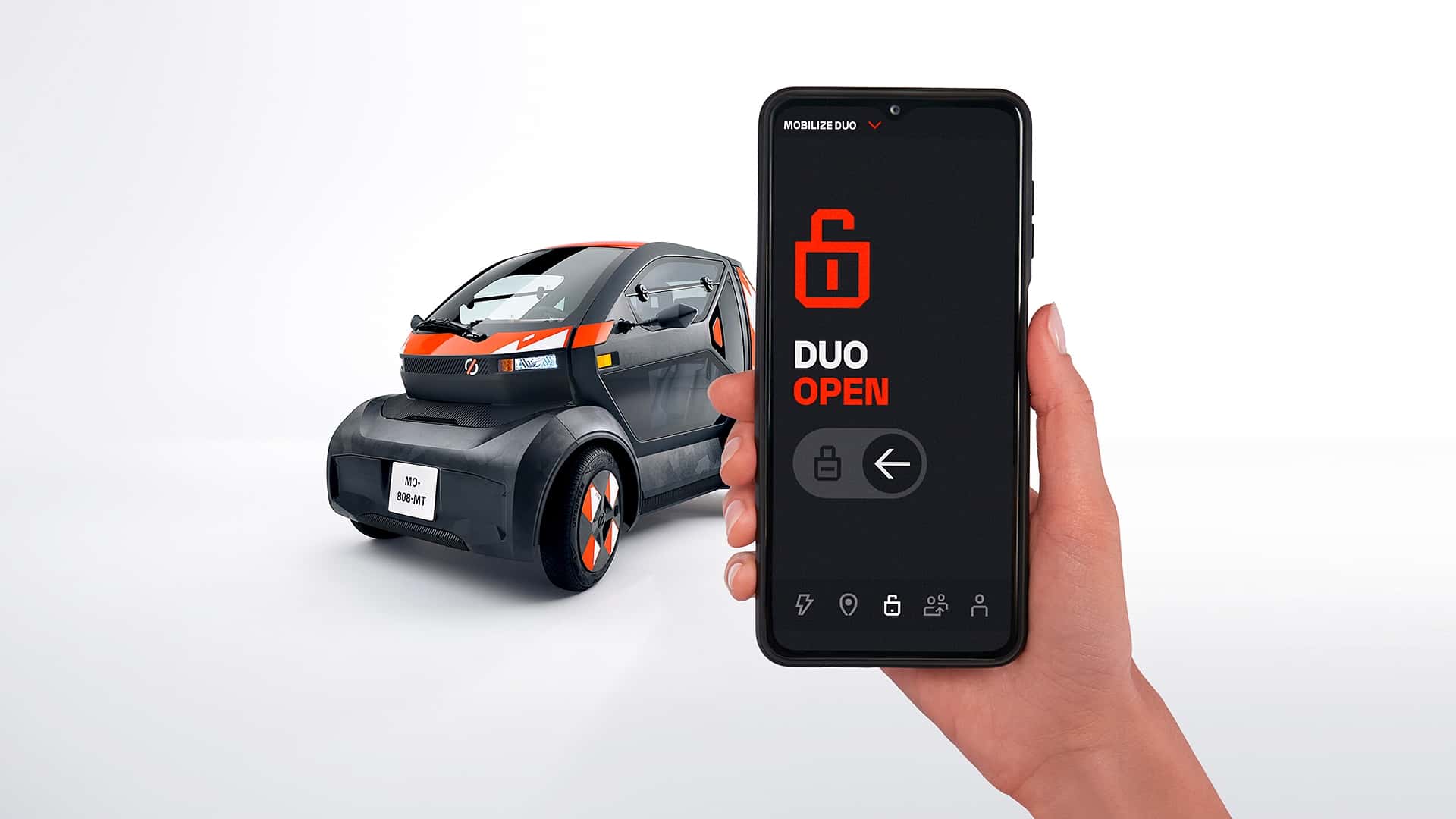
Mobilize Duo
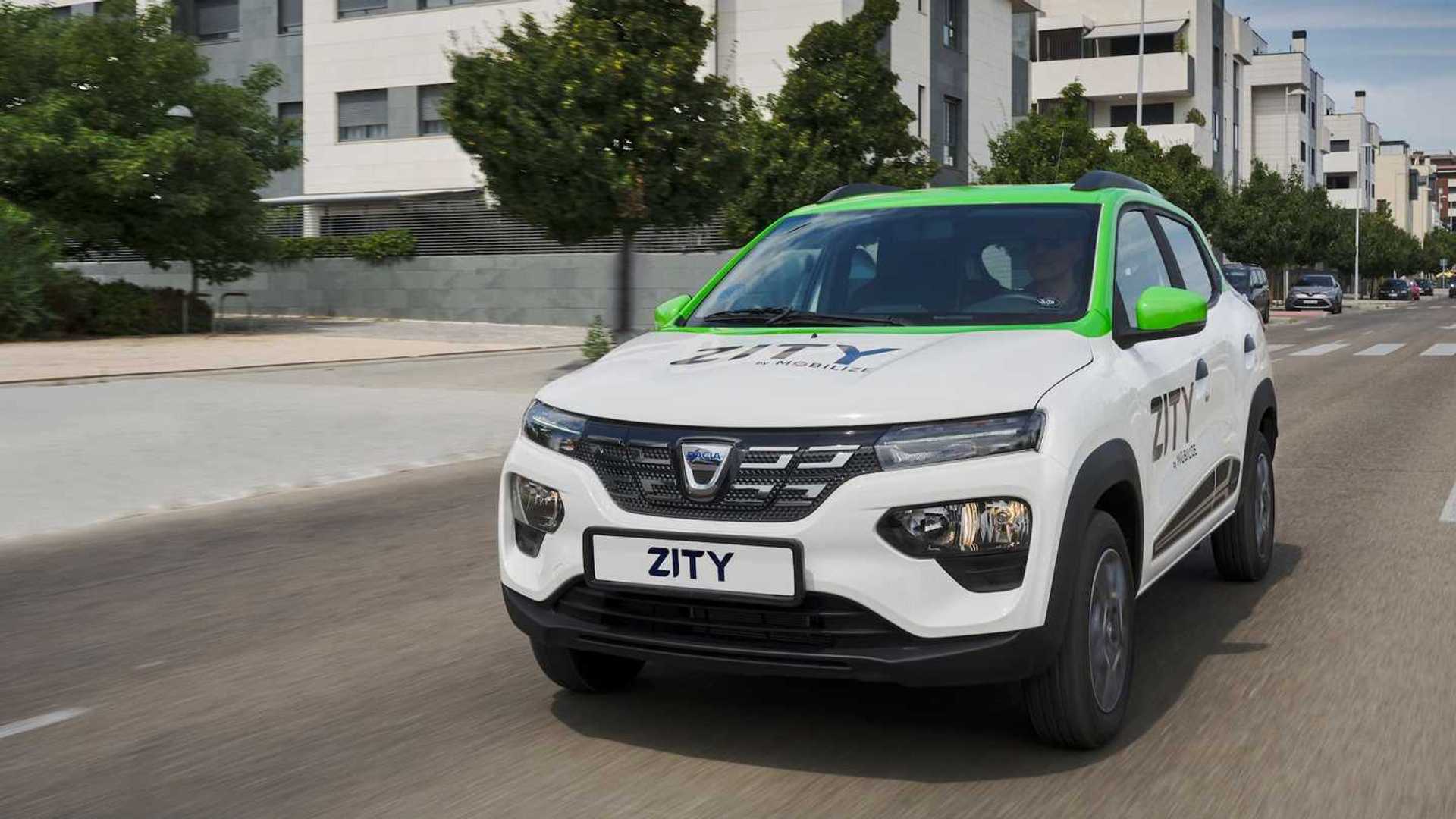
A Dacia Spring from Zity
A Shift Towards Versatility
In this uncertain climate, Renault has decided not to limit itself to a 100% electric strategy. The new direction revolves around a variety of powertrains, integrating hybrid options alongside electric models. This shift marks a break from De Meo’s ideology, which advocated for platforms exclusively for electric vehicles. Now, Renault is partnering with Geely to develop multi-energy architectures, a pragmatic decision given a market that demands flexibility and adaptability.

Renault 5
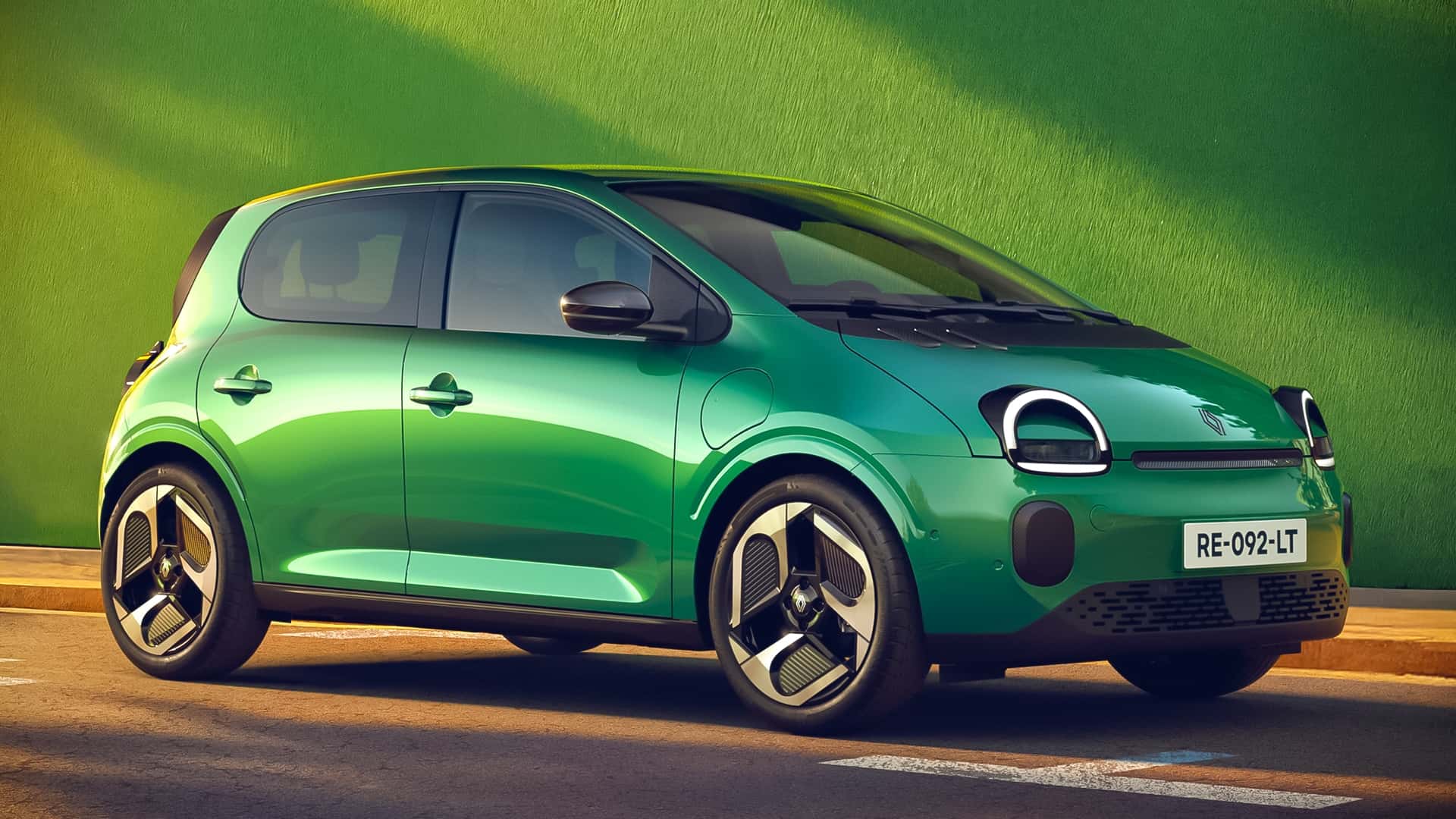
Renault Twingo
A Strategy Grounded in Reality
The futuREady plan is based on four fundamental pillars: product growth, technological advancements, operational performance, and transformation of the customer experience. With 36 new models planned by 2030, Renault aims to respond to diverse demand while integrating innovations such as artificial intelligence to optimise its processes. This strategy seeks not only to strengthen Renault’s position in the European market but also to enable it to thrive in an increasingly competitive environment.
“This plan is based on four pillars. First, growth and product. We will launch 36 new models by 2030 and fundamentally transform the customer experience throughout the lifecycle of the vehicles. Then we will accelerate technological roadmaps by focusing on all key technologies,” explained François Provost.
A New Dawn for Renault
This strategic shift comes with an admission: while the Renaulution has repositioned Renault among the major names in the European automotive industry, the time has come to move forward. By diversifying its offerings and integrating various powertrains, Renault hopes to attract a broader customer base and adapt to the changing demands of the market. Battery-powered models will not disappear, but they will no longer be the sole ambassadors of the brand.
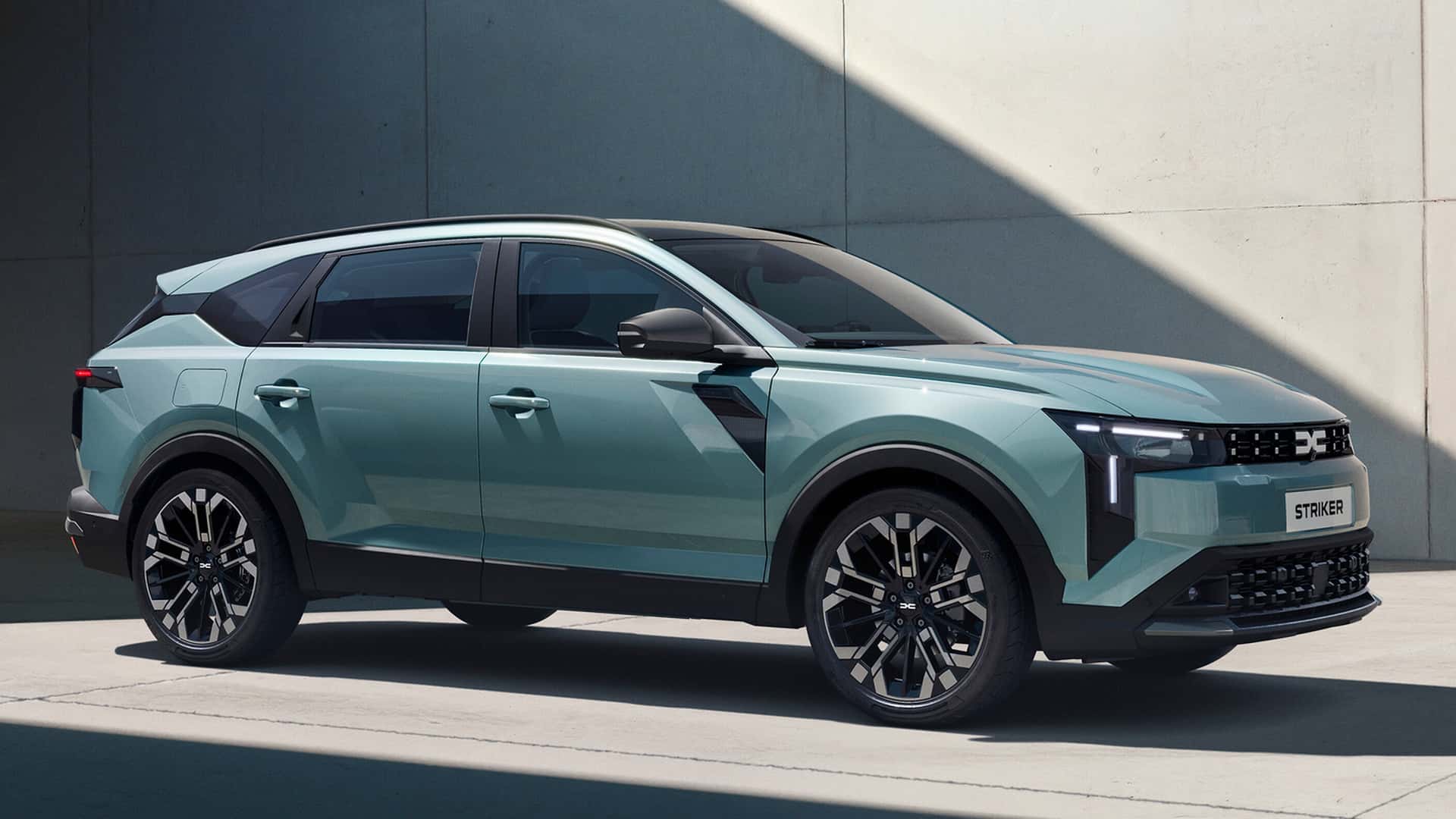
Dacia Striker 2026
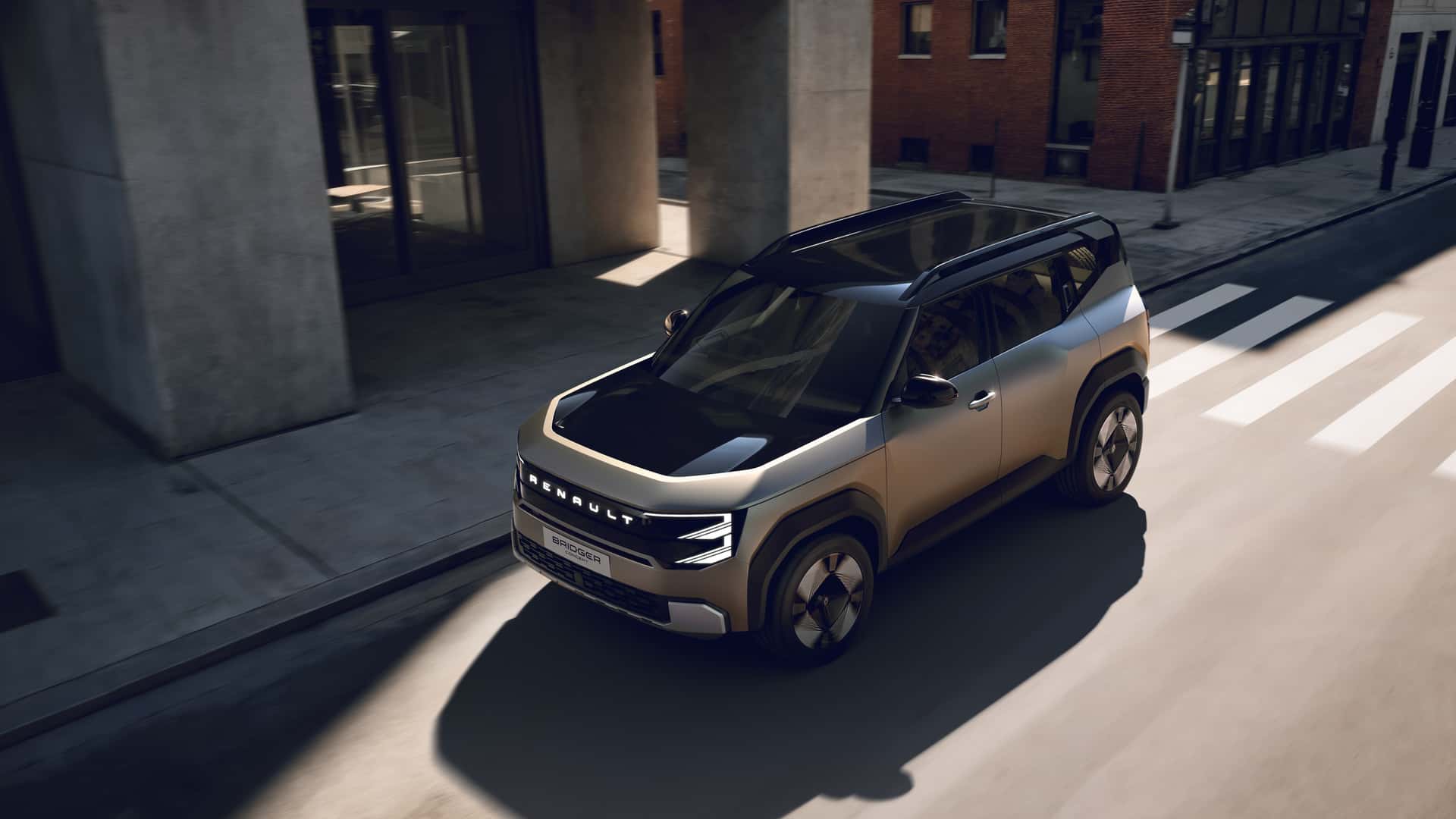
Renault Bridger Concept

futuREady, the strategic plan of the Renault Group for 2030
Summary
- Renault abandons the Renaulution plan in favour of futuREady.
- A changing automotive market requires a new approach.
- Diversity of powertrains will be central to the strategy.
- 36 new models will be launched by 2030.
- The partnership with Geely marks a technological turning point for Renault.
This shift could have significant implications for Renault’s image and market position in the coming years. By opting for a more flexible and diversified strategy, Renault appears to be anticipating developments in the automotive sector while meeting the expectations of a customer base seeking choice. In the medium term, this approach could not only help Renault regain its position in the European market but also enable it to stand firm against increasingly aggressive rivals.