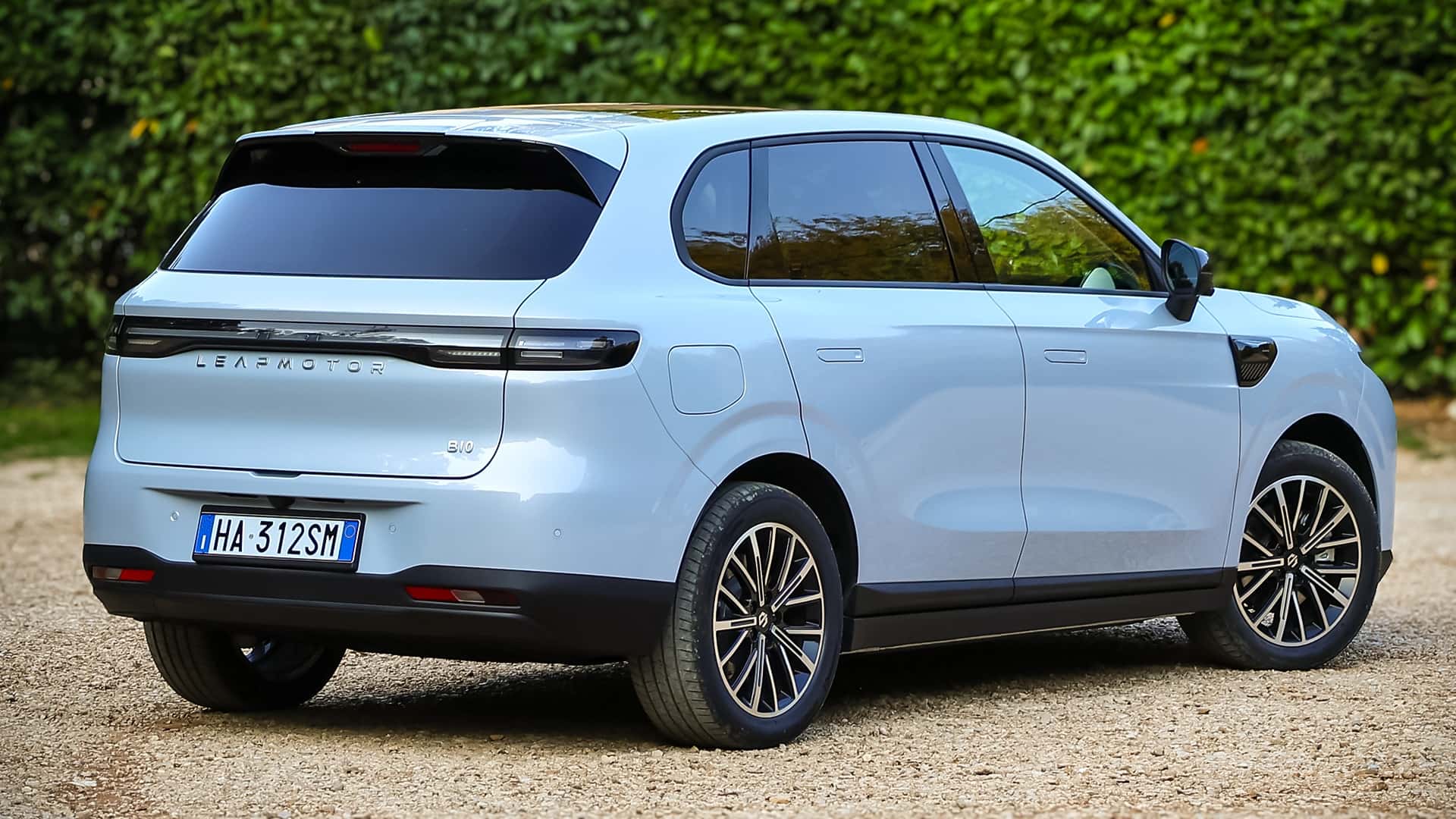
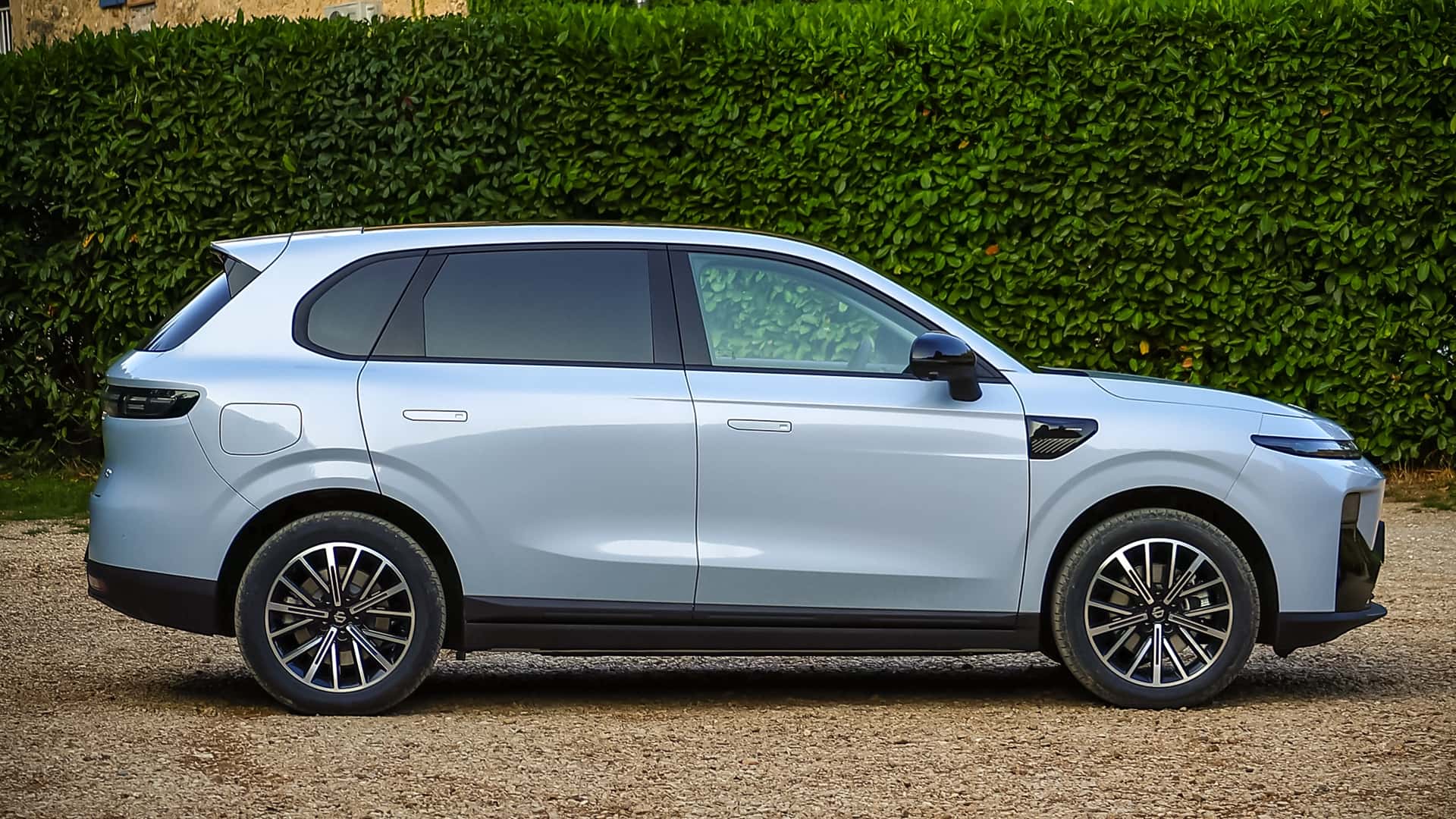
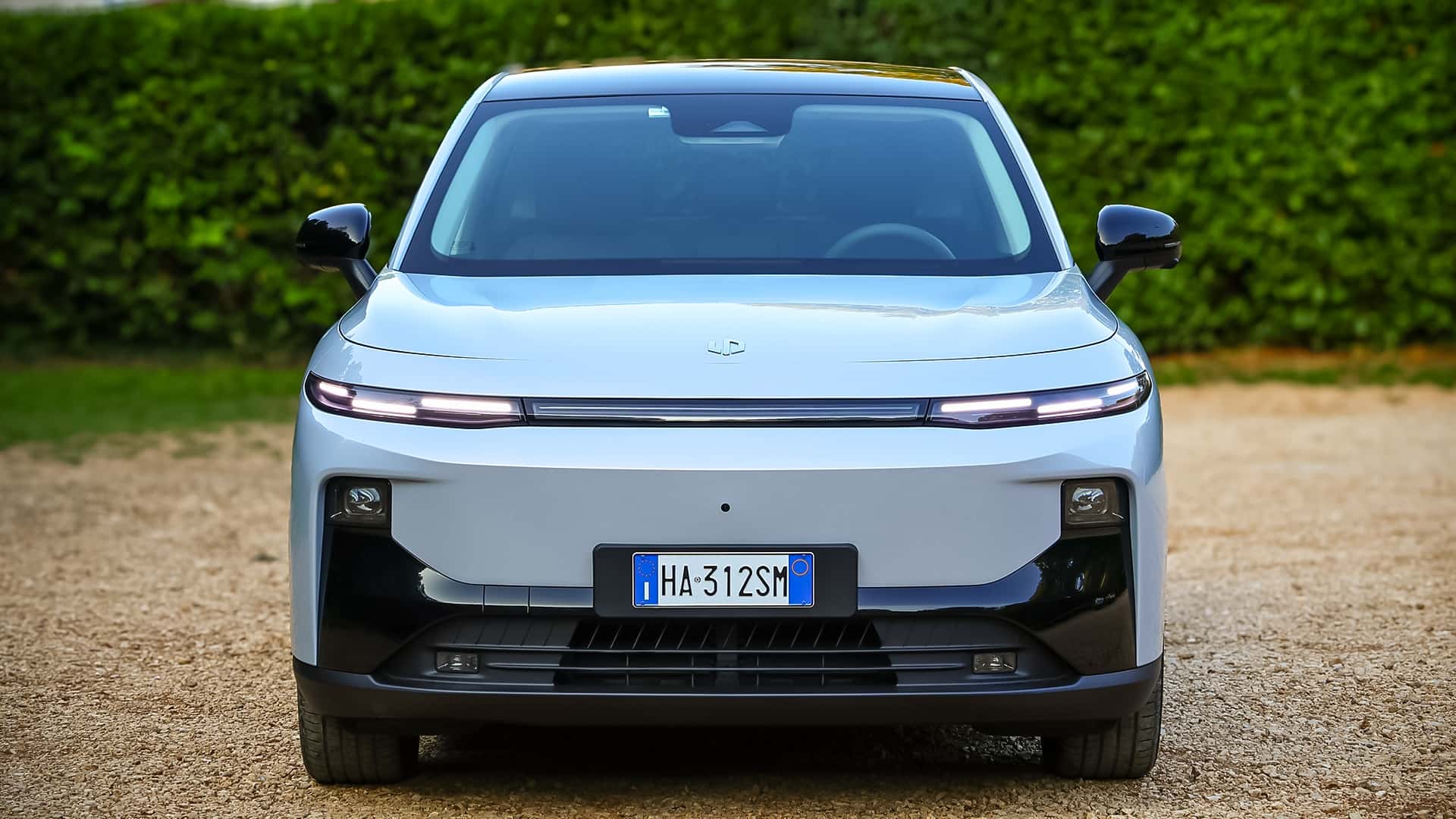
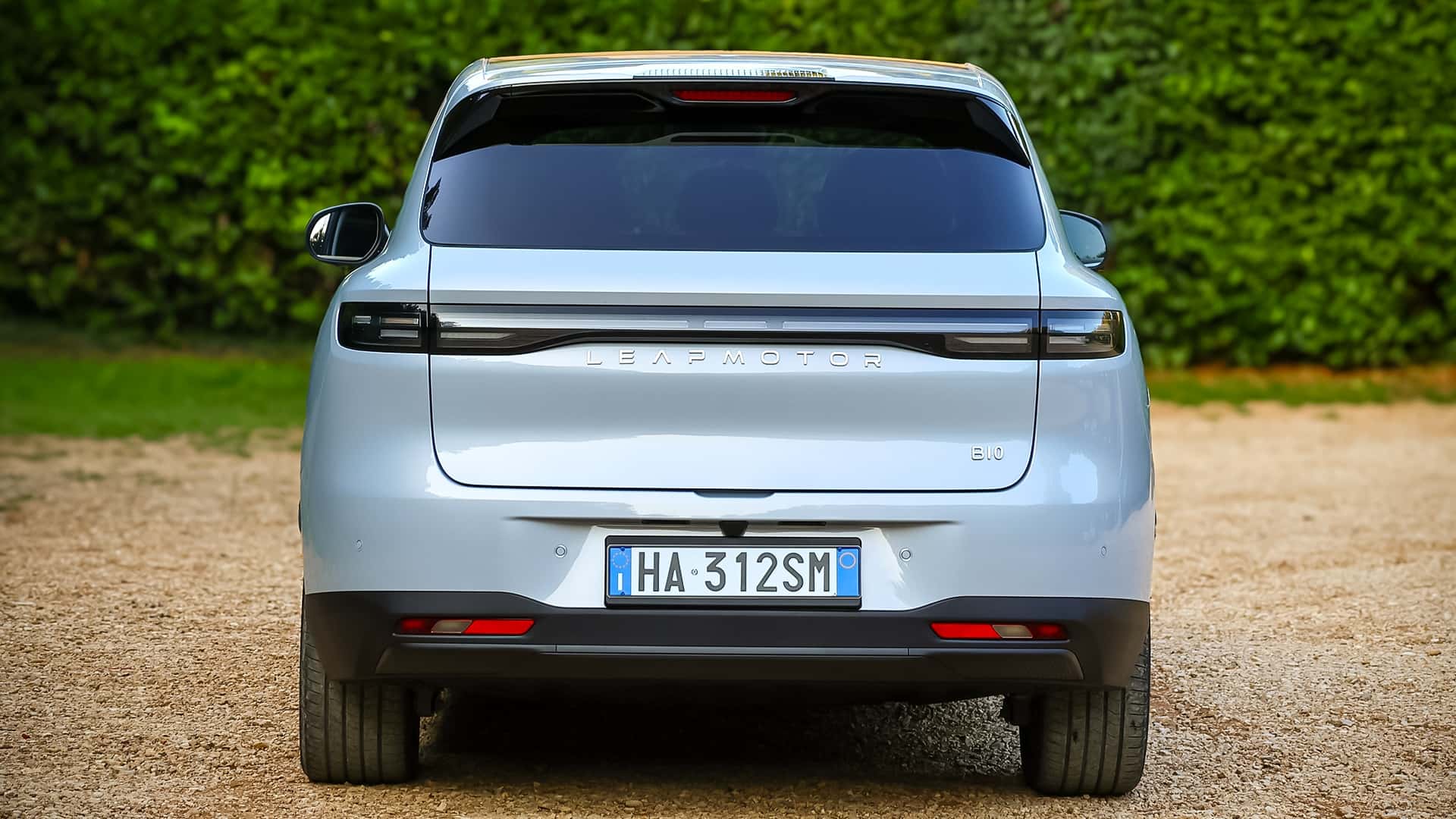
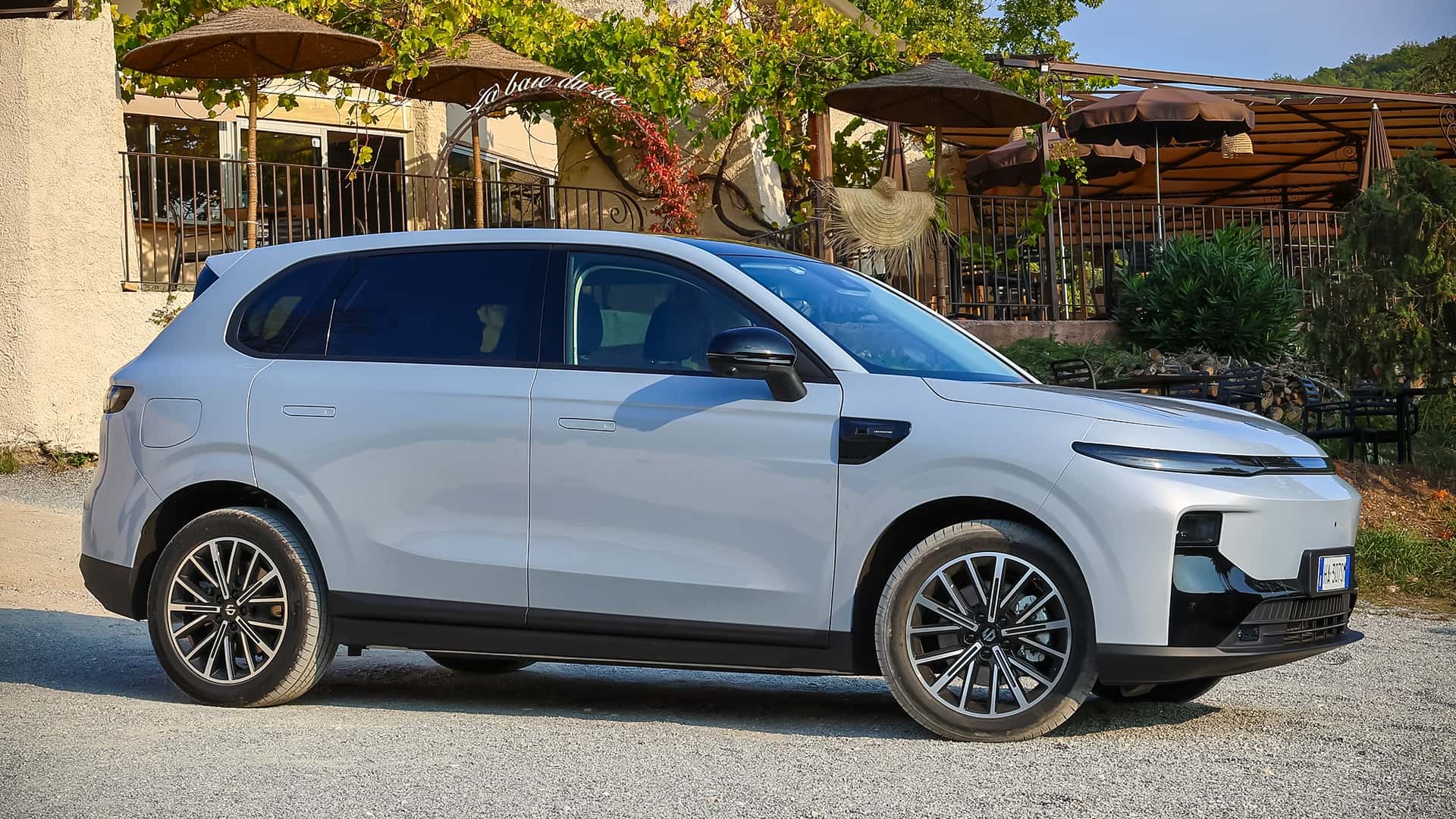
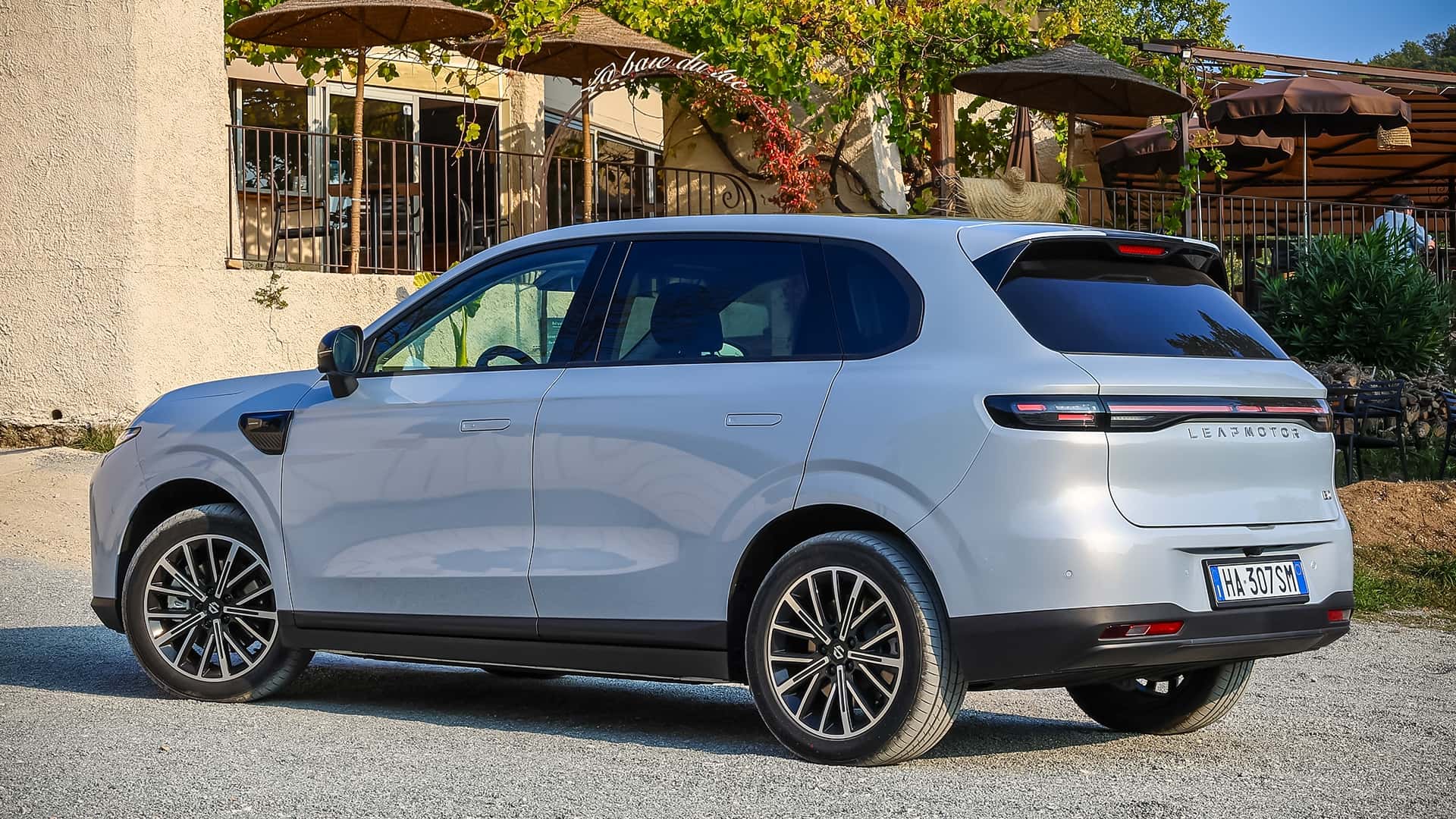
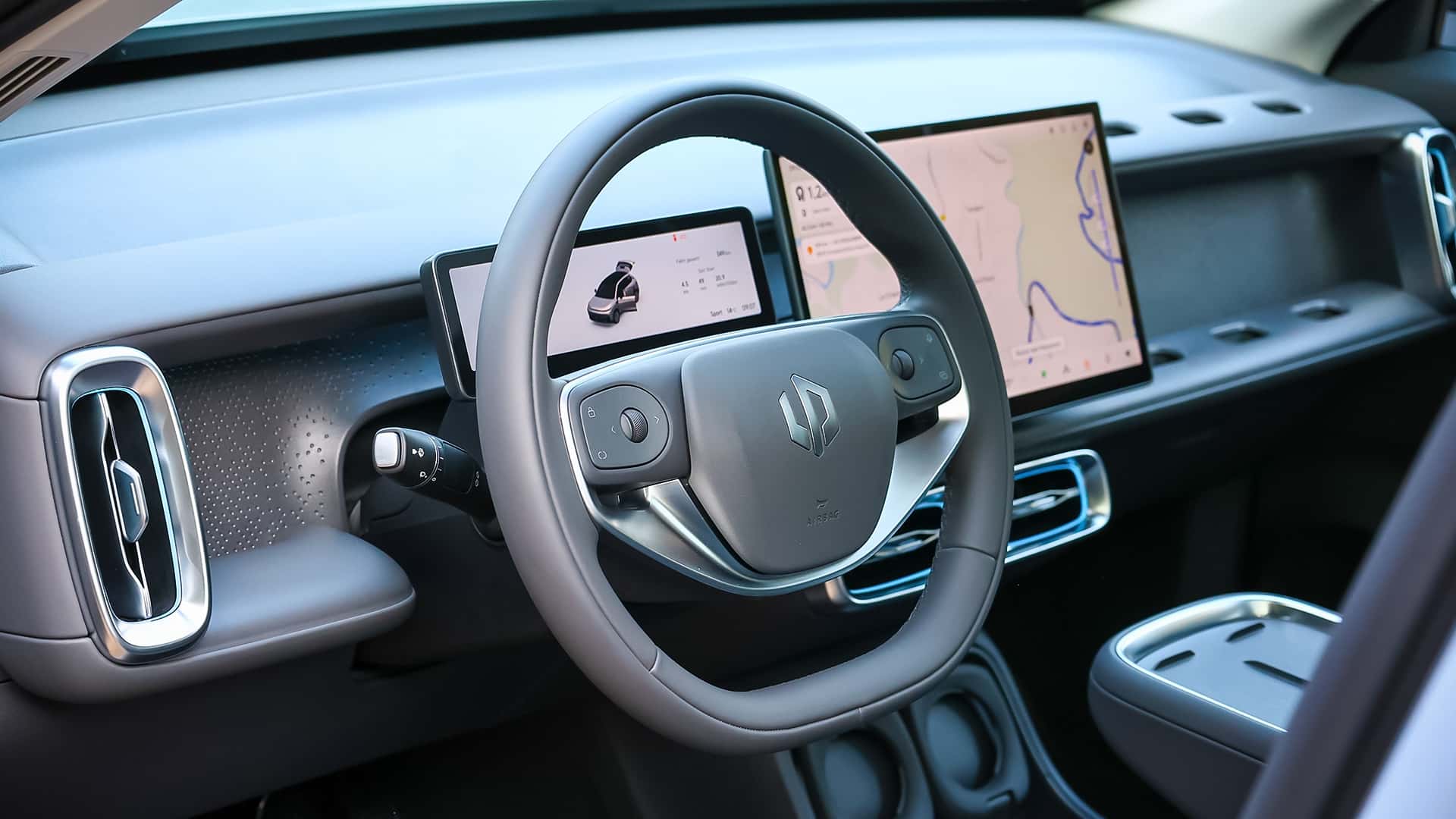
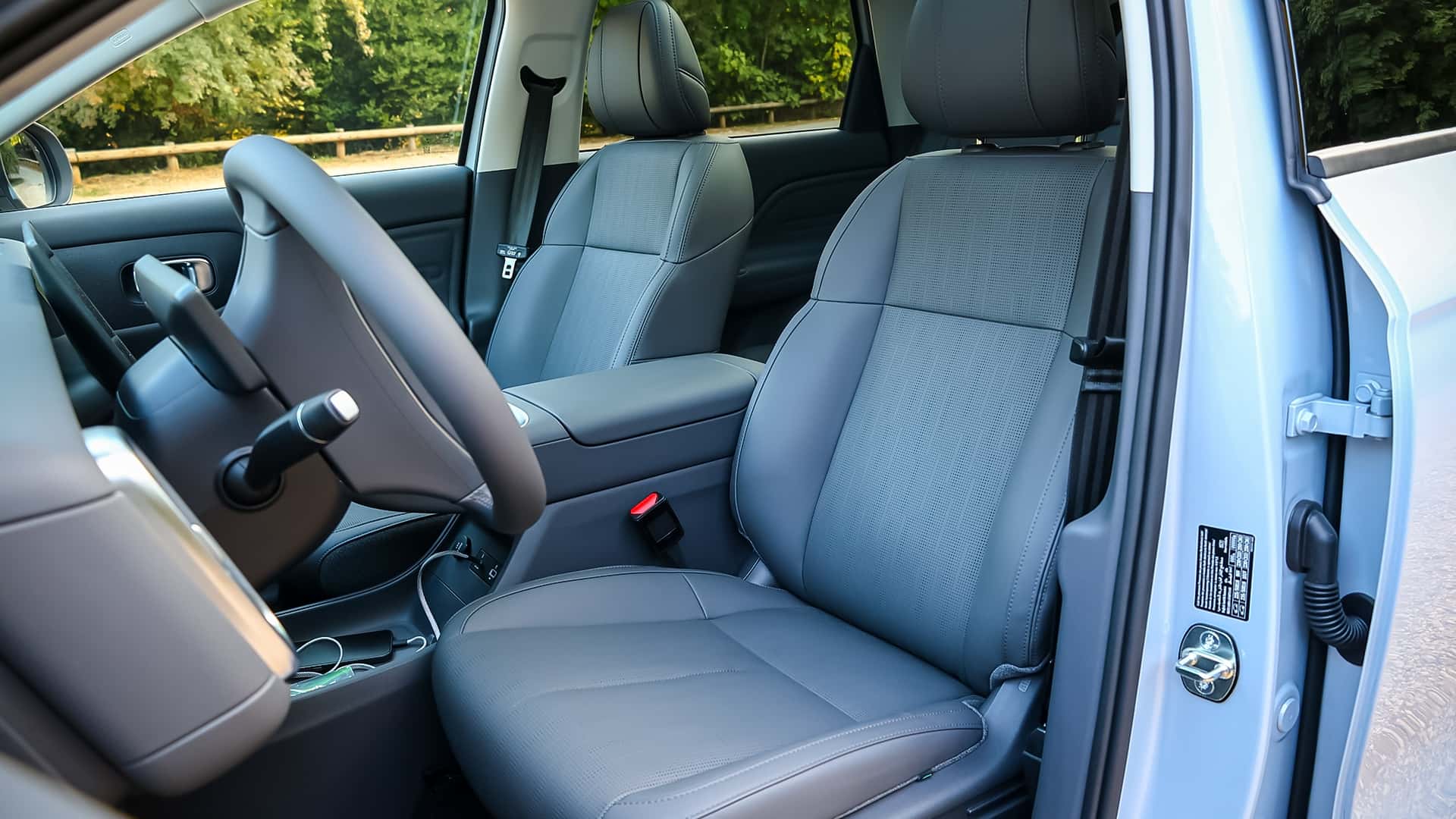
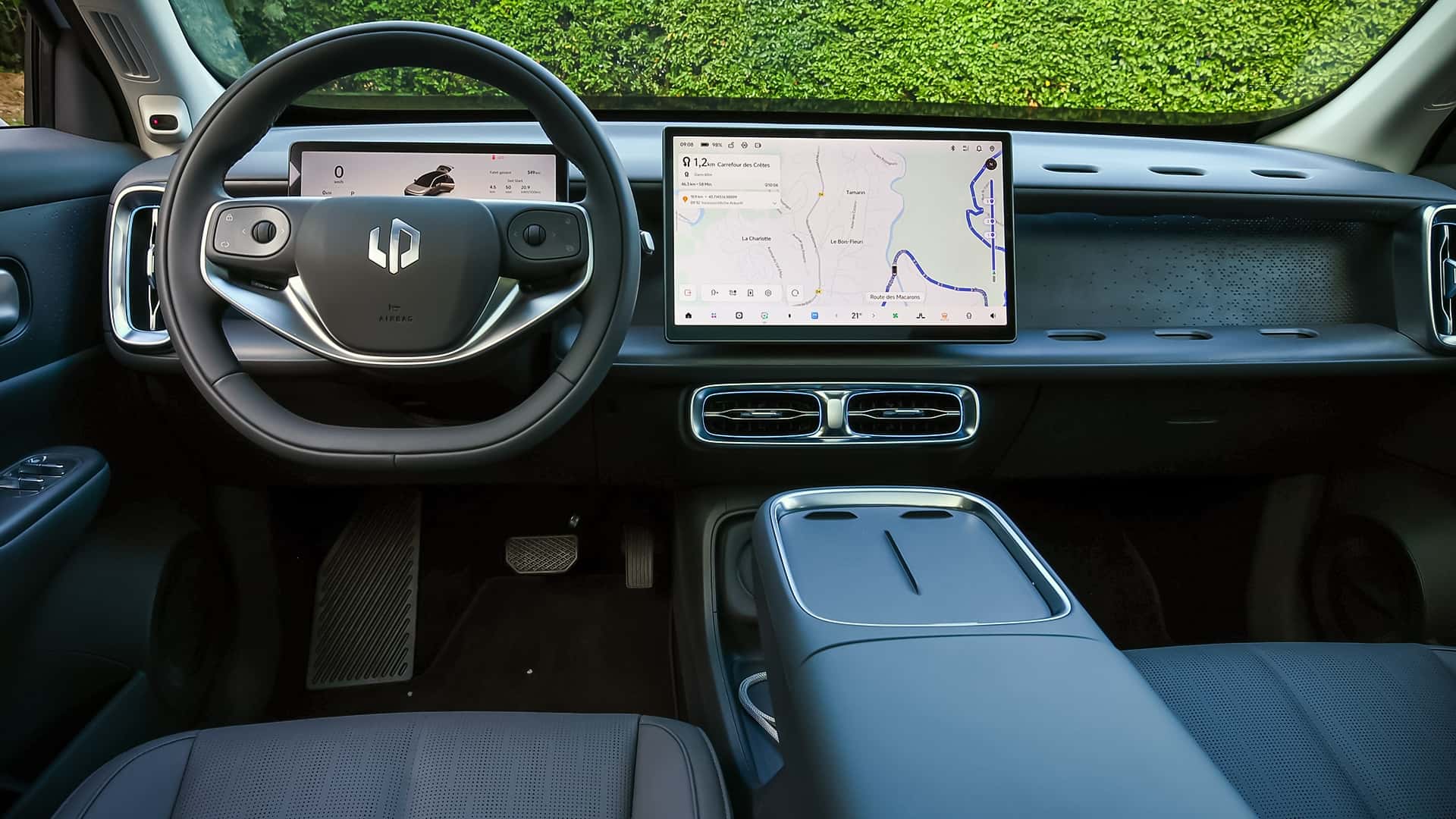
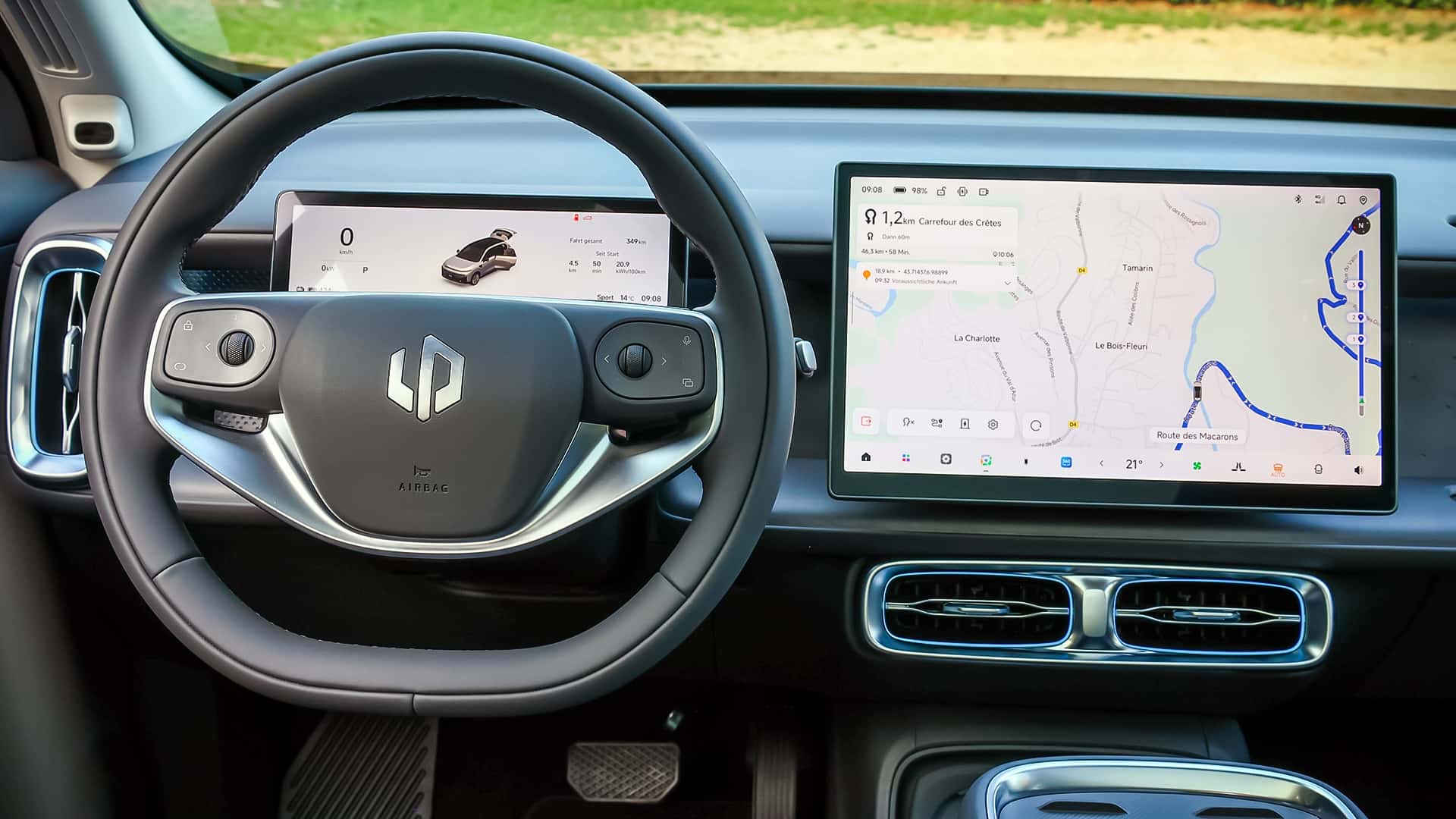
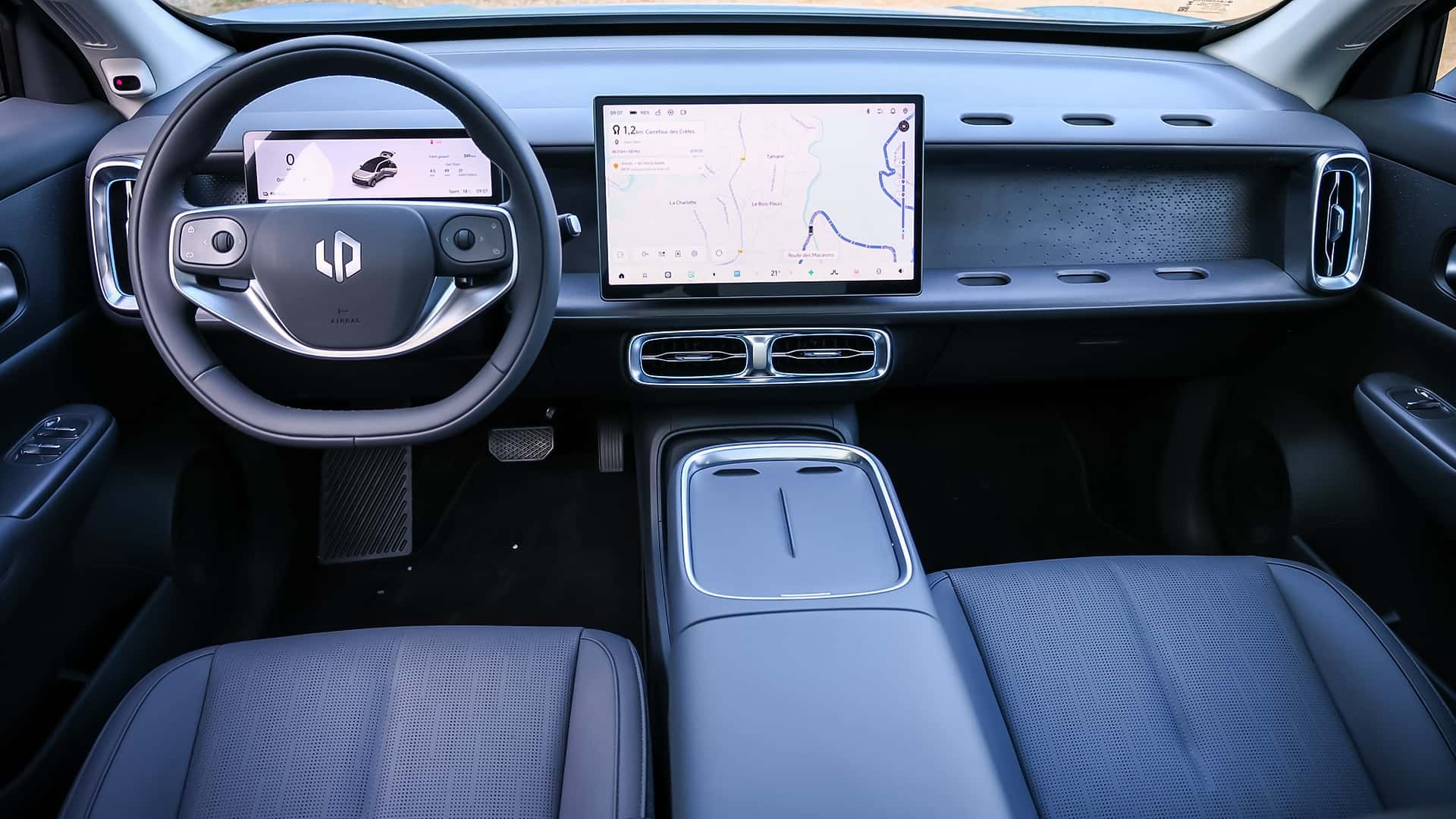
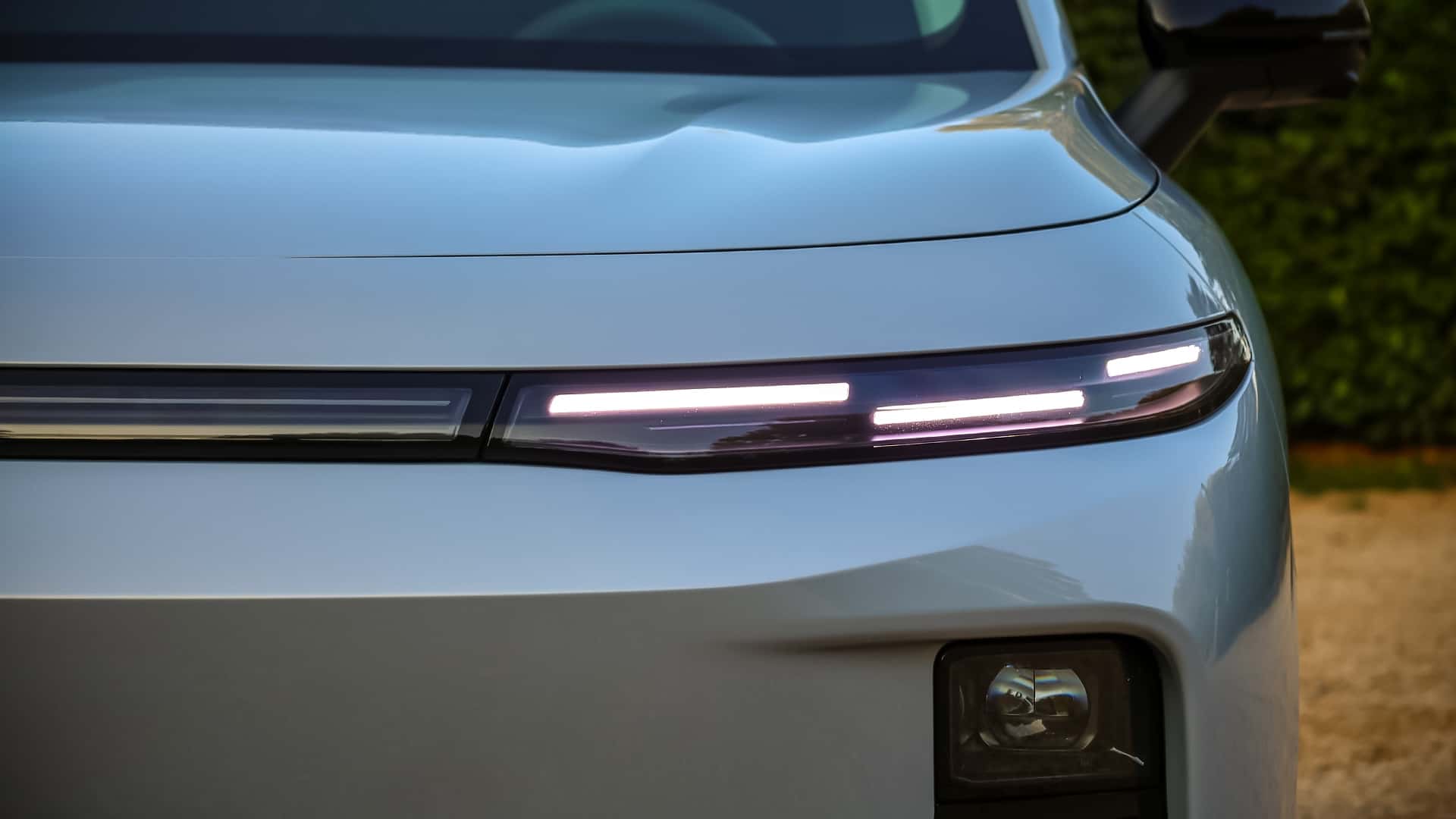
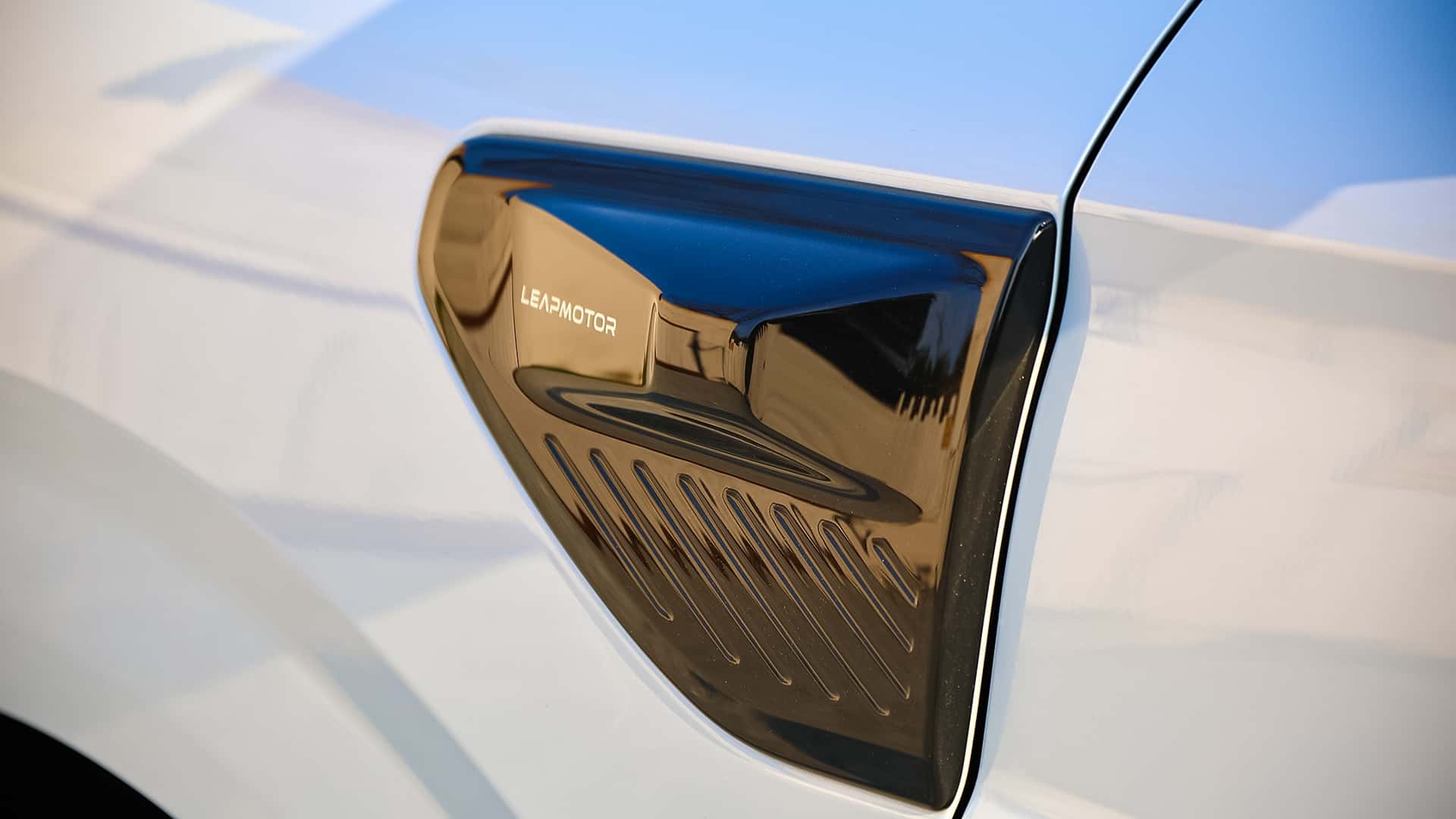
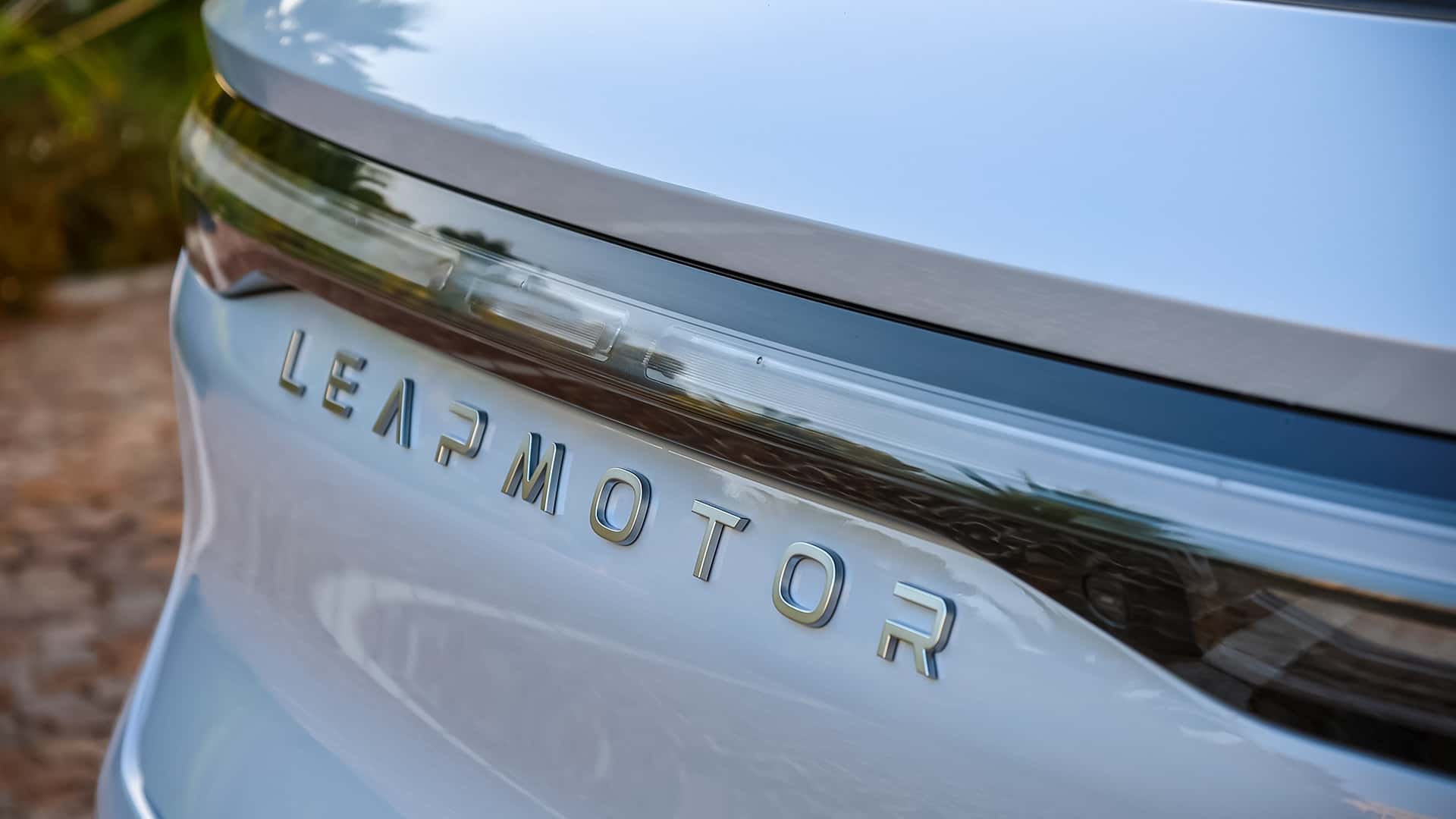
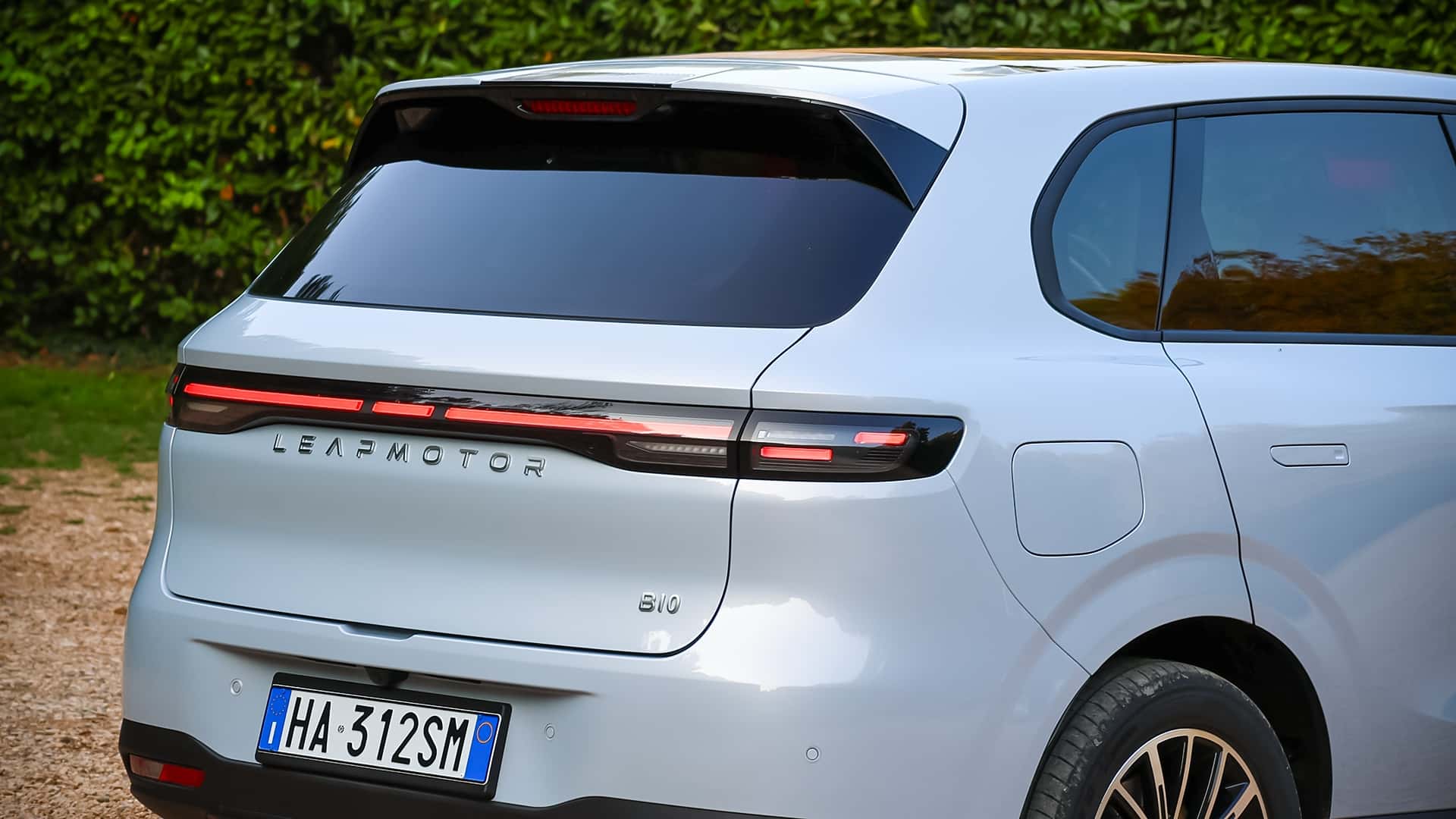
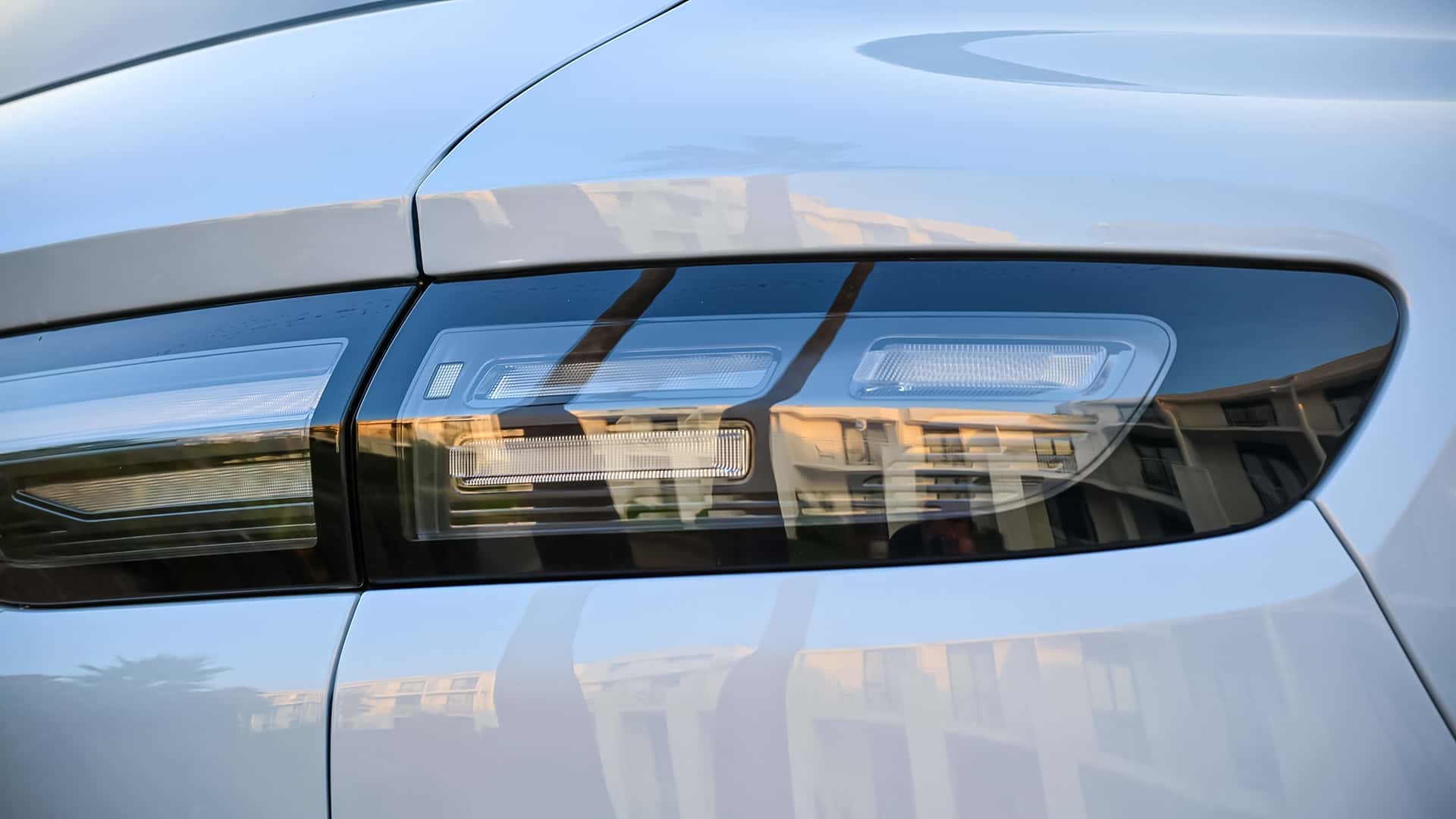
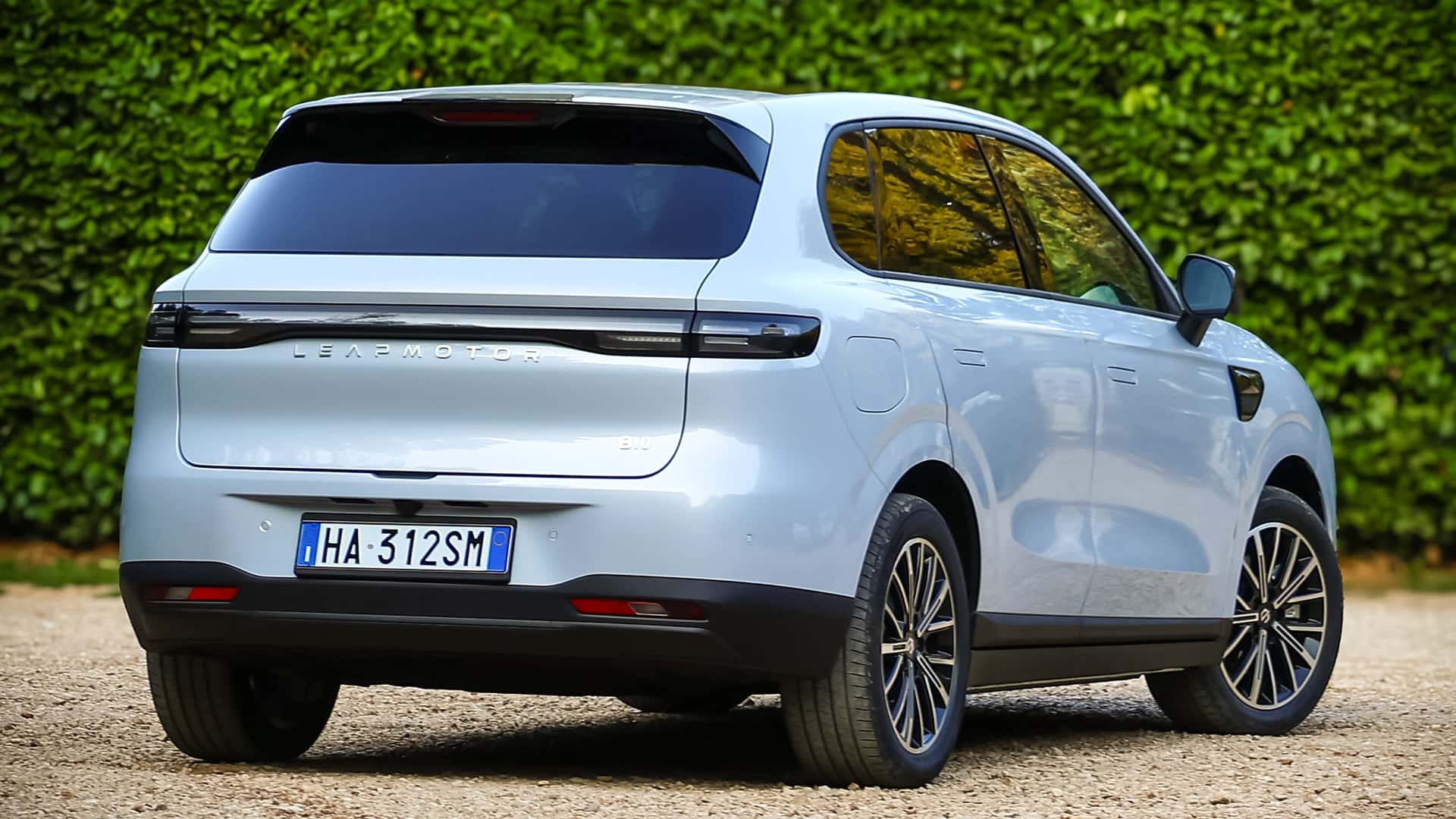
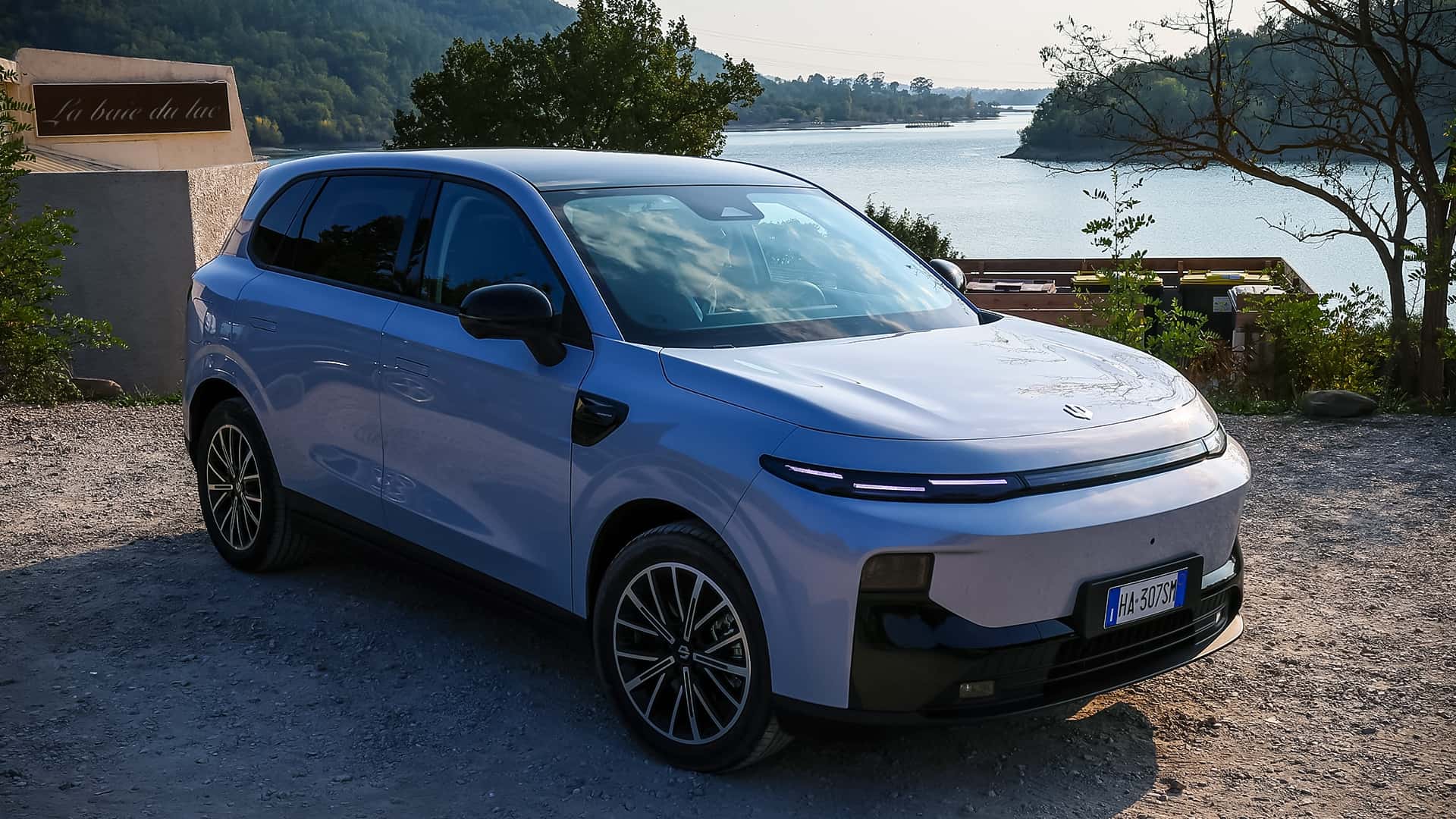
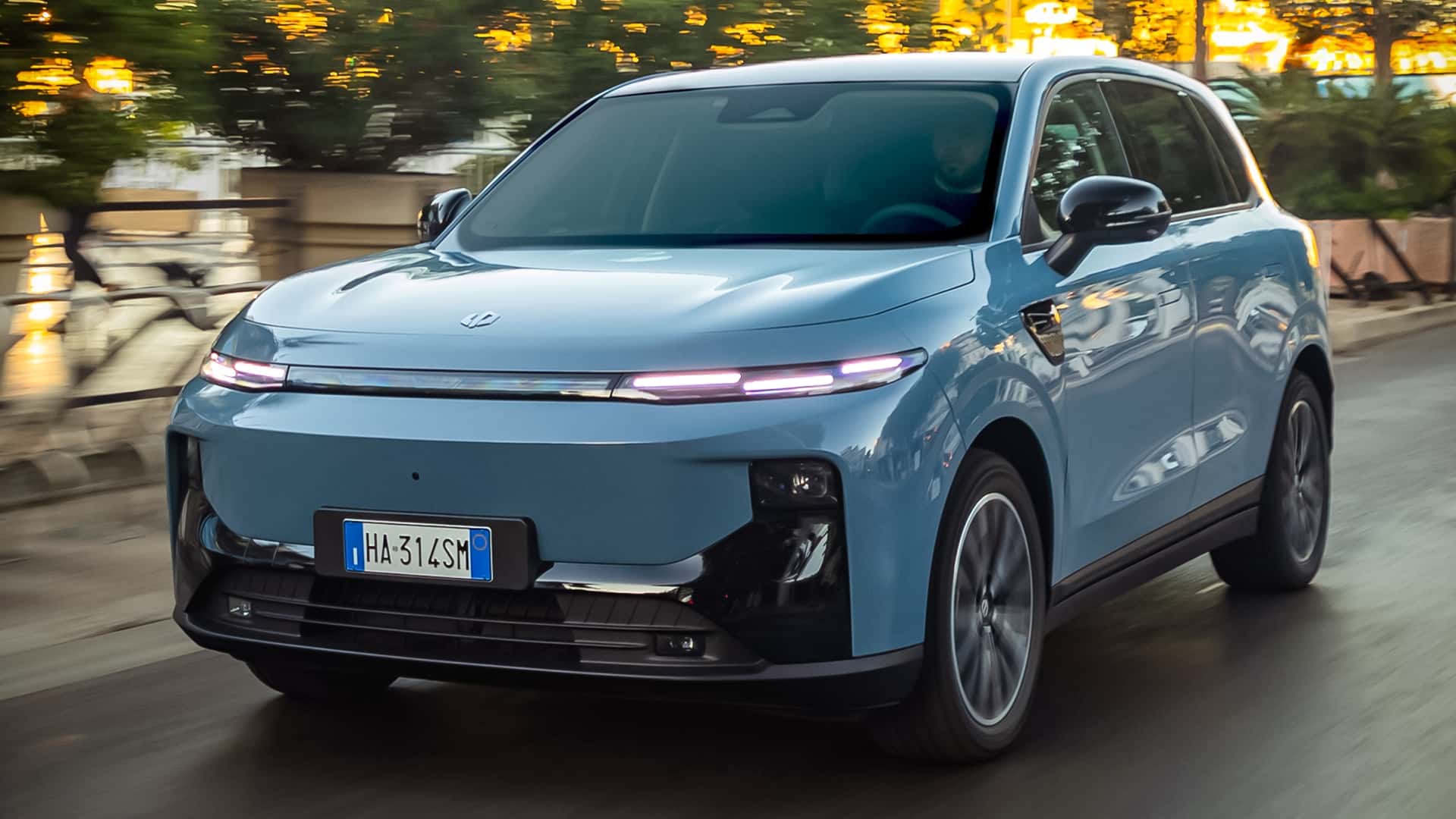
Stellantis, the automotive giant born from the merger of PSA and FCA, appears to be making a bold strategic move by considering the integration of Leapmotor’s technologies into its future models. This approach aims to reduce development costs and enhance competitiveness in an increasingly tough electric vehicle market.
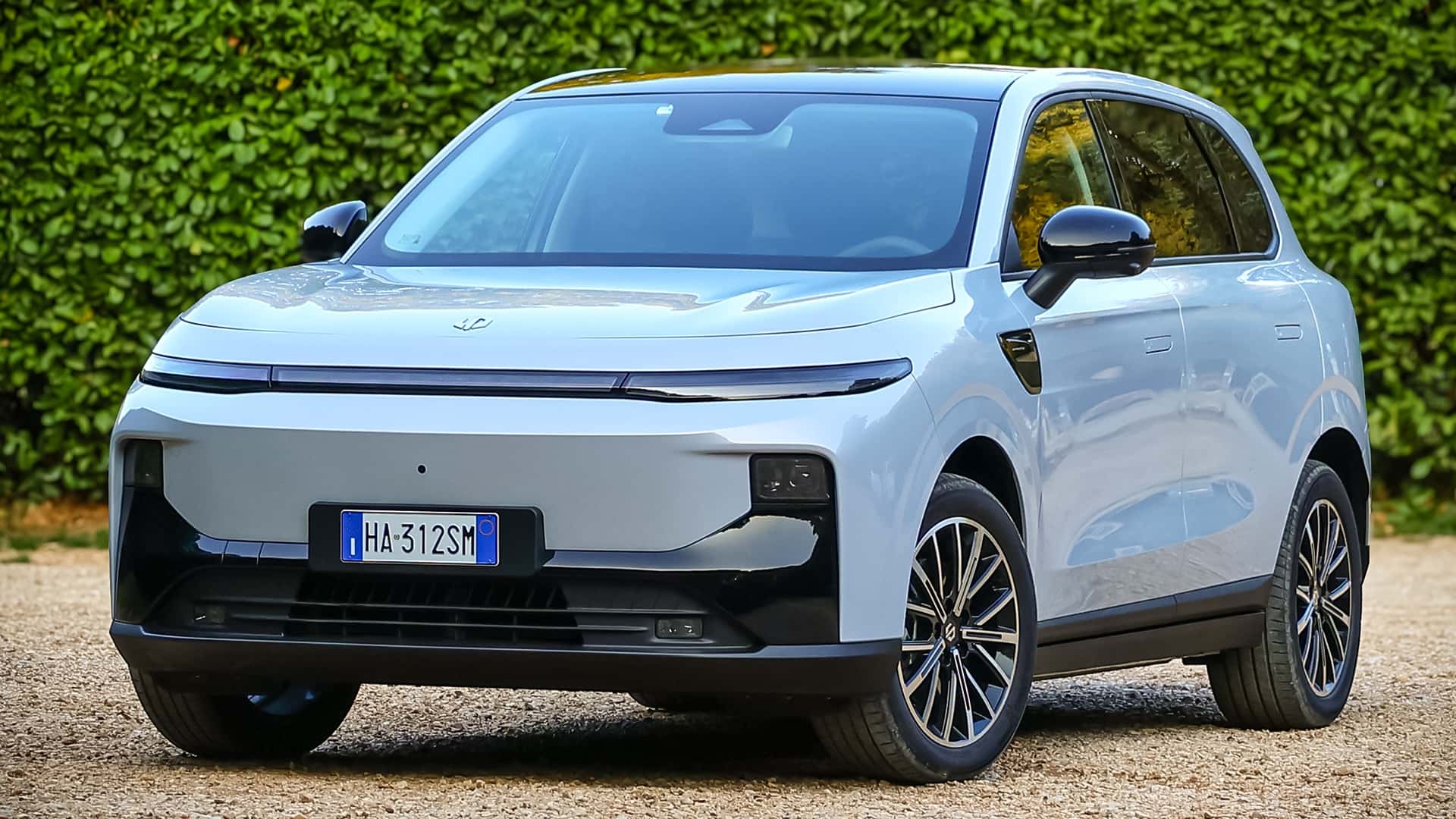
As reported by Bloomberg, Stellantis is exploring the adoption of Leapmotor’s electric technology for its European brands, including Fiat, Opel, and Peugeot. In a context where the group is grappling with write-downs and extraordinary burdens exceeding €22 billion, collaboration with Leapmotor could be crucial for steering the company back on course. For car enthusiasts, this alliance raises fundamental questions about the future of European models and their positioning in the global market.
A Strategic Partnership in the Making
The joint venture between Stellantis and Leapmotor, stemming from a €1.5 billion investment in 2023, allows Stellantis to benefit from exclusive export and sales rights for Leapmotor products outside of China. This partnership could lead to a new generation of models under the Fiat, Opel, and Peugeot brands, based on Chinese platforms. This choice is not trivial. In a changing automotive sector, the ability to innovate while controlling costs is paramount.
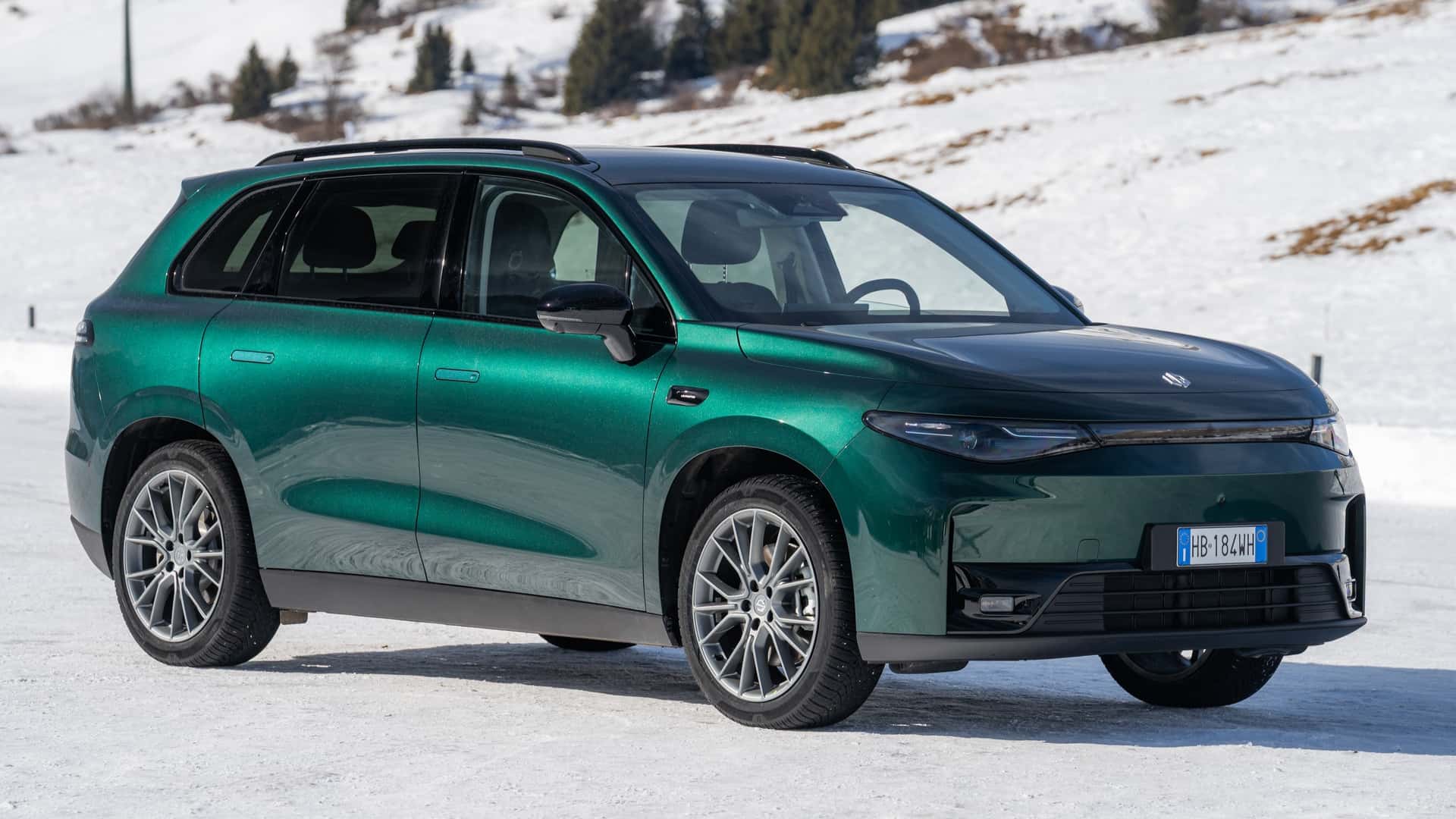
Antonio Filosa, CEO of Stellantis, recently mentioned a collaboration that could involve a technology transfer with Leapmotor. Put simply, this alliance could help the group save time and money in a market where every day counts. However, this strategy raises questions about the feasibility of the STLA Small and Smart Car platforms, which must already prove their efficiency with new model generations like the Peugeot 208 or the Fiat Grande Panda.
Accelerating Electrification
The adoption of Leapmotor platforms could provide Stellantis with the opportunity to realise significant savings in research and development. In an era where development timelines are critical, this strategy could enable the rapid introduction of electric or range-extending vehicles. Moreover, the ability to produce vehicles based on Leapmotor models in Europe would strengthen the synergy between the two groups.
At the same time, this collaboration could also lead to a significant reduction in production costs, allowing Stellantis to offer more competitive prices in the market. This is a considerable challenge, as competitive pressure from already dominant Chinese players in the electric segment remains relentless. However, it remains to be seen how this strategy will align with models already in the launch phase.

The new Peugeot 208 will be the first vehicle to utilise Stellantis’s STLA Small platform.

The Fiat Grande Panda is based on the Smart Car platform.
Complex Challenges in the US Market
While Stellantis seems to be focusing on the European market, a potential agreement with Leapmotor could complicate matters in the US. From 2027, the US market will close to connected vehicles integrating technologies of Chinese origin. This could pose a dilemma for Stellantis if the integration of Leapmotor becomes a priority.
Clearly, the current leadership under Filosa aims to revise some strategies of former CEO Carlos Tavares. A return to V8 engines and diesel in the US is already observable, while some hybrid models are being phased out. Could this strategic flexibility in the US market work against them? The coming months will be crucial.
A Response to Market Challenges
In light of a challenging economic environment and increasing competition, Stellantis’s approach appears to be a well-thought-out defensive manoeuvre. The integration of Leapmotor technologies could not only help reduce costs but also modernise the product offering. By supporting Chinese innovations, Stellantis could expand its model range while remaining competitive on pricing.
Nevertheless, the unclear information regarding the platforms actually being adopted leaves a hint of doubt. What will happen to the STLA Medium models, which currently cover important segments? Strategic decisions must be made clearly and swiftly to avoid a mismatch between supply and demand.
Summary
- Stellantis is considering the integration of Leapmotor technologies for future models.
- This alliance aims to reduce costs and accelerate electrification.
- The partnership raises questions about the future of the STLA and Smart Car platforms.
- Regulatory challenges in the US market could complicate this strategy.
- The current leadership aims to adapt quickly to market developments.
In conclusion, this bold strategy could prove beneficial for Stellantis in the near future. For European consumers, this could mean quicker access to competitive electric vehicles. However, the complexity of the US market and the forthcoming strategic decisions will be crucial in determining whether this move is a masterstroke or merely an attempt at recovery.