Nearly 1.5 million workers in France benefit from a company car, a system that has a long tradition and is deeply rooted in the economic structure. However, a recent study by the Forum Vies Mobiles highlights the drawbacks: exorbitant costs, social inequalities, and questionable ecological effectiveness. This situation raises a crucial question: what would happen to the French automotive market if this pillar were subjected to fundamental reform?
A Work Tool Turned Personal Accessory
The Forum Vies Mobiles presents a harsh assessment of the company car. Originally conceived as a professional tool, it is now frequently used for private purposes. In fact, around 70% of the miles driven in these vehicles are for personal use, while the average mileage for work is below 24 km per day. This shift calls into question the relevance of the system, which seems to serve status more than actual professional needs.
This situation creates notable inequalities: half of the beneficiaries are managers, 75% are men, and the top 10% earners have a company car ten times more frequently than those with lower incomes. Conversely, professions that heavily rely on cars, such as nurses or craftsmen, are often excluded. This disparity between usage and professional reality raises fundamental questions about resource distribution in the workforce.
A Tax Niche Under Pressure
The criticism does not stop at usage. It extends to the taxation of company cars. As a benefit in kind, the tax assessment is lower than the actual costs, making this option more attractive than a corresponding salary increase. For public finances, the estimated revenue loss after the 2025 reform would be around €1.8 billion per year.
With the gradual electrification of fleets, costs may rise even further. Simulations indicate potential annual costs between €3.2 and €5.2 billion as the proportion of electric vehicles increases. The study also highlights that the costs to reduce emissions could reach around €350 per tonne of CO₂, exceeding benchmark costs for climate protection measures. In summary, the system appears socially skewed, fiscally burdensome, and ecologically inefficient.
A Less Obvious Ecological Lever
Often presented as a driver of the energy transition, the company car is praised for its role in fleet electrification. Companies adopt electric vehicles more quickly than some households due to regulatory obligations. However, the study assesses this impact as lesser: The proportion of electric vehicles in fleets reached around 21% in September 2025, a level comparable to that of private individuals.
Moreover, free usage promotes a higher volume of miles, limiting the expected ecological benefits. In short, while the lever exists, its effectiveness is less than anticipated. This observation raises the question of whether the energy transition in the realm of company vehicles is truly as advantageous as claimed.
Company Cars as Status Symbols?
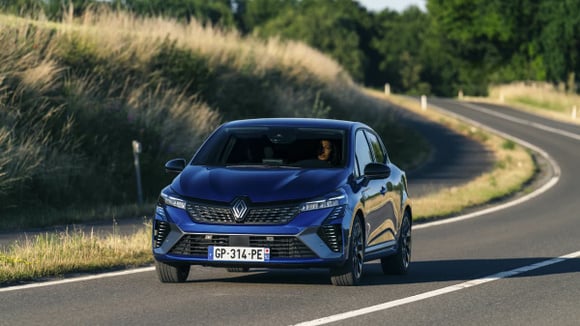
A less visible aspect of the debate is the market shift towards higher segments. While the Renault Clio remains the best-selling car among companies, nearly 70% of premium limousines are purchased by businesses. The study mentions notable examples: Four of the seven Ferrari Daytona SP3 registered in France in 2024 were allegedly used as company cars, as were seven of the eleven Bentley Bentayga. Although these cases remain marginal in the total market, their symbolism raises questions about the necessity of the system.
A Central Element in the French Automotive Market
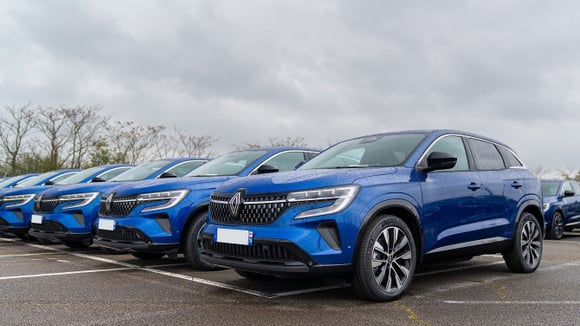
Despite these criticisms, it is undeniable that the company car plays a central role in the French automotive market. Although only 5% of workers are affected, around 25% of new registrations in France come from business fleets, representing estimated annual expenditures of €15 billion. This dynamic is sufficient to structure the market, ensure sales opportunities for manufacturers, and support certain segments, including the premium.
Furthermore, fleets often represent the first wave of introducing new propulsion systems, especially electric vehicles. A fundamental change in this system could correct a tax benefit or rebalance a social mechanism deemed unequal. However, such reform would directly affect the balance of new sales and the industrial policy of brands, influencing the progress of electrification in the automotive sector. Thus, the company car represents a double-edged lever: criticised for its redistributive and budgetary effects, yet essential for the economy of the French automotive sector.
Summary
- Nearly 1.5 million workers in France have a company car.
- 70% of the miles driven in these vehicles are for personal use.
- The associated taxation costs public finances around €1.8 billion per year.
- Business fleets account for 25% of new registrations in France.
- A reform could have significant impacts on the automotive market and electrification.