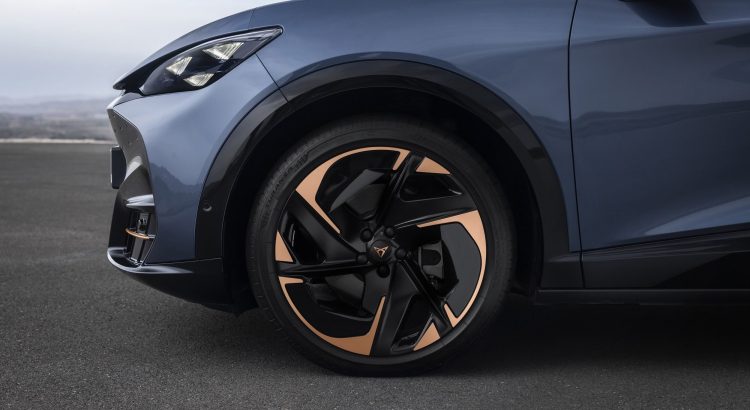
As Europe considers the issue of tariffs, Volkswagen is not just looking to offload its Chinese electric models. The German manufacturer is trying to juggle Brussels’ demands while protecting its industrial empire. A complex dance that could redefine the rules of the game for the European automotive industry.
A complex reality behind the tariffs
Behind the idea of a possible price reduction lies a much more nuanced reality. The European Union has introduced, since the end of 2024, additional tariffs on electric cars produced in China, justified by subsidies deemed unfair. Depending on the brands, these surcharges can reach up to 20%, in addition to the 10% already in place. This has a direct impact on prices and margins, hitting consumers and manufacturers like a punch to the gut.
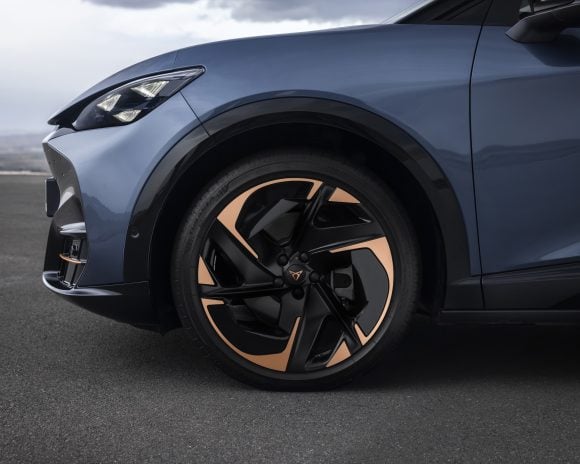
Europe is considering Volkswagen’s proposal to replace tariffs on its electric cars produced in China with quotas and minimum prices. © DR
However, this strategy quickly showed its limits. Some European brands, including Volkswagen, also produce their electric models in China. Take the Cupra Tavascan, assembled at Volkswagen’s Anhui plant. This electric SUV is subject to a surcharge of 20.7%, which undermines its positioning on the old continent, while complicating its economic equation. A real Rubik’s Cube puzzle for the German group.
Quotas and minimum prices: a strictly regulated price reduction
Volkswagen has therefore proposed an alternative to tariffs on its electric cars produced in China. Instead of calling for a complete removal of the surcharges, the manufacturer advocates their replacement with an annual import quota and a minimum import price. A clever maneuver to stay in Brussels’ good graces.
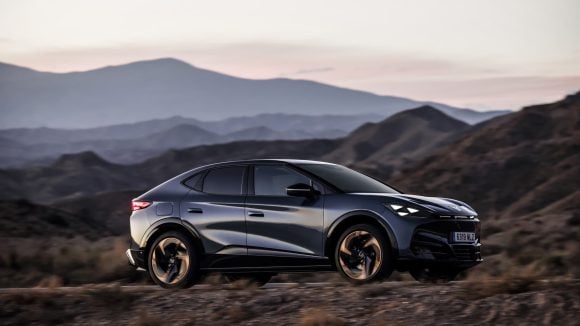
Produced in the Volkswagen factory in Anhui, China, the Cupra Tavascan is also subject to a surcharge of 20.7%, which undermines its positioning in Europe. © Cupra
Specifically, even if the European Commission accepted this proposal, the Cupra Tavascan could not be repositioned downwards without precautions. Currently priced from €40,490 on the French market, its price would remain within a range deemed acceptable by European authorities. The goal is not to undercut the market, but rather to restore the economic viability of a model already under pressure from fierce competition, particularly from China.
A potential precedent for the European automotive industry
Beyond the Tavascan, the request to modify tariff rules fits into a broader vision for Volkswagen. By testing this new system, the German group aims to create a framework that other European manufacturers could exploit, such as Mini or Smart. An opening that could change the game in a rapidly evolving automotive landscape.
But for the European Union, the dilemma is thorny. On one hand, there is a need to protect the local industry; on the other, to avoid penalising European groups while pursuing the continent’s electric ambitions. It’s a bit like juggling eggs while trying to dance on a tightrope. The electric transition is not only played out on the technological front but also on industrial and political choices that can have heavy consequences.
This issue highlights a crucial point: the future of electric vehicles does not depend solely on technological advancements but also on a precarious balance between regulations, economic interests, and environmental ambitions. A true game of chess where every move counts and can change the trajectory of the European automotive market.
To follow the evolution of these crucial debates and understand how they impact our automotive future, feel free to check out our News category, where we decode all the stakes of the sector.