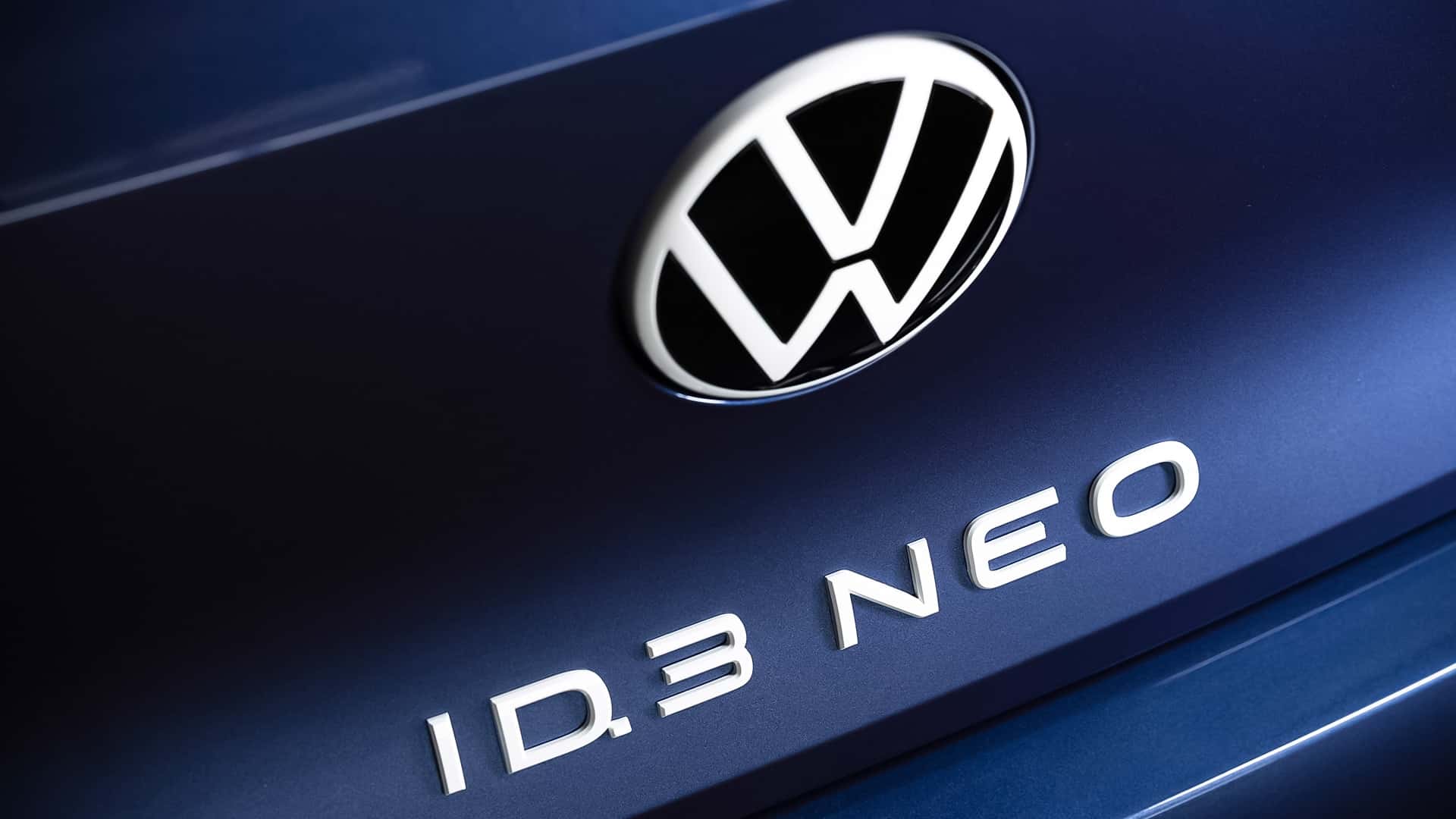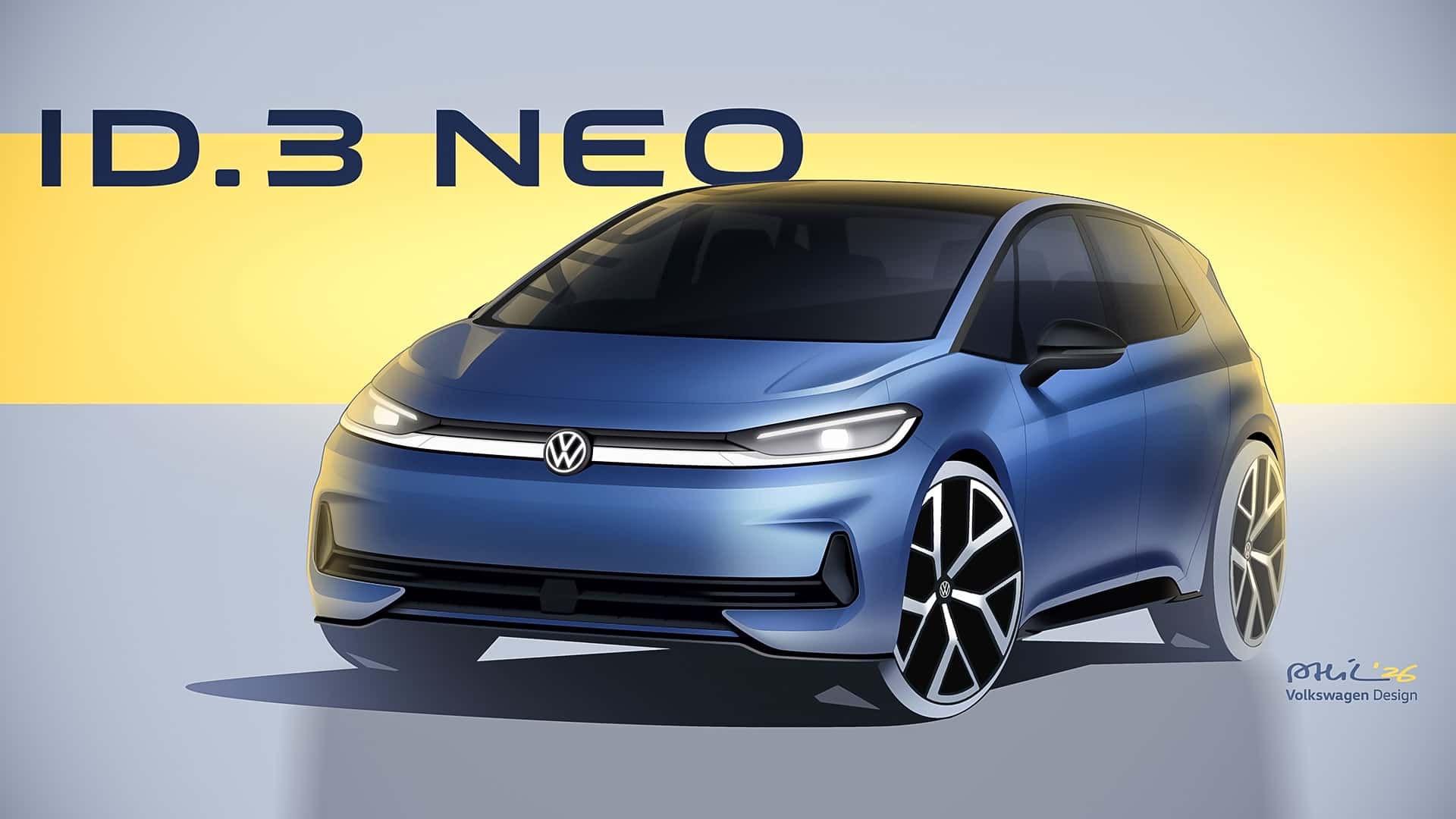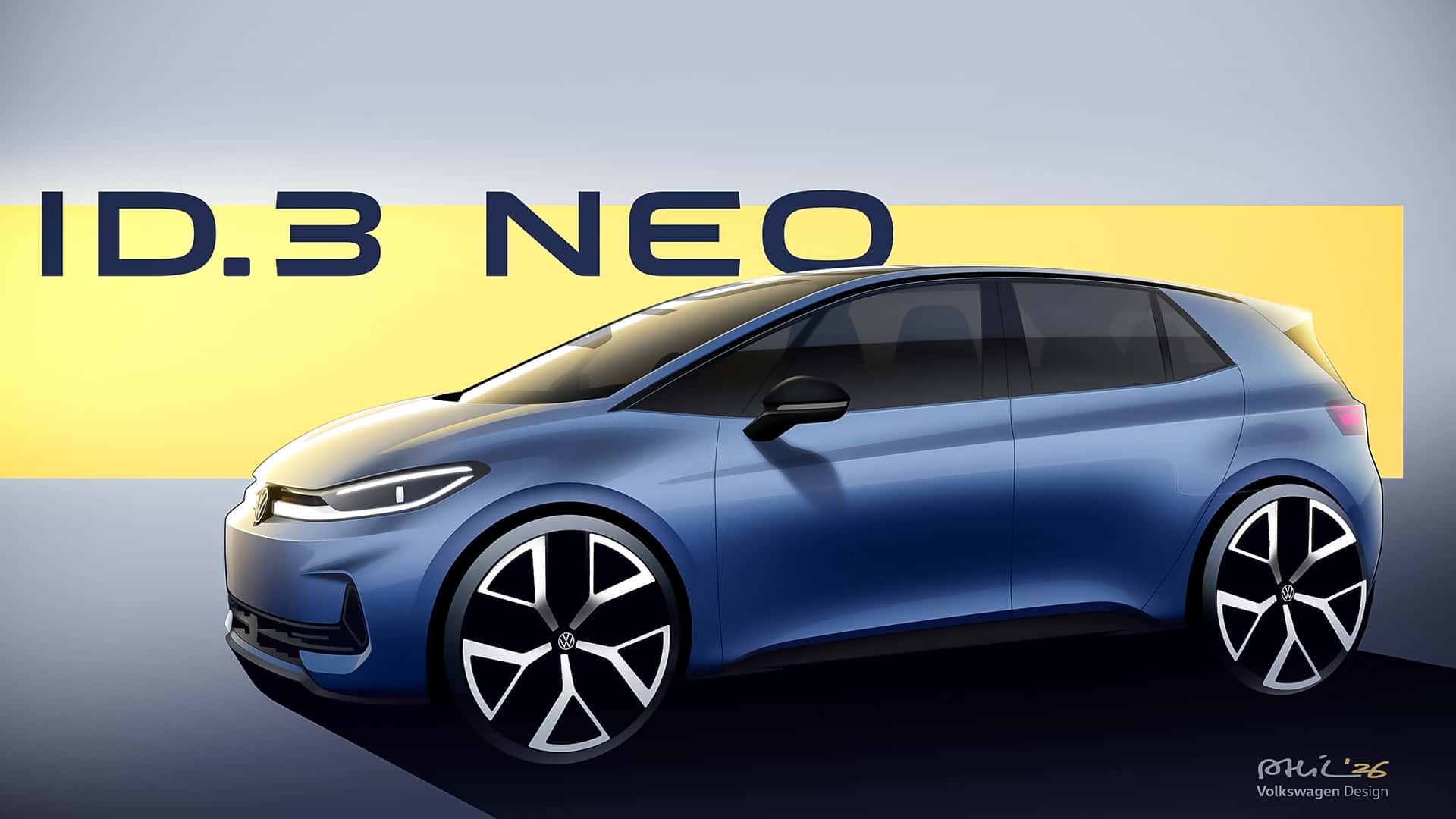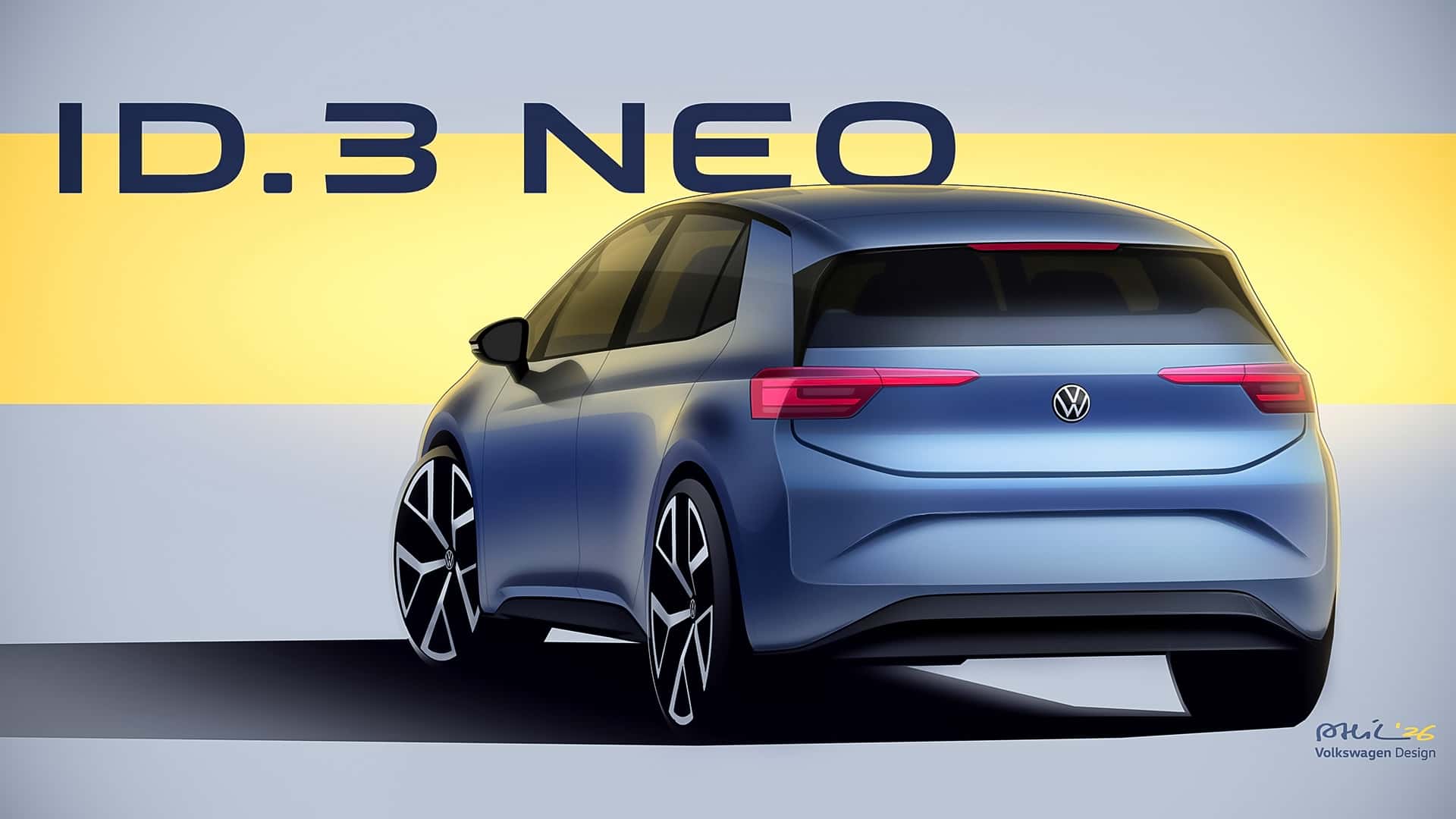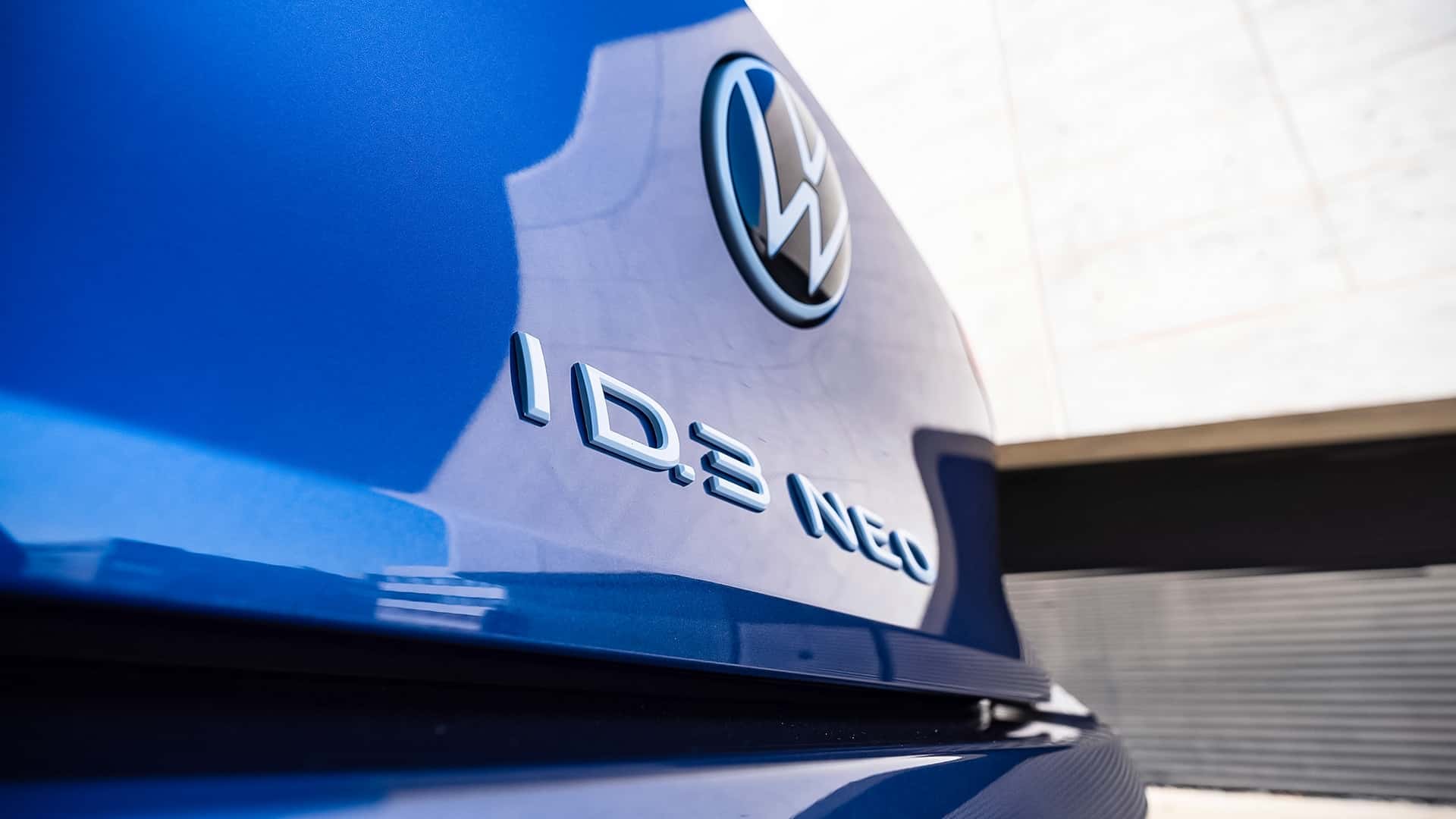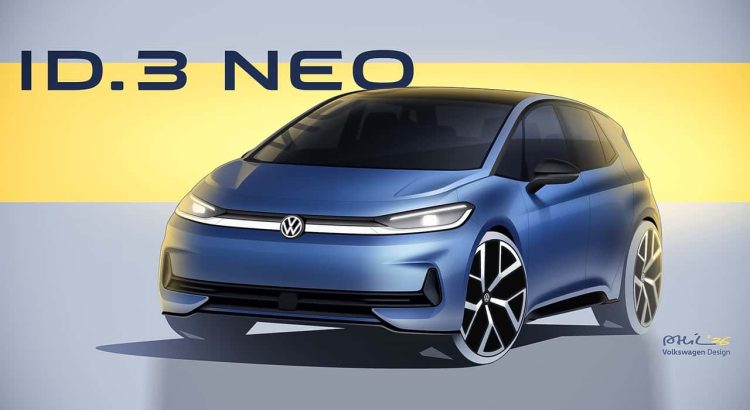
As the electric vehicle market continues to evolve, Volkswagen is making a bold move with a facelift of the ID.3, now rebranded as the ID.3 Neo, aimed at attracting customers seeking simplicity and innovation. This strategic shift, set for April 2026, comes with promises of significant improvements in both ergonomic and technological aspects.
A Facelift with Purpose
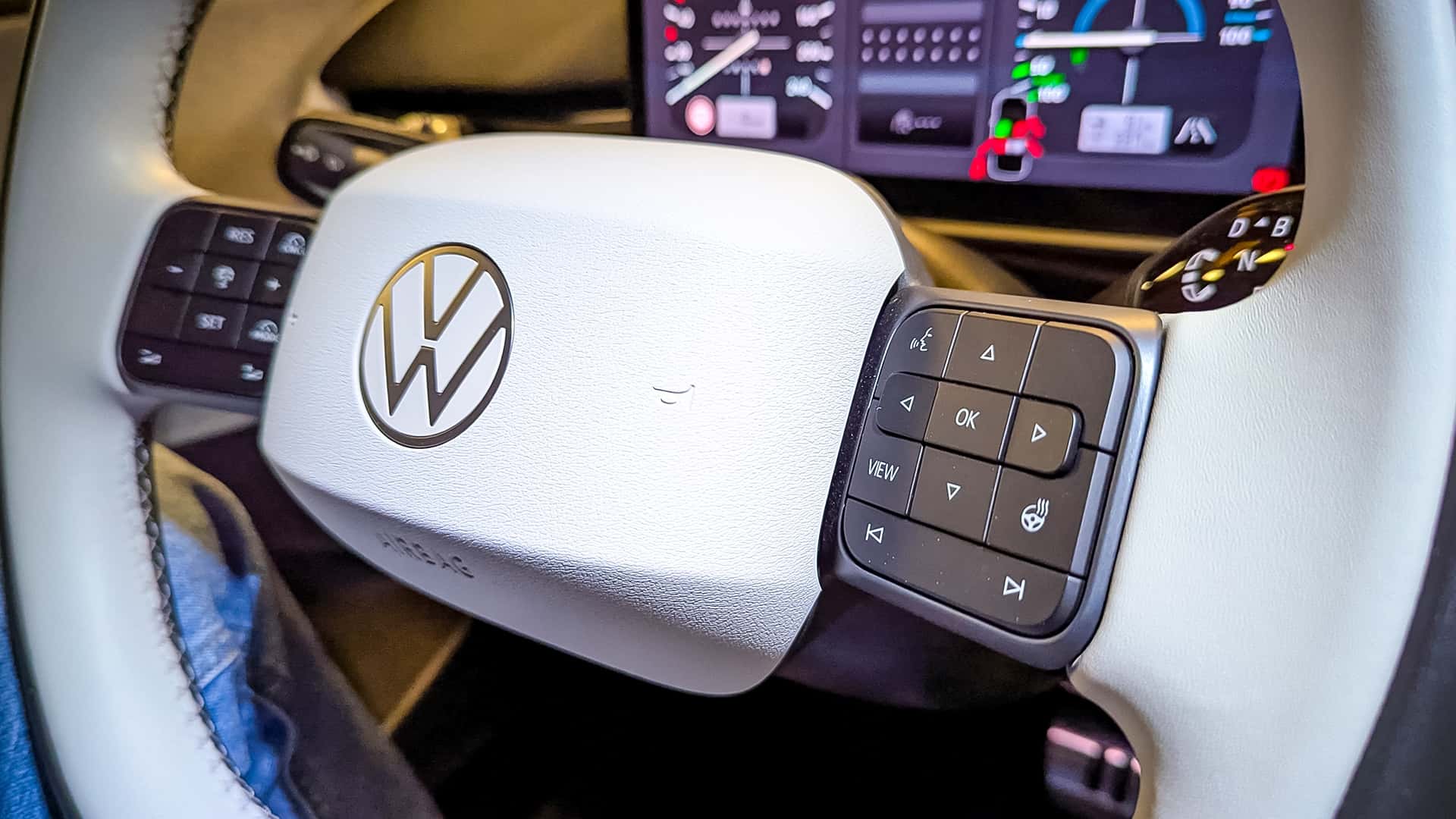
With the ID.3 Neo, Volkswagen is not settling for a mere aesthetic refresh. The German manufacturer is undergoing a genuine strategic turnaround by reintroducing design elements and features that were sidelined in previous iterations of the ID range. The return of physical buttons on the steering wheel, for instance, acknowledges the shortcomings of the fully touch-sensitive interface in earlier models. In short, Volkswagen seems to concede that ergonomics should not be sacrificed at the altar of modernity.
Integrated Technology: Enhancing User Experience
The new “Innovision” infotainment system promises to incorporate advanced features, such as an improved Travel Assist that can recognise traffic lights and adjust speed accordingly. This upgrade is no mere gimmick; it addresses a growing need for safety and comfort on the road. In practice, this could make daily driving less stressful while also contributing to more environmentally friendly driving behaviour through the One Pedal Driving feature.
Revised Powertrain for Better Efficiency
Technically, the ID.3 Neo does not do things by halves. The introduction of the APP 350 electric motor, which offers higher torque and reduced energy consumption, aligns with a quest for efficiency that may appeal to budget-conscious buyers. Coupled with a 58 kWh LFP (Lithium Iron Phosphate) high-voltage battery, this configuration could provide an increased range, a crucial factor in the choice of an electric vehicle. However, exact figures regarding this range are not yet available, leaving a degree of uncertainty that could deter potential customers.
Strategic Positioning Against Competitors
This facelift occurs in a context where competition in the electric vehicle sector is intensifying. Brands like Tesla, along with emerging players like Rivian and Polestar, are putting pressure on Volkswagen to stand out. By reintroducing the ID.3 under a new name, the manufacturer hopes to build on its image while demonstrating a willingness to meet consumer expectations. In summary, the ID.3 Neo could become a significant asset for Volkswagen in this fierce competition.
Towards a New Era of Connectivity
The optional digital key, allowing access to the vehicle via a smartphone or smartwatch, is another example of the shift towards enhanced connectivity. This choice is part of a broader trend where mobile technology becomes a natural extension of our daily lives. However, this innovation raises questions about the safety and reliability of keyless systems, an issue Volkswagen must address to reassure its customers.
Summary
- The ID.3 Neo marks a strategic turning point for Volkswagen.
- Improved ergonomics with the return of physical buttons.
- New technological features for a more intuitive driving experience.
- Optimised powertrain for enhanced energy efficiency.
- Strengthened positioning against growing competition.
In conclusion, the ID.3 Neo could herald a new era for Volkswagen in the electric vehicle segment. By reintegrating ergonomic elements and offering significant technological advancements, the German manufacturer is preparing for the challenges of a changing market. For future buyers, this development promises an enriched driving experience, but also raises questions about Volkswagen’s ability to deliver on its promises regarding range and performance.