


As Formula 1 embarks on a new technological era with ambitious regulations for 2026, Adrian Newey, the new architect of Aston Martin, reminds us that human intelligence remains irreplaceable. Through his reflections, he highlights the challenges and opportunities of a sport in transformation, where innovation must align with human creativity.
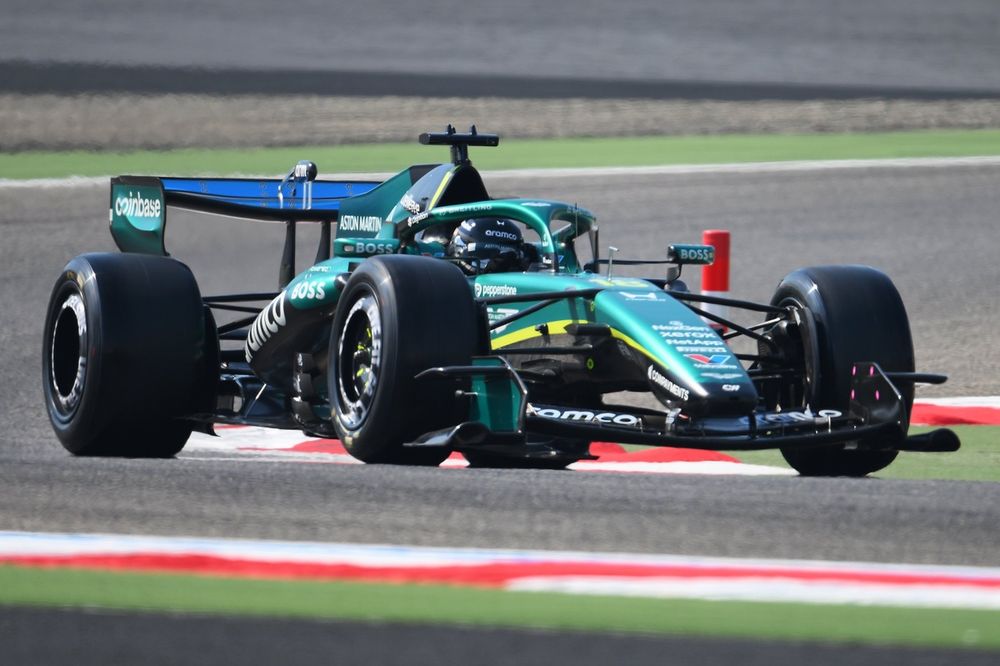
A Monumental Challenge for Aston Martin
Adrian Newey, a prominent figure in Formula 1, finds himself at the helm of Aston Martin at a critical juncture. The shift towards more electric engines and the integration of new technologies present a genuine puzzle for teams. Newey, with his unparalleled experience, knows he cannot go it alone. His role is to unite a team of 300 engineers around a shared vision. “We are in a period of transformation,” he states, emphasising the importance of collaboration in this process.
The Complexity of Modern F1 Cars
Contemporary single-seaters have become masterpieces of engineering, comprising nearly 15,000 parts. This figure illustrates not only the complexity of the cars but also the challenge of designing them in light of new regulations. “Every regulatory change is a gigantic design exercise,” explains Newey. The question then arises: how to integrate these new requirements while maintaining the DNA of performance?
AI: A Tool for Humanity
With the advent of artificial intelligence, some might think machines could replace human brains. However, Newey dismisses this notion: “Even with AI advancing as rapidly as it is, we are still a long way from that.” For him, AI is merely a tool to aid human ingenuity. The ability to conceptualise and react swiftly to challenges remains the key to success in F1.
A Pragmatic Approach to Change
Newey’s journey in the world of F1 has allowed him to observe the evolution of technologies and working methods. “These tools give us a much greater understanding and depth, but we still need the human element to generate ideas,” he insists. This pragmatic vision is crucial for Aston Martin, which must navigate a sea of regulatory changes while remaining competitive on the track.
An Uncertain Yet Promising Future
In the short term, Aston Martin’s future under Newey’s leadership appears to be a mix of hope and uncertainty. Performance on the track will depend on his ability to harmonise technological innovation with human expertise. “If we can achieve that by 2026, it will be the first box ticked,” he asserts. But with fierce competition, particularly from established brands like Ferrari and Mercedes, every mistake could prove costly.
In Summary
- Adrian Newey takes the reins at Aston Martin amid significant regulatory changes.
- The complexity of modern single-seaters necessitates close collaboration among engineers.
- Newey views AI as a tool, but not a substitute for human intelligence.
- Future success will depend on harmonising technological innovation with human know-how.
- Aston Martin faces intense competition as it navigates towards 2026.
This analysis is aimed at motorsport enthusiasts, engineers, and anyone interested in current technological challenges. Alternatives exist: other teams like Red Bull or Mercedes are also exploring these issues. Aston Martin’s strengths lie in its technical expertise and leadership, while its limitations include the need to adapt quickly to a constantly evolving environment.


