As Alpine approaches the end of its journey in the World Endurance Championship (WEC), the team is determined to give it their all with the A424 prototype. With Renault officially announcing the conclusion of the programme, the team, led by Philippe Sinault, promises to fight until the last lap, turning this final season into a true strategic and technical challenge.
A Prototype Fine-Tuned for a Final Chapter
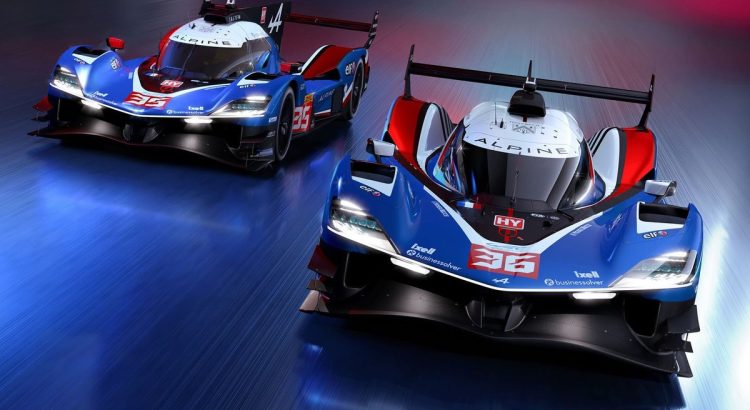
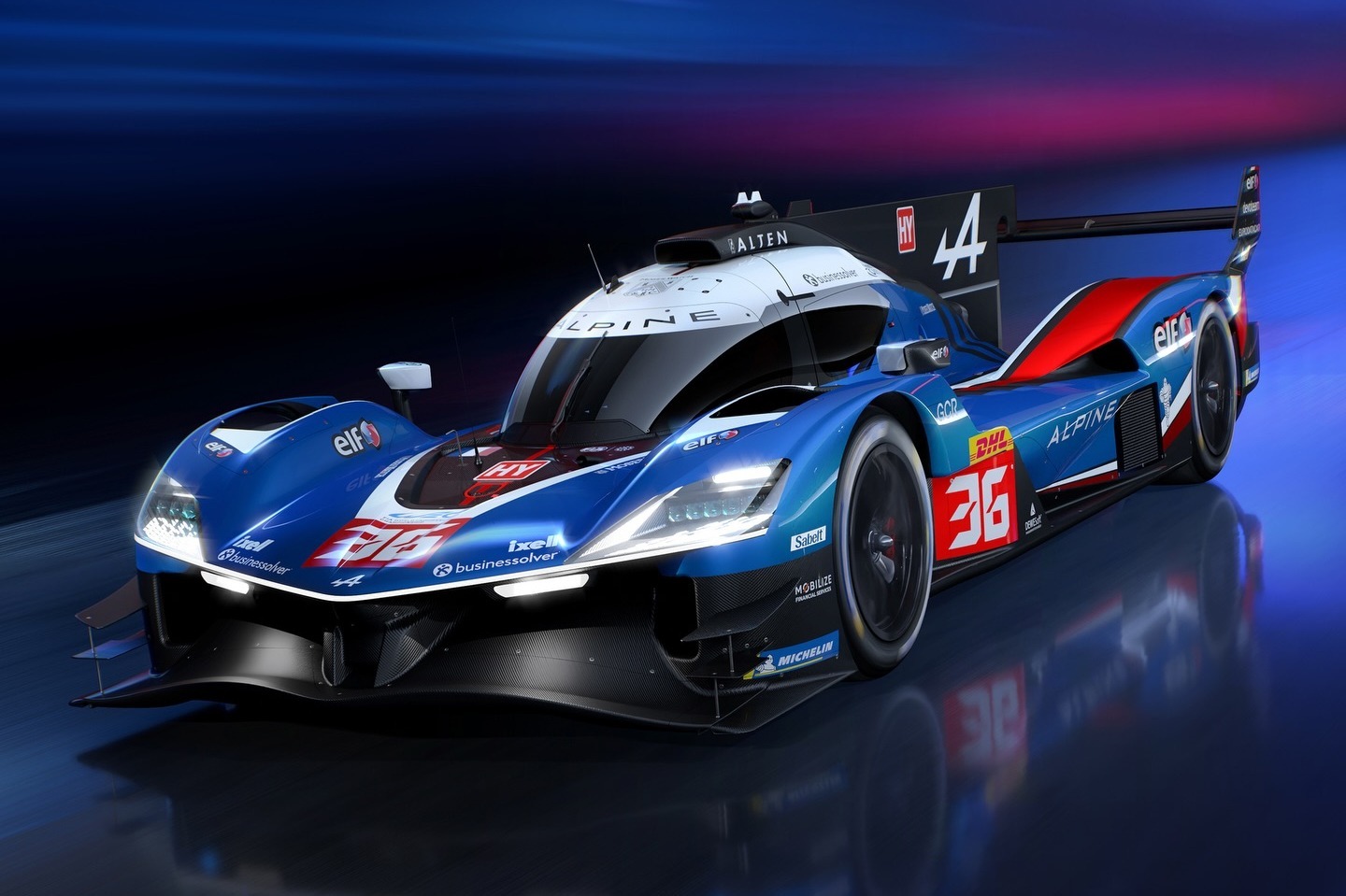
On Wednesday night in Paris, Alpine unveiled its A424 prototype with a tricolour livery that symbolises not only its heritage but also its determination to make an impact. In a context where the end of the programme is imminent, this presentation holds significant importance. It shows that the team is not resigning itself to a quiet exit but is choosing to make a noise on the international endurance stage.
Philippe Krief, CEO of Alpine, did not hide his intentions: “We are going to give it our all, we are going to push: the mechanics, the technicians, the engineers, the drivers, everyone is going to push to win races.” This strong commitment resonates as a declaration of war against the notion that the team might surrender to its impending departure. On the contrary, it stands as a bastion of innovation and performance.
Crucial Technical Evolutions
For this final season, Alpine has invested in significant technical evolutions. Team principal Philippe Sinault expressed his “pride” in the work done. The A424 prototype benefits from notable aerodynamic improvements, essential for competing in races like the 24 Hours of Le Mans. “The main areas of evolution for this car are aerodynamic,” he clarified. This focus on aerodynamics could translate into performance gains on track and potentially lead to those coveted podiums.
The challenge is even greater as Alpine must respond to ever-evolving regulations that require rapid adaptation. The team’s ability to innovate and react effectively is a crucial asset in a competitive environment like the WEC. These efforts could allow Alpine to position itself favourably against historic rivals like Toyota and Ferrari, who enjoy larger budgets and more experience.
A Strengthened Human Team
Beyond the technical aspects, Philippe Sinault also emphasises the importance of the human element in this venture. The composition of the crews committed to the WEC has been carefully considered to maximise the chances of success. “There is also a real pride because we have assembled the best possible line-up in the two cars,” he insists. This attention to driver selection illustrates a broader strategy aimed at bringing out the best in each team member.
The Alpine No. 35 will be driven by Charles Milesi, Ferdinand Habsburg, and António Félix da Costa, while No. 36 will feature Victor Martins, Frédéric Makowiecki, and Jules Gounon. This choice of drivers, combining experience and emerging talent, could play a decisive role in the quest for meaningful results in the final races.
Financial and Strategic Stakes
Renault’s decision to end the WEC programme raises questions about Alpine’s future. In fact, if this final season is characterised by notable performances, it could positively influence Alpine’s brand image and commercial strategy. A solid performance could also justify future investments in other racing categories or even in the development of high-performance electric vehicles.
However, the financial stakes are crucial. Endurance racing requires substantial budgets, and the end of the programme could mean a strategic rethink for Alpine. The team will need to navigate skillfully between seeking sponsors and managing its resources to maintain visibility and appeal in the market.
A Final Lap Before the Curtain Falls
As the Prologue begins at the end of March with the 1812 KM of Qatar in Losail, the Alpine team is preparing for one last battle on the world stage. The time for farewells is approaching, but they will be hoping for a few more exploits. Philippe Krief and Philippe Sinault seem determined to turn this ending into a glorious chapter, doing everything possible to shine in the final races.
This willingness to fight until the end could make Alpine an example of resilience in the world of motorsport. With a mix of technical innovation and human passion, the team appears ready to challenge the odds and leave a lasting mark on the world of endurance.
In Summary
- Alpine fights for a memorable final chapter in WEC.
- Significant technical evolutions have been implemented in the A424 prototype.
- The driver selection reflects a performance-oriented strategy.
- Financial and strategic stakes are at the centre of the team’s concerns.
- The end of the programme could redefine Alpine’s future in motorsport.