


Season 8 of Drive to Survive, Netflix’s flagship series, marks a turning point in the world of Formula 1 as the departure of Christian Horner, the iconic Red Bull team principal, leaves a difficult void to fill. This shift could influence the competitive dynamics and fan interest in the series.

A Format Struggling to Captivate
Drive to Survive has captivated a broad audience with its immersive storytelling and thrilling plots. However, Season 8 seems to suffer from a tired formula, reducing the number of episodes from ten to eight without a significant improvement in quality. The series continues to favor an individual narrative approach, but the storyline often feels disjointed.
The episodes focus on key moments from the 2025 season, yet these are frequently interrupted by digressions that dilute the intensity of rivalries. For instance, the subplot involving Carlos Sainz’s transition to Williams seems less relevant against the backdrop of crucial season stakes. The series, aimed at attracting new fans, risks alienating loyal enthusiasts who expect a more authentic immersion into the F1 world.
Christian Horner’s Departure: A Blow to the Narrative
The departure of Christian Horner, a prominent figure in F1 and Drive to Survive, is undoubtedly the most significant change this season. His exit, which occurred after the British Grand Prix, has left a narrative void that is palpable. Horner embodied the “villain” whose rivalry with other teams and drivers was central to the storylines. His absence creates a lack of dramatic intensity in the subsequent episodes.
As he himself pointed out, every story needs an antagonist. Without Horner, the tensions between teams feel less tangible. The dynamic between Red Bull and its rivals is weakened, which could make the season less engaging for viewers. Producers have attempted to compensate for this absence by highlighting other personalities, but this does not maintain the same level of engagement.
A Title Fight at McLaren: Misrepresented Stakes
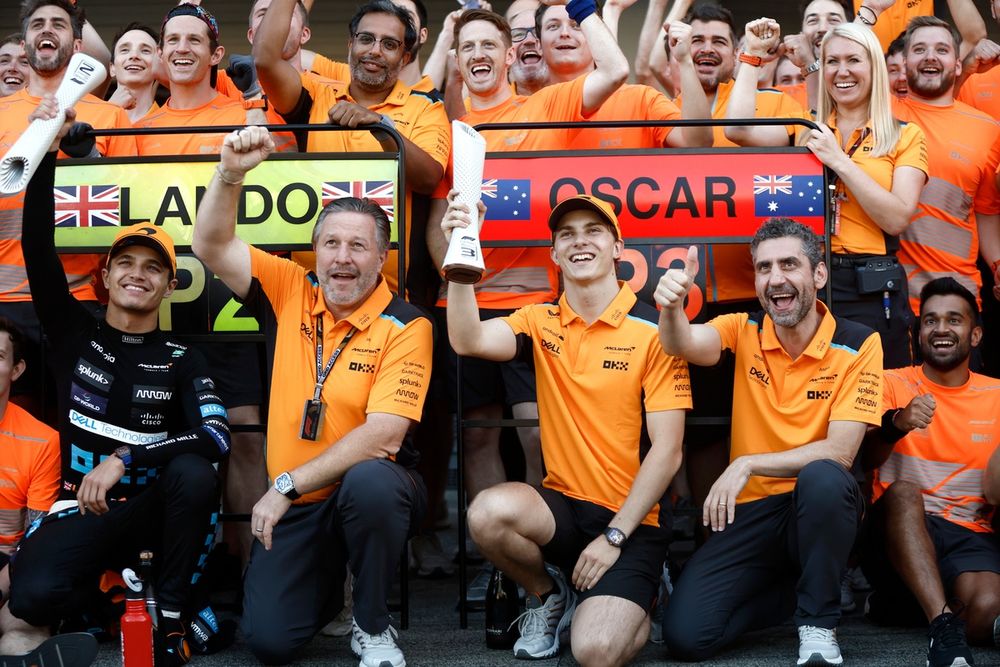
The rivalry between Lando Norris and Oscar Piastri at McLaren could have served as an interesting thread throughout the season. However, the way this struggle is portrayed in Drive to Survive leaves much to be desired. The episodes dedicated to McLaren lack depth and essential information about key moments in their season.
Crucial events, such as the position change at Monza or strategic errors in Las Vegas and Qatar, are glossed over. This sanitized approach fails to allow viewers to grasp the extent of internal tensions and rivalries within the team. By omitting these elements, the series misses an opportunity to delve deeper into the complex relationships between drivers and their team.
Drive to Survive: A Mixed Review
Season 8 of Drive to Survive fulfills its role of introducing newcomers to the F1 universe, but it seems to struggle to satisfy die-hard fans. The sometimes questionable narrative choices risk alienating an already established audience. The series continues to highlight iconic personalities, but without the conflicts that made it a success initially.
Paradoxically, as tensions ease within teams, general interest in the competition could also wane. If producers fail to recreate a palpable atmosphere of rivalry, the series could see a significant drop in viewership over the long term. F1 needs strong characters and notable rivalries to captivate its audience.
Uncertain Prospects for the Future
With Horner’s departure, Drive to Survive faces a major challenge: how to maintain viewer interest while evolving in a changing competitive landscape? The series must find a balance between the appeal of personal stories and the need for a more authentic representation of sporting rivalries.
Producers might consider exploring the behind-the-scenes decisions and dynamics between drivers and teams more deeply. By integrating more dramatic elements and showcasing charismatic characters, they could revitalize interest in the series. In the current context, where F1 is attracting new fans, it is crucial not to let this opportunity slip away.
In Summary
- The departure of Christian Horner weakens the intrigue of Season 8.
- The title fight at McLaren is misrepresented.
- Drive to Survive struggles to captivate die-hard fans despite immersive storytelling.
- Producers must find a balance between personal narratives and authentic rivalries.
- The future of the series depends on its ability to adapt to audience expectations.


