In the fast-paced world of motorsports, artificial intelligence is making a strong entrance, but can it really replace the discerning eye of a rider or an engineer? Ducati, in partnership with Lenovo, seems to believe that technology can enhance performance without overshadowing human talent. Between innovation and intuition, the challenge is set.
A Technological Tool for Performance
Artificial intelligence has conquered many sectors, but its adoption in motorsports remains timid. However, Ducati seems to be at the forefront of this technological revolution. The Italian brand, true to its competitive spirit, unveiled an artificial intelligence tool called Ducati Lenovo Racing Intelligence during the presentation of the Ducati GP26. This voice assistant, which may bring a smile, is not just appealing due to its futuristic aspect; it represents a major advancement in data processing on the track.
In collaboration with Lenovo, its main sponsor, Ducati has developed a system that allows for faster and more efficient analysis of its motorcycles’ performance. But is this technology merely a marketing argument or a real advancement in the development of machines?
During this presentation, the AI took the floor to explain its role: “Every lap, every practice session, and every race feeds a continuous learning process.” Thanks to this technology, engineers can sift through vast amounts of historical data to extract trends invisible to the naked eye. Past seasons thus become a goldmine of actionable information for future development.
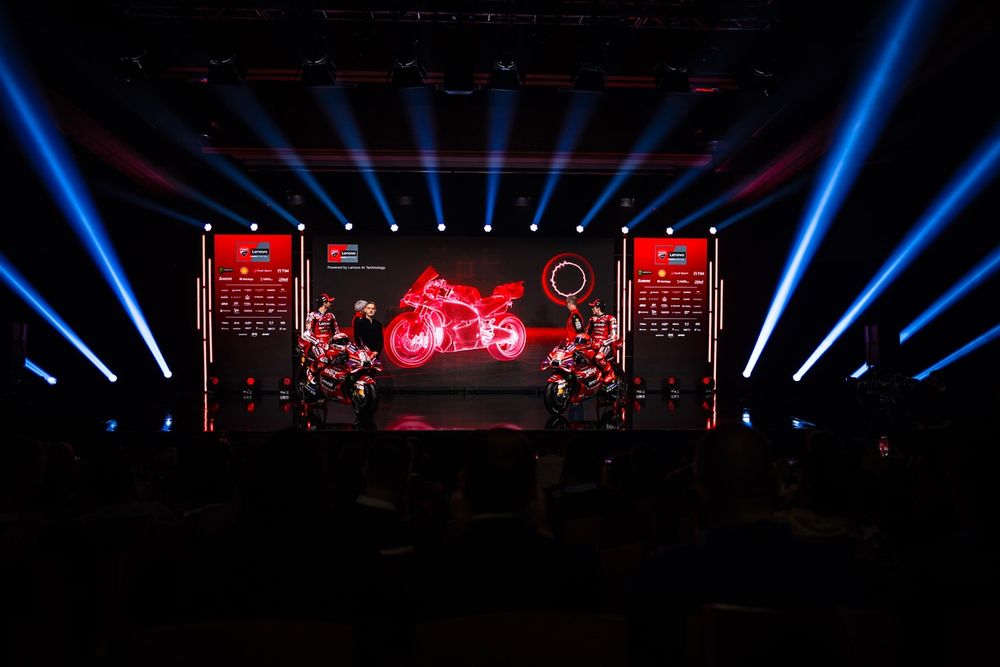
Ducati staged a dialogue with its artificial intelligence.
An Uninterrupted Learning Loop
Ducati emphasizes a “faster and deeper understanding of what has worked, what hasn’t, and why.” The idea is to create a “continuous learning loop” that not only evolves the motorcycles but also prepares for race weekends. By relying on this technology, the technical team can anticipate the needs for adjustments and strategies.
Imagine a chef who, instead of tasting each dish, analyzes thousands of recipes to determine the best combination of ingredients. This is exactly what AI does for Ducati, allowing for the simulation of thousands of scenarios before they even occur on the track. “Predictions influence everything from settings to motorcycle performance, to strategy and decisions made on the spot,” explains the tool.
In a sport where every millisecond counts, this analytical capability allows engineers to react quickly to changing race conditions. Ultimately, preparation becomes synonymous with precision. Winning is not just about quick reactions, but being ready even before the event occurs.
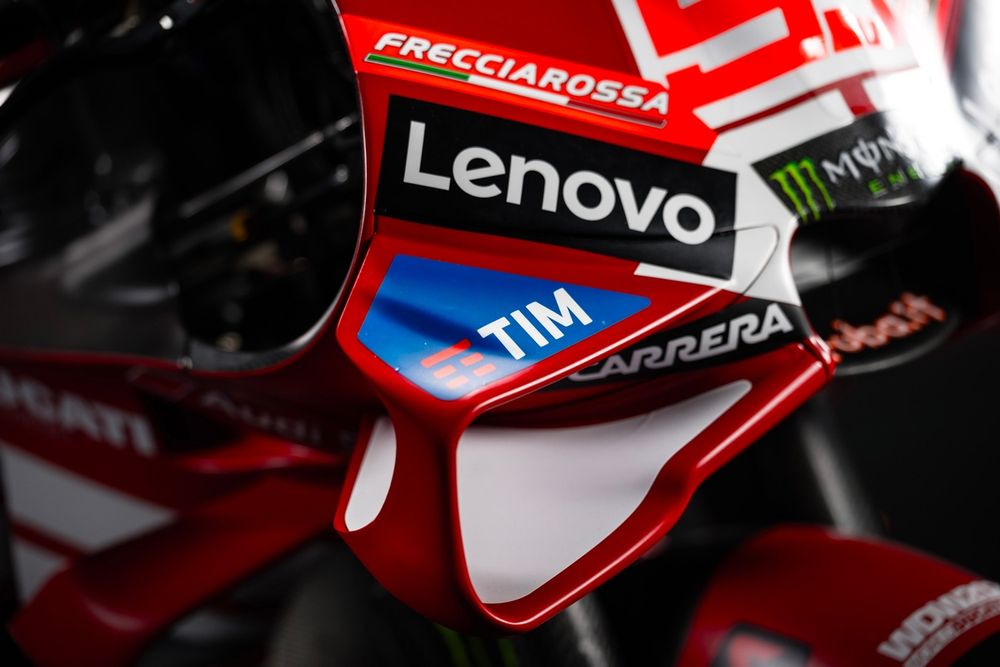
The Ducati GP26 was developed using AI.
Humans at the Heart of Decision-Making
However, this rise of AI raises an essential question: what place is there for humans in all this? Ducati and Lenovo stress that artificial intelligence does not seek to replace the expertise of engineers. “Human expertise and AI work hand in hand,” assures the voice assistant, while specifying that engineers benefit from the “computing power necessary to quickly process complex analyses.”
Marc Márquez, the famous Spanish rider, highlights the importance of combining technology and human instinct. “It’s the future. We cannot fight against the near future. If we have the tools, we must use them. But in the end, the final decision will be human. That’s the most important thing.” This statement reflects a vision where innovation must serve humanity and not replace it.

Marc Márquez
Toward a Harmonious Collaboration
Pecco Bagnaia, another talent from MotoGP, shares a similar view. He acknowledges that AI could become a valuable asset for analyzing data during a race weekend. According to him, “In terms of electronics, we are very advanced with this new AI system. It will help us discover things more easily.” However, he insists that the sensations felt on the track are paramount. “Our feedback is more important. The team is always by our side, and maybe AI will just add small details.”
This dynamic between technology and human feeling perfectly illustrates the evolution of MotoGP. Riders do not reject technological advancements; on the contrary, they embrace them while maintaining an inseparable link with their personal experience on the bike.
A Double-Edged Revolution
Ultimately, the question remains: how far will this collaboration between artificial intelligence and human expertise go? While AI offers endless possibilities to optimize performance and race strategies, it must not overshadow the fact that MotoGP is primarily a sport driven by passionate men and women. Ducati and Lenovo demonstrate that it is possible to combine tradition and modernity, but this alliance must always leave a primary place for intuition and talent.