As the Middle East ignites, Formula 1 drivers find themselves in a delicate position. The holding of the Bahrain and Saudi Arabian Grands Prix is now subject to the decisions of the FIA and F1, in a volatile geopolitical context. The confidence displayed by the drivers conceals a more complex reality, that of an automotive industry facing much broader challenges.
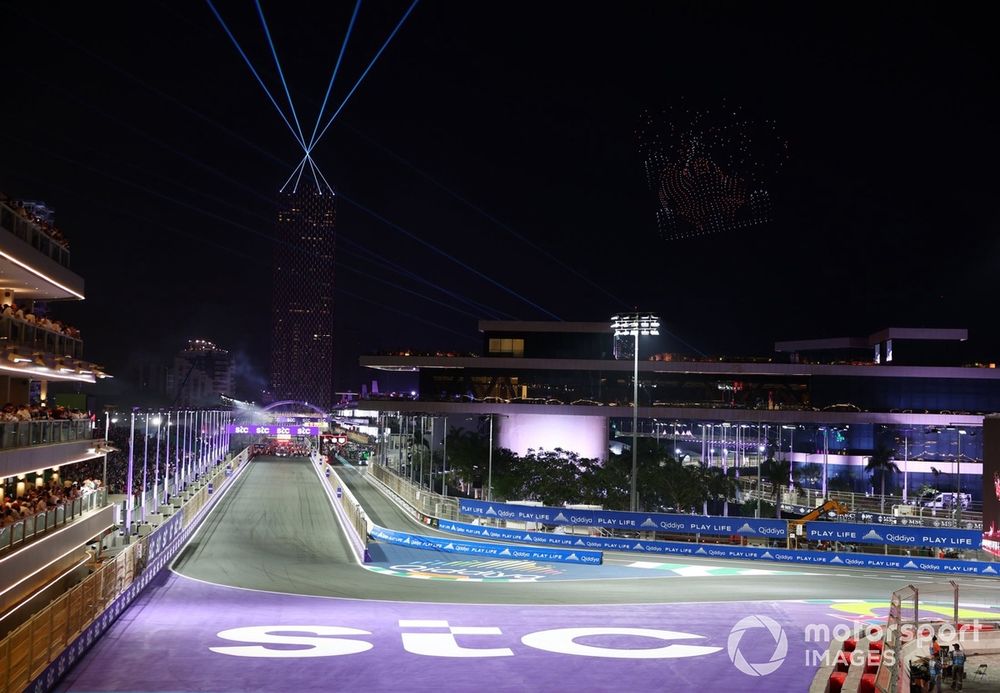
An Explosive Situation
The conflict in the Middle East has taken an alarming turn with recent American and Israeli strikes on Iran, which have led to reprisals from the Islamic Republic. Tensions have escalated, affecting host countries of sporting events, such as Bahrain and Saudi Arabia. These events have led to the closure of airspace in these regions, jeopardising not only the safety of the drivers but also the organisation of the Grands Prix. The planned tyre tests in Bahrain have been cancelled, and several team members have had to delay their arrival in Melbourne. In short, the already tight F1 calendar is now in disarray.
The Response of Governing Bodies
In the face of this crisis, the FIA and F1 must make informed decisions. The drivers, represented by George Russell and Carlos Sainz, display cautious confidence in the sport’s leaders. They believe that the latter possess the necessary information to assess the situation. However, this confidence raises questions about the management of safety in a context where threats are palpable. F1 must navigate between the need to preserve its image and the necessity of ensuring the safety of its participants. In clear terms, it is not just a matter of whether the races will take place, but under what conditions they will occur.
An Impact on the Calendar and the Economy
Delays and cancellations do not only affect the drivers. The economic impact extends to the entire motorsport industry. Teams invest millions in preparing for each season, and a cancellation or postponement of a race can lead to considerable financial losses. The current situation could also influence the choice of venues for future Grands Prix, as the FIA will have to weigh the pros and cons of each decision. Nevertheless, this uncertainty could lead some sponsors to reconsider their commitments, which would have consequences for team financing.
Political Pressure in the Background
F1 operates in an environment where politics and sport often intertwine. Gulf countries are investing heavily in motorsport to enhance their international image. However, this investment is now being questioned by the rise of geopolitical tensions. The return on investment for these nations could be compromised if F1 fails to manage the current crisis effectively. Indeed, maintaining the race calendar while respecting security issues will be a real challenge for the FIA.
A Fragile Confidence
The statements from the drivers reflect a fragile confidence in the governing bodies. While Russell and Sainz assert that F1 and the FIA are better placed to make decisions, this should not overshadow the underlying concerns. The drivers are aware that their safety is at stake, and even as the situation evolves, they cannot ignore the potential risks associated with racing in such an unstable region. This also raises questions about the future of F1 in these countries, especially if the situation persists.
The Role of the Automotive Community
The automotive community as a whole must also position itself in response to this crisis. The stakes go beyond the mere sporting framework; they touch on issues of social responsibility and sustainable development. Major manufacturers must reflect on their involvement in a sport that could be perceived as indifferent to geopolitical realities. This crisis could prompt industry stakeholders to adopt a more ethical and responsible approach, both environmentally and socially.
In Summary
- Tensions in the Middle East disrupt the F1 calendar.
- The FIA and F1 must navigate between safety and image.
- Delays can lead to financial losses for teams.
- The drivers’ confidence in the authorities is fragile.
- The crisis raises ethical questions for the automotive industry.
In conclusion, the current situation highlights the challenges faced by F1 in a world where sport and politics are inextricably linked. For the drivers, this crisis is a reminder that their profession carries risks far beyond the track. In the medium term, it will be crucial to observe how the FIA and the teams react to navigate through this storm. The way this crisis is managed could redefine not only the race calendar but also the very image of motorsport in a complex international context.