Following a meeting that promised to bring clarifications, Formula 1 is facing a stalemate that leaves a hint of controversy. As Mercedes and Red Bull prepare to start the 2026 season with engines benefiting from innovative metallurgical treatment, the question of compression ratio raises more questions than it answers.
A Stalemate That Disturbs
Ultimately, nothing changes: the stalemate will be maintained for the start of the 2026 F1 season. Mercedes and Red Bull Powertrains will be able to race with engines whose ingenious metallurgical process seems to allow for an increase in the internal combustion engine’s compression ratio beyond the limit of 16:1. This situation is sure to create ripples on the starting grid.
The Controversy Rises
This question, burning even before being made public in December, has sparked keen interest. As part of a natural process of poaching personnel from competitors, rumors have emerged that two teams have found a way to circumvent the intent of this provision of the 2026 engine regulations. Indeed, the text stipulates that the compression ratio of 16:1 — lower than the previous maximum value of 18:1 until 2025 — will be controlled using measurements taken when the engines are “at ambient temperature,” meaning “cold.”
The FIA’s Defense
Despite the FIA’s attempts to extinguish the controversy before the start of the season, sources report that the representatives present at the meeting defended the technical choices contained in the new regulations. Indeed, the question of exploiting this legal loophole and potential means of altering how the compression ratio is measured was placed at the top of the agenda. The idea of adding a sensor in the combustion chamber, allowing the FIA to collect data even when the engine is “hot,” did not receive the unanimous support that was expected.
A Contested Advantage
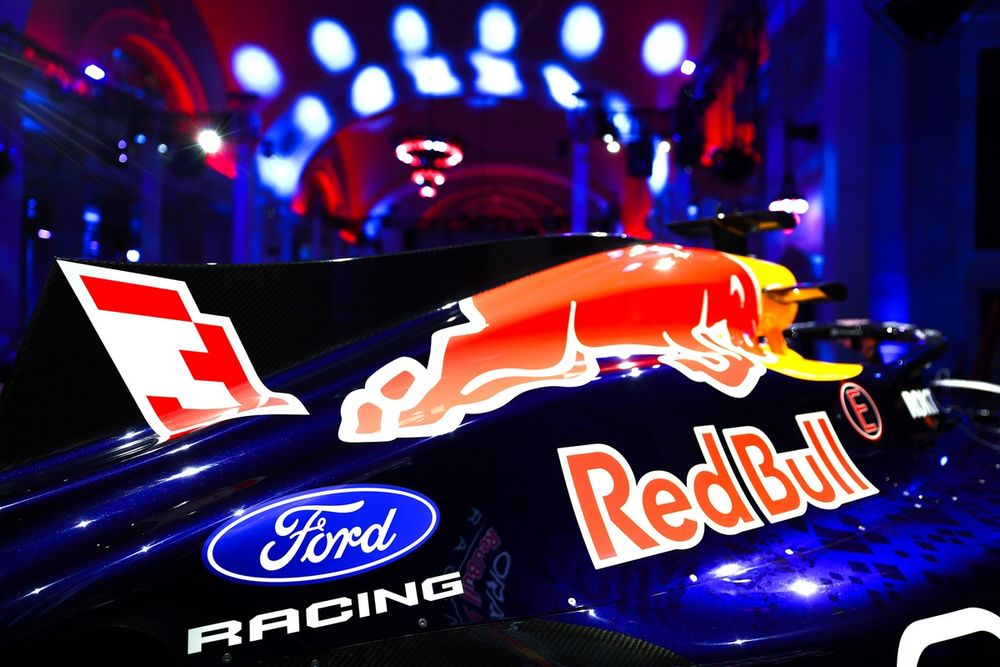
The Mercedes and Red Bull Ford engines are likely to create controversy from the very first laps. It seems that Ferrari, Honda, and Audi have vehemently complained about the effects of the legal loophole identified by the two dominant teams. However, it is too late to modify engines that were homologated several months ago. Any performance advantage, estimated at around 10 horsepower — potentially two tenths of a second per lap — will therefore remain unchanged until 2027.
An Uncertain Future
Mattia Binotto, head of Audi‘s F1 program, hoped that this meeting of engine manufacturers would establish guidelines for the future. Unfortunately, everything has remained at a standstill. The palpable tensions surrounding this issue could well lead to official complaints, fanning the flames from the very first Grand Prix. This is not the first case of this kind to emerge in the recent history of Formula 1, and it seems that other pending issues could also contribute to tainting the start of a much-anticipated new regulatory cycle.