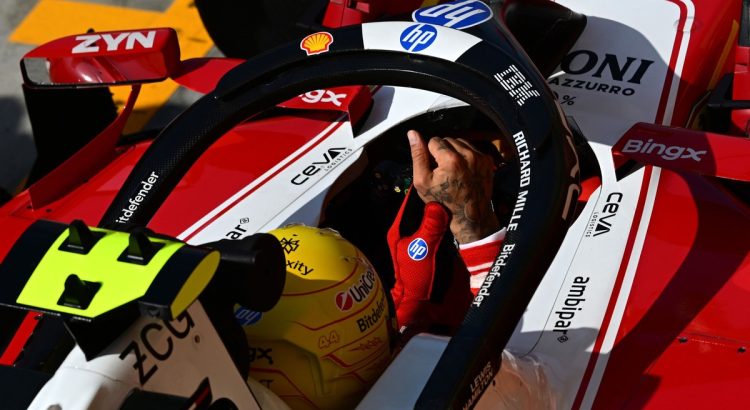
The Bahrain tests have highlighted a real headache for Formula 1 teams, namely the increasing complexity of starts. With the new power units, it is no longer enough to rev the engine at high RPMs: now, teams must juggle duration and precision to ensure an optimal launch. Concerns are rising, and discussions on this topic promise to be lively during the upcoming F1 Commission.
A High-Stakes Start Procedure
The 2023 season promises to be thrilling but also delicate. Teams have recently expressed their concerns about the start procedure, which is now more complex to manage. With the abandonment of the MGU-H, which previously helped the turbo reach the necessary pressure for a good launch quickly, everything now relies on the internal combustion engine. This engine must not only run at much higher RPMs but also do so for longer. In other words, every second counts.
During the tests in Bahrain, some drivers were seen waiting up to ten seconds before releasing the brakes, a necessity to ensure that the turbo reaches its optimal parameters. This behavior may seem exaggerated, but it underscores the importance of refining procedures. Engineers are racking their brains to determine how to maximize engine RPM while ensuring an effective clutch release without excessive wheel spin. A complex dance that could turn disastrous if executed poorly.
Toward Stratospheric RPMs
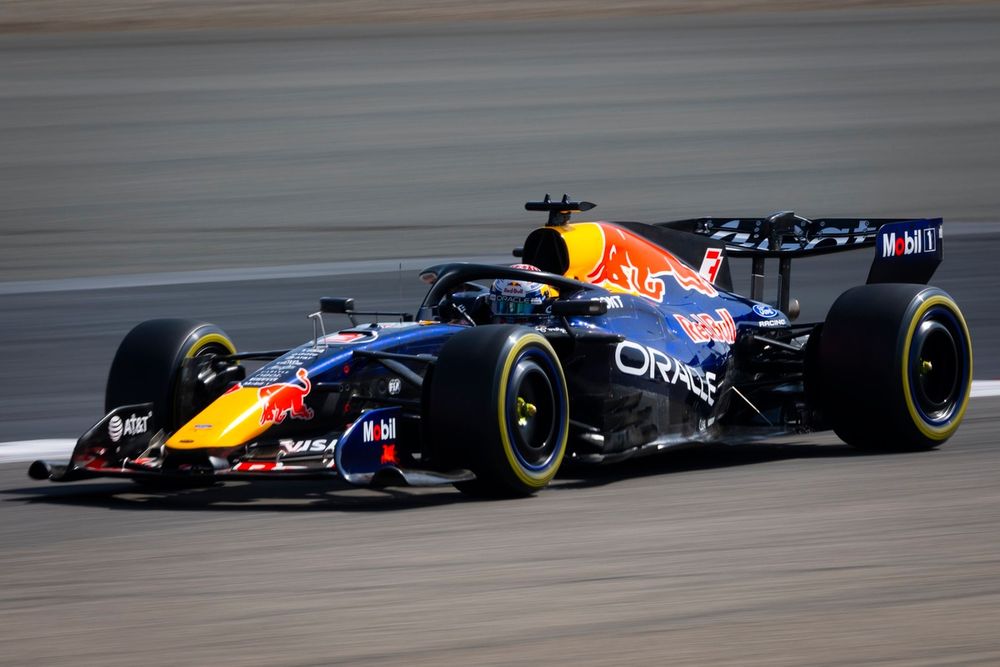
Max Verstappen (Red Bull)
The start tests in Bahrain revealed RPM peaks exceeding 13,000 RPM. Yes, you read that right, 13,000 RPM! This is a true technical feat, especially considering that engines of the past only approached these values under full load. Back then, thanks to the MGU-H, RPMs were often kept between 9,000 and 10,000 RPM, making start management much less delicate.
Teams are even considering introducing a predefined interval before the start procedure to allow each driver to prepare properly. This type of rule was almost superfluous before, as managing the MGU-H allowed for quick and efficient starts. Now, every detail matters to avoid a false start that could cost dearly in positions.
The Fear of the “Recipe for Disaster”

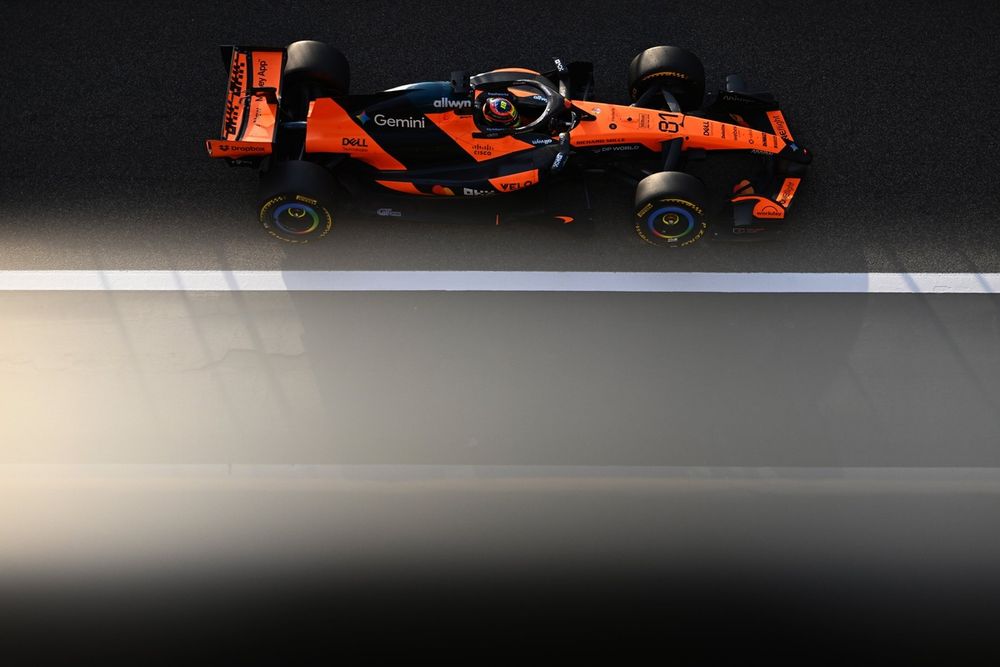
Oscar Piastri (McLaren)
For some drivers like Oscar Piastri, this situation could lead to a true “recipe for disaster.” Last year, a good start hinged on a few hundredths of a second. This year, with the new constraints, turbo management could lead to perilous situations where a stall could cost several positions in the blink of an eye.
George Russell, a driver for Mercedes, shares this concern. Although he meticulously follows his start procedure, he knows that in a race, he must be reactive and not wait for the turbo to be in the ideal window at the crucial moment. The pressure is palpable, and each team is preparing to face this new reality.
Differences Beyond Starts
George Russell (Mercedes)
The change is not limited to the start procedure. This year, gearbox ratios will also evolve. Teams must now opt for shorter ratios in corners to recharge the batteries and reduce turbo lag, even if it means consuming more fuel. Each engine manufacturer is adopting a different strategy, making the competition even more intense.
It has been reported that Ferrari may use a smaller turbo than its competitors. Such a strategy could give them an advantage at the start by allowing for better entry timing into the operating window. However, the tests in Bahrain showed that each team continues to refine its strategy to find the perfect balance between performance and reliability.
While Red Bull seems to be opting for an aggressive approach with shorter ratios, Ferrari is adopting a more conservative strategy. George Russell observes that this diversity of choices among engine manufacturers could make a difference on the starting grid.
A Season Promising to be Eventful

This season of Formula 1 promises to be full of twists and turns. The changes made to the power units and start procedures could completely transform the competitive landscape. Each team will have to navigate these murky waters with agility and precision to hope to gain an advantage over its rivals.
The challenge is on: who will master this new recipe while avoiding disaster? The first races may give us clues about which team will adapt best to these new constraints. In the meantime, there is no doubt that the spectacle will be there.