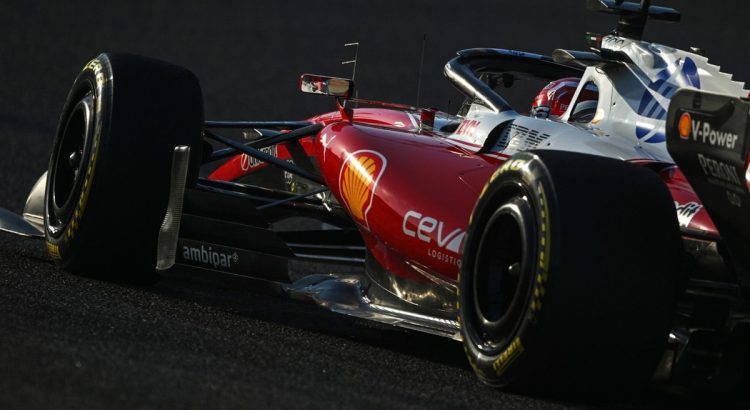
The Scuderia Ferrari made a strong impression during the pre-season tests in Bahrain, but behind the flattering times lies a more nuanced reality. Frédéric Vasseur, the team principal, calls for caution, emphasising that the true competition will take place in the realm of development. This balance between hope and caution is crucial for a season marked by significant regulatory changes.
Ferrari in the lead, but with reservations
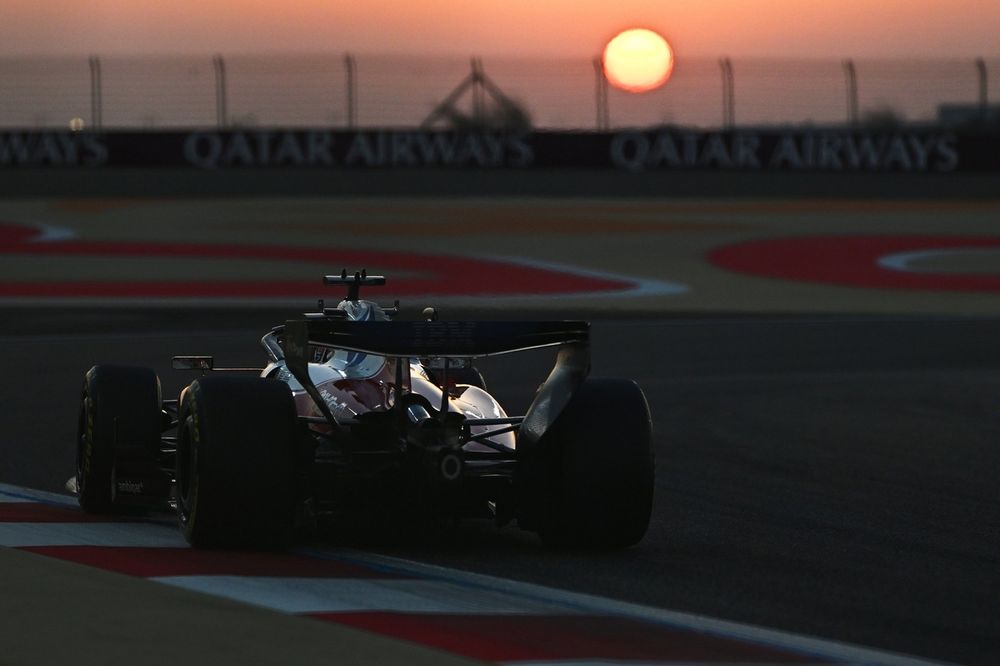
The Bahrain tests put Ferrari in the spotlight, with Charles Leclerc recording the best time at 1’31″992, a time that thrilled the hearts of tifosi. However, Frédéric Vasseur quickly tempered the enthusiasm, insisting that the performances displayed during these tests do not necessarily reflect the reality of the upcoming races. Indeed, each team follows a specific running programme, making comparisons delicate.
With 6081 km covered in nine days, Ferrari demonstrated a commendable consistency, ranking third in total mileage behind Mercedes and Haas. This volume of running is a positive indicator of reliability for the SF-26, a crucial aspect at the dawn of a season where every point counts. Yet, for Vasseur, the real challenge lies in the quantity of information collected, far more than in raw performance.
Caution at the heart of the strategy
Vasseur highlighted that the tests should be taken with a pinch of salt. “We must relativise the importance of testing,” he stated. Indeed, testing conditions, such as the fuel level used or engine modes, vary greatly from one team to another. Leclerc, for example, achieved his best time on C4 tyres, a compound that few competitors have used at this stage. This situation highlights the fact that the results from Bahrain are not necessarily representative of performance in Melbourne.
For Ferrari, the main objective was to accumulate mileage and data. “This is crucial because we do very little testing throughout the year,” Vasseur insisted. This strategy aims to ensure a solid technical foundation before the start of the season, allowing the team to better understand their car and optimise their settings.
Development as the key to success
Beyond the displayed performances, the 2026 season will be determined by the teams’ capacity for innovation and adaptation. Vasseur pointed out that the cars presented in Bahrain are only initial versions, and the real challenge will be in development. “The goal for the season will be to develop and to develop quickly,” he asserted, emphasising the importance of reacting swiftly to regulatory changes and competitors’ performances.
This dynamic highlights a paradigm shift in modern Formula 1: performance is no longer measured solely during qualifying or races, but also in the ability to rapidly introduce technical improvements. Teams that can anticipate and adapt will have a decisive advantage in the fight for the title.
A formidable competition
Ferrari will not be alone on this challenging path. Teams like Red Bull and Mercedes, known for their development expertise, represent a constant threat. Vasseur also mentioned that Scuderia must not underestimate its rivals: “We will try to win the Australian Grand Prix, but I think no more and no less than McLaren, no more and no less than Red Bull, no more and no less than Mercedes.” This statement underscores the heightened competitiveness of the 2026 grid.
Indeed, the results from the Bahrain tests are often misleading. Two years ago, it was Toro Rosso that dominated the tests, without shining in the races. This reality reminds teams that it is crucial to keep their feet on the ground and remain focused on their own performances rather than getting carried away by temporary results.
A look to the future
The coming weeks will be decisive for Ferrari and its technical team. The focus will be on the rapid implementation of improvements identified during the tests. Engineers will need to work closely to refine the SF-26 and maximise its potential before the first Grand Prix of the season in Melbourne. This will require effective management of budget and resources, especially in a context where financial pressure is increasing for all teams.
In short, the path to success will be paved with technical innovations and perfect execution on the track. Teams will also need to navigate skillfully between budget constraints and the rapid evolution of technologies to remain competitive. For Ferrari, the challenge is twofold: to shine on the track while ensuring a solid long-term development strategy.
In summary
- Ferrari finished the Bahrain tests with the best time, but caution is warranted.
- The accumulated mileage indicates good reliability of the SF-26.
- Development will be key to success in 2026 against formidable competition.
- Test results do not always reflect the reality of the races.
- Effective resource management will be crucial for teams this season.