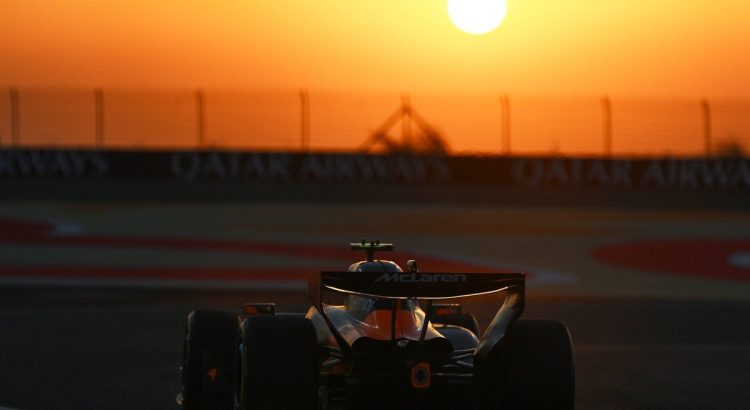
The geopolitical tension in the Middle East has unexpected repercussions on the world of Formula 1. As preparations for the Bahrain and Saudi Arabian Grands Prix are threatened, the question arises: how will F1, with its already packed calendar, navigate this diplomatic storm?
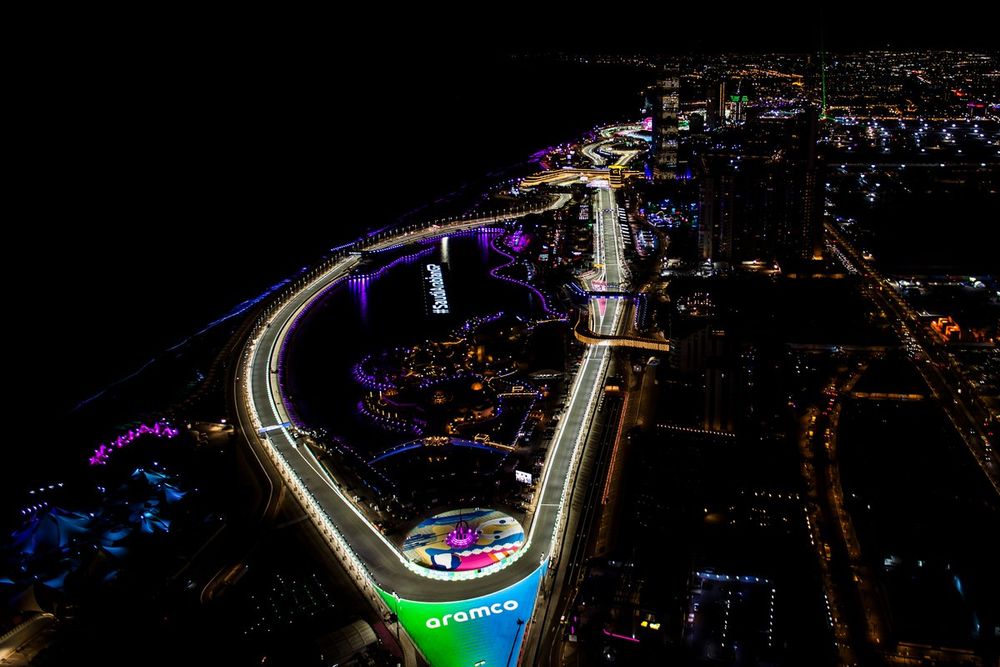
A Chaotic Paddock: The Immediate Impact of the Conflict
Last Wednesday in Melbourne, the paddock of the Formula 1 resembled more of a construction site than a preparation area for high-level races. Delays and flight cancellations due to the American-Israeli military intervention against Iran disrupted the arrival of team members, leaving the garages nearly empty. This logistical chaos led to the suspension of the usual curfew, turning the pit lane into a veritable mess until late at night.
For teams like McLaren and Mercedes, the journey to Australia has been a true obstacle course. Forced to circumvent the closed airspace around the Gulf, they had to opt for unconventional solutions, taking land routes and making multiple stops. In short, the current situation highlights the sport’s vulnerability to geopolitical crises, a stark reminder that Formula 1 is not just about speed and technology, but also a complex game of logistics and security.
Towards Inevitable Cancellation?
As the situation evolves, rumours of cancellations for the Bahrain and Saudi Arabian Grands Prix are multiplying. F1 and the FIA claim to be waiting to see how events unfold, but behind the scenes, contingency plans are already in motion. Sources indicate that the Bahrain Grand Prix is unlikely, and moving the Jeddah round also seems compromised by complex logistical considerations.
What is at stake is much more than just a sporting event. The uncertainty regarding the holding of the races could have significant economic consequences for the teams, which rely on the revenue generated by these events. Nevertheless, F1 has already proven it can adapt, but this time, the challenge is considerable: how to maintain a calendar of 24 Grands Prix without compromising the safety of participants?
Teams Confronting Economic Reality
For the teams, the threat of cancellations is not just a simple calendar issue. The teams are aware that each race represents a significant portion of their commercial revenue. Discussions about the possibility of replacing cancelled Grands Prix are often driven by financial concerns rather than sporting imperatives. As Zak Brown, the head of McLaren, points out, safety must come first, but the economic impact is inevitable.
Indeed, even if F1 has surpassed the minimum number of events to honour its broadcasting contracts, the lack of flexibility in replacing races could create a financial void for the teams. The question then arises: how will they adjust to this new reality?
A Long-Term Strategy Put to the Test
The decisions made in the coming days and weeks will have long-term repercussions on the strategy of the teams and F1 itself. If the Grands Prix must be cancelled or postponed, it could force F1 to reconsider its race location strategy. European circuits could be considered, but the logistics of such a decision would be complex. Teams must not only sell tickets but also organise VIP events that generate crucial revenue.
The rumours surrounding Imola, where hotels are reportedly already booked for the weekend initially planned for Bahrain, illustrate this dilemma well. However, it would be difficult to organise a viable race in such a short time. This shows how motorsport is now caught between its financial commitments and the reality of global crises.
An Uncertain Future for F1
As the world watches the evolution of the conflict in the Middle East, F1 finds itself at a crossroads. The potential consequences on the calendar and structure of the Grands Prix could force the governing bodies to rethink their strategic approach. The pressure to maintain a full calendar is strong, but the safety of participants remains an absolute priority.
In reality, the current situation could pave the way for a reassessment of where races are held. If tensions persist, it could prompt F1 to seek safer and more economically viable alternatives. In summary, what may seem like a simple logistical setback could well transform into an opportunity for Formula 1 to redefine its priorities and approach in the face of global challenges.
In Summary
- The conflict in the Middle East directly impacts the F1 calendar.
- Teams fear financial losses due to potential cancellations.
- Logistical solutions to maintain the calendar are limited.
- The safety of participants takes precedence over economic issues.
- The situation could prompt F1 to reconsider its circuit choices.