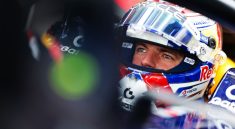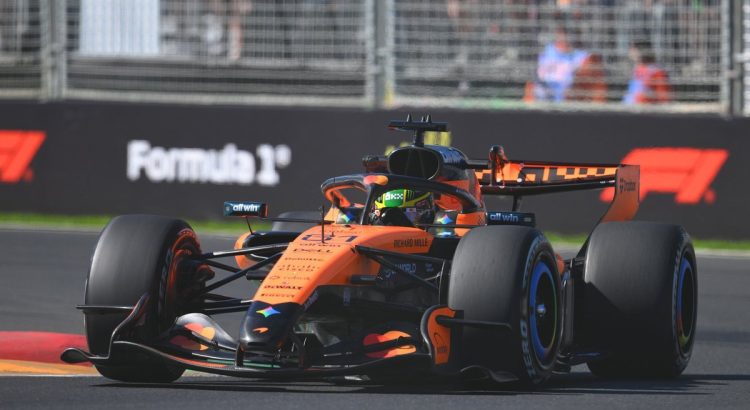
The Australian Grand Prix revealed intriguing dynamics within the McLaren and Mercedes teams. While both teams have high ambitions, the reality of the free practice sessions highlighted contrasting performances, reflecting both hopes and failures. What lessons can be drawn from this first confrontation on the Melbourne circuit?
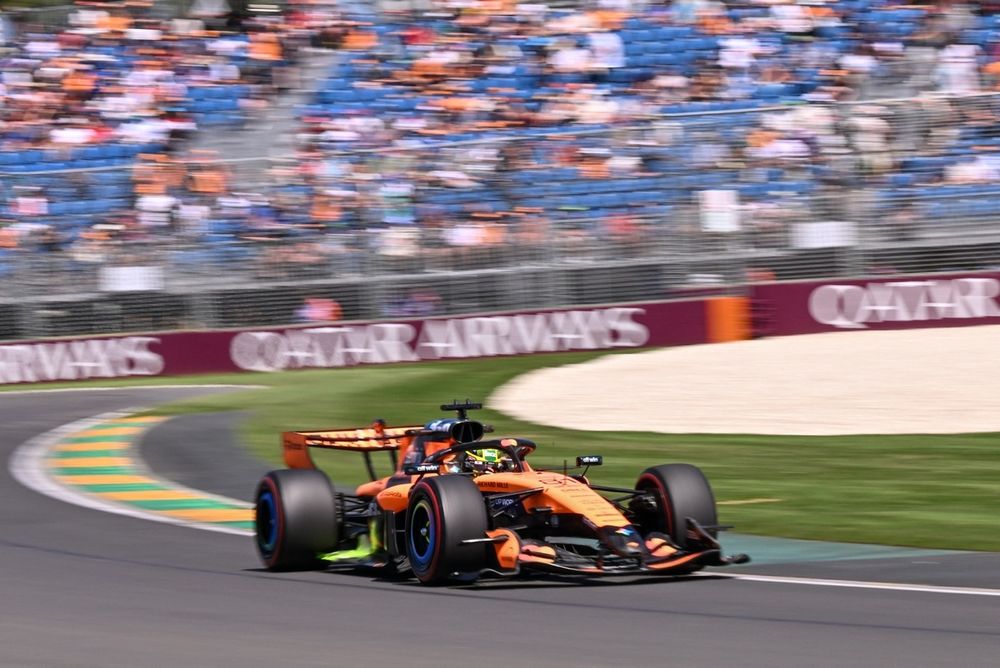
McLaren: Potential Under Pressure
McLaren is often seen as the team that could disrupt the hierarchy in Formula 1, but the free practice sessions at the Australian Grand Prix highlighted worrying flaws. Lando Norris, one of the key drivers, could only complete seven laps during the first session, falling victim to technical issues reminiscent of the difficulties faced by the team the previous year. In contrast, his teammate Oscar Piastri managed to shine, recording the fastest time of the second session at 1’19″729. This performance raises a crucial question: can McLaren truly establish itself among the leaders, or is it just a flash in the pan?
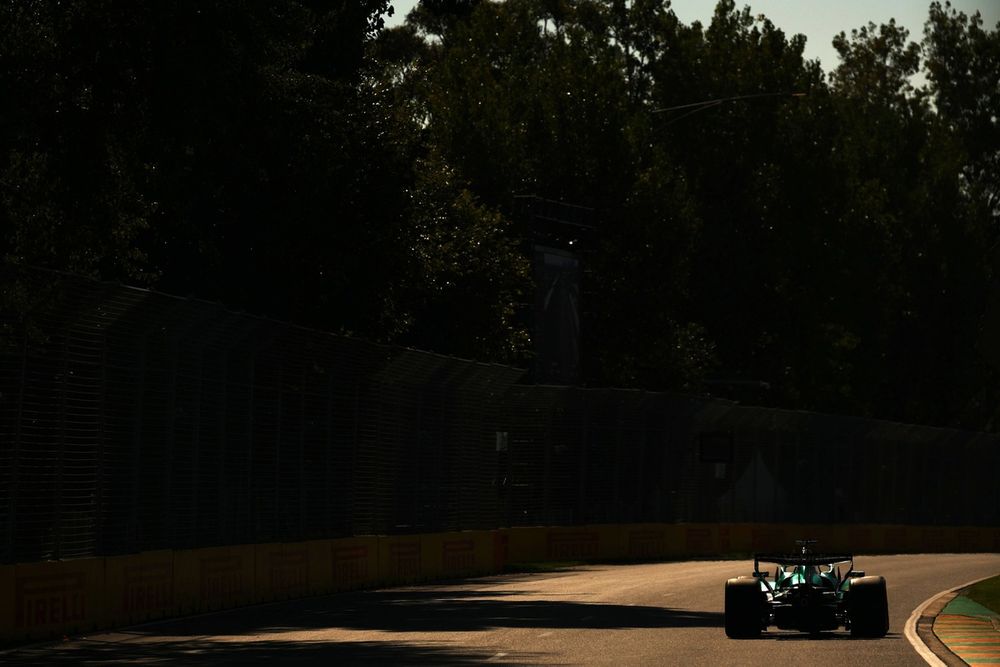
Mercedes: A Timid Return
On the Mercedes side, the situation is equally complex. The first session was marked by an apparent caution from the team, seemingly concealing its true potential. Lewis Hamilton and George Russell showed signs of competitiveness, with Hamilton setting the fastest time at 1’20″903. However, this time masked a more nuanced reality: Hamilton lost time in the final sector, revealing a persistent instability in the car. The question then arises: can Mercedes compete with Ferrari and Red Bull, or does it need to consider a strategic overhaul of its approach?
The Setbacks of Aston Martin: A Chaotic Start
Aston Martin, for its part, experienced a disastrous start to the weekend. Fernando Alonso was unable to participate in the free practice sessions, while Lance Stroll had to cut his session short due to battery issues. These incidents highlight a worrying fragility for the team that hoped to shine this season. In short, if Aston Martin cannot resolve its technical problems quickly, it risks falling behind in a championship that does not forgive.
Notable Incidents: A Taste of Chaos
The beginning of the free practice sessions was punctuated by a series of incidents that highlighted the tensions within the pack. A collision between Arvid Lindblad and George Russell in the pit lane caused a stir, followed by an Alpine stranded on the track. These events remind us that Formula 1 is a sport where every detail matters and where the slightest mistake can have dramatic consequences. Teams must therefore double their efforts to optimise not only the performance of their cars but also the management of unforeseen situations.
Outlook: A Path Strewn with Obstacles
At the end of these free practice sessions, the picture is clear: McLaren and Mercedes have undeniable strengths but must overcome technical and strategic challenges. Oscar Piastri’s performance could provide a new impetus for McLaren, while Mercedes will need to work on the consistency of its performances to hope to compete with the championship heavyweights. The pressure is palpable, and each team must now prove that it can turn its promises into concrete results.
In Summary
- McLaren shows promising potential but must resolve its technical issues.
- Mercedes struggles to regain its former glory despite encouraging signs.
- Aston Martin faces major difficulties to hope to shine this season.
- The incidents on the track highlight the complexity and unpredictability of the championship.
- The upcoming races will be decisive in establishing the hierarchy among the teams.
In conclusion, the Australian Grand Prix revealed intriguing facets of McLaren and Mercedes, oscillating between hope and disappointment. For McLaren, the immediate future will depend on its ability to maintain Piastri’s performance while resolving Norris’s issues. As for Mercedes, it will need to double its efforts to regain its place among the leaders. In the short term, the pressure will be high on these teams to transform their performances into concrete results, facing increasingly formidable competition.