


At the end of the first week of collective testing for Formula 1 2026, the motorsport world is awakening to the first impressions of the drivers. While the Haas drivers are cautious about overtaking, their compatriot at Mercedes, George Russell, presents a narrative that is in complete contradiction. The great F1 circus is underway, and opinions are as divided as often in this high-speed universe.
Revealing but Nuanced Tests
On Monday, two media events took place simultaneously: on one side, the Haas team drivers spoke to share their feedback after private testing in Barcelona, and on the other, the Mercedes drivers announced the official launch of their season. Motorsport.com was able to attend both meetings, where a hot topic emerged: the ease of following and overtaking other cars. With the 2026 regulations aiming to reduce aerodynamic downforce by 15 to 30% and drag by about 40%, a significant improvement was hoped for. Previous years had seen a gradual degradation in the handling of following cars, an alarming observation for fans of thrilling sensations.
A Promising but Still Developable ‘Overtake’ Mode
This new regulation is not limited to a simple reduction in downforce. The abolition of DRS as we knew it since 2011 is compensated by the introduction of an ‘Overtake’ mode. This mode will allow drivers to benefit from maximum electric deployment for a longer time when they are within one second of a rival car. This should have facilitated overtaking manoeuvres, but the initial feedback from Haas drivers does not seem as optimistic as expected.
Esteban Ocon shared his first impressions with a cautious tone: “I followed a few cars. It seems like we lose quite a bit of front downforce, maybe a bit more than before.” He added that he had experimented with the Overtake mode, but without jumping to hasty conclusions: “It needs to be adjusted and optimised to work perfectly.” A first impression that suggests the road to more thrilling races is still fraught with obstacles.
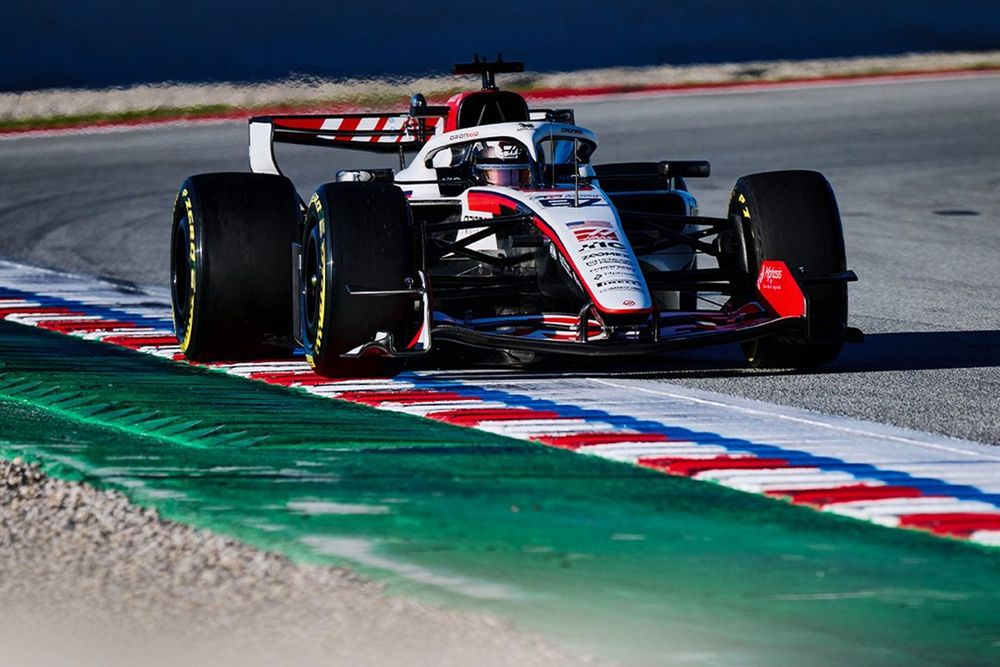
Oliver Bearman, his teammate, shared this mixed sentiment: “In terms of following, overtaking, and everything else, I didn’t really have a strong feeling on this subject.” He noted that “it was a bit more difficult to follow,” highlighting a noticeable change in the car’s balance depending on the air conditions.
Russell, the Optimist from Mercedes
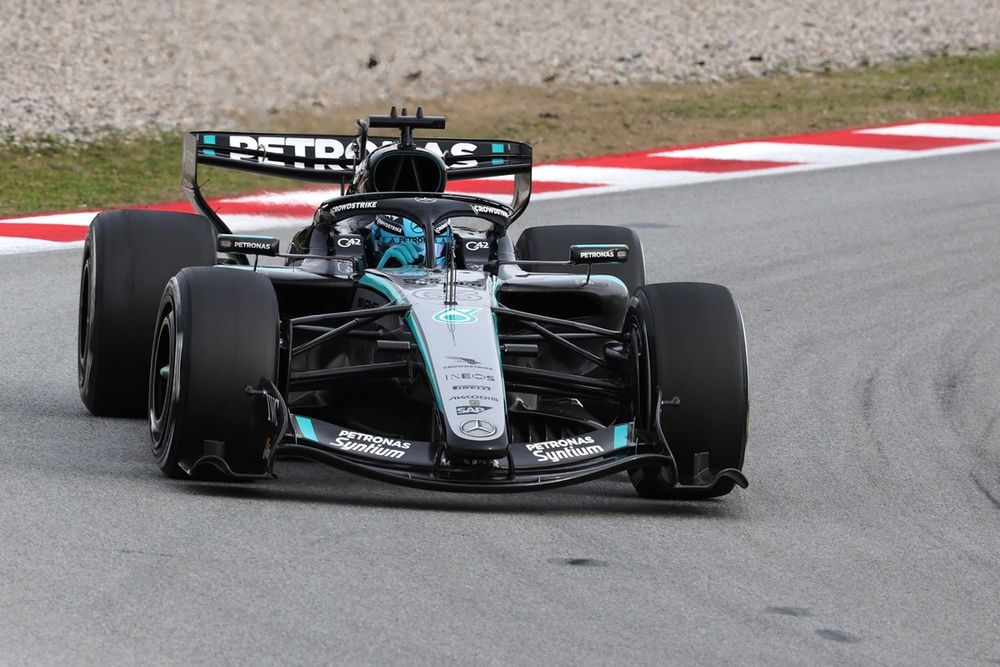
On the opposite end of the spectrum, George Russell, driving his Mercedes W17, adopts a decidedly positive approach. When asked about this crucial issue, he confided: “It does seem easier to follow, especially in high-speed corners.” For him, the reduction in aerodynamic downforce plays a key role: “We take the corners more slowly, so there are naturally fewer turbulences.”
Russell also pointed out that these new cars provide a more authentic driving sensation: “They feel a bit more like racing cars. The previous single-seaters were too big; it felt like driving a bus in those corners.” This optimistic view could well resonate with a positive trend in the paddock, but it will still take time to confirm whether this new regulation will truly make races more captivating.
A Future to Clarify
In summary, while some drivers express doubts about the overtaking capabilities under the new 2026 regulations, others, like Russell, already see notable improvements. This divergence of opinions only adds a layer of excitement to the upcoming season. The initial tests may not yet have revealed the full potential of these new single-seaters, but one thing is certain: the competition will remain fierce, and the suspense at its peak.
We will therefore have to wait for the upcoming races to see if the promises of the regulations will materialise. In the meantime, teams continue to refine their setups and adapt their strategies to maximise their performance. Every corner, every overtaking could well be the stage for thrilling drama, as is often the case in Formula 1.


