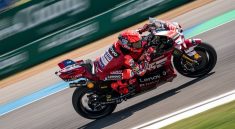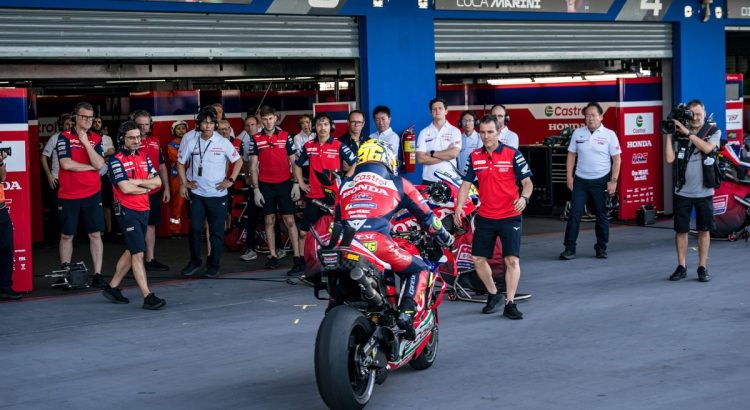
The Thailand Grand Prix revealed unexpected flaws in tire management, highlighting the challenges faced by MotoGP riders. Joan Mir, in particular, experienced a sudden tire degradation, raising concerns about supplier reliability and the effectiveness of technical teams.
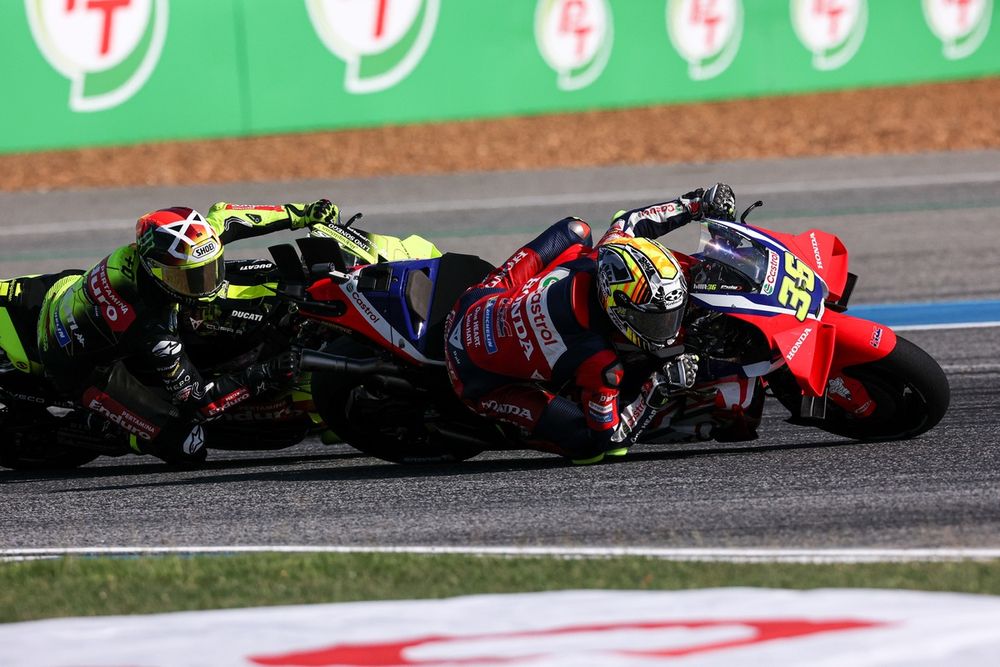
A Bitter Retirement for Joan Mir
Marc Márquez wasn’t the only one sidelined by a technical issue at the recent MotoGP Grand Prix in Buriram. While the Ducati rider’s retirement was dramatic, with a damaged rim after hitting a curb, Joan Mir faced a more insidious failure. After running in fifth place, excessive tire degradation turned his race into a struggle. “Honestly, I enjoyed the race, but for three damn laps, we couldn’t capitalize!” he exclaimed, mixing frustration with irony.
Tire Degradation: A Mystery to Solve
Mir’s situation raises a crucial question: what is really happening with tires in MotoGP? For Mir, the loss of grip was so sudden that he had no time to react. “It happened very quickly, from one lap to the next. Normally, you feel a gradual degradation, but this was different,” he explained. This experience highlights the limits of current knowledge regarding tire behaviour under extreme conditions.
A Promising Performance Before Disaster Struck
Before encountering this issue, Mir had successfully navigated through the pack, moving from tenth to fifth position. His pace was encouraging, and he had even begun to close the gap to Jorge Martín. “I think our weekend was very, very good,” he stated. This observation underscores the irony of a race that could have allowed him to capitalise on a solid performance but ultimately resulted in a frustrating retirement.
The Stakes of Tire Management in MotoGP
Tire management in MotoGP is a sensitive topic. Each rider must juggle performance and durability, with temperature variations and tire wear significantly impacting the final result. Mir’s failure poses a fundamental problem: how to ensure optimal tire reliability in sometimes unpredictable racing conditions? Teams must now scrutinise every detail, as an isolated incident can quickly turn into a worrying trend for the season.
A Look Ahead: What This Experience Means for Mir and Honda
For Joan Mir, this experience could signal a need for strategic reevaluation. With constant pressure to improve performance, every detail matters. “We need to thoroughly check what might have happened because it was very strange,” he emphasized, indicating that in-depth investigations are necessary. For Honda, this represents an additional challenge: to enhance the reliability of their machines while continuing to progress in performance.
Sharpened Competition: The Importance of Consistency
In a championship as competitive as MotoGP, consistency is essential. Errors or technical problems can be costly in the overall standings. In this sense, Mir’s retirement could present an opportunity for his direct rivals. Riders like Fabio Quartararo and Francesco Bagnaia are poised to capitalise on any weaknesses among their competitors. The importance of every point is amplified by the high level of competition, and a retirement like this can prove decisive for the rest of the season.
In Summary
- Joan Mir retired due to sudden tire degradation in Buriram.
- This situation raises questions about tire reliability in MotoGP.
- Mir had shown strong performance before his retirement, accentuating his frustration.
- Teams must now evaluate tire management to avoid future incidents.
- Competition is fiercer than ever, and every point counts in the championship.
For Joan Mir and Honda, this incident is a setback that calls into question not only their race strategy but also the technical reliability of their machine. In the medium term, it could prompt teams to reassess their approach to tires, particularly regarding performance analysis and material management. In an environment where every detail can make a difference, vigilance is essential.