Automotive design is the meeting point where aesthetics merge with the technological prowess that drives modern vehicles. As manufacturers strive to create visually stunning cars, they often conceal complex engineering solutions that enhance performance and functionality. This balance between form and function is crucial in today’s competitive automotive landscape.
In recent years, automotive design has evolved to prioritise not only aesthetics but also the integration of advanced technologies, such as electric powertrains and autonomous features. Designers now face the challenge of creating vehicles that are not only attractive but also capable of housing the latest innovations without compromising style. This shift has ushered in a new era of design where visual appeal is matched by the underlying technology.
Future Designs: How Technology Will Shape Aesthetics
Innovative technologies in automotive design are becoming increasingly sophisticated, resulting in vehicles that are not only functional but also visually striking. Designers are now focused on creating vehicles that can seamlessly integrate advanced features, such as electric powertrains and smart connectivity, into their aesthetic vision. This approach allows for a more cohesive design language that resonates with consumers.
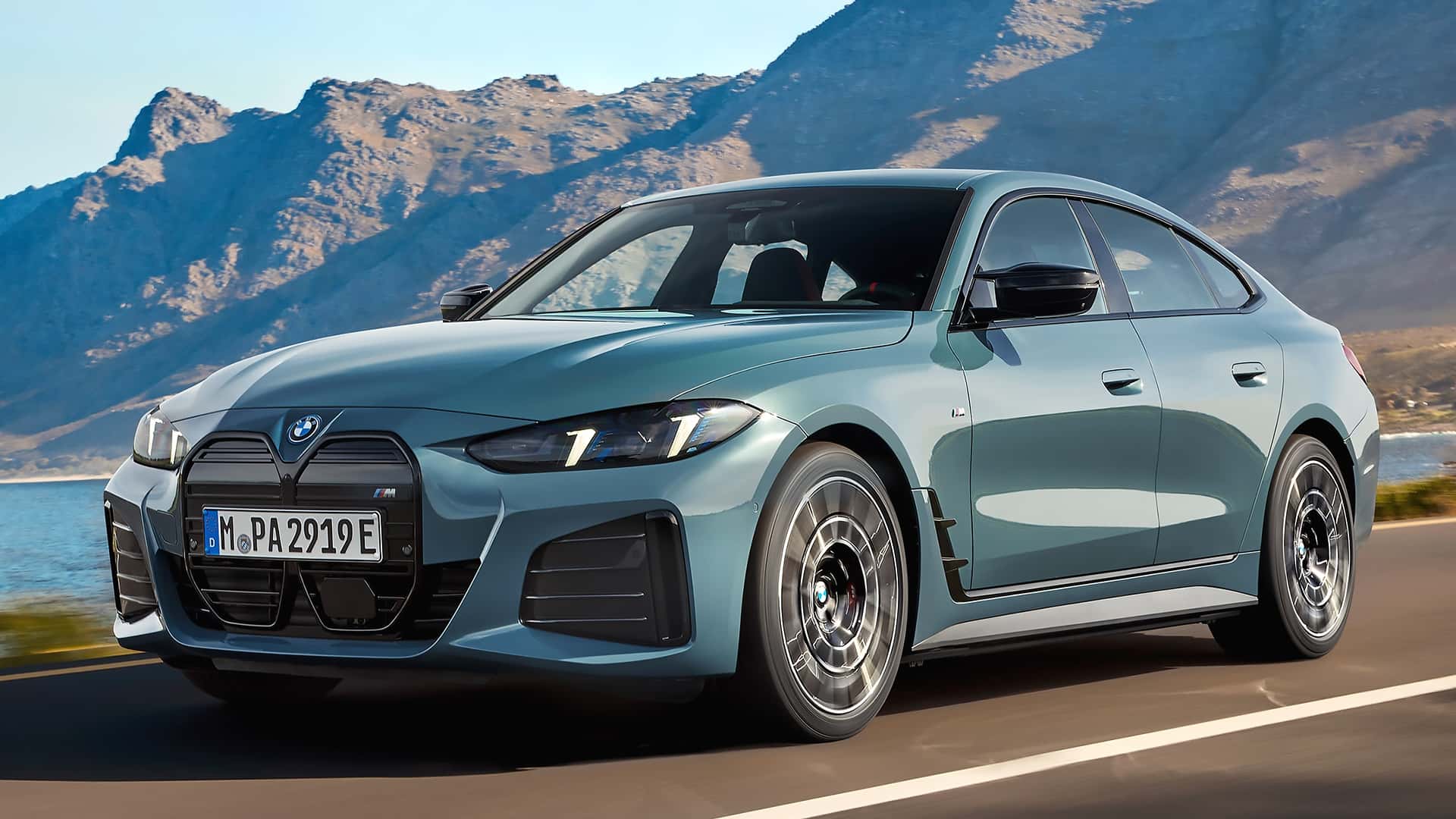
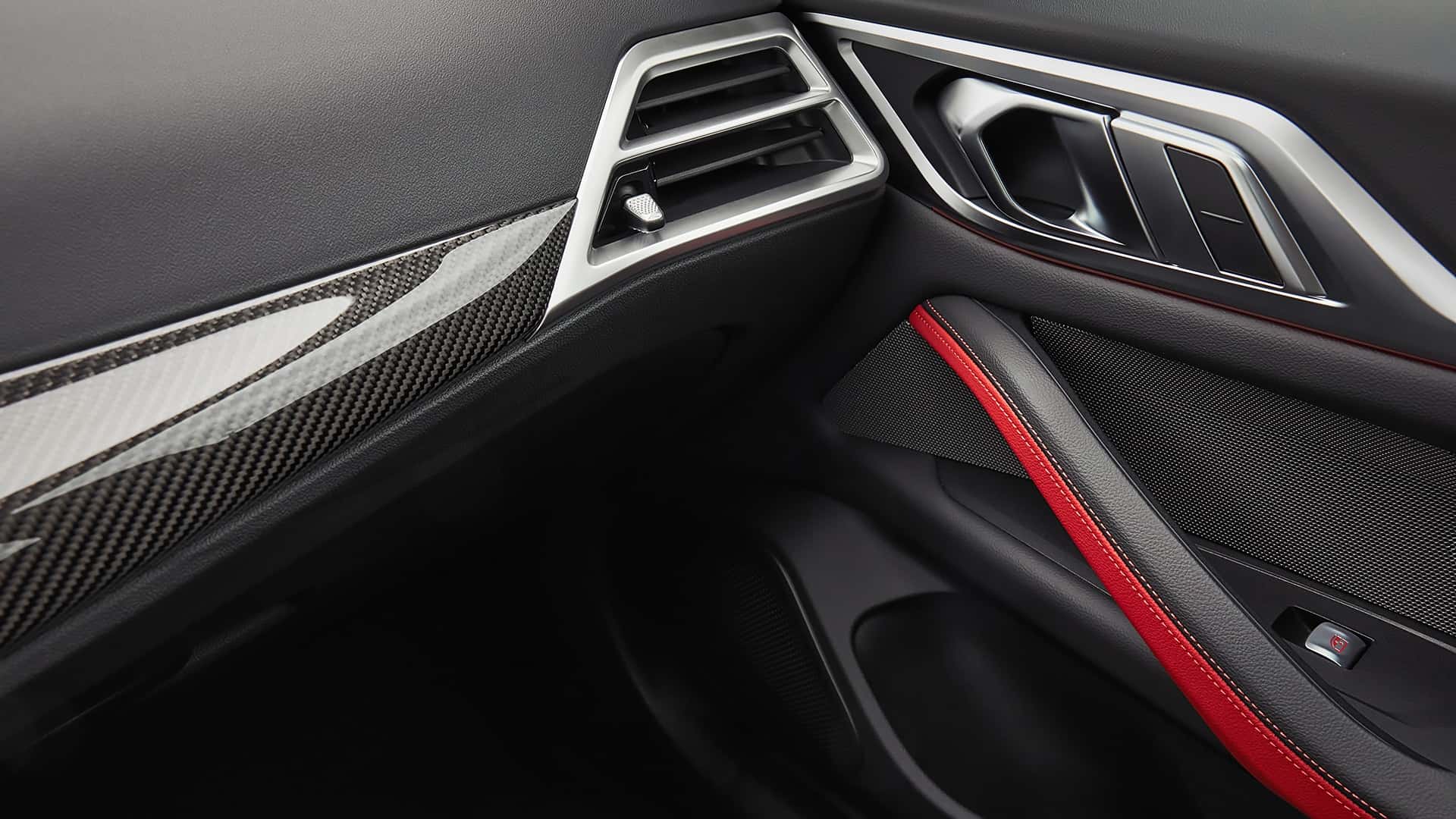
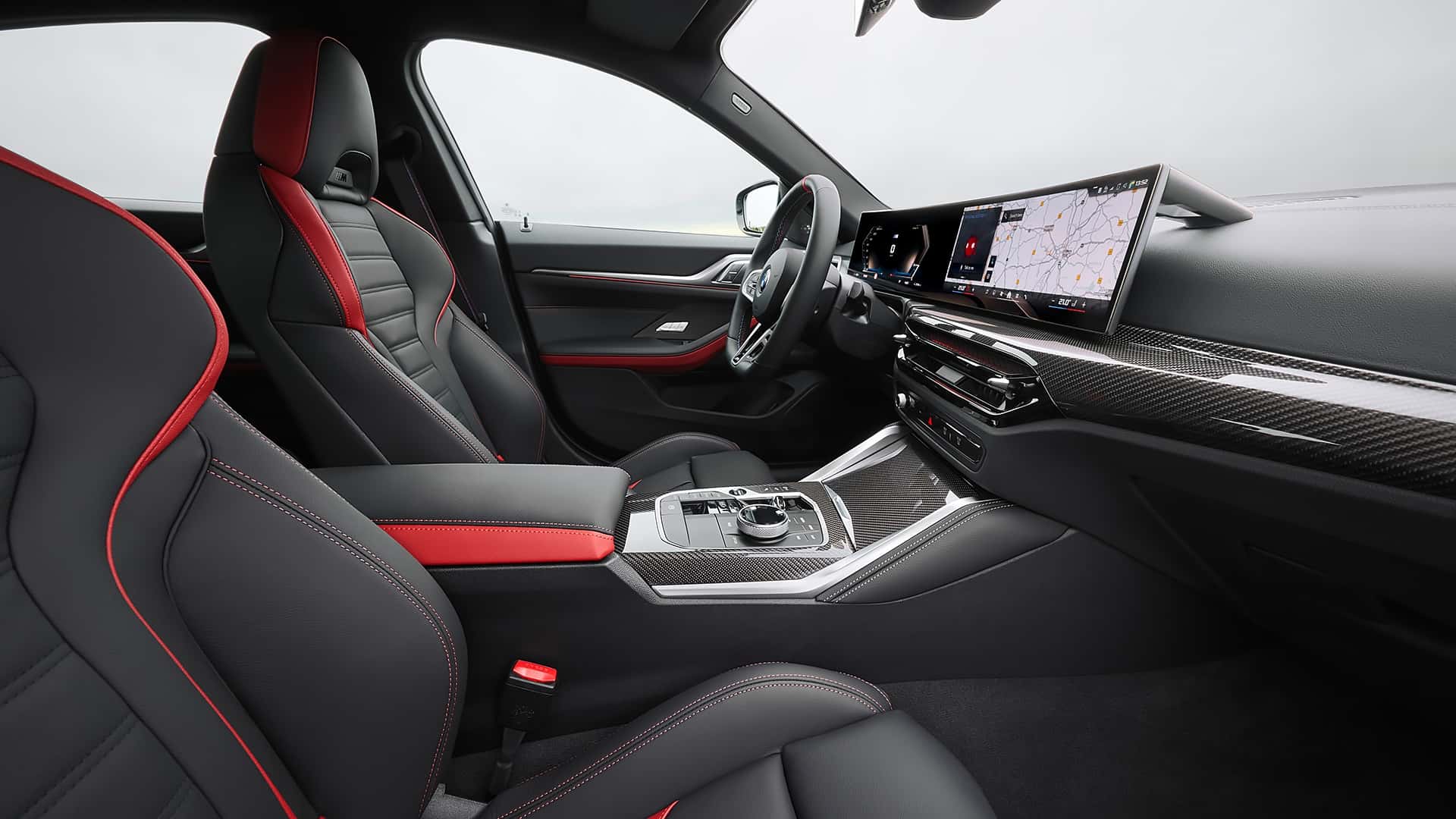
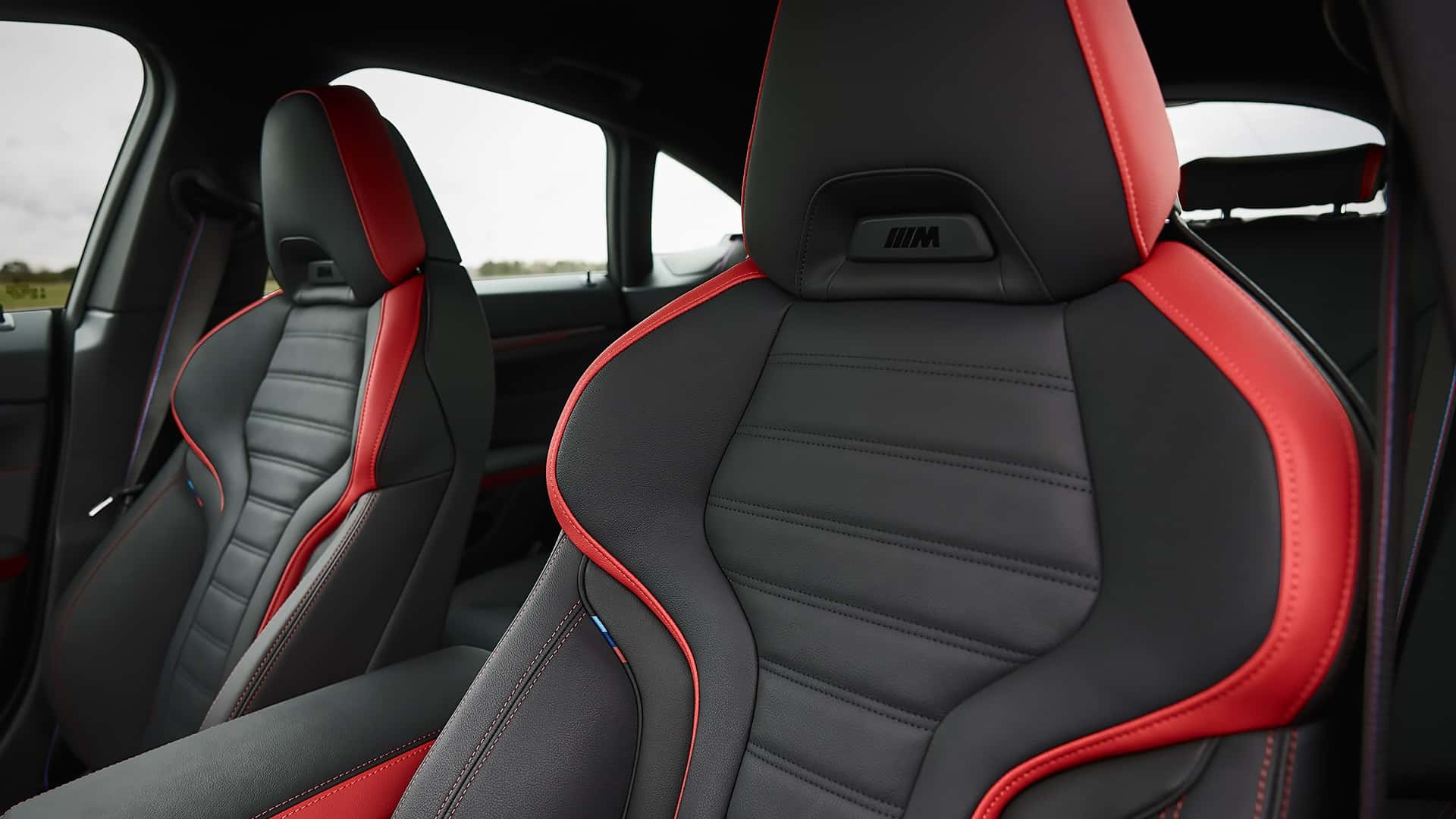
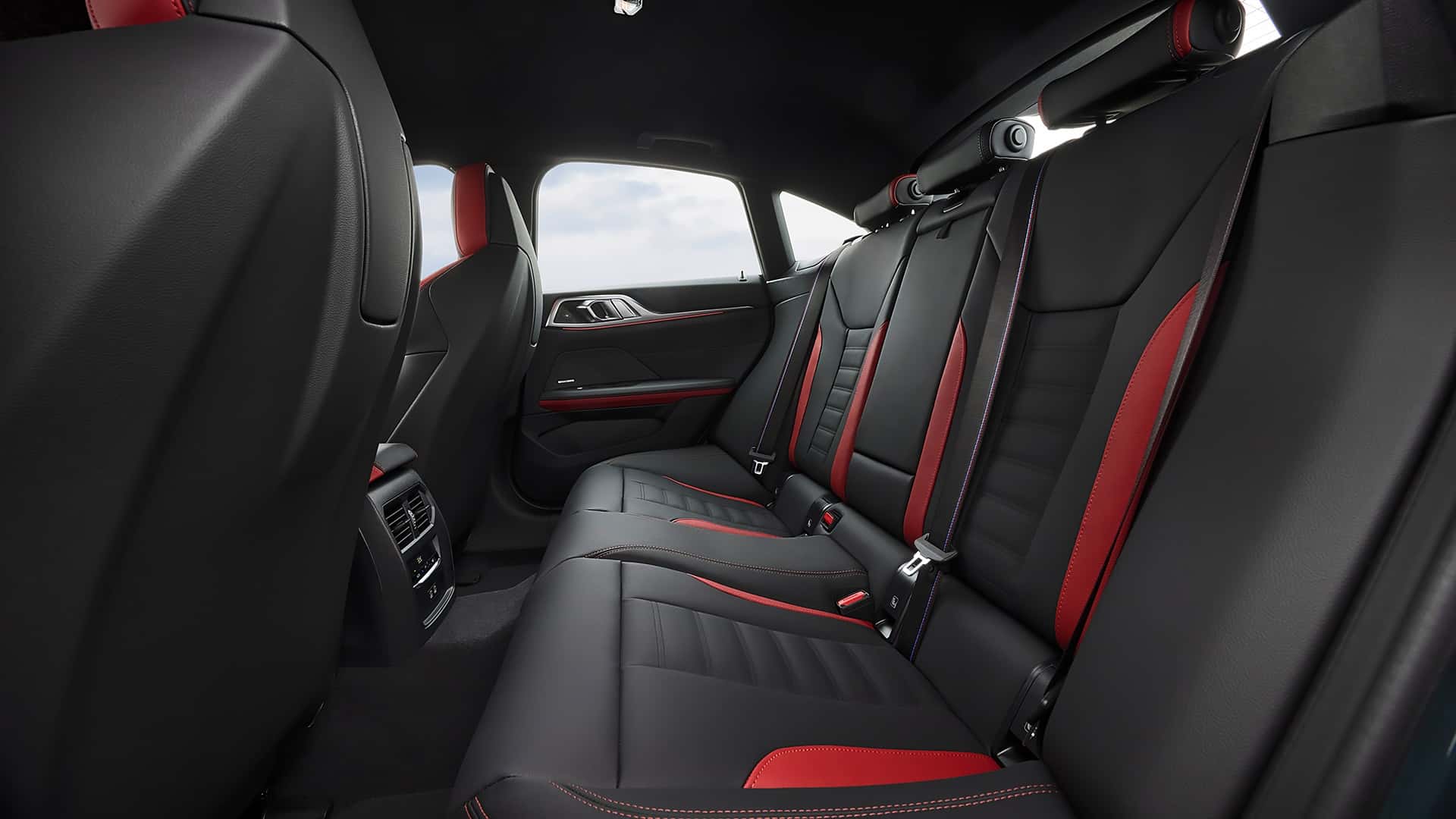
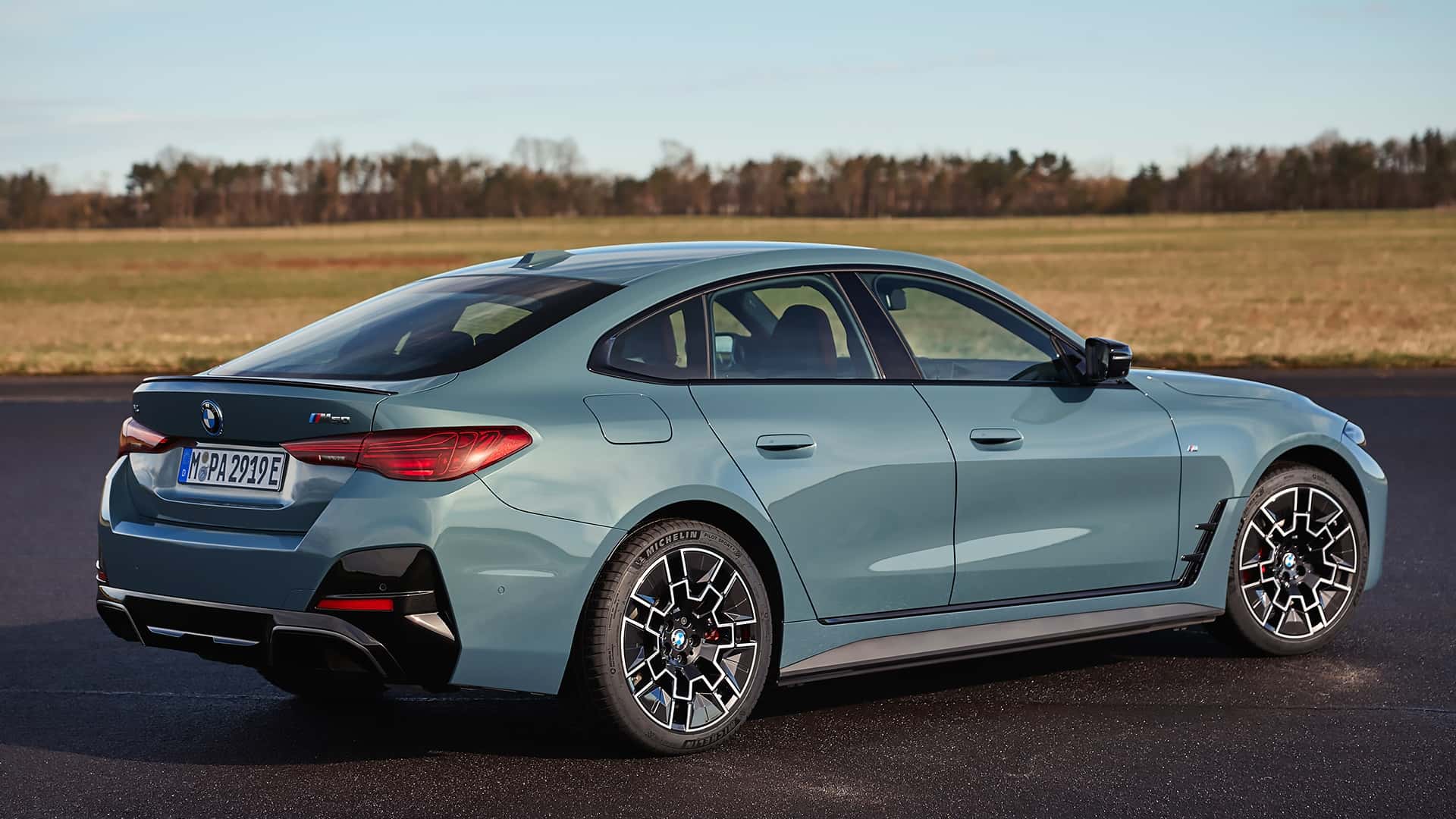
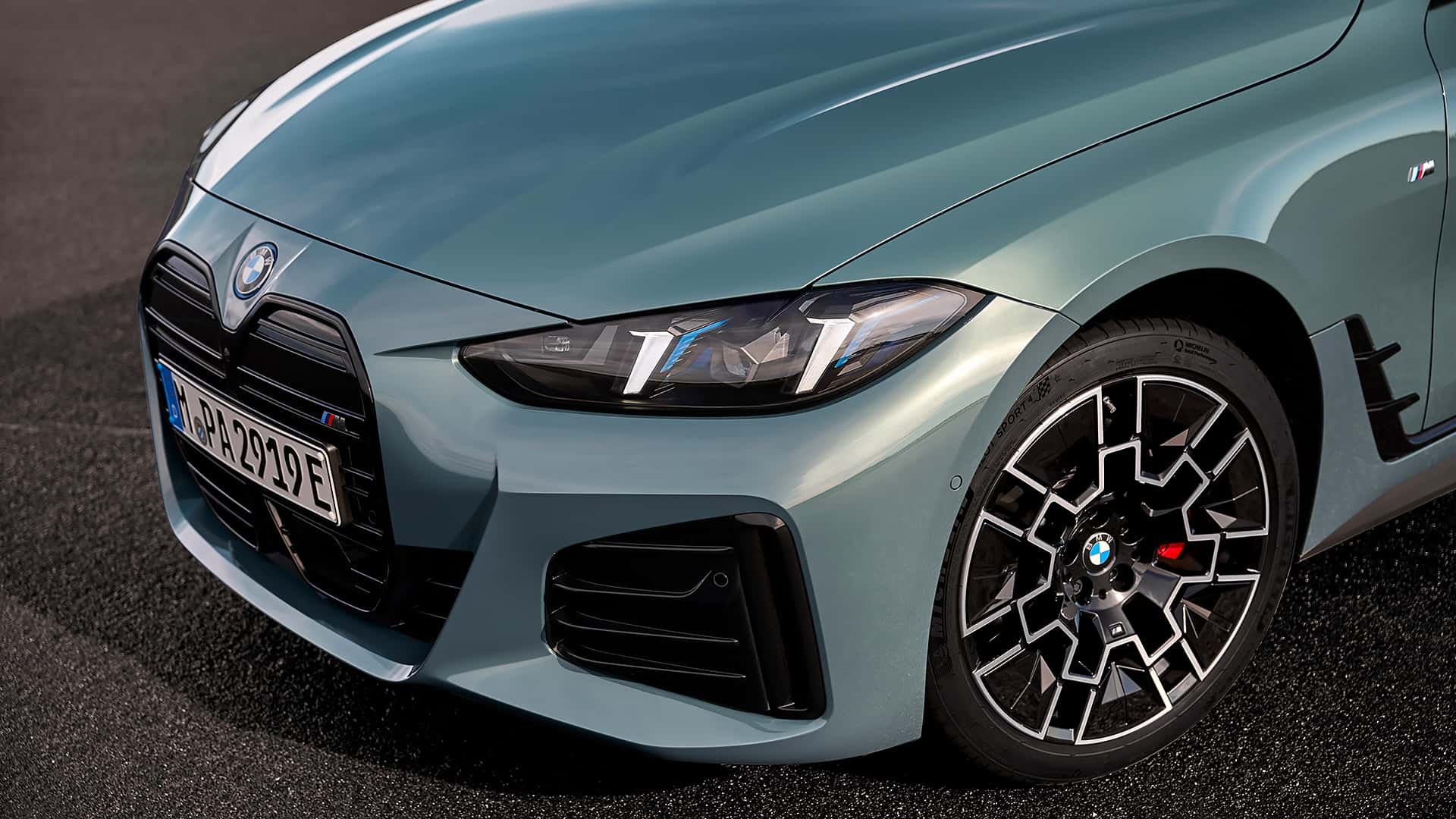
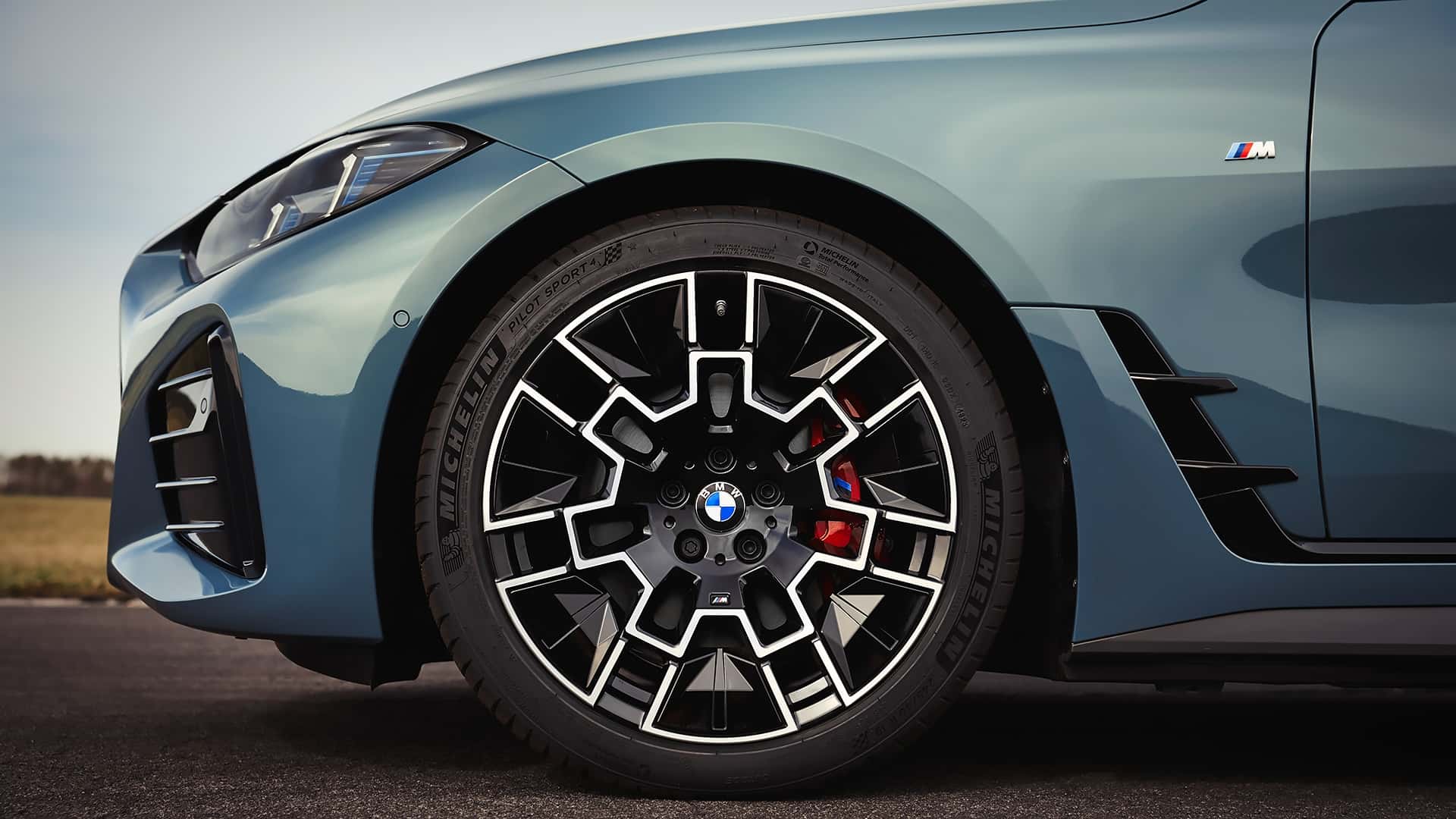
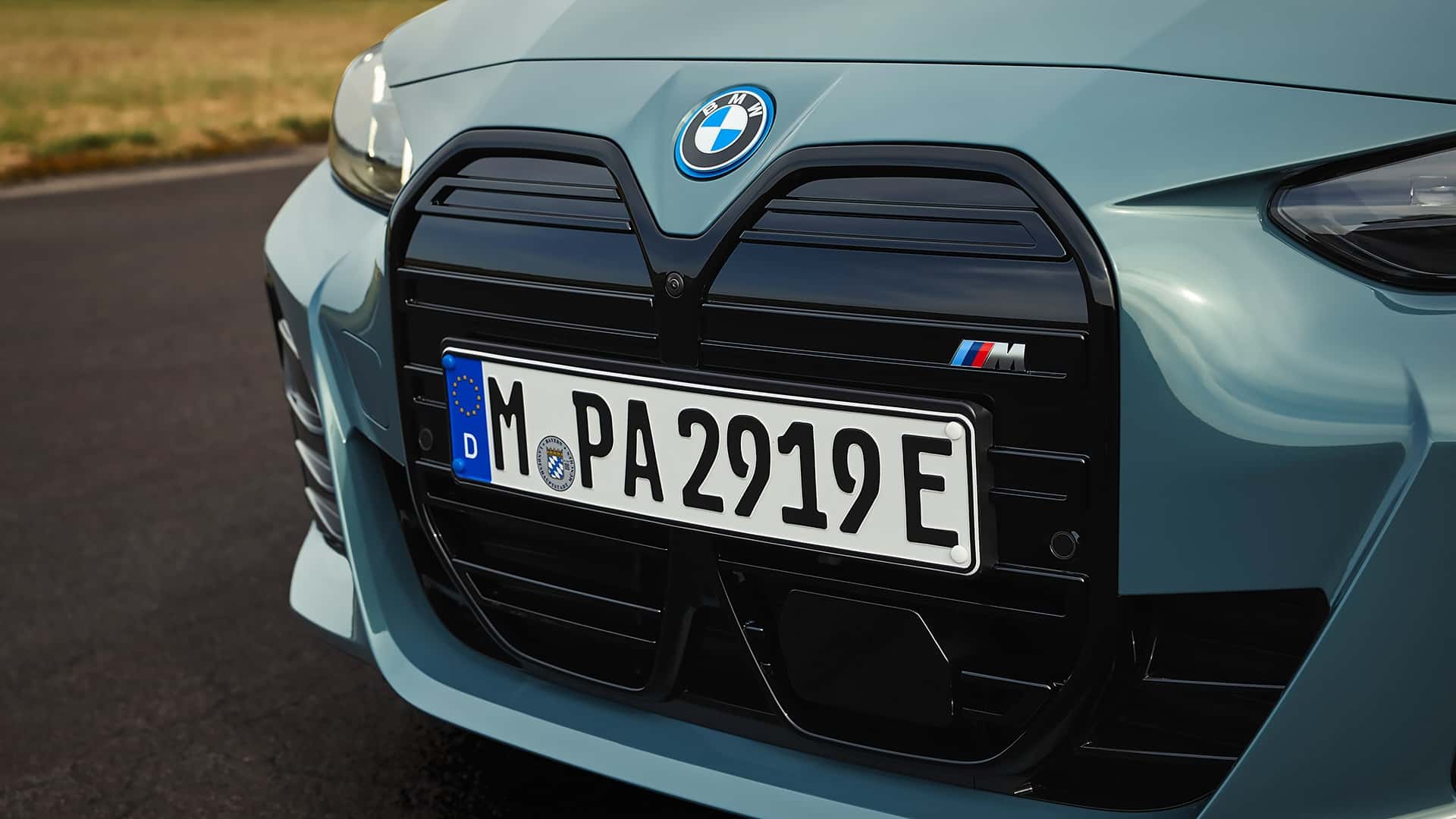
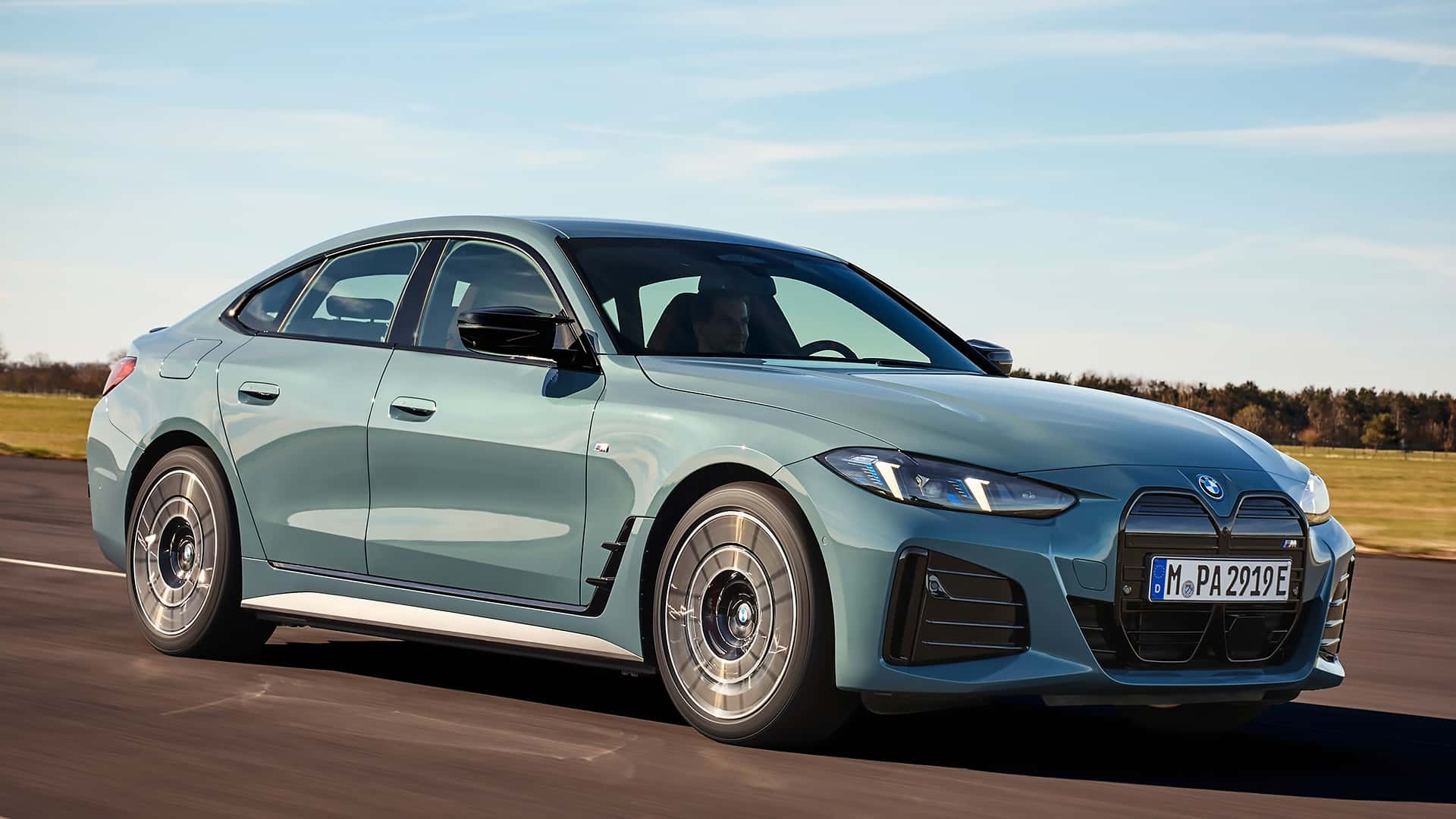
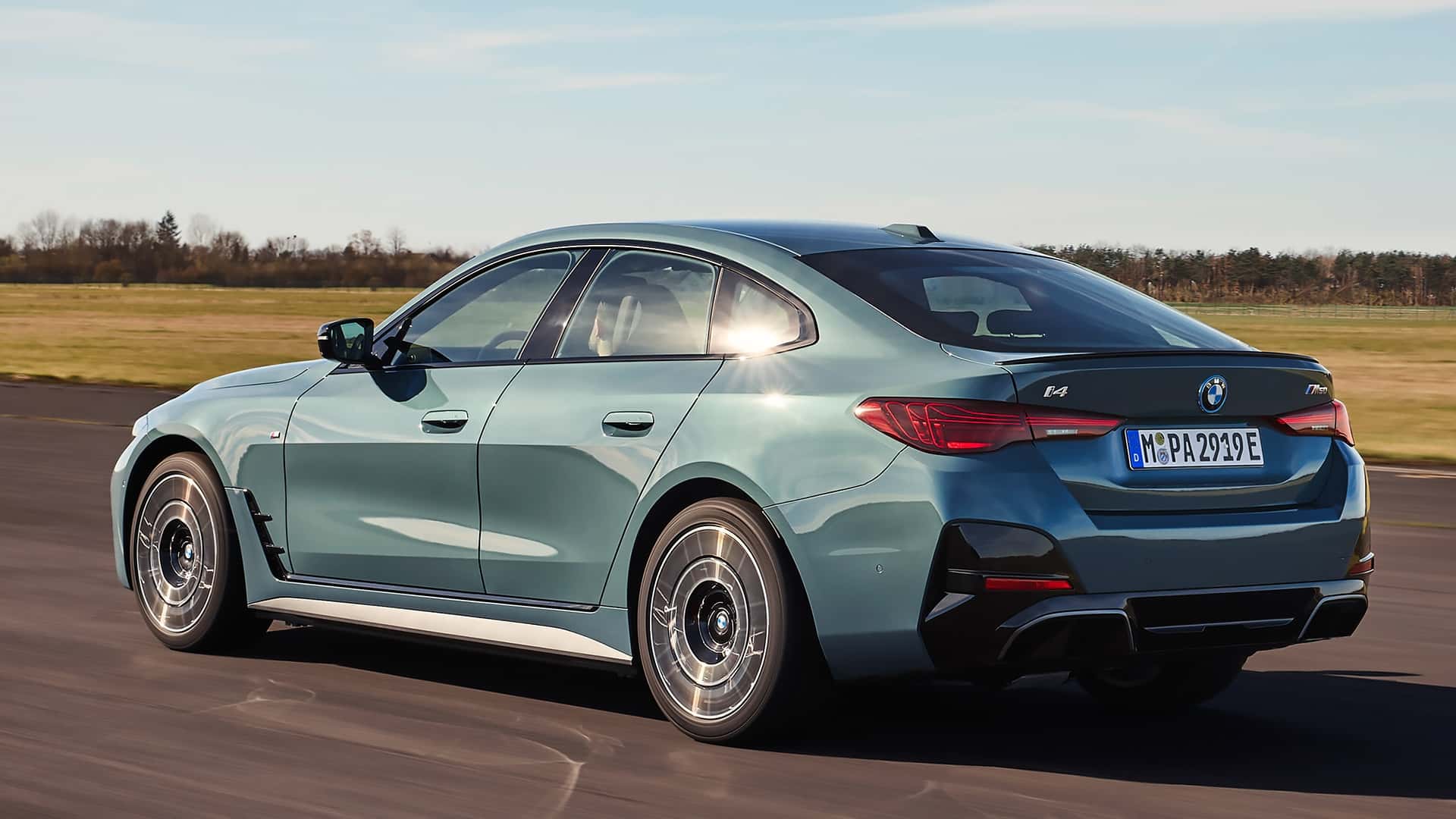
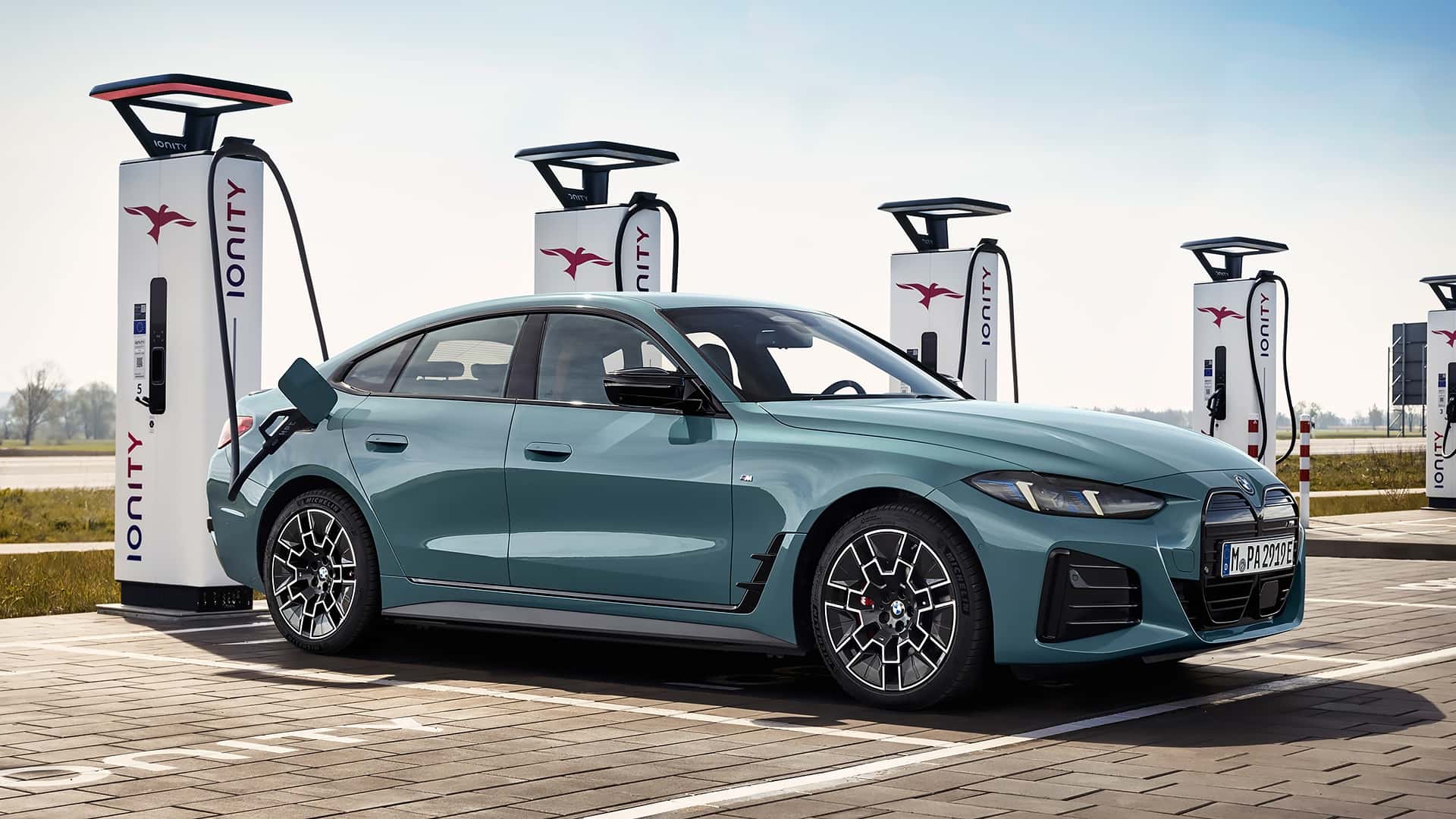
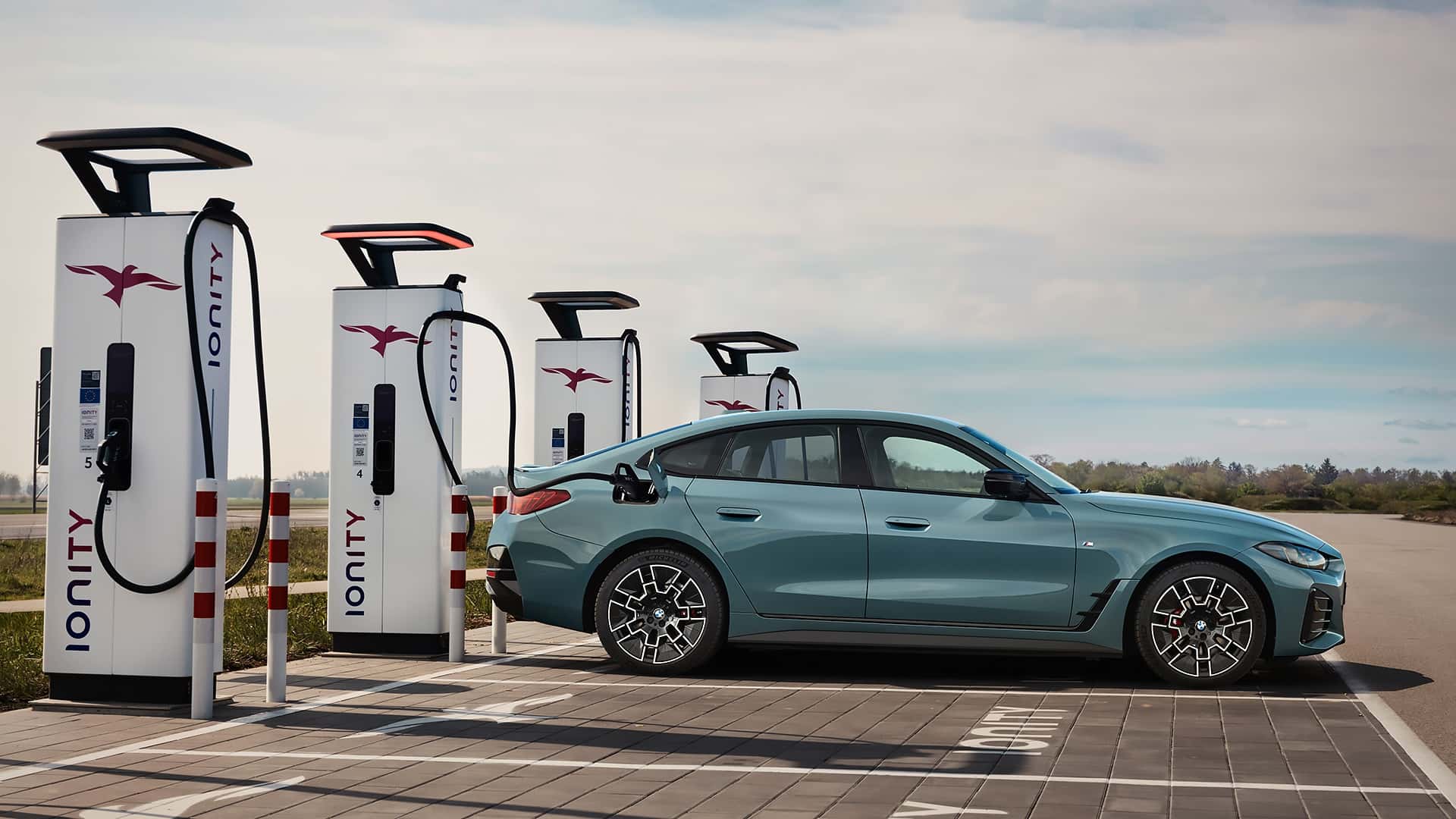
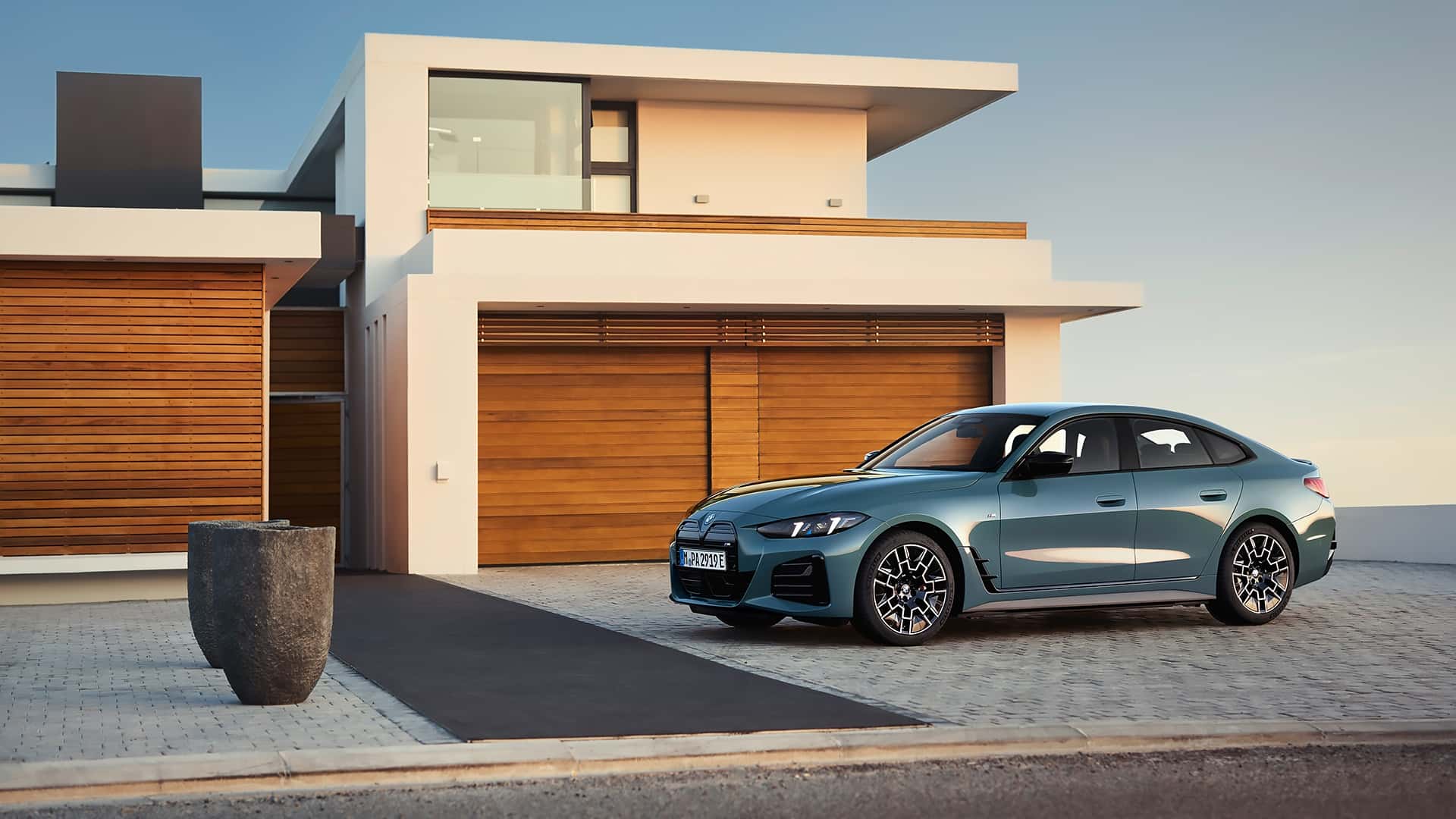
Take, for example, the BMW i4, which showcases how design can enhance the driving experience while accommodating the latest technological advancements. The vehicle’s sleek lines and modern silhouette complement its electric powertrain, demonstrating that beauty and performance can coexist in harmony.
As manufacturers continue to push the boundaries of design, we can expect to see more vehicles that prioritise both aesthetics and technology. This trend is likely to lead to a new generation of cars that not only look good but also offer cutting-edge features that enhance the overall driving experience.
Technological Integration in Performance Vehicles
Performance vehicles are increasingly incorporating advanced technologies that enhance both their aesthetics and functionality. Designers now face the challenge of creating cars that not only perform well but also look stunning on the road. This integration of technology into design is essential to attract consumers who seek both style and substance.
For instance, the Audi Q4 35 e-tron exemplifies how performance and design can come together to create a visually appealing electric vehicle. Its sleek exterior is complemented by its efficient electric powertrain, showcasing how modern design can accommodate advanced technologies without sacrificing style.
As we move forward, the automotive industry will continue to see a fusion of aesthetics and technology, resulting in vehicles that are not only visually striking but also equipped with the latest innovations. This trend is likely to influence consumer preferences, as buyers increasingly seek cars that offer both beauty and performance.
Emerging Trends in Automotive Design
Emerging trends in automotive design are reshaping the industry, as manufacturers strive to create vehicles that are not only functional but also visually appealing. Designers are now focused on integrating advanced technologies into their designs, ensuring that vehicles are equipped with the latest features while maintaining strong aesthetic appeal.
For example, the Tesla Model 3 demonstrates how design can enhance the driving experience while accommodating cutting-edge technology. Its minimalist design is complemented by its electric powertrain, showing how aesthetics and performance can work together seamlessly.
As the automotive industry evolves, we can expect to see more vehicles that prioritise both design and technology. This trend is likely to lead to a new generation of cars that not only look good but also offer advanced features that enhance the overall driving experience.
Conclusion: The Future of Automotive Aesthetics
In conclusion, the future of automotive design will be defined by the integration of aesthetics and technology. As manufacturers continue to innovate, we can expect to see vehicles that are not only visually impressive but also equipped with the latest advancements in automotive technology. This trend is likely to shape consumer preferences, as buyers increasingly seek cars that offer both beauty and performance.
Ultimately, the automotive industry is on the brink of a design revolution, where aesthetics and technology will work hand in hand to create vehicles that are not only functional but also visually captivating. As we look ahead, the possibilities for automotive design are limitless, paving the way for a new era of innovation and creativity.