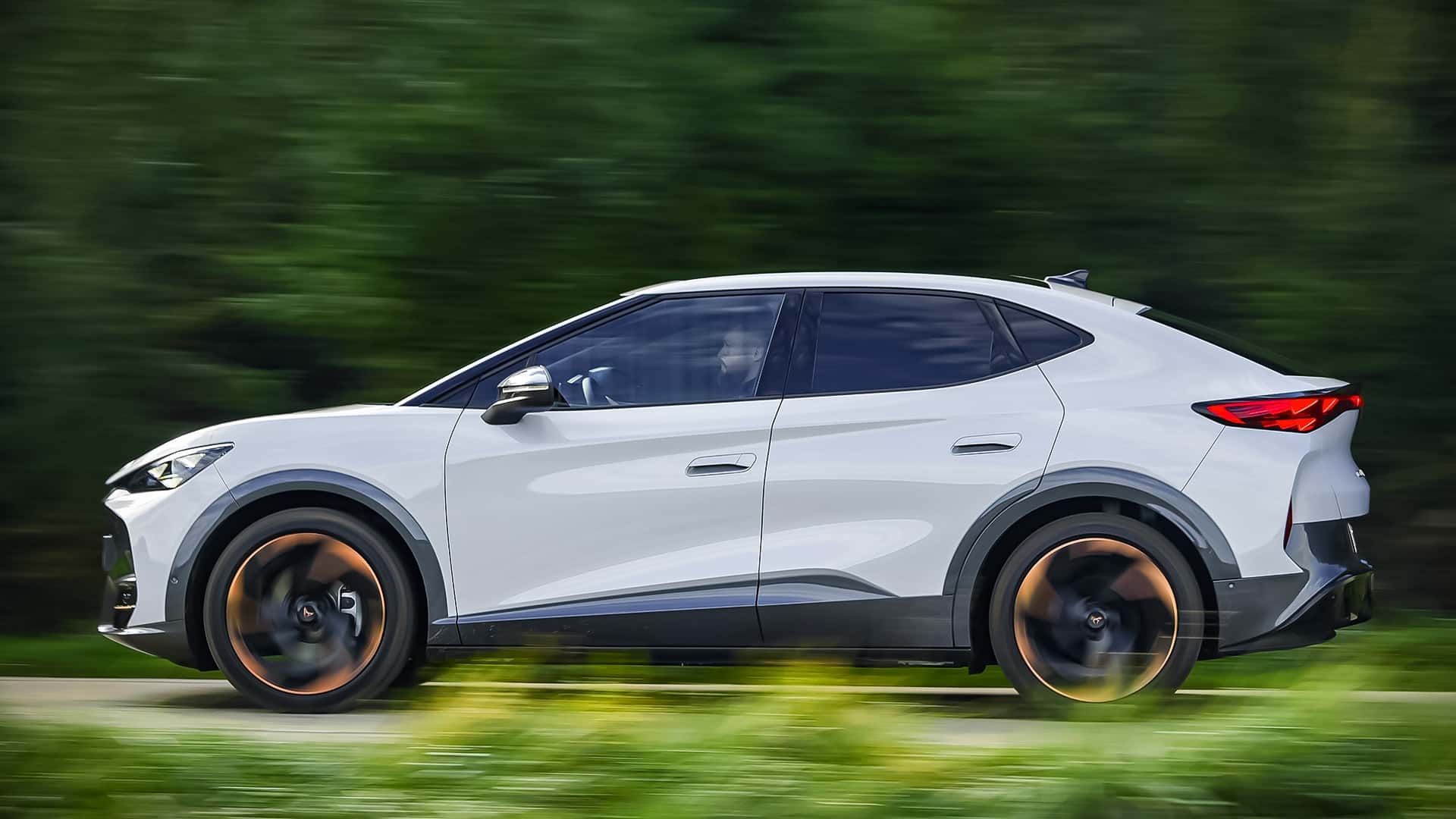
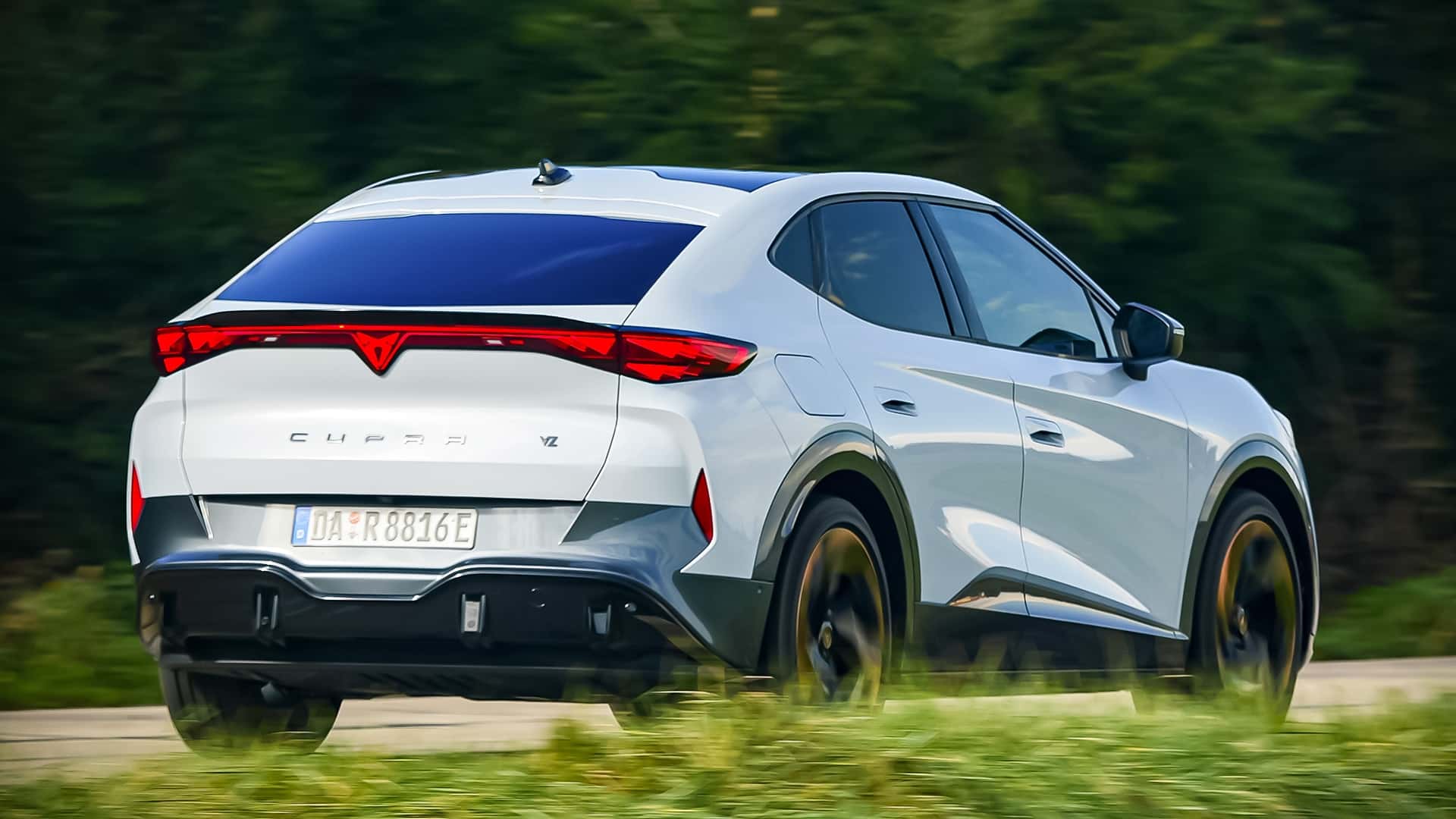
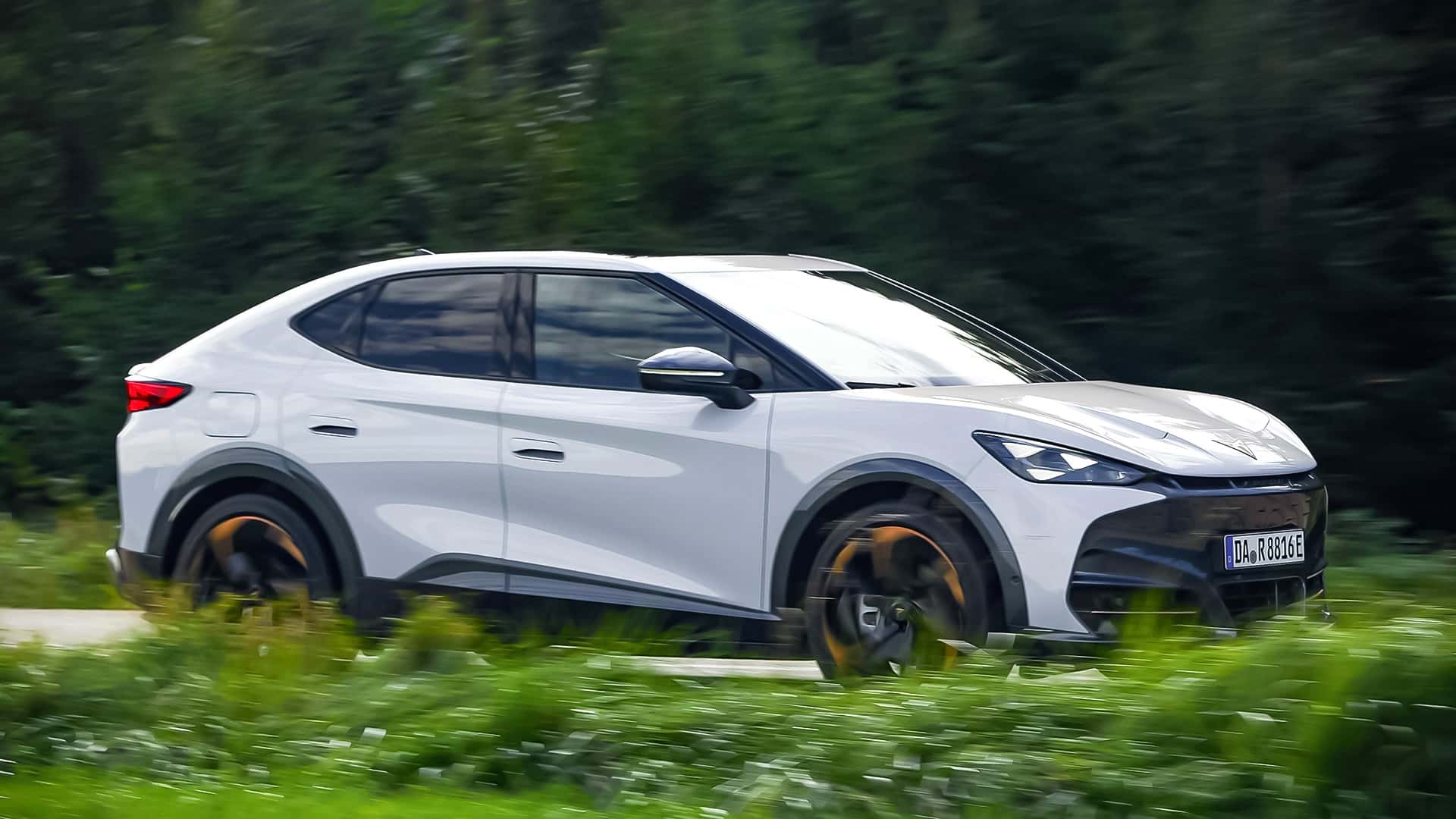
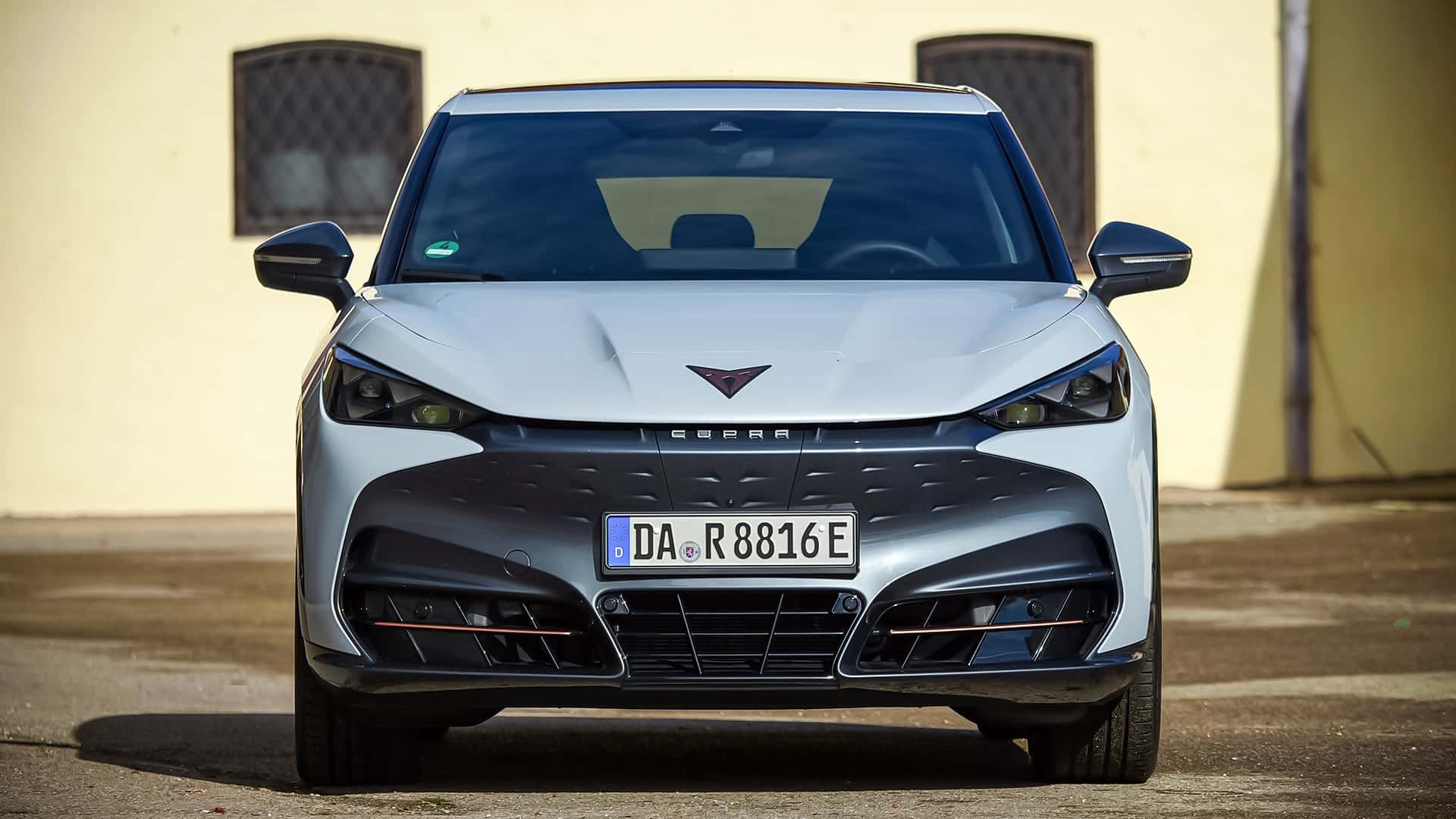
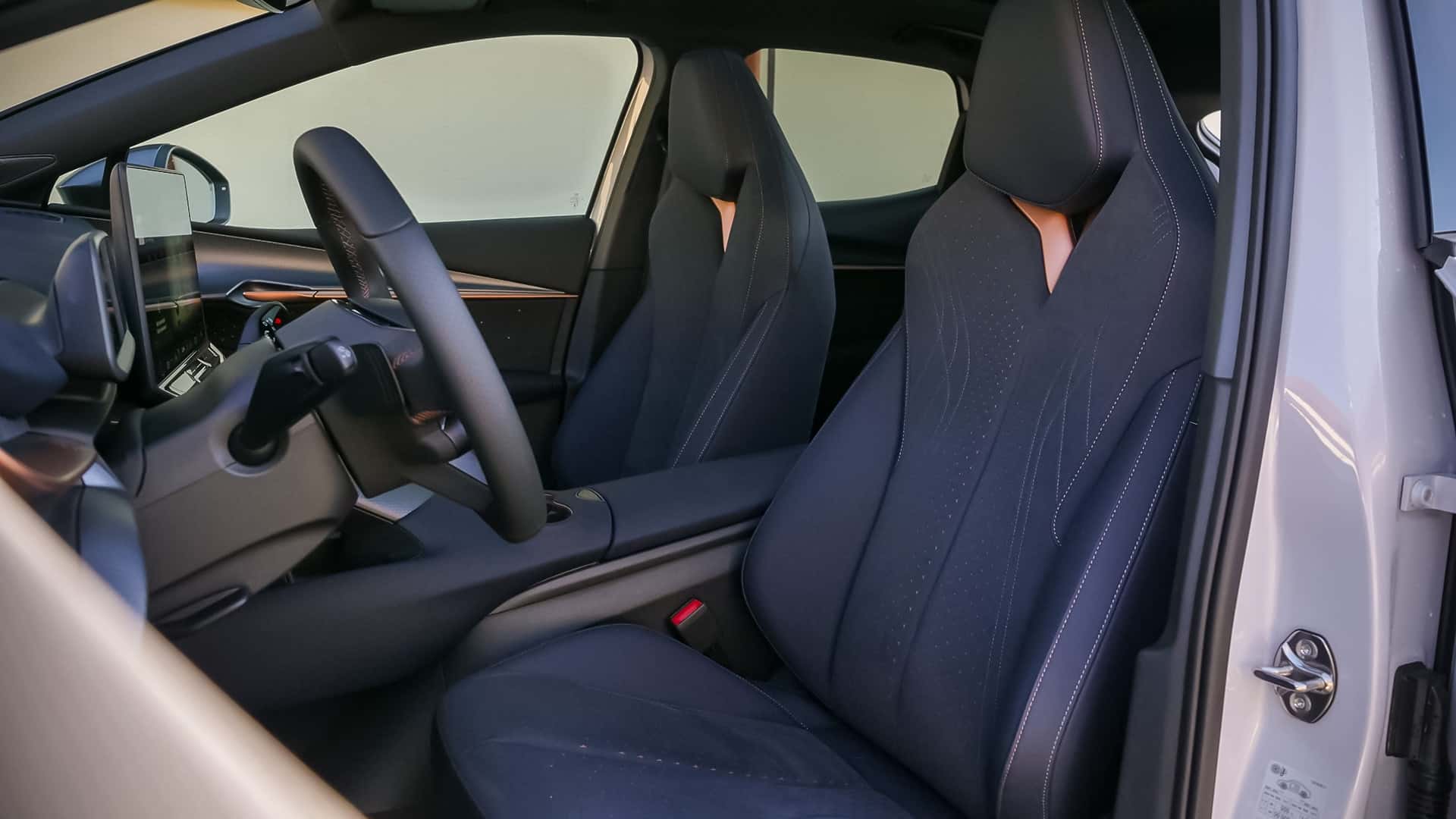
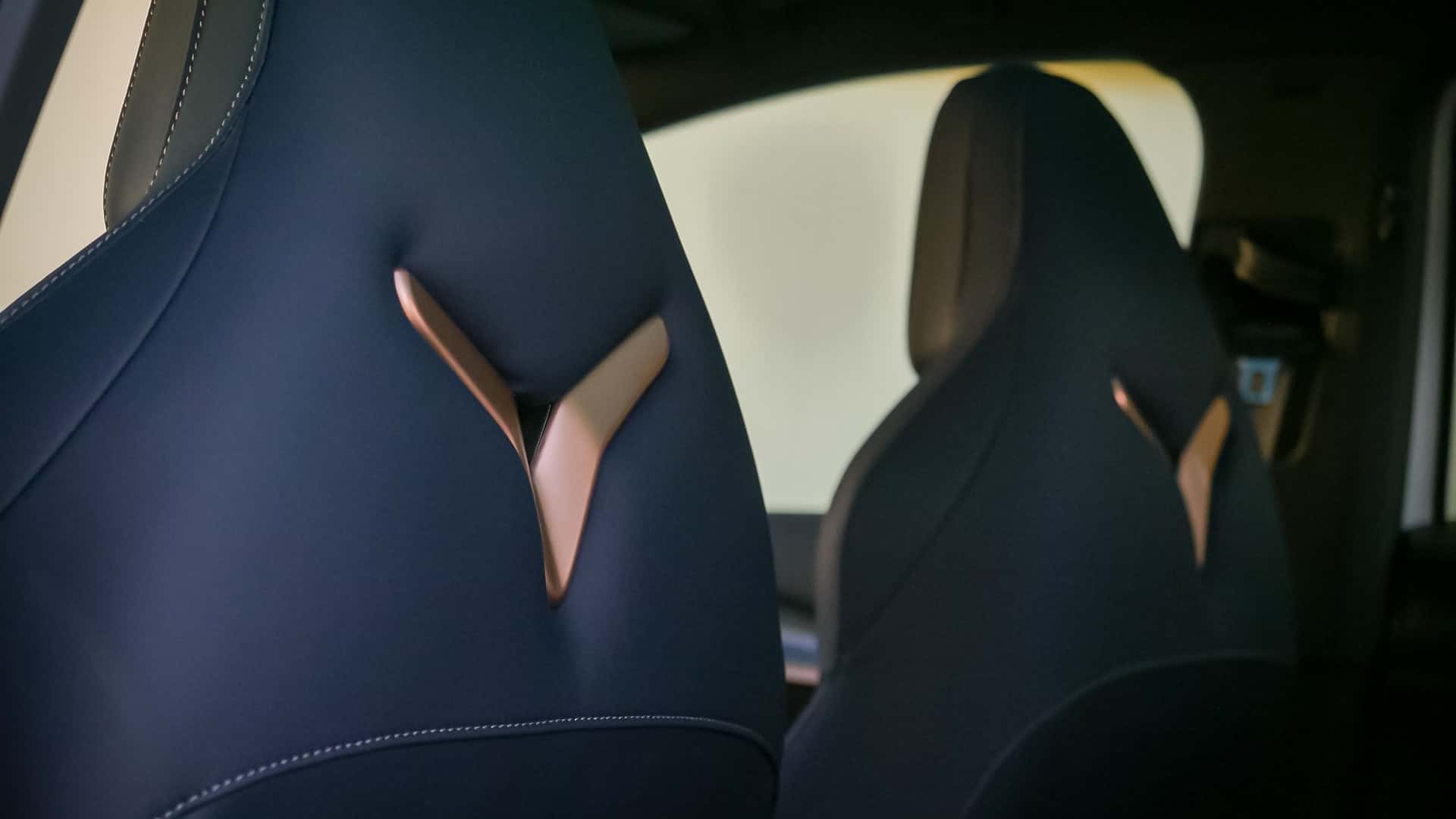
Brussels has just issued a verdict that could transform the European automotive sector. By exempting the electric SUV Cupra Tavascan from tariffs, the European Union offers a lifeline to the brand while laying the groundwork for future agreements. A strategic decision that underscores the importance of innovation and competitiveness in the electric market.
A Historic Decision for Cupra
The European Commission made a significant announcement on February 10, stating that the Cupra Tavascan will no longer be subject to the tariffs that have previously weighed on its imports from China. In fact, since October 2024, electric vehicles manufactured in China face a taxation in the EU that can exceed 30%. This new measure, which combines a common tariff of 10% and a compensatory tariff of 20.7% (resulting from an anti-dumping investigation), had seriously impacted the results of SEAT, Cupra’s parent company.
To give an idea of the magnitude of the damage, there is talk of a staggering drop of nearly 96% in operating profit in 2025, with the Tavascan being one of the main contributors to this financial fiasco. From now on, thanks to this exemption, only the basic tariff of 10% will apply, which could give a new boost to Cupra in the European market.
The Intricacies of a Closed Negotiation
Behind this decision are months of negotiations carried out by Volkswagen, which has championed the cause of the Tavascan as a true European project. Although it is produced in China, the vehicle benefits from a design and brand strategy solidly rooted in the old continent. The group has also committed to increasing its investments in electric mobility projects in Europe, thus responding to Brussels’ expectations regarding climate and industrial goals.
It is interesting to note that this exemption has been granted in exchange for a minimum import price and an annual sales quota to be respected, but the exact details of the agreement remain in the shadows. A welcome transparency would have allowed for a better understanding of the underlying economic challenges.
Impact on Consumers: Moderate but Significant
For potential buyers of the Tavascan, the direct impact of this decision seems to be more modest than expected. Experts estimate that even if tariffs are eliminated, this will not necessarily translate into a significant decrease in retail prices. The main goal of this exemption is to make the model viable in an ultra-competitive market, rather than offering an immediate bargain to consumers.
In other words, if you were hoping to find a Tavascan at a bargain price, you will likely need to adjust your expectations downward. This is less about a discount and more about a strategy to maintain competitiveness against other market players.
A Promising Future for Similar Agreements
Politics and economics make a good pair in this matter. The operation could open the door to similar agreements for other models imported from China, including those from emerging Chinese manufacturers. These latter are now encouraged to present their own price commitments to escape tariffs. A call for a fair deal that could modify the European automotive landscape in the coming years.
Beijing, aware of the challenges, has already reacted by advocating for a transparent and fair deal for its manufacturers on European soil. A geopolitical chess game where every move must be carefully calculated.
Volkswagen and the Electric Future
Finally, it is crucial to emphasize Volkswagen’s strategic interest in its electric range. In fact, the brand is seriously considering repatriating the production of future Tavascan models to Europe, to reduce its vulnerability to tariffs and the vicissitudes of international trade. A choice that could prove decisive in a market where innovation and flexibility are key.
In summary, this decision from Brussels not only saves a model: it could transform the future of electric mobility in Europe. The challenges are broader than ever, and there is no doubt that we will be following this closely.