

The race for innovation in the electric vehicle (EV) sector takes on a new dimension with the arrival of BYD’s Flash charging stations. These revolutionary chargers promise an almost instantaneous charging experience, challenging current standards and redefining driver expectations.
A Major Technological Advancement
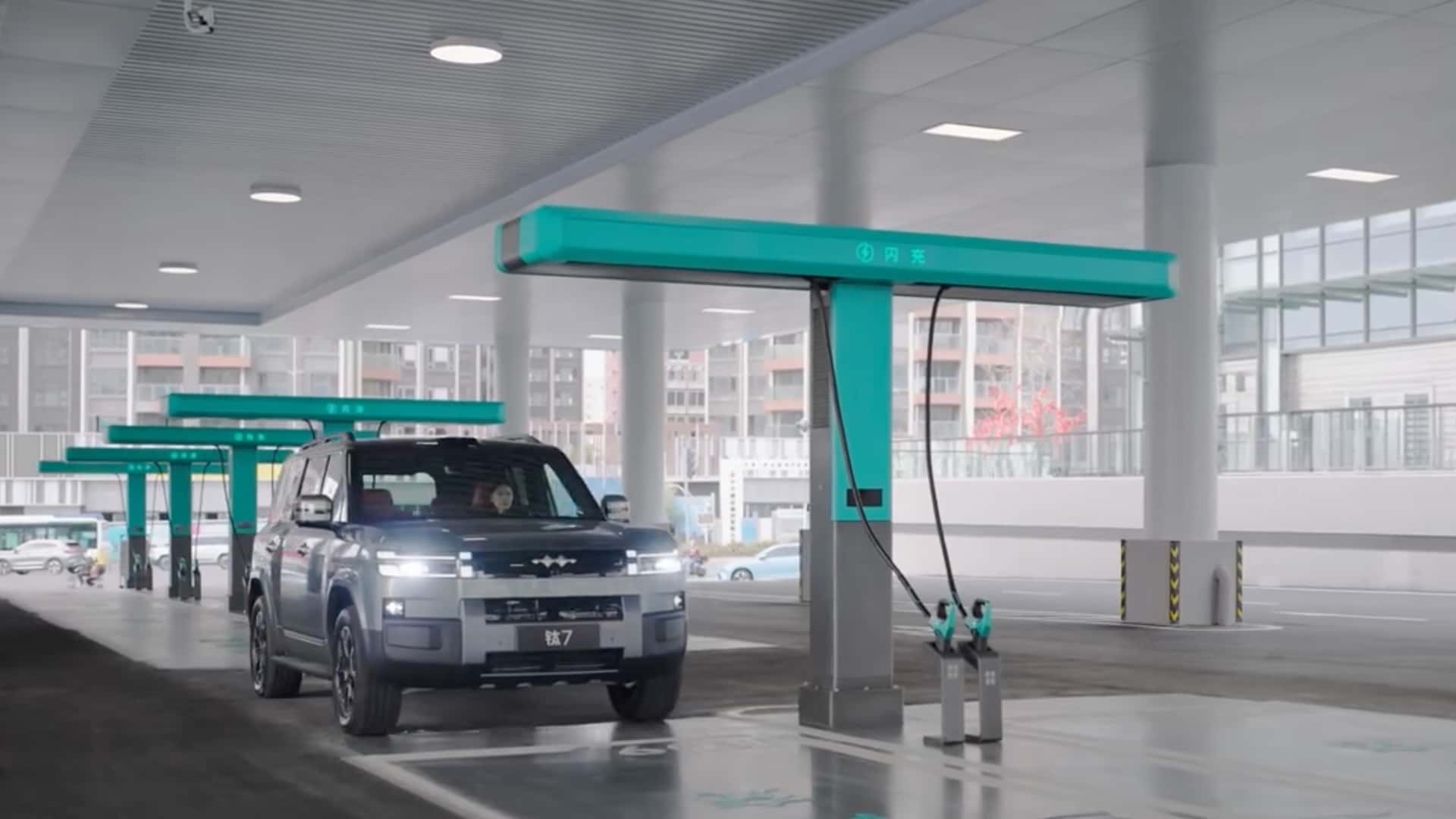
A year ago, BYD already made waves with its “megawatt” chargers, capable of delivering over 1,000 kW. But the Chinese brand hasn’t stopped there. With the introduction of its new Flash chargers, it has taken a further step. These stations can now reach a power output of 1,500 kW, allowing nearly 1,000 km of range to be recovered in under ten minutes. In short, this technology brings electric charging closer to the speed of filling up with petrol, a decisive turning point for EV acceptance.
The Everyday Challenge: Speed and Accessibility
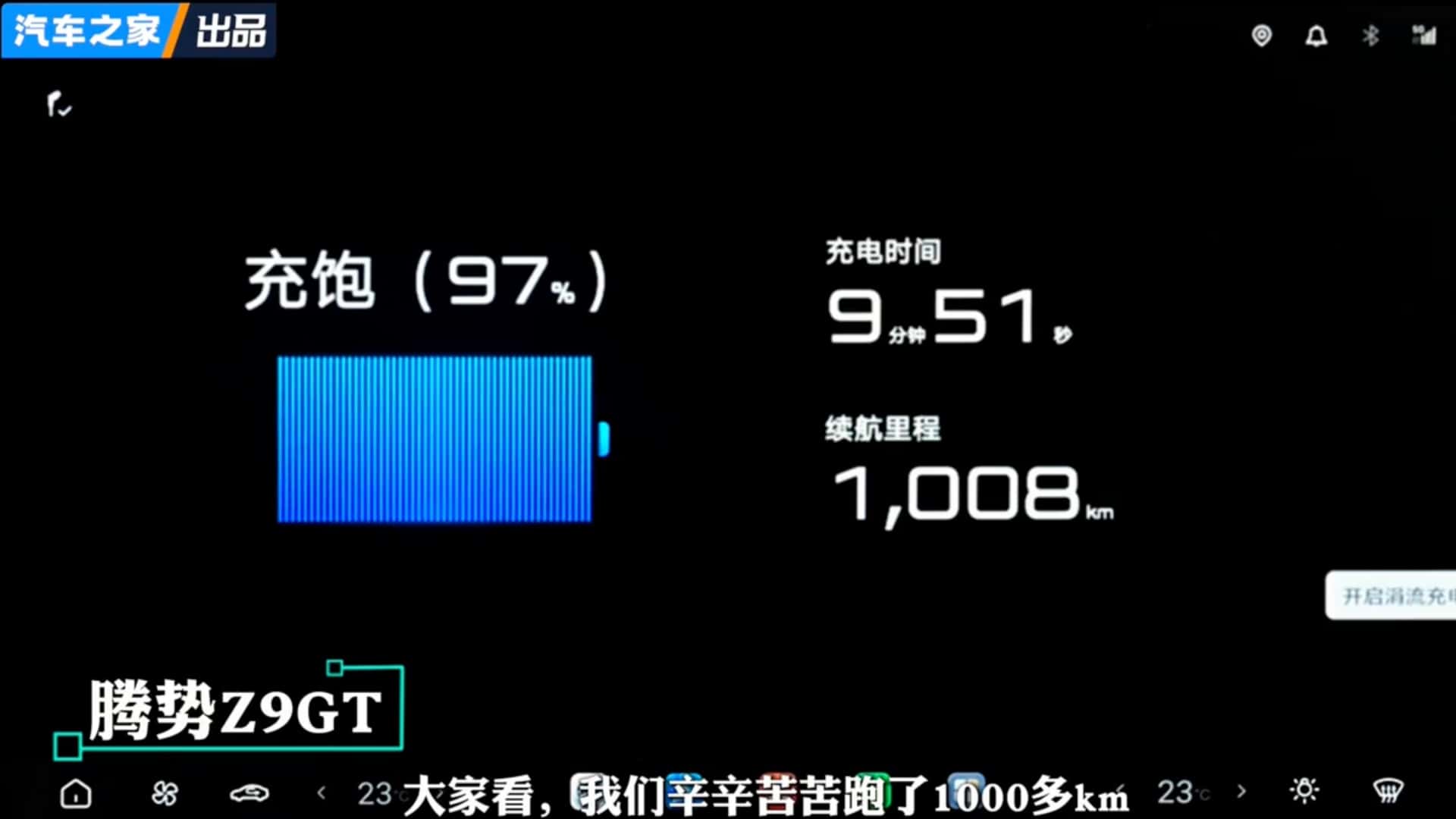
Charging speed is often cited as a barrier to electric vehicle adoption. With traditional stop times of 20 to 40 minutes for an 80% charge, consumers remain hesitant. However, BYD offers a concrete solution: in real-world conditions, the Denza Z9 GT demonstrated that it took just 9 minutes and 51 seconds to go from 9% to 1,008 km of range. A performance that could well shift mindsets.

User-Centric Design
The new Flash stations are not just about rapid charging; they are also designed to provide an optimal user experience. Inspired by traditional petrol stations, these units allow for quick charging without hassle, thanks to lightweight nozzles and a plug-and-charge function. This means less time wasted juggling apps or payment systems, a significant advantage for time-pressed drivers.
Ambitious Expansion Strategy
BYD is not content to shine solely in the Chinese market. With around 4,200 stations already built and a target of 20,000 by the end of the year, the brand aims to cover over 90% of urban areas in China within a 5 km radius. This strategy could reinforce its position as a leader in the global EV market. Simultaneously, the company plans to introduce these Flash chargers in Europe, Latin America, and the Middle East. An offensive that could change the game in these regions.
Implications for the Electrical Grid
Such a rollout also raises questions about the electrical grid’s capacity to support such demand. BYD’s president, Wang Chuanfu, acknowledged that energy storage batteries would be necessary to manage the load and avoid surges. This model, already used in some North American charging stations, could become the norm, thereby integrating a sustainable dimension into this technological revolution.
Fierce Competition on the Horizon
As BYD takes the lead, other Chinese players like Zeekr and Huawei are not standing still. The competition to develop megawatt charging stations is intensifying, which could have repercussions on the global market. Meanwhile, American manufacturers seem to be slowing their technological advancement, focusing their efforts on combustion models rather than electric innovation. A strategy that could cost them dearly in the years to come.
In Summary
- BYD’s Flash stations redefine EV charging speed.
- An impressive performance: nearly 1,000 km of range in under 10 minutes.
- An optimised user experience with a design inspired by petrol stations.
- An ambitious goal of 20,000 stations in China by the end of the year.
- Implications for the electrical grid and increased competition in the market.
Conclusion: BYD’s new Flash charging stations represent a true industrial masterstroke that could transform the electric vehicle landscape. For consumers, this means potentially faster adoption of EVs, while competitors must step up their efforts to avoid being left behind. In the medium term, the impact on the global market could be significant, with a repositioning of traditional players in the face of this silent revolution.


