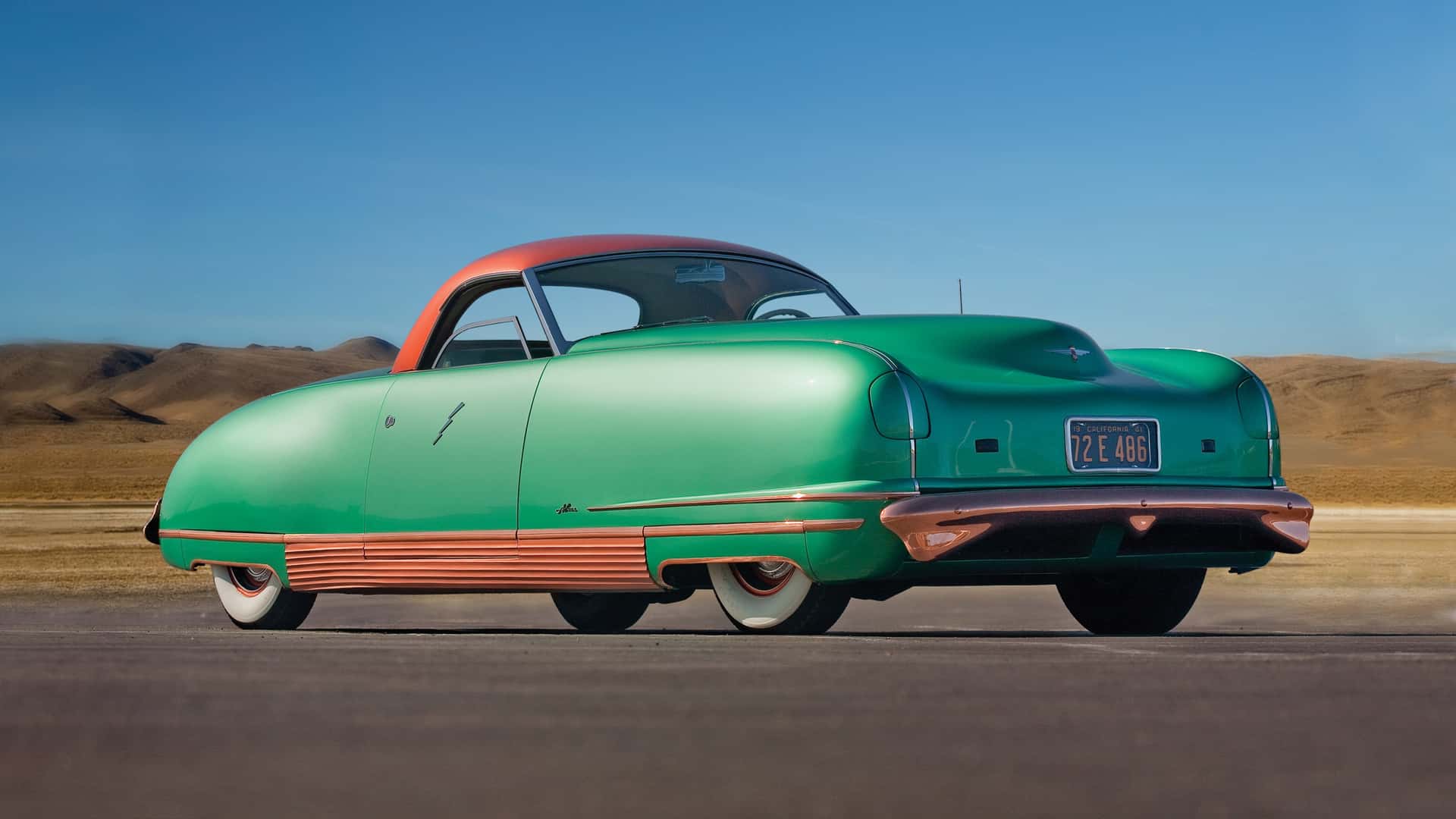
The Chrysler Thunderbolt, unveiled in the early 1940s, embodies a fleeting technological dream, struck down by the shadow of the Second World War. This concept car, both visionary and unfortunate, highlights the ambitions of an era where automotive innovation flirted with science fiction.
With its futuristic lines and avant-garde technical solutions, the Thunderbolt represents a turning point in Chrysler’s history, as well as a symbol of what war can obliterate. Indeed, its development was abruptly halted, leaving behind a legacy that is both fascinating and tragic.
A Manifesto of American Technology
Designed at LeBaron Studios, a division of Briggs Manufacturing Company, the Thunderbolt is the brainchild of Alex Tremulis and engineer Fred Zeder, vice-president of Chrysler Corporation. Its name, referencing a 1930s speed record car, evokes not only performance but also an ideal of modernity. The bold design of this two-seater sports coupe, featuring a retractable hardtop and integrated headlights, was ahead of its time, incorporating elements that were not yet commonplace in the automotive industry.
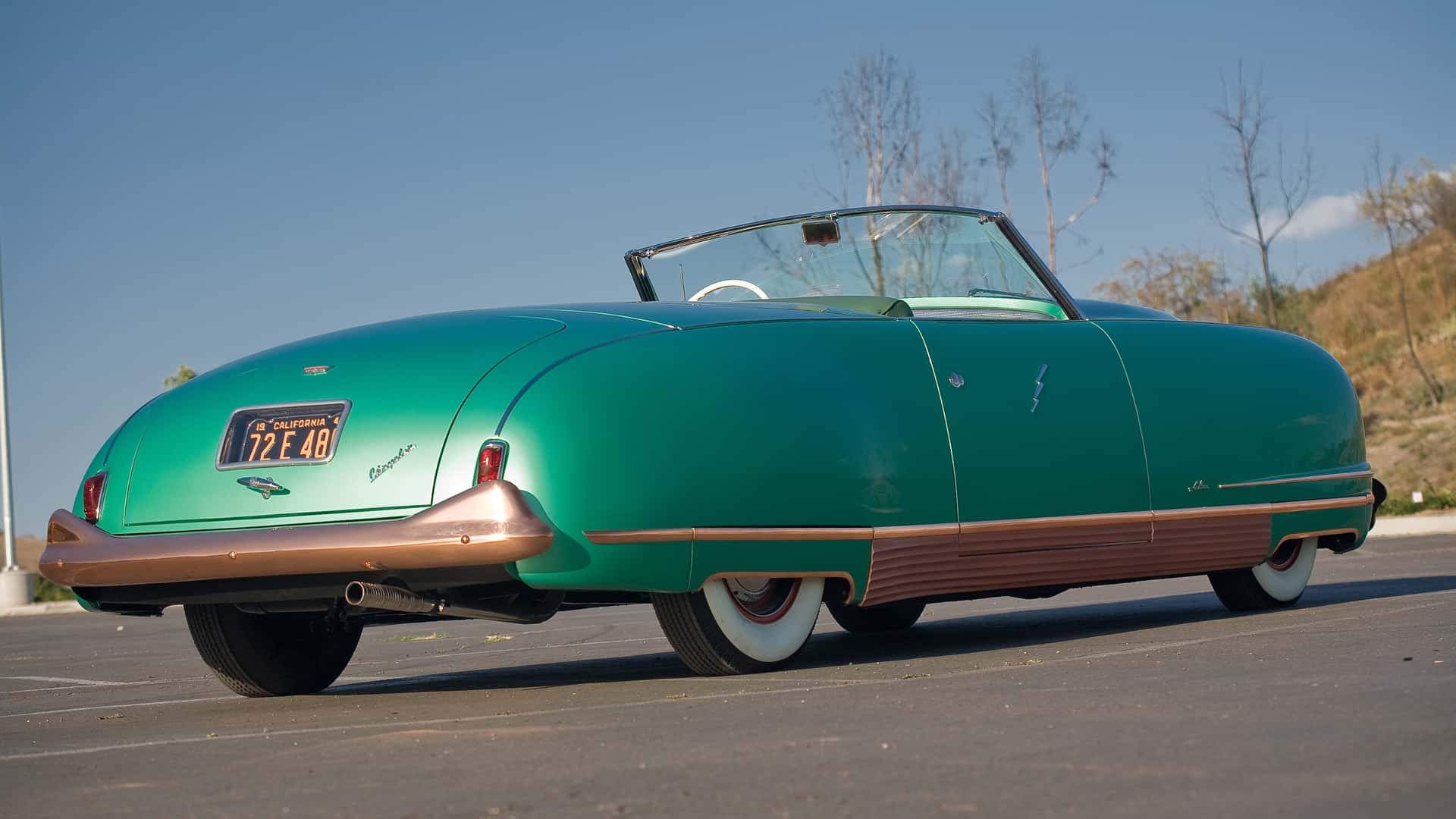
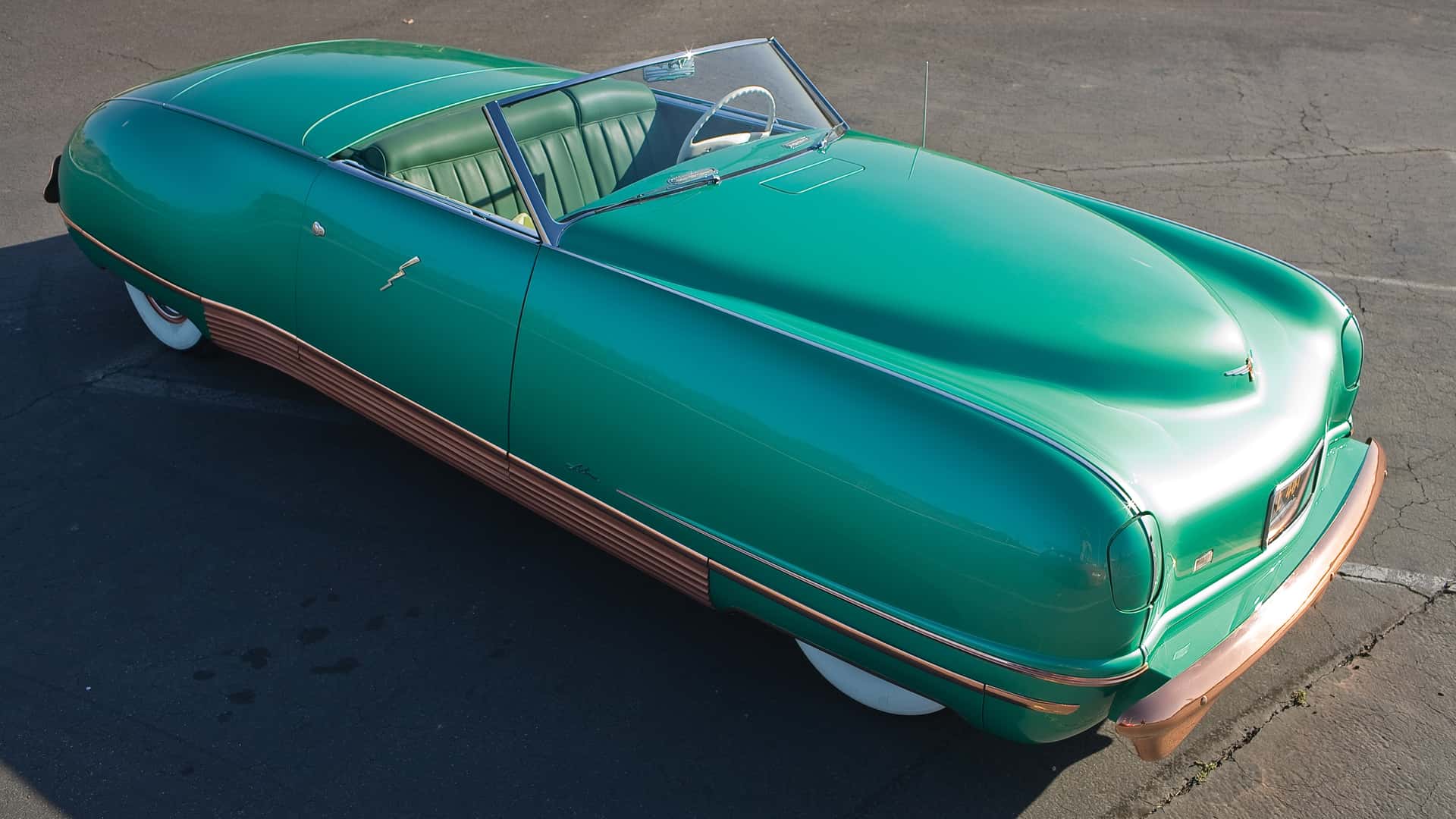
Chrylser Thunderbolt Concept (1940)
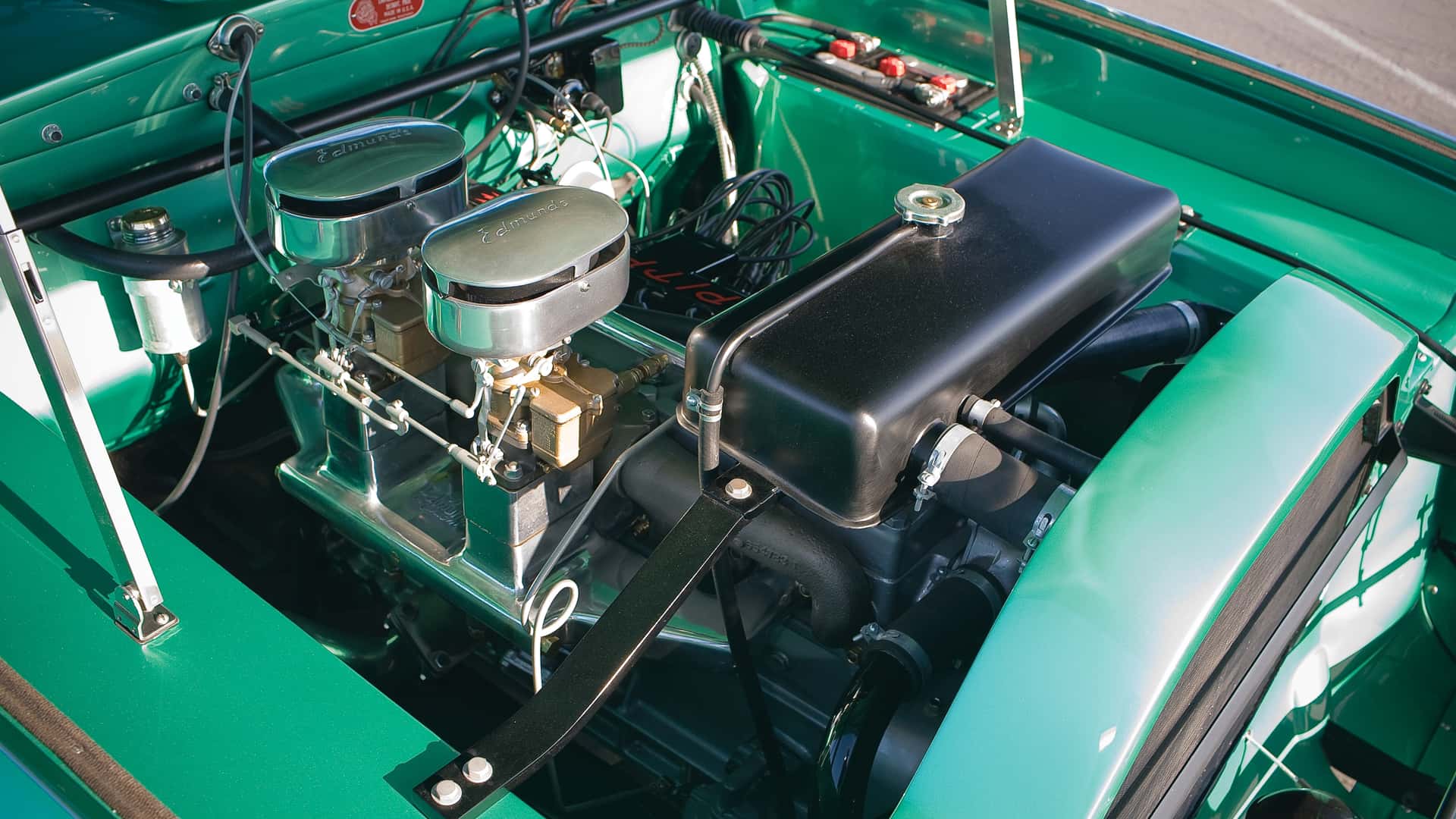
Built on the chassis of a Chrysler C-26, the Thunderbolt stands out with its aluminium body mounted on a steel chassis. Its engine, an inline eight-cylinder producing around 150 hp, paired with a three-speed Fluid Drive semi-automatic transmission, promised a unique driving experience. In short, this car was a manifesto of American technology, a symbol of a bright future that would never come to pass.
Refined… and Unlucky
Aesthetically, the Chrysler Thunderbolt impresses with its smooth sides and faired wheels. The absence of a front grille and the integration of headlights into the body contribute to a sleek silhouette, true to the Art Deco spirit. The retractable hardtop, folding back, limits the cabin to a single front bench seat, capable of accommodating three passengers. This choice, while singular, reflects a bold and innovative design.
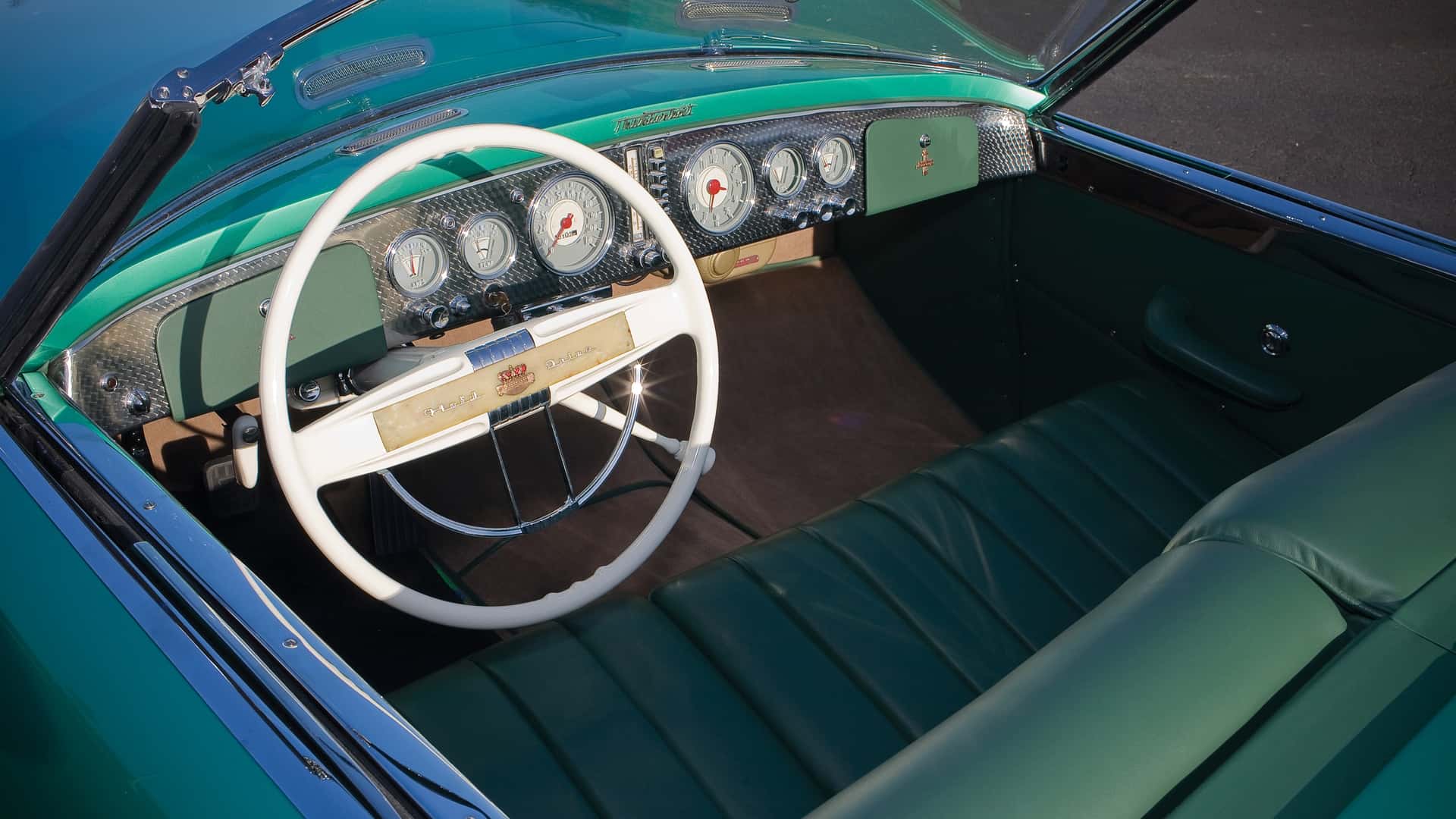
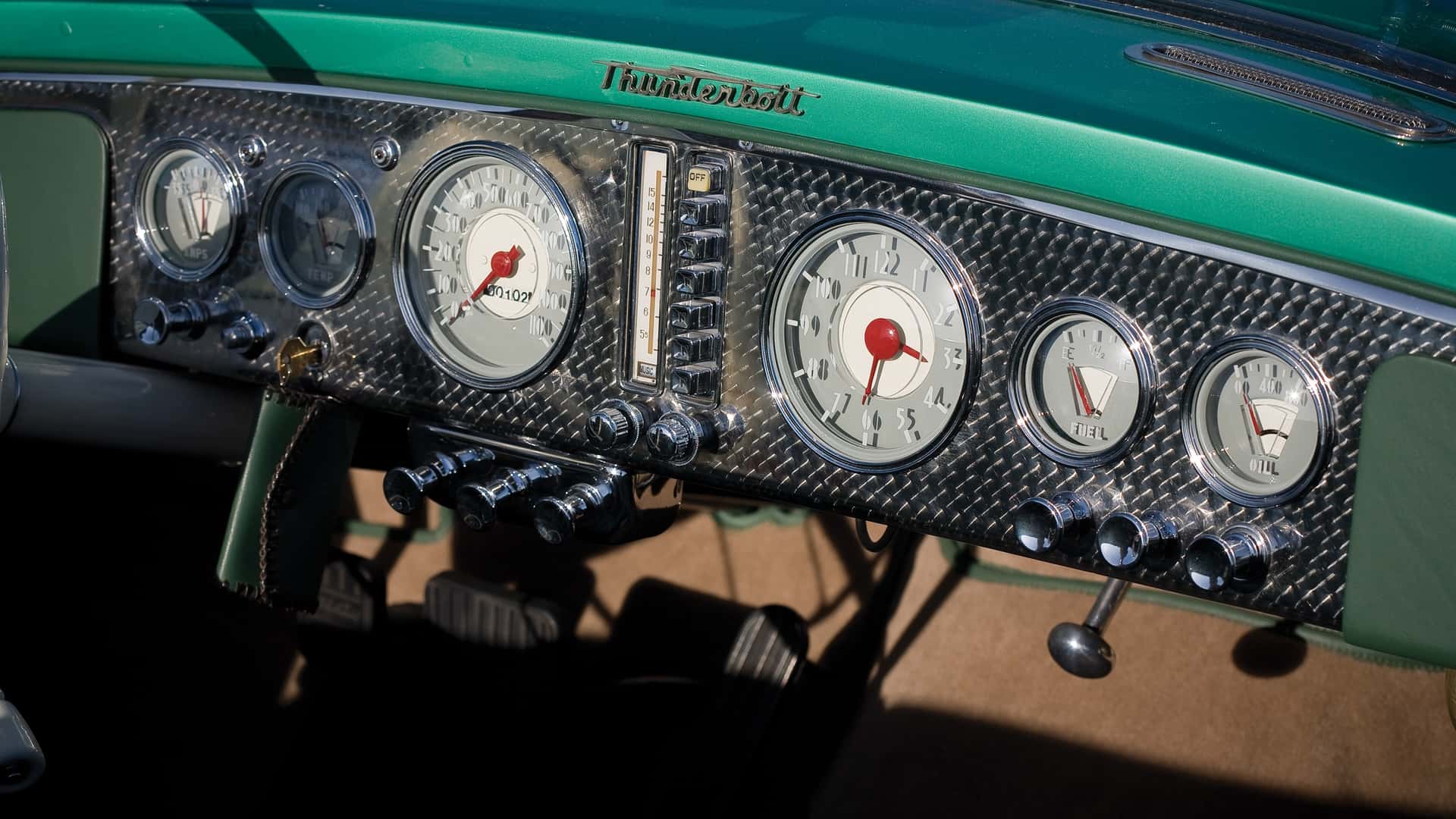
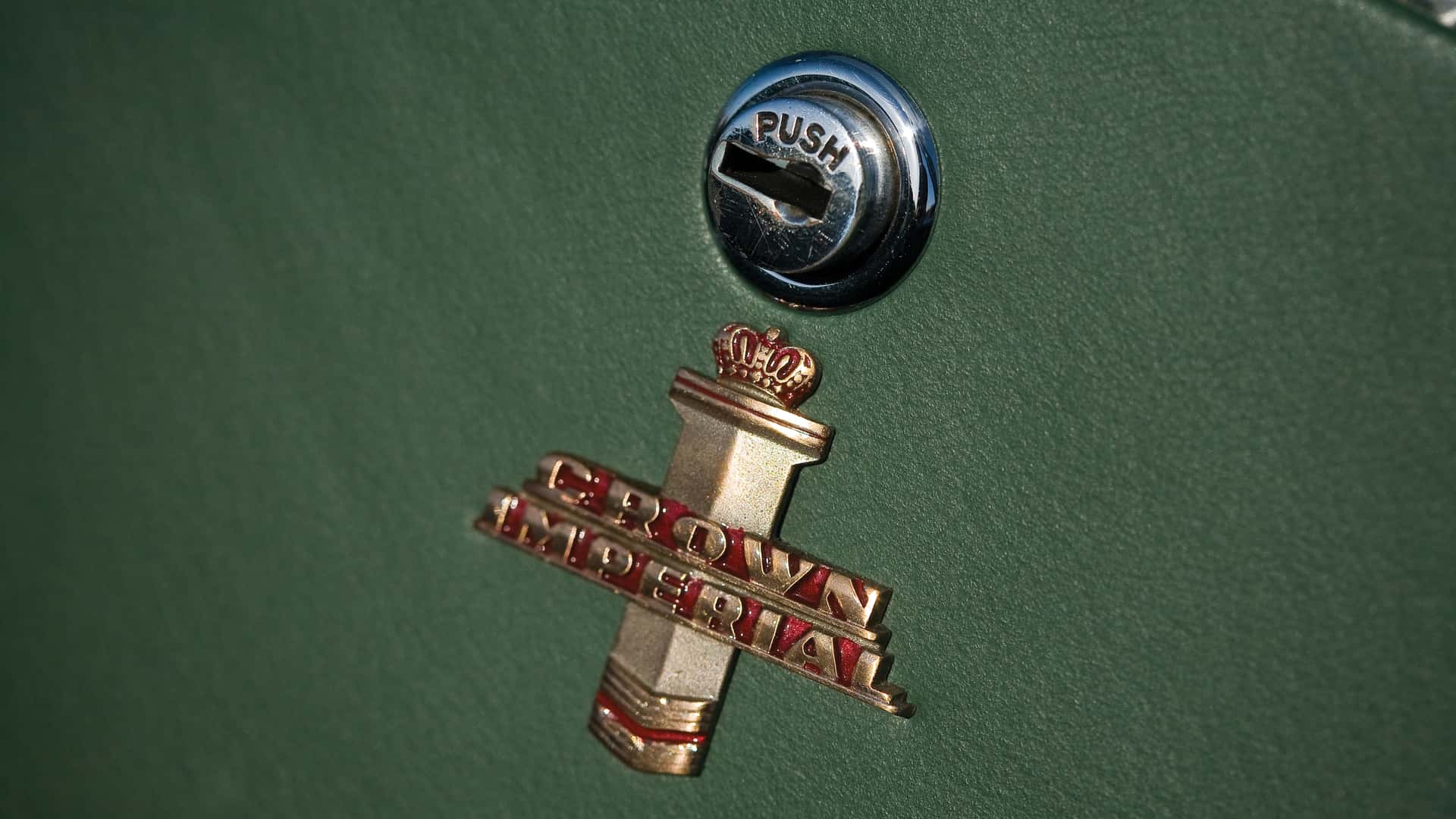
Chrylser Thunderbolt Concept (1940), the interior
The interior of the Thunderbolt is equally impressive, featuring high-quality leather and a bespoke aluminium dashboard. The electrical features for the time are remarkable, incorporating electric windows and advanced controls. This luxury and sophistication were aimed at attracting a wealthy clientele, but history would decide otherwise.
Unveiled at the New York Auto Show in 1940, the Thunderbolt toured the United States as a show car, reinforcing Chrysler’s image at a pivotal moment in its history. However, the outbreak of the Second World War abruptly halted the development of a production version. By 1941, production ceased, turning this car into an artifact of a bygone era.
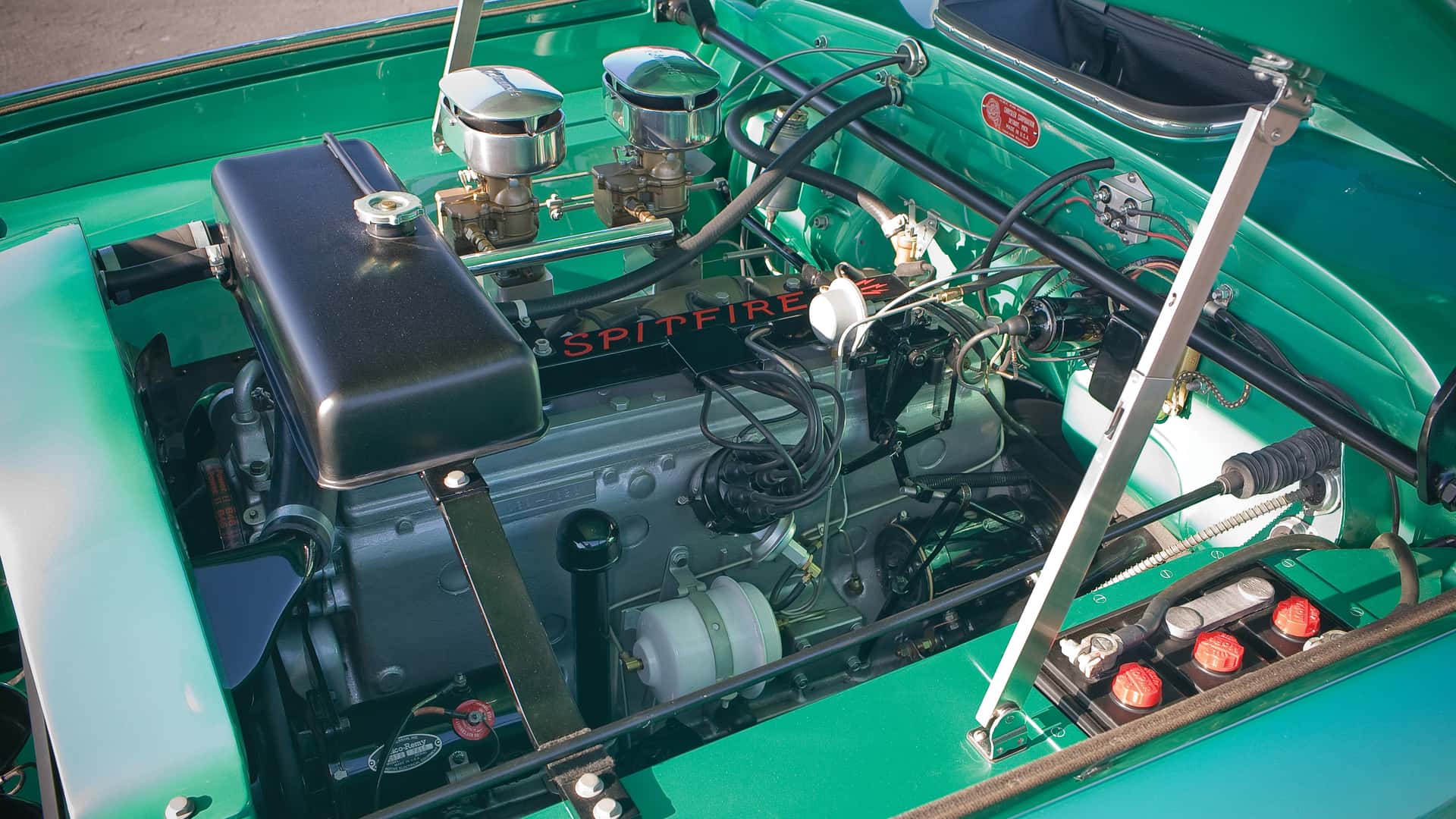
Chrylser Thunderbolt Concept (1940), the engine
Produced in only five or six examples, each with a different delivery, the Thunderbolt remains one of the rarest and most sought-after American concept cars today. This paradox between its innovation and commercial failure raises questions about the untapped potential of such a creation.
A Vision Sacrificed on the Altar of War
The Thunderbolt is emblematic of a time when the American automotive industry was at the forefront of innovation. Yet, the historical context played a decisive role in its fate. As the world prepared to enter war, the resources needed for automobile production were redirected towards the war effort. The transformation of factories to produce military vehicles left little room for projects as ambitious as Chrysler’s.
This abrupt halt is not merely an anecdote. It illustrates the challenges faced by car manufacturers when attempting to navigate between innovation and economic reality. The Thunderbolt could have been a precursor to a new era for Chrysler, but it became a symbol of an unfinished dream. In essence, this car reminds us that innovation can be a luxury that cannot be afforded in times of crisis.
A Two-Faced Legacy
The Chrysler Thunderbolt, although never reaching production, has left an indelible mark on automotive history. Its bold design and technical innovations continue to inspire today’s designers and engineers. Indeed, several elements integrated into this concept car have found their way into later models, testament to a vision that, although hindered by circumstances, has not entirely vanished.
As car manufacturers seek to reinvent themselves in the face of current environmental and technological challenges, the Thunderbolt serves as a reminder that boldness and innovation are often tested by external forces. The question remains: how far can a brand go before the context derails its ambitions?
In Summary
- The Chrysler Thunderbolt embodies a futuristic vision of the automobile.
- Its development was halted by the outbreak of the Second World War.
- Produced in only a few examples, it is now a coveted object.
- Its legacy continues to influence modern automotive design.
- It illustrates the challenges of innovation in the face of economic and political realities.
In conclusion, the Chrysler Thunderbolt is a striking example of what the automotive industry can achieve when it allows its creativity to flourish. For car enthusiasts and collectors, it represents not only a rare treasure but also a reminder of ambitions shattered by war. In the medium term, one can expect this legacy to inspire a new generation of concept cars that will not hesitate to embrace boldness in the face of contemporary challenges.