In the shadows of Mazda’s offices, an audacious prototype was conceived by enthusiasts: a V6-powered MX-5. This project raises questions about the future of the iconic roadster and its technical choices.
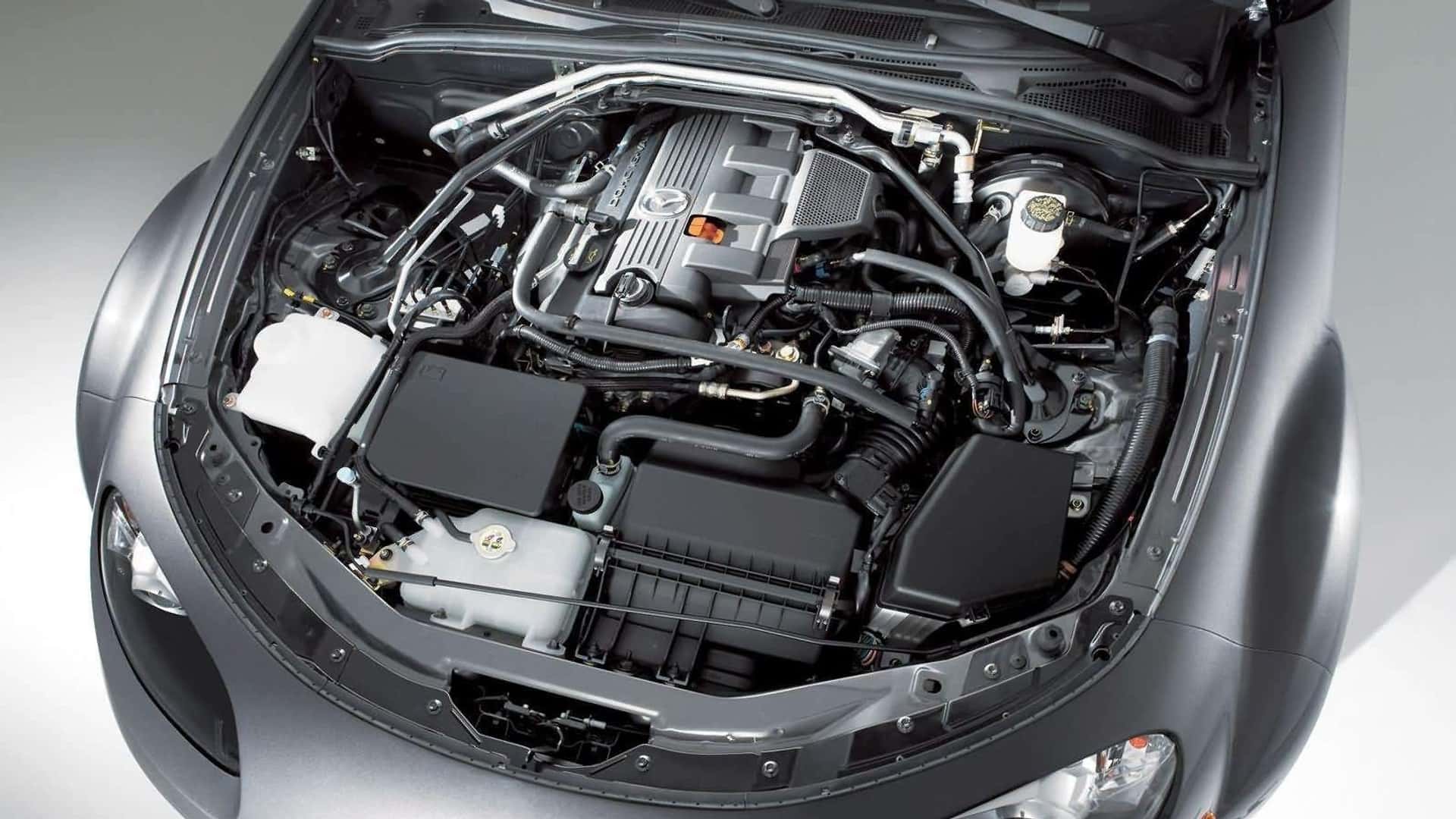
A Dream of Power Under the Bonnet
The Mazda MX-5 is renowned for its lightness and agility. Historically, it has always been powered by four-cylinder engines, seeking the perfect balance between weight and performance. However, the brand’s engineers dared to go further by designing a secret prototype equipped with a 2.5-litre V6. Christian Schultze, head of research and development at Mazda in Europe, revealed this unprecedented venture during an interview with the Dutch magazine AutoRAI.
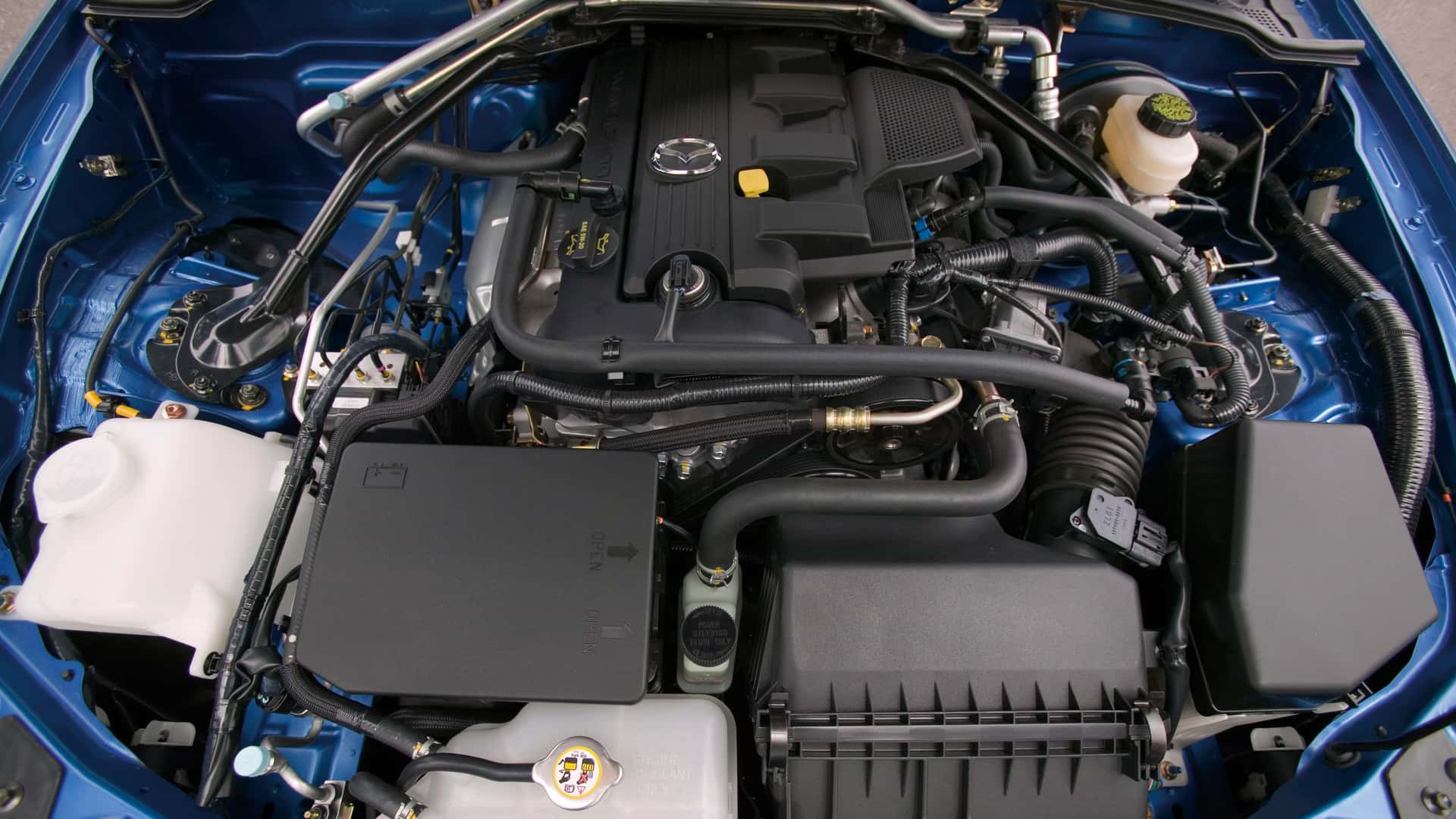
A Passionate Yet Unofficial Project
This prototype, assembled by enthusiasts in their spare time, was never officially backed by Mazda. While this initiative reveals a desire for innovation, it raises questions about the brand’s strategy. Why not integrate this more powerful engine into a production model? The answer seems to lie in economic and technical limitations: a V6 would have required costly and complex modifications to the platform, without guaranteeing sufficient return on investment for a low-volume sports car.
Promising Performance, But at What Cost?
The 2.5-litre V6, potentially derived from the Mazda MX-6 engine, could have offered up to 200 bhp, a tempting figure for adrenaline enthusiasts. In comparison, the most powerful MX-5 to date, the special edition 12R reserved for Japan, does not exceed 197 bhp. However, adding a heavier engine raises doubts about weight distribution, crucial for the car’s dynamic behaviour. The MX-5’s reputation is built on its 50:50 balance, and a V6 would inevitably disrupt this harmony.
A Design Compromised by Engineering
Incorporating a V6 into the MX-5’s engine bay was not without challenges. The engine’s volume forced engineers to acknowledge that the car’s aesthetics would be affected. While performance might have been up to par, the design, essential for a sports car, would have been compromised. This raises a crucial question: how much style is acceptable to sacrifice for power? This dilemma lies at the heart of automotive designers’ concerns, where every detail counts.
The Consequences of Such a Decision
The decision not to commercialise this V6 prototype can be interpreted as a sign of caution from Mazda. The automotive industry faces increasingly stringent safety and emissions standards. An MX-5 equipped with a V6 would have required not only mechanical adjustments but also compliance with regulations. In summary, while the idea was appealing, the challenges were too numerous to consider mass production.
An Uncertain Future for the MX-5
As the current MX-5 (ND) approaches the end of its life cycle, rumours about its next generation are intensifying. By 2026, it is unlikely that the Miata will exceed 200 bhp without a radical change in its design. The pressure on Mazda to deliver improved performance against growing competition, particularly from electric models like the Porsche Taycan or modern roadsters, is palpable. The question remains: how far is Mazda willing to go to stay competitive while preserving the MX-5’s light and agile DNA?
In Summary
- A secret MX-5 prototype with a V6 engine was designed by engineers.
- This unofficial project illustrates the economic and technical challenges Mazda faces.
- The performance of a V6 could have been tempting, but it would have altered the model’s balance.
- The decision not to commercialise reflects caution in the face of strict industry standards.
- The future of the MX-5 remains uncertain as competition intensifies.
In conclusion, this venture surrounding the V6 in the MX-5 reminds us that innovation is a delicate exercise. Who might this MX-5 have been relevant for? For purists seeking thrills, it could have represented a fresh breath of air. But as things stand, it seems Mazda prefers continuity over risky experimentation. Alternatives could include a hybrid or electric version, but this would require a reevaluation of the MX-5’s very identity.