


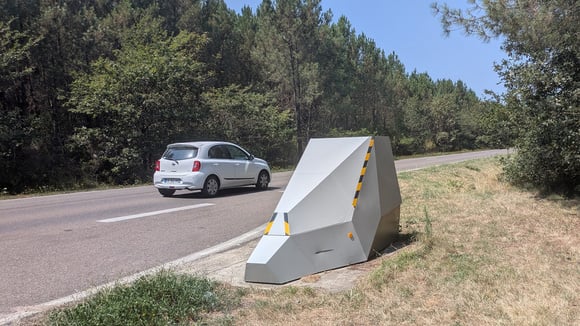
A new autonomous speed camera has appeared on the roads of Seine-et-Marne, potentially changing the game for local motorists. Installed without warning signs, this device raises questions about the transparency of road safety measures in France. As traffic surveillance intensifies, what is the real impact of these devices on driver behaviour?
An Unexpected Speed Camera
In early March, an autonomous speed camera was installed on the D216 road, connecting Brie-Comte-Robert to Coulommiers, in a zone limited to 80 km/h. This device, lacking prior signage, is designed to capture any speed violations. In simple terms, drivers may easily find themselves surprised by an unexpected flash, a situation that only heightens tension on the already busy roads of the region.
A Nightmare for Road Users
For many, these cameras have become a real thorn in the side. Their ease of installation and mobile nature make them particularly fearsome. Every day, thousands of drivers travel unaware that they could be photographed for exceeding the speed limit by just a few kilometres per hour. This reality fuels a sense of injustice among motorists, often caught off guard by devices whose presence is more insidious than evident.

A Financial Gain for the State
In Île-de-France, these cameras are not just safety tools; they also represent a significant source of revenue for the state and local authorities. The fines generated by these devices contribute to various funds, including that of the French Agency for Transport Infrastructure Financing. Thus, these cameras, far from being mere control devices, participate in an economic system where road safety sometimes seems secondary to financial interests.
Unsignalled Devices: A Controversial Choice
The decision to install cameras without warning signs raises legitimate questions. Why not inform users about the presence of a camera? The answer may lie in the effectiveness of surveillance. By surprising drivers, these cameras maximise the chances of penalising reckless behaviour. However, this strategy raises ethical concerns about the transparency of authorities’ actions. Do road users have the right to know where these devices are located?
Speed Limits to Be Respected Under Penalty
The camera in the 77 begins to issue fines from 80 km/h, with a tolerance of 5 km/h, meaning a driver will not be photographed until exceeding 86 km/h. Still, this margin should not encourage negligence. Driving behaviour must remain responsible, but this approach can also be seen as a method to collect more fines. The real issue is that speed often depends on context: a slight excess can have dramatic consequences in certain situations.
A Widespread Trend in France
This camera is not an isolated case. Many other autonomous devices have emerged across the country, each with its own installation strategy. For instance, in Marseille or Tourcoing, urban cameras also operate without clear signage. This phenomenon reflects a growing willingness among authorities to enhance road safety through measures sometimes perceived as coercive. Thus, motorists must remain increasingly vigilant throughout the road network.
In Summary
- A new autonomous speed camera installed in Seine-et-Marne without signage.
- Road users fear these mobile devices.
- The fines generated support various public funds.
- The lack of signage raises ethical questions about transparency.
- The trend of installing autonomous cameras is spreading in France.
This new approach to traffic surveillance could have medium-term consequences on driver behaviour. If the aim is to improve road safety, it is essential that authorities find a balance between surveillance and information. For motorists, it becomes crucial to stay alert and informed about operational devices. Meanwhile, these autonomous cameras continue to spark debate and fuel a necessary discussion about road safety in France.


