The Internal Combustion Engine’s Last Stand?
Just when you thought the internal combustion engine was being marched towards the knacker’s yard, a consortium of automotive heavyweights is staging a daring rearguard action. BMW, Toyota, Bosch, and Repsol have pooled their considerable might to launch a real-world pilot in Spain, testing whether petrol cars can, in fact, continue to slake their thirst on something other than fossil fuels.
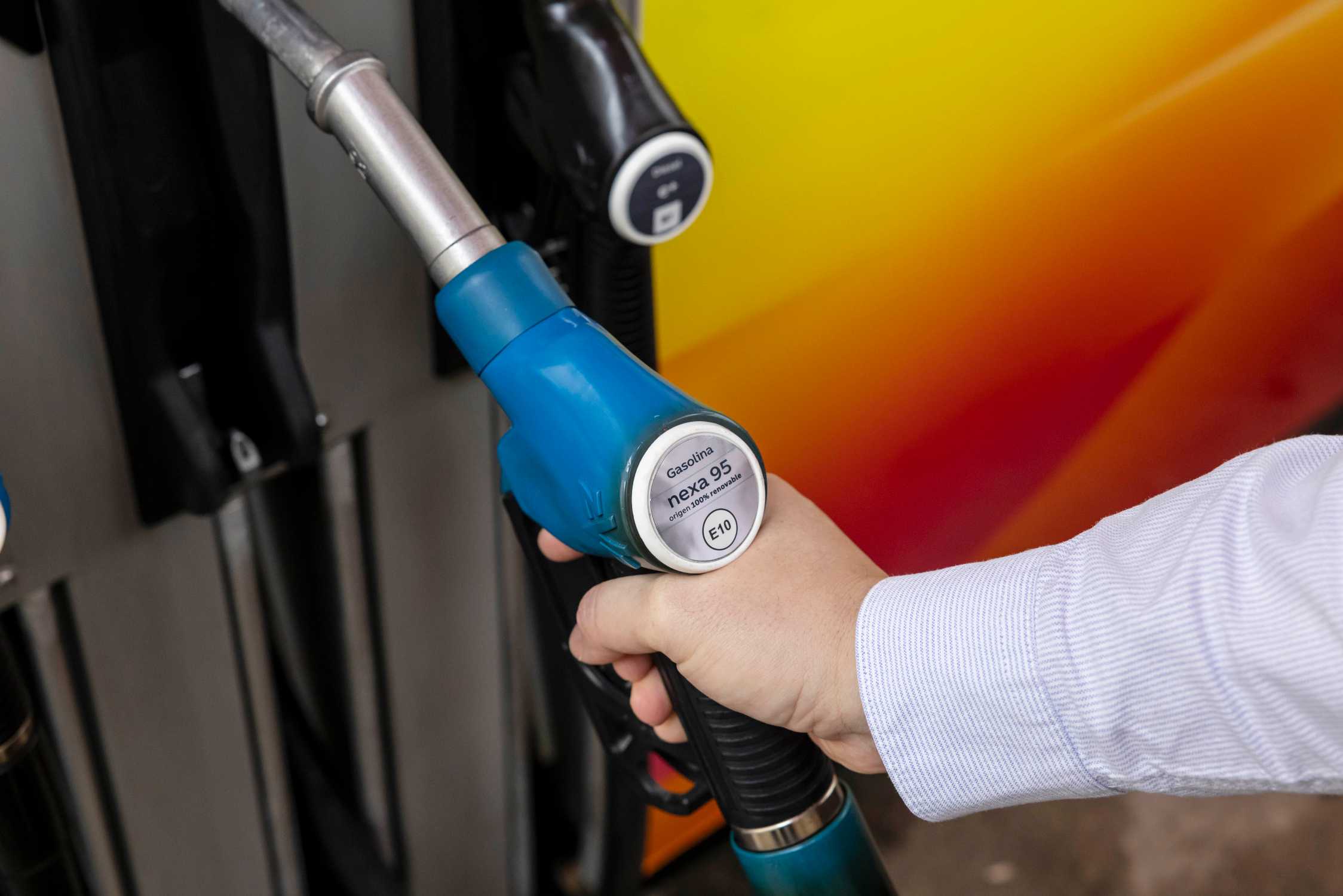
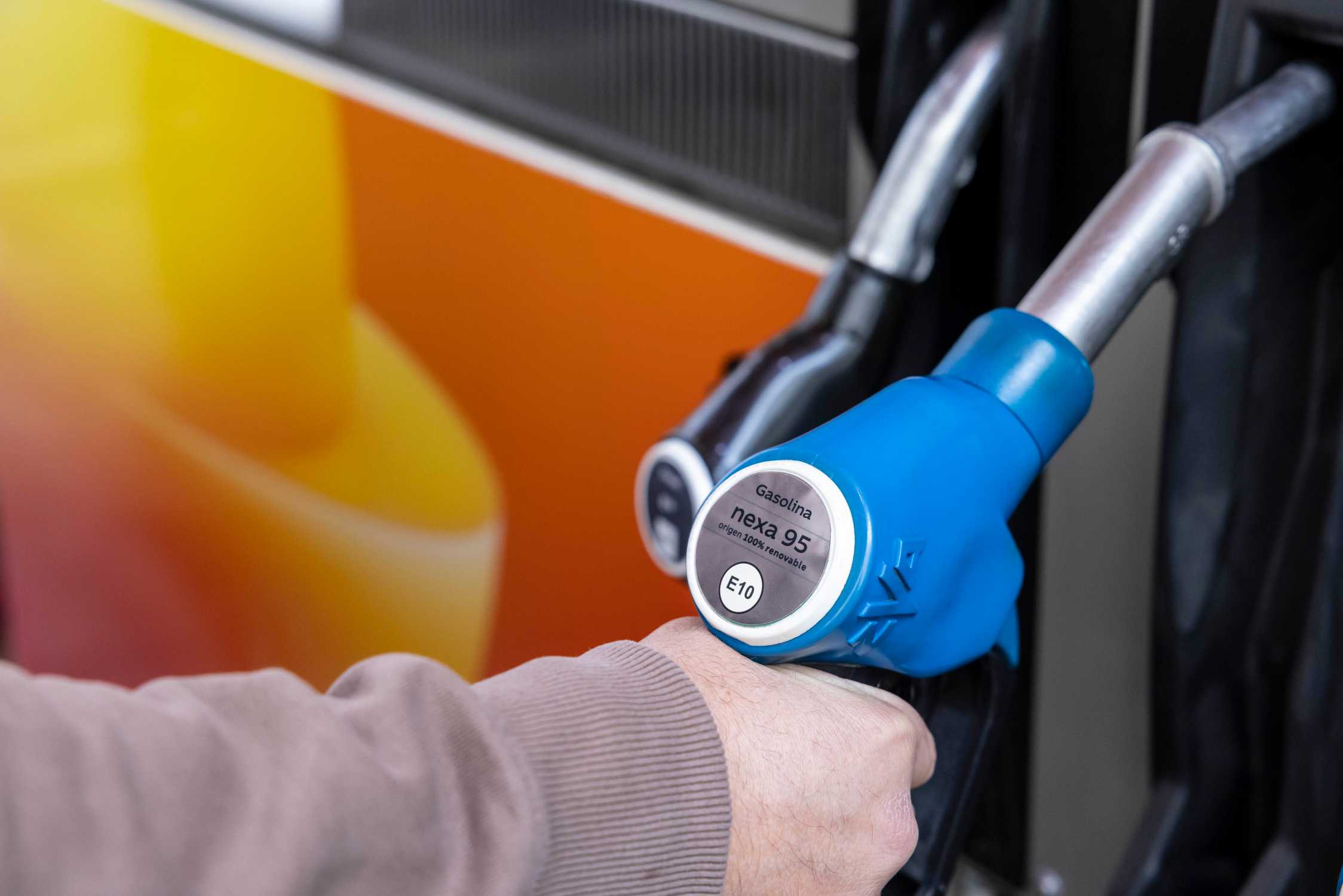
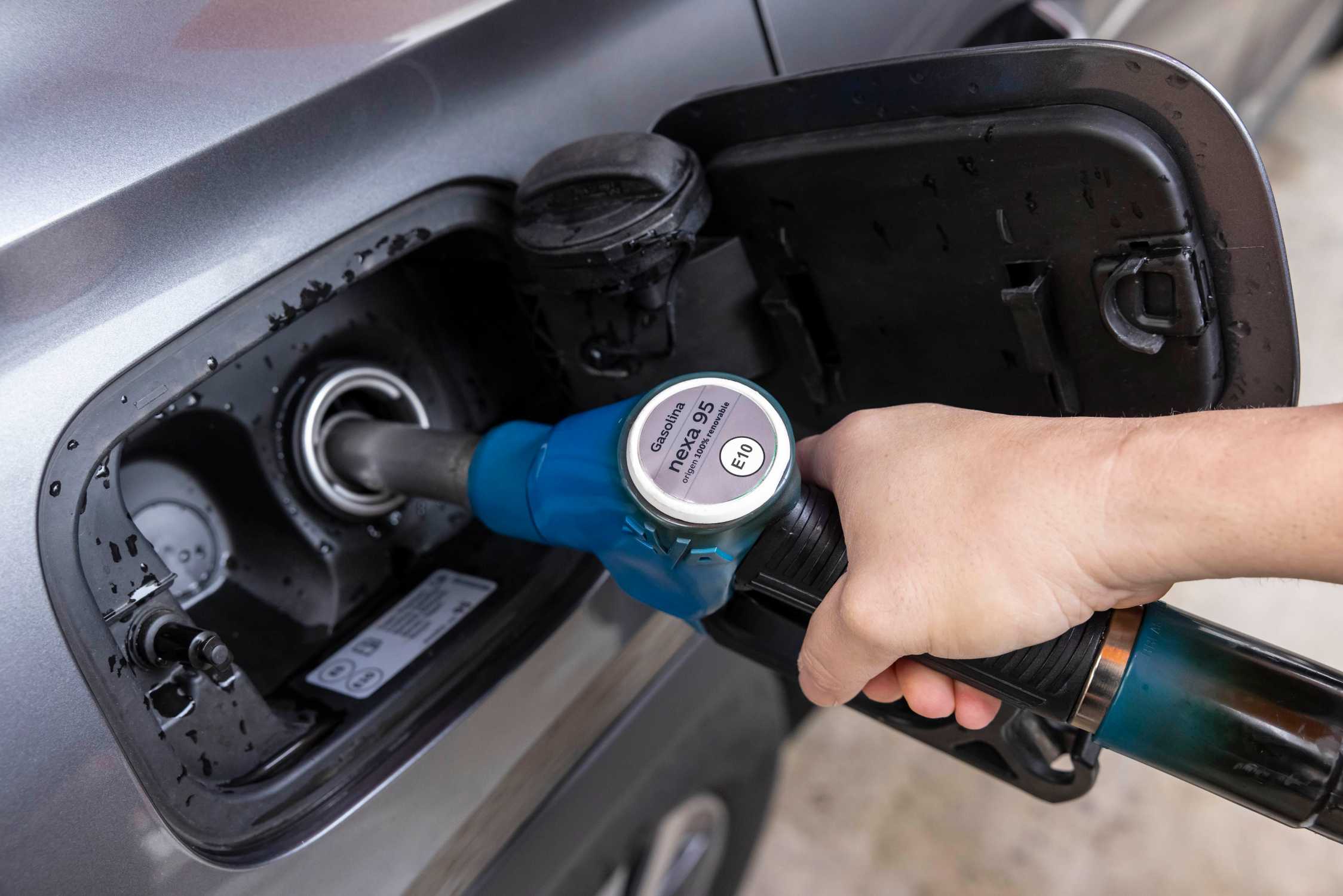
Forget the electric revolution for a moment, or at least put it on pause. This ambitious six-month trial, kicking off in July 2026, is throwing a fleet of BMW and Toyota vehicles onto Spanish roads, all running exclusively on Repsol’s Nexa 95, a 100% renewable gasoline. The aim? To prove that this isn’t just some far-fetched eco-dream, but a tangible, scalable solution that can be deployed today using existing cars, pumps, and a hefty dose of digital wizardry.
A Drop-In Solution for the Petrolhead’s Soul
The core argument here is refreshingly simple: why reinvent the wheel when you can just change the fuel? Unlike the seismic shift required for full electrification, this VEEF (Vehicles Exclusively running on Eligible Fuels) initiative proposes a far less disruptive path to decarbonisation. It’s a technology-neutral approach, a concept that’s gaining traction as the sheer complexity and cost of a purely electric future become starkly apparent.
Dr. Stefan Heller, Head of Development for the VEEF programme at BMW Group, highlights this pragmatic stance. “Technology openness is a key pillar of the BMW Group strategy,” he states, implying that a one-size-fits-all electric future might not be the only, or indeed the best, route forward. The data gathered from this pilot is intended to bolster the case for offering customers a wider range of efficient powertrain options, ensuring that environmental responsibility doesn’t come at the expense of choice or practicality.
Repsol’s Renewable Nectar: The Secret Sauce
At the heart of this experiment lies Repsol’s Nexa 95. This isn’t your average unleaded; it’s a 100% renewable gasoline, produced from feedstocks that meet strict EU sustainability criteria. The crucial point is that it’s designed to be a ‘drop-in’ fuel. This means it can be used in existing petrol engines without modification, and crucially, it can be dispensed from existing fuel pumps. Repsol, already the sole provider of this type of renewable gasoline at public stations in Spain, is the linchpin of the fuel supply chain for this pilot.
Estíbaliz Pombo, Deputy Director of Energy Products at Repsol, enthusiastically champions this blended approach. “At Repsol, we believe every emissions-reduction solution has a role to play in decarbonising transport,” she says. “This project underscores how renewable fuels can expand consumer choice, offering another way to reduce carbon footprints using existing vehicles and infrastructure.” It’s a clear signal that the Spanish energy giant sees a future where its forecourts cater to a diverse range of powertrains.
Bosch’s Digital Guardian: Trust in Every Drop
But how do you prove that these cars are *actually* running on renewable fuel, and not just sneaking in a cheeky splash of the regular stuff? Enter Bosch and its ‘Digital Fuel Twin’ system. This is where the tech-savvy element comes in, providing a robust digital layer to verify the entire process. Bosch’s system will meticulously track and certify the use of renewable fuel from its production right through to the final fill-up.
Dr. Marko Babic, Head of Product Area at Bosch, explains the significance: “By precisely monitoring fuel usage on individual vehicles in real-time, we are building the foundation of trust and regulatory compliance needed for higher acceptance of renewable fuels.” This digital transparency is key to ensuring that the pilot’s data is credible and can withstand scrutiny from policymakers and the public alike. It’s about creating an auditable trail, proving that the emissions reductions claimed are genuine.
The Fleet: Familiar Faces, New Fuel
The vehicles participating in the pilot are not some exotic, bespoke creations. Toyota is providing a fleet of its popular passenger cars, while BMW Group is contributing its own fleet vehicles. These are the kinds of cars you see on the road every day, driven by ordinary people. This choice of ‘existing vehicles’ is central to the VEEF concept – it’s about leveraging the vast existing automotive parc, rather than waiting for a hypothetical future fleet of entirely new vehicles.
Pascal Ruch, Vice President Corporate & Governmental Affairs at Toyota Motor Europe, points out the potential benefits for hybrid technology. “As the transition progresses, it is becoming clear that there is a growing risk that 100% zero-emission vehicles by 2035 may not be fully achieved. In such a scenario, renewable fuels can help bridge the gap to deliver carbon neutrality, especially when combined with hybrid and plug-in hybrid technologies.” This suggests that even if full electrification stalls, renewable fuels could offer a lifeline for reducing emissions from petrol-electric hybrids.
Spain: The Perfect Testing Ground
The choice of Spain as the location for this pilot is no accident. It combines Repsol’s pioneering renewable fuel infrastructure with the operational backing of Toyota España. This strategic selection ensures that the pilot has the necessary resources and a supportive environment to generate meaningful, real-world data. It’s a controlled experiment, but one designed to mimic the complexities of everyday driving as closely as possible.
The initiative is also keen to influence policy. With the EU’s current focus heavily skewed towards electrification, this pilot aims to inject a dose of reality and offer a complementary pathway to decarbonisation. The data and findings will be shared with EU policymakers, industry stakeholders, and the media, with the hope of influencing future regulations and ensuring that technology-neutral solutions like VEEF are not overlooked.
The Verdict: A Glimmer of Hope for the Internal Combustion Engine?
This pilot project represents a fascinating and potentially significant development in the ongoing debate about decarbonising transport. It’s not a silver bullet, and it certainly won’t silence the advocates of pure electrification. However, it does offer a compelling argument for a more nuanced, technology-agnostic approach.
- The Promise: A way to significantly reduce CO2 emissions from existing petrol cars without requiring expensive modifications or new infrastructure.
- The Technology: Relies on renewable fuel (Nexa 95) and advanced digital tracking (Bosch’s Digital Fuel Twin).
- The Players: A formidable line-up of automotive giants – BMW, Toyota, Bosch, and energy firm Repsol.
- The Location: Spain, chosen for its existing renewable fuel infrastructure and partner support.
- The Goal: To provide real-world data that supports the inclusion of VEEF vehicles in future EU decarbonisation strategies.
- The Caveat: Still a pilot, with its success dependent on scalability, cost-effectiveness, and policy acceptance.
While the electric juggernaut continues to roll, this Spanish experiment serves as a potent reminder that the internal combustion engine might just have a few more miles left in the tank, provided we can find the right fuel to keep it running cleanly.