


Peugeot is not just reviving the GTI badge; the brand is making a true return to its roots, this time in a 100% electric form. A decision that may raise eyebrows among purists while promising new sensations behind the wheel, like a spring breeze on a winding road. Hold on tight, the revolution is underway!
The revival of the GTI badge
Alain Favey, the head of Peugeot, has confirmed that the famous GTI badge will not be limited to a single model. Indeed, several GTIs will emerge in the coming years, with the ambition to reconnect with the emblematic spirit of the 205 GTI. But beware, this resurrection will not happen under a thermal engine. Not out of ideology, but due to a fiscal framework that has become hostile to this type of vehicle. A pragmatic choice, therefore.
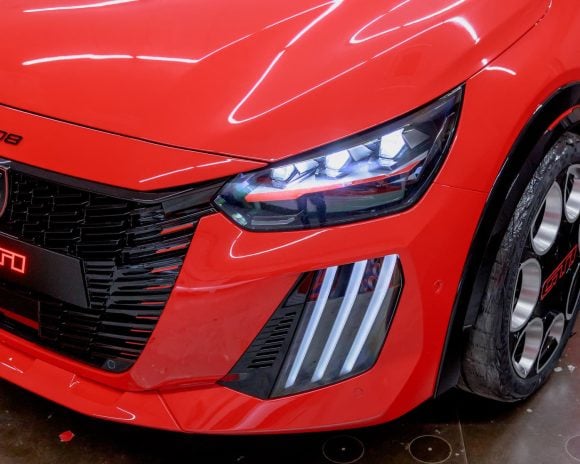
The Peugeot e-208 GTI is expected to make its debut on our roads in 2026, and it will not be the last to claim the highly coveted badge! © Bernard Rouffignac
This return to the roots is set against a backdrop where the brand seeks to rekindle the memories of car enthusiasts. The GTI is not just a simple acronym; it evokes an era when driving was synonymous with pleasure and sensations. With the discontinuation of the 308 GTI in 2020, Peugeot left a void in its sporting heritage. By announcing its intention to put “driving sensations” back at the heart of its strategy, the brand acknowledges the absence of a crucial element in its offering.
A promise far beyond a marketing strategy
The first model to embody this new era will be the Peugeot e-208 GTI, already presented at the 24 Hours of Le Mans 2025. With its 280 hp, its mechanical limited-slip differential, and performance that aligns with the current segment benchmarks, it clearly targets competitors like the Alpine A290, the Cupra Born VZ, or the upcoming Volkswagen ID.GTI.
But for Peugeot, the stakes are more than just numbers. Alain Favey emphasizes the importance of meticulous development, with nearly eighteen months planned between the presentation and the opening of orders in 2026. The goal is clear: to offer a credible GTI, at the top of its category, and not just a simple marketing product. An ambition that also rekindles the historic rivalry with Renault, once embodied by the duel between the 205 GTI and the Renault 5 GT Turbo.
Other GTI models in preparation
But the 208 will not be alone. Peugeot hints that other GTI models will follow, without providing details on the lineup. The next generation of the 208, expected around 2028, could go further in paying homage to the 205, particularly in terms of style. The recently unveiled Polygon concept already multiplies references to what was once called the “sacred number,” thus paving the way for a modern interpretation of the myth.
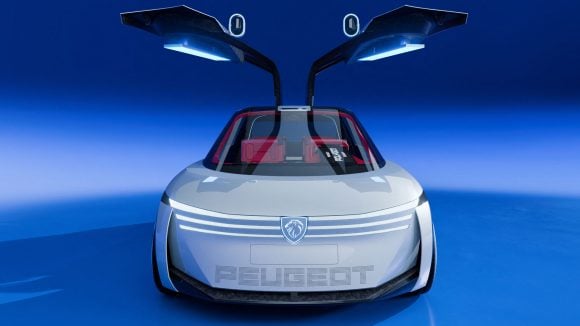
The Peugeot Polygon concept could pave the way for a future Peugeot 205 GTI. Who doesn’t dream of it? © Peugeot
An electric Peugeot 308 GTI is also a credible option in the medium term. The previous version, produced between 2015 and 2020, remains an underrated sports car for many. Its revival would allow Peugeot to return to a territory long occupied by references like the Golf GTI. But again, it will be in a 100% electric version.
The era of thermal GTIs is over
Bad news for purists: Alain Favey has been categorical on one point: the GTI badge will never again be associated with a thermal engine. The reason is not technical, but fiscal. In France, Peugeot’s main historical market, penalties related to CO2 emissions now reach up to €70,000, and even €80,000 in 2026. Amounts that make any thermal GTI unsellable.
It is therefore clear that investing in a desirable sports car that many want but no one buys no longer makes industrial sense. Without a viable outlet in the French market, Peugeot must justify every euro invested, and it is electric that becomes the only possible way to sustain the GTI spirit. This is likely to upset the most hardened purists. But after all, who doesn’t love a good challenge?
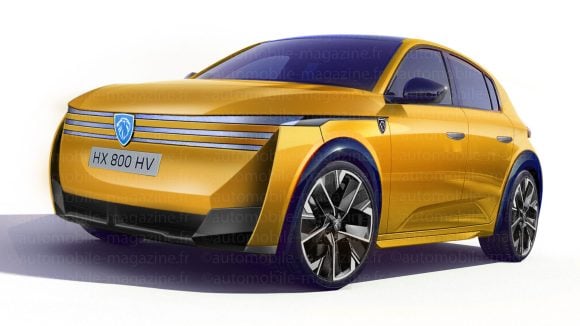
The future Peugeot 208 of the third generation expected in 2027 will take on the light signature of the Polygon concept car © Didier RIC
Peugeot is therefore on the verge of redefining what it truly means to be a GTI in the electric era. Enthusiasts of thrills and driving pleasure are invited to stay tuned: the road to this new generation of sports cars promises to be as exciting as it is unexpected.


