


As the world races towards an electric transition, China, the undisputed leader in battery production, faces a dilemma: its reserves of crucial metals are depleting at an alarming rate. With lithium, nickel, and cobalt, the situation is becoming critical and raises questions about the future of sustainable mobility.
A concerning dependence on raw materials
The rapid rise in electric vehicle sales is putting unsustainable pressure on the extractive industry. At the beginning of this year, a new challenge has emerged: the low availability of the metals necessary for manufacturing zero-emission vehicle battery cells. According to Chinese analysts, the situation is far from encouraging. While the local industry, the most advanced in the world, reports a rapid depletion of certain resources, it is time to ask: how far can we go before the situation becomes unmanageable?
China dominates all stages of the production chain
Despite the emergence of new technical solutions, such as iron phosphate and sodium-ion batteries, the sector remains heavily reliant on nickel, cobalt, and lithium. The latter, for example, is essential for the production of lithium-ion batteries, which power a large portion of today’s electric vehicles. In this context, China’s dominant position in the market should not be taken lightly. Not only does it control the production of these batteries, but also the supply of essential raw materials.

Lithium reserves: an uncertain future
The forecasts are bleak. Currently, it appears that China has lithium reserves for only 14.6 years. With the continued growth of the electric vehicle market, this precious resource could quickly become a luxury. Chinese companies have therefore begun acquiring significant deposits in Australia and South America, where lithium extraction proves to be less costly and more efficient than that conducted in the salt lakes of the Tibetan plateau.
But the outlook is even darker for nickel: estimates suggest that reserves could be depleted in less than four years, with a precise projection of 3.8 years. In the face of this impending crisis, China is ramping up its efforts by investing heavily in new facilities in Indonesia to extract nickel from the sea.

Cobalt: a metal already depleted
As for cobalt, the situation is even more dire. China has nearly exhausted its reserves and is forced to turn to foreign suppliers for this vital metal. This is one of the rare occasions when the Asian giant must depend on other countries for its raw material needs.
To summarise this concerning situation:
- Chinese lithium resources: 14.6 years
- Chinese nickel resources: 3.8 years
- Chinese cobalt resources: DEPLETED
Towards alternative solutions?
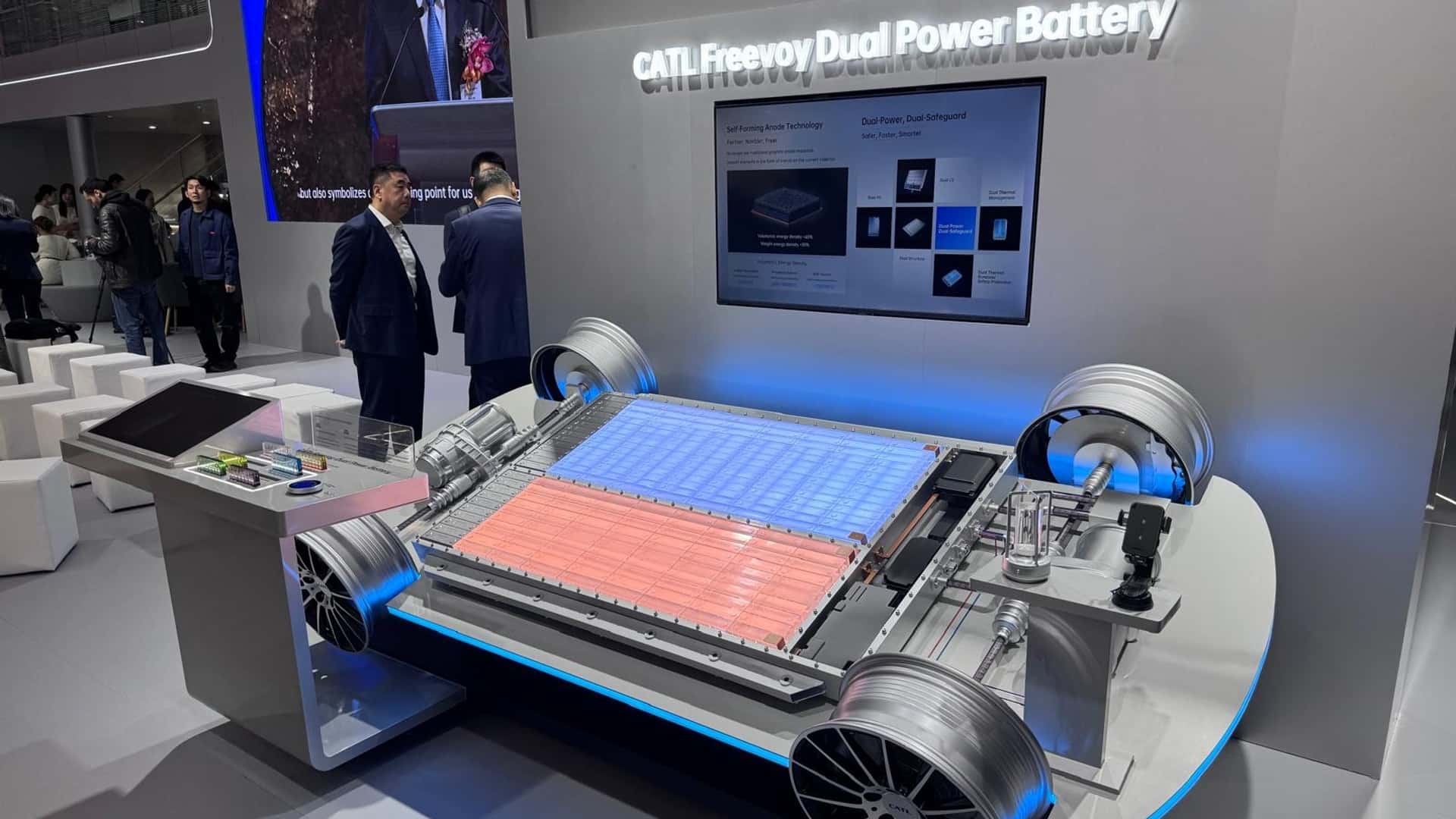
In the face of this impending shortage, China is exploring promising alternatives. Lithium iron phosphate batteries and sodium-ion batteries appear to be viable options, as they use more abundant raw materials. This could help alleviate the current urgency and support the transition to sustainable mobility. However, the question remains: will these solutions be enough to compensate for the lack of critical metals?
An industry to reinvent
The challenge facing China is not just a matter of supply. It is also about rethinking an entire industry that must evolve to adapt to the realities of available resources. As electric vehicles gain popularity, it becomes imperative to find sustainable ways to extract and recycle the materials needed for their production.
In summary, if China wants to maintain its leading position in the electric battery industry, it must double its efforts to secure its metal supplies while investing in alternative technologies. The future of electric mobility depends on this ability to innovate in the face of resource depletion.


