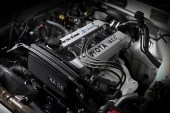
The Jaguar S-Type, a true ode to retro, deserves more than just a glance. This elegant and often overlooked saloon is a hidden gem in the modern classics market, combining British refinement with surprising performance. If you’re considering acquiring one, here’s your guide to avoid the pitfalls of purchasing.
A glance at the S-Type
When it comes to classic cars, many immediately think of German brands, but the Jaguar S-Type, launched in 1999 and produced until 2007, has made its mark. Although its design inspired by the 1960s may have divided opinions, it has also won over those in search of a vehicle with a strong personality. With its retro vibe and a touch of modernity, the S-Type has proven to be a wise choice for British motorists looking to venture off the beaten path.
Its commercial success is no urban legend. The S-Type was not just a simple homage to its predecessor. As a true rear-wheel-drive Jaguar, it offered a lively road behaviour that rivalled other luxury saloons of its time. Today, in the second-hand market, many examples await owners who will appreciate its unique charm. While the price may seem attractive, be careful not to choose a bargain model that could cost you dearly in long-term maintenance.
The S-Type engines
Don’t be afraid of the 2.5-litre V6 engine that powers some models. Admittedly, it is the entry-level engine, but it lacks neither refinement nor power. On the contrary, it provides a smooth revving experience with enough torque to put a smile on the driver’s face. It’s a bit like a good old whisky: subtle and elegant, but with character.
For those seeking more thrills, the 3.0-litre V6 is an appealing choice, albeit thirstier: expect around 8 litres per 100 km under normal conditions. The V8 models are undoubtedly the kings of the road, but their fuel appetite can make your credit card weep. Also, keep an eye on reliability: V8 engines produced before September 2000 tend to suffer from wear issues. A quick check of the bores could save you a lot of trouble. Also, be sure to scrutinise the maintenance history for any signs of engine distress.
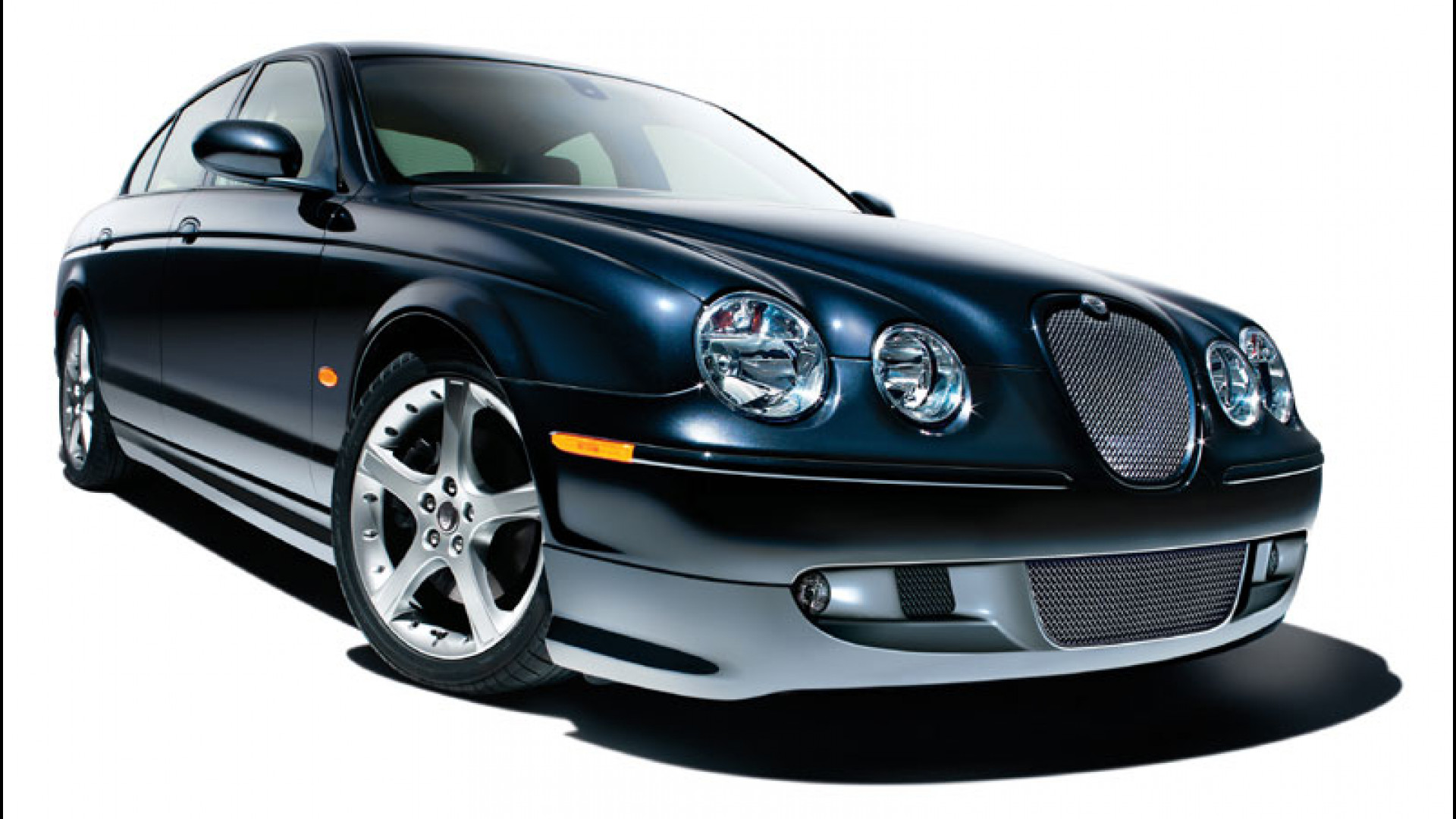
Jaguar S-Type 2007
Gearbox: Beware of false friends
The five-speed automatic transmission may seem appealing, but beware: around 100,000 km, it may start to show signs of fatigue. Like a temperamental diva, it demands special attention. A slight noise or hesitant response when changing gears could signal a tragic end if not properly maintained.
Manual gearboxes also have their demands. Rough usage can wear them out faster than expected. Don’t hesitate to test each gear to detect any grinding or irregularities. Oil leaks can indicate a lack of maintenance. If you don’t want to find yourself stuck in a delicate situation by the roadside, stay vigilant!

Jaguar S-Type 2007
Suspension and brakes: The delicate dance
Like a well-tuned waltz, the rear suspension of the S-Type loves elegance but also requires rigor. The bushings can wear out quickly and become a source of trouble if you don’t keep an eye on their condition. A floaty or unbalanced ride could signal an expensive intervention ahead.
The electronic brakes also have their quirks: they can seize up and lead to premature wear of the discs and pads. Much like a bad theatre performance, this can spoil the overall driving experience.

Jaguar S-Type 2007
Corrosion: The silent scourge
A meticulous inspection of the bodywork is crucial when buying an S-Type. The sills are often the first weak point where rust can appear unannounced. Ensure that the underside is not being eaten away by this scourge. The wheel arches and thresholds should also be inspected; if you see rust where it shouldn’t be, walk away.
Water ingress can cause insidious electrical damage. Don’t neglect the electrical connections; if they are damp, expect to see the alarm trigger for no apparent reason. It’s better to be safe than sorry!
The interior: Charm and robustness
The interior of the S-Type is a fascinating blend of tradition and modernity. The leather trims are generally sturdy, but they can show signs of wear in the most used areas. The early models were even inspired by Lincoln styling, which may explain some finish flaws.
Later models benefited from significant improvements to offer a more refined and robust cabin, inspired by the iconic XJ. The electrical systems can sometimes play tricks: window motors can get stuck, and the air conditioning can exhibit independence by reaching extreme temperatures without warning.

Jaguar S-Type 2007
A model with a rich past
The Jaguar S-Type has had a fascinating journey since its launch in March 1999 until its production halt in 2007. Several evolutions are noteworthy: the arrival of a turbo S-Type R model in 2002 made waves with its exceptional performance, while a facelift in 2004 brought a hint of freshness with an improved cabin.
In summary
From an intrinsic value perspective, the Jaguar S-Type is a wise choice for enthusiasts. While some competitors may seem more appealing on paper, none rival the British soul embodied by this saloon. Prices remain reasonable in the second-hand market, but this won’t last forever. If you’re in search of a car with character and potential for value appreciation, don’t wait any longer! Now is the time to act before this classic becomes unaffordable.
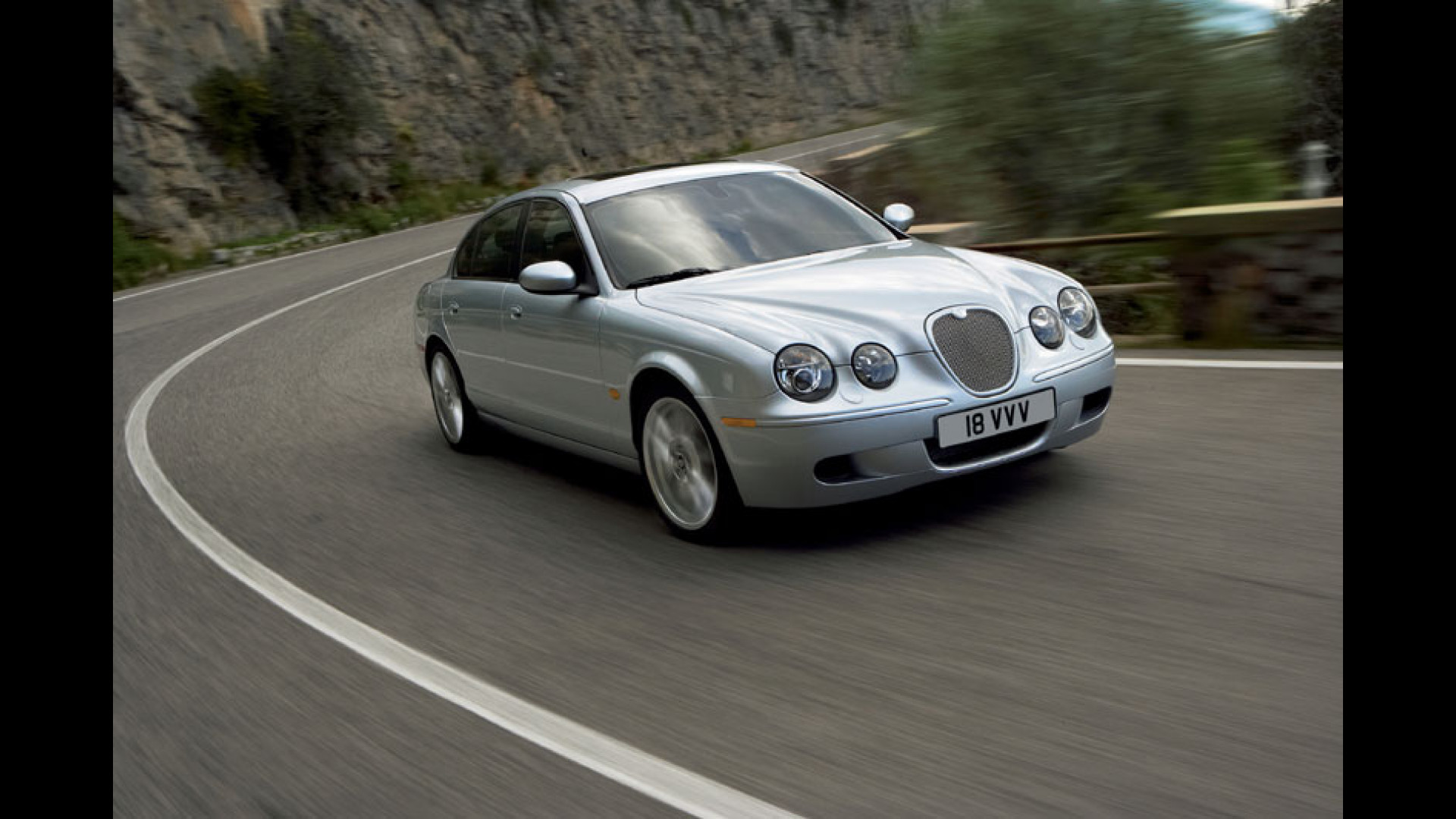
Jaguar S-Type 2007
Gallery: Jaguar S-Type 2007