
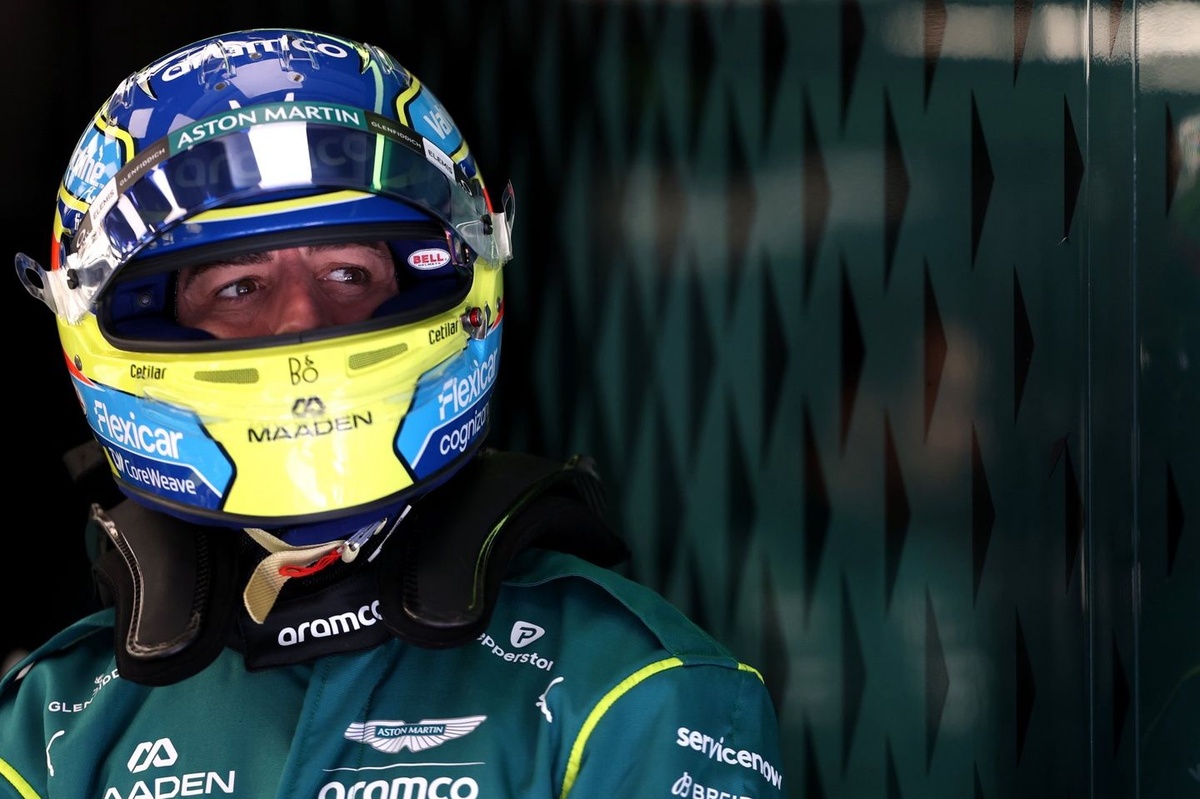
The 2026 Chinese Grand Prix revealed crucial challenges for Aston Martin and its Honda engine, highlighting an issue that goes beyond mere on-track performance. The excessive vibrations experienced by Fernando Alonso not only compromised his race but also raise questions about driver health and the future of the collaboration between Aston Martin and Honda.
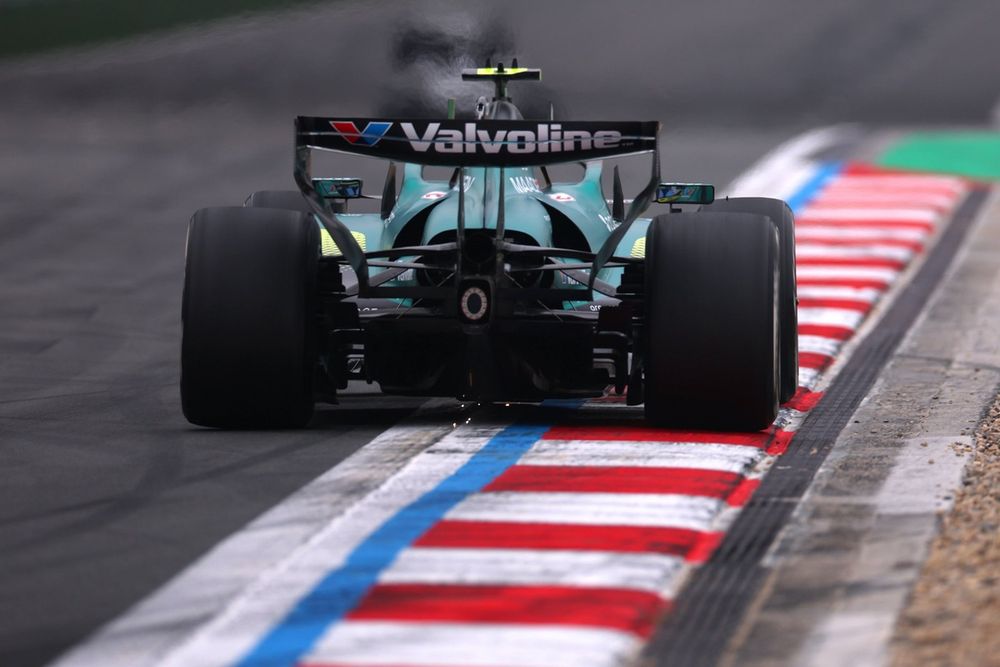
A Symptomatic Retirement from a Worrying Situation
Fernando Alonso, during his participation in the Chinese GP, had to retire after losing all feeling in his hands and feet, a direct consequence of the vibrations from the Honda engine installed in his Aston Martin AMR26. This alarming observation is more than just a racing anecdote; it illustrates the technical limits the team must face. In a sport where every millisecond counts, these vibrations affect not only driver comfort but also their ability to perform at the highest level.
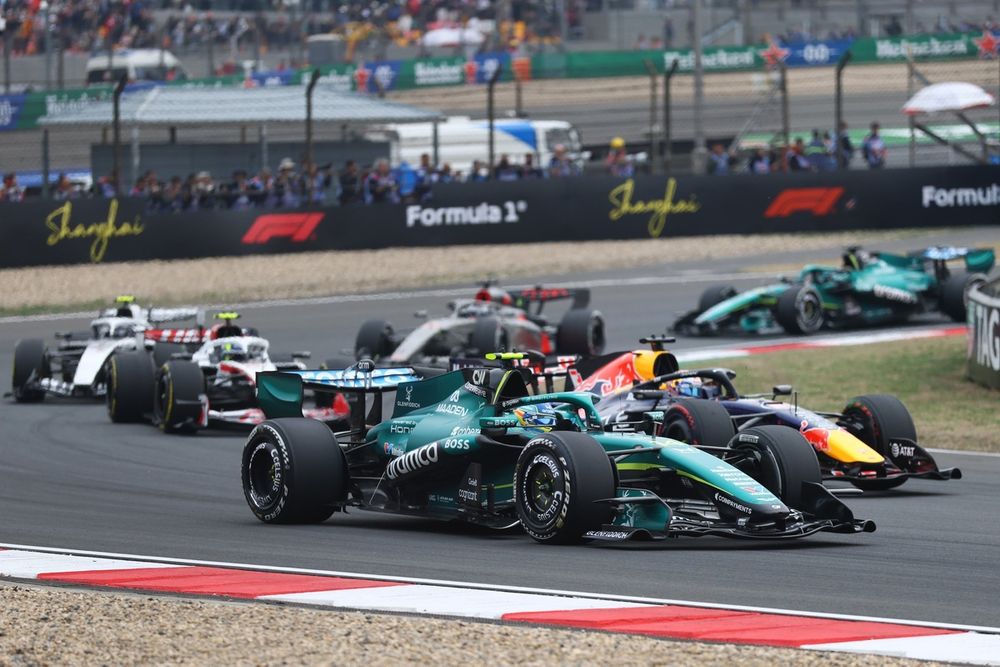
Health Implications for Drivers
Alonso’s statements reveal a discomfort that could become a major concern. Driver health is often sidelined in favour of pure performance. However, testimonies like Alonso’s, who had to let go of the wheel to get blood circulating in his limbs, highlight a worrying reality. This situation could prompt the governing bodies of Formula 1 to take measures to protect drivers, thus sparking a debate on engine regulations and race safety.
A Struggling Honda Engine: The Technical Challenge
The incessant vibrations from the Honda engine are not new. During the Australian GP, drivers had already expressed concerns about the possibility of racing more than twenty laps without experiencing detrimental effects on their health. These technical problems raise questions about Honda’s ability to provide a competitive and reliable engine. Indeed, while the company claims to have reduced vibrations at the system level, Alonso tempered these advances by emphasising that the engine remained the same as the one used previously. This paradox between technical promises and on-track reality underscores the need for significant innovation to meet the demands of competition.
A Vibration Reduction Strategy: A Temporary Remedy
Honda has sought to mitigate the adverse effects of vibrations by adopting “artificial” solutions. By reducing engine revs, the team hoped to lessen the jolts felt by drivers. However, this approach could prove counterproductive in racing, where power and responsiveness are essential. Alonso noted that while these adjustments provided some comfort, they were insufficient for optimal performance over time. The real question is whether Honda can develop an engine capable of meeting Formula 1’s demands without compromising driver health.
An Uncertain Future for Aston Martin and Honda
As Aston Martin strives to establish itself among the leading teams, these technical issues could hinder their ascent. The collaboration with Honda, which began under promising auspices, could become a burden if the vibration-related challenges persist. For now, the team seems trapped in a spiral of optimism tempered by on-track reality. In short, if Aston Martin cannot resolve these issues quickly, it risks falling behind in an increasingly competitive championship.
Competition Leaves No Room for Error
In an environment where every team seeks to maximise performance, rival teams will not hesitate to exploit Aston Martin’s weaknesses. As competitors like Ferrari and Mercedes continue to refine their technologies, the British team must urgently find sustainable solutions. The vibrations from the Honda engine could become a decisive factor in the outcome of the season, both technically and strategically.
In Summary
- The vibrations from the Honda engine severely affect driver health.
- Alonso retired from the Chinese GP due to these issues, raising safety concerns.
- Honda is attempting temporary solutions that could harm race performance.
- Aston Martin must resolve these challenges to remain competitive against its rivals.
- The current situation could influence the future of the collaboration between Aston Martin and Honda.
The situation facing Aston Martin and Honda is emblematic of the challenges faced by Formula 1 participants today. Who could still benefit from this collaboration? If swift solutions are not implemented, Aston Martin risks losing ground in a championship where every detail counts. Alternatives in the market are plentiful, and other engine manufacturers could seize this opportunity to establish themselves. Ultimately, this vibration crisis could mark a decisive turning point in Aston Martin’s recent history.


