Formula 1, often seen as the pinnacle of automotive engineering, finds itself at a strategic crossroads following sharp criticism after the season’s opening race. As the FIA considers regulatory adjustments, the stakes are high: restoring the balance between power and control on the track. The decisions that follow could redefine the competitive landscape.
A Revealing First Race
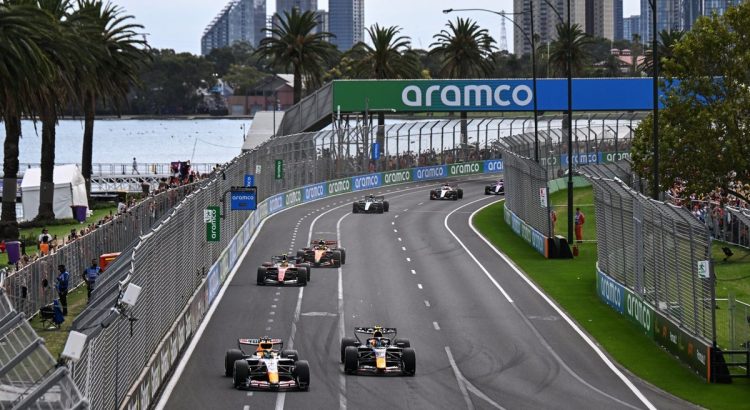
The Australian Grand Prix served as a true laboratory for the new cars of the 2026 season. With blistering accelerations, these vehicles demonstrated an electric power almost three times that of the previous year. However, as the saying goes, “without control, all this power is nothing.” This realisation was particularly striking on a demanding circuit like Melbourne, where energy management proved to be a major challenge.
The removal of the MGU-H, aimed at simplifying the rules, highlighted the system’s shortcomings. Drivers had to contend with a battery that remained virtually unchanged, leading to inconsistent performances. During the race, braking distances lengthened, and tyres showed signs of premature wear. The results from Melbourne underscore an inescapable truth: more power does not necessarily equal more speed.
Melbourne: An Extreme Test
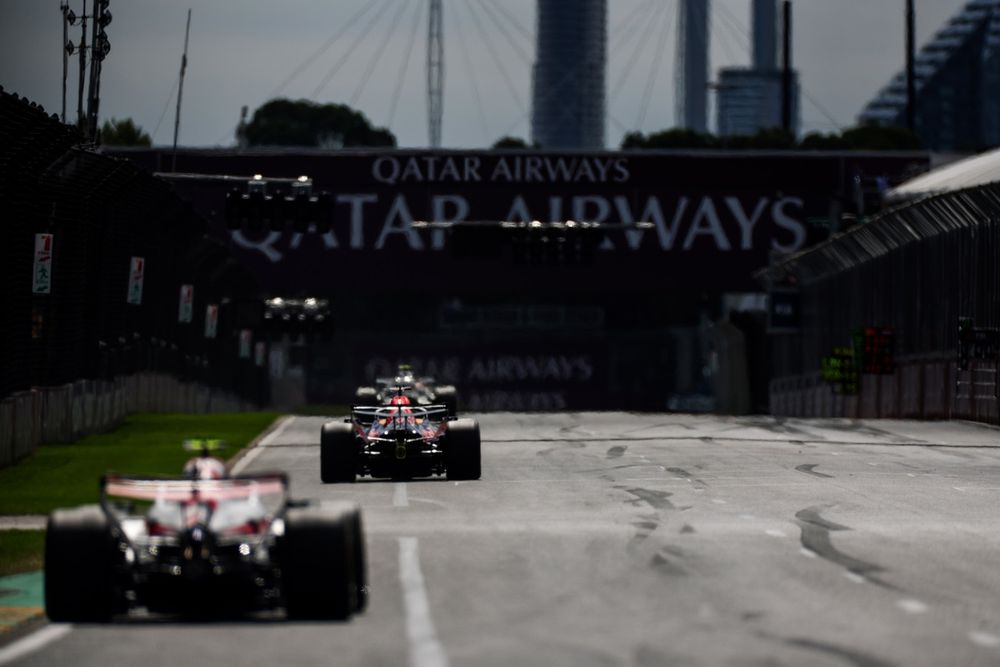
The FIA had anticipated that Melbourne would be a revealing circuit, but not necessarily representative. With over 65% of the lap at full throttle, this layout strained energy recovery strategies. In contrast, the upcoming GP in China could offer a more balanced picture. The Chinese circuit, with its long straight and technical corners, should allow teams to better exploit the potential of the MGU-K.
The data collected during previous tests should fuel discussions after the Chinese GP. A meeting between the FIA and the teams is already scheduled to assess potential corrective measures. In short, the first race served as a warning: energy management cannot be left to chance.
Adjustments on the Table
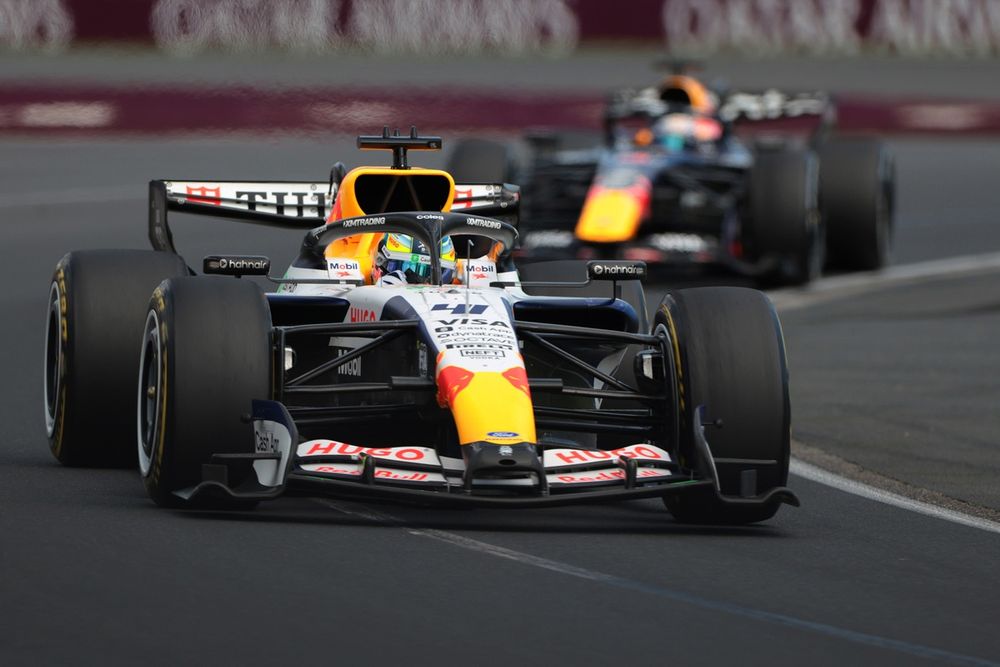
In the face of criticism, several options are available to the FIA. Among them, reducing the power of the MGU-K during deployment or increasing the efficiency of the super clipping phase. These adjustments aim to restore a balance between speed and safety. Currently, the MGU-K can only recover 250 kW during the super clipping phase for safety reasons, limiting the effectiveness of energy recovery.
If these modifications are implemented, they could radically transform the behaviour of the cars on track. A shift to 350 kW during the super clipping phase could reduce the need for lift and coast, making races more dynamic and less predictable. Furthermore, a different energy distribution on the straight could also influence race strategies.
A Race Dynamic to Rethink
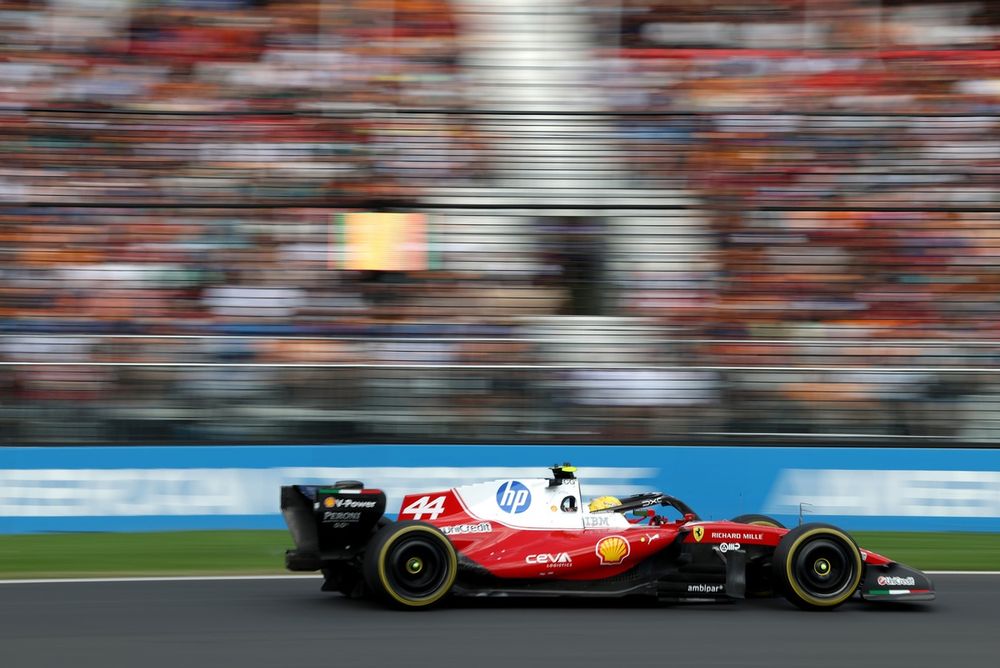
The stakes go beyond mere technical adjustments. How teams manage their energy could redefine race strategies. Reduced power could increase braking distances, but also make competition tighter. Teams will need to adapt quickly to these new dynamics to remain competitive.
In essence, these changes will not only affect on-track performance but also the budgets and long-term strategies of the teams. Those that can swiftly adapt to these new realities will have an undeniable advantage in this increasingly demanding competition.
Towards a Change of Course?
The current situation raises crucial questions for the future of Formula 1. The FIA seems aware of the risks involved and is ready to act. The unanimous position of the teams, advocating for a review of the rules after the Chinese GP, shows a collective desire to improve the spectacle while ensuring safety.
This strategic turnaround could pave the way for more flexible and responsive regulation, capable of adapting to technical developments and feedback from drivers. In a sport where every millisecond counts, ignoring criticism could prove fatal for the image and appeal of the discipline.
In Summary
- The Australian GP revealed flaws in energy management.
- The FIA is considering regulatory adjustments after the Chinese GP.
- Options such as power reduction or increased super clipping are on the table.
- These changes could redefine race strategies and the balance between power and safety.
- A collective dynamic is emerging between teams and the federation to enhance the spectacle.
In conclusion, Formula 1 stands at a crucial turning point. The proposed regulatory adjustments could not only influence on-track performance but also redefine the relationships between teams and organisers. In the medium term, these decisions will have a significant impact on the market, competition, and the image of motorsport. Enthusiasts eagerly await the upcoming developments, hoping they will serve the excitement and competitiveness that define F1.