
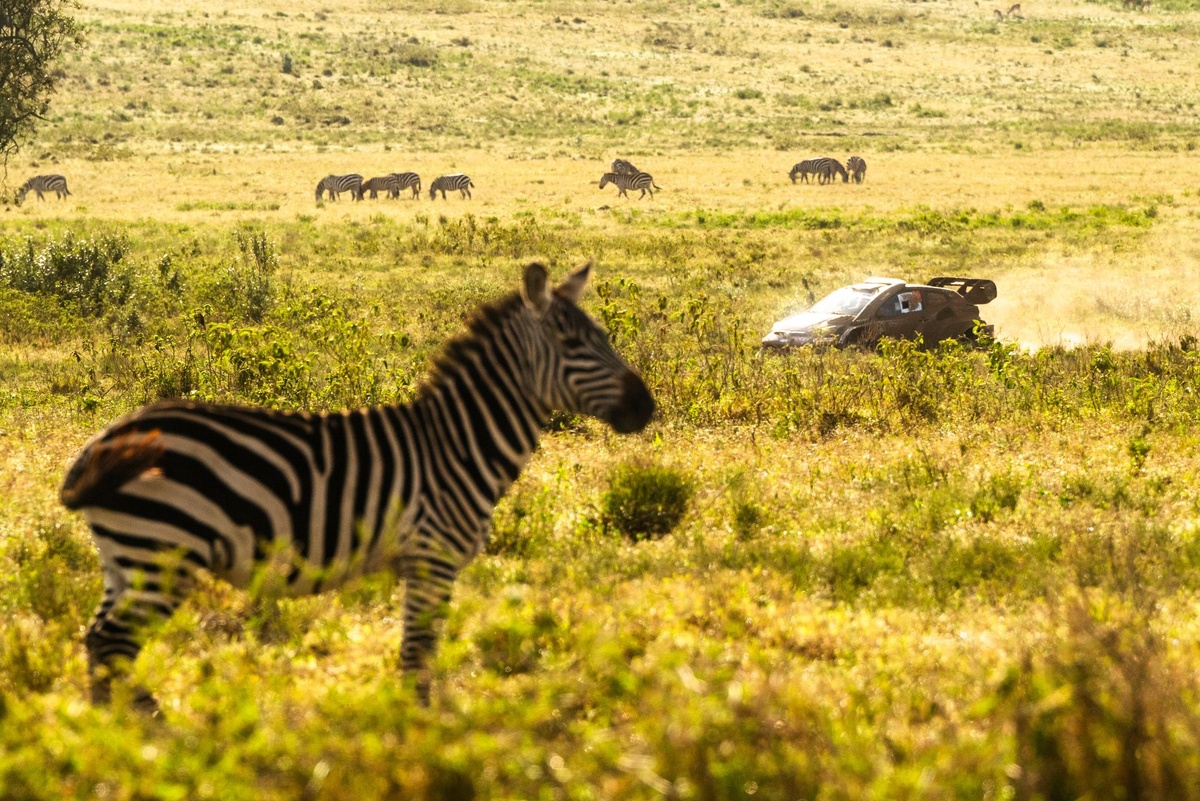
The Safari Rally 2026 promises to be a turning point for the teams involved, featuring formidable stages and heightened competition. Against a backdrop of technical challenges and the extreme conditions of Kenya, drivers and their machines will be put to the test. Who will emerge victorious from this battle on African tracks?
A Demanding Course for Seasoned Drivers
The route for the Safari Rally 2026 is set to be particularly daunting. Following a morning shakedown on 12 March, the first stages will commence in the afternoon, with an initial test nearing 25 km. The subsequent days will be marked by unprecedented intensity: no fewer than 20 stages spread over four days, totalling 350.52 km of timed sections. Friday will be the busiest day, featuring eight stages in succession. This configuration highlights not only the resilience of the vehicles but also the teams’ strategies for managing fatigue and adrenaline.
However, the real challenge lies in the ability to adapt settings according to weather conditions. Kenya, with its unpredictable climate, can hold many surprises. Drivers will need to balance speed and caution, a delicate dance on these often muddy and rugged tracks.
The Contenders: A Strong Line-Up
This edition sees a slight change in the Rally1 category’s lineup. Only ten cars will be present, down from eleven in the first two events of the season. The return of Sébastien Ogier, after a notable absence in Sweden, is an event in itself. The French champion, who won the Safari Rally 2023, will be a formidable competitor for his rivals.
Toyota, with its fleet of five cars, confirms its status as a leader. In contrast, Hyundai also fields a solid team, with Esapekka Lappi at the wheel of the third i20 N. M-Sport, on the other hand, will settle for two Ford Pumas, which may limit its ambitions. The hierarchy seems to be taking shape, but the unique context of the Safari could shuffle the deck.
Sébastien Ogier: A Return to Roots
Sébastien Ogier (Toyota)
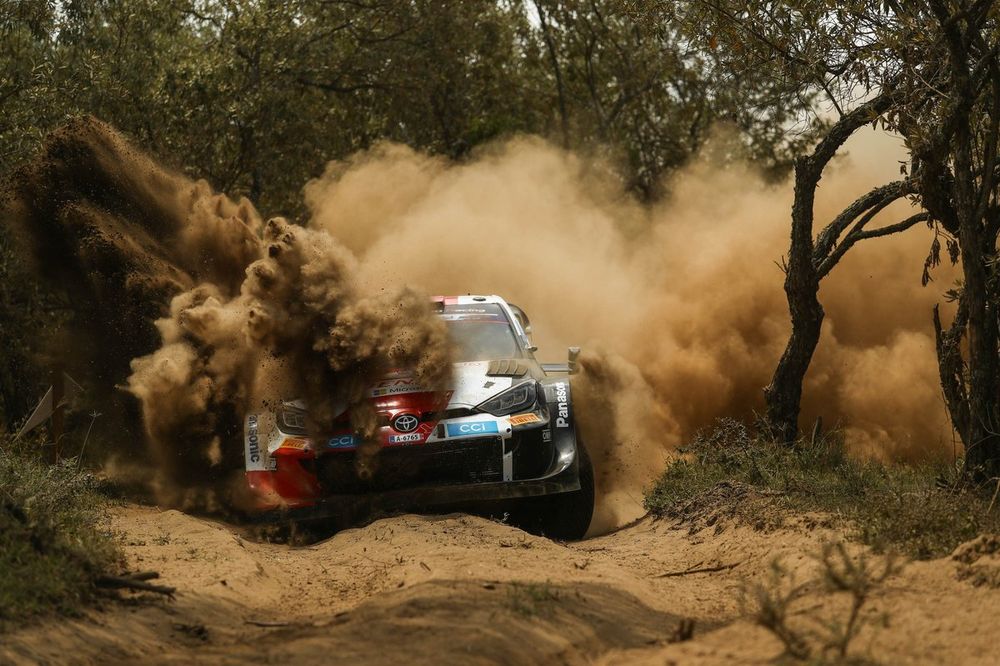
For Ogier, this return to Kenya is laden with emotions. “It’s always a unique experience,” he confides. His previous experience allows him to approach this event with a certain humility: “Conditions can change very quickly.” This wisdom gained on the ground could be decisive against opponents who lack his experience.
Risk management will be crucial for Ogier, who knows that each stage can mean success or failure. His team, in great shape, hopes to capitalise on the driver’s favourable history in this iconic rally. The stakes are clear: a good result here could solidify his position in the title race.
Adrien Fourmaux: A Challenge to Overcome
Adrien Fourmaux (Hyundai)
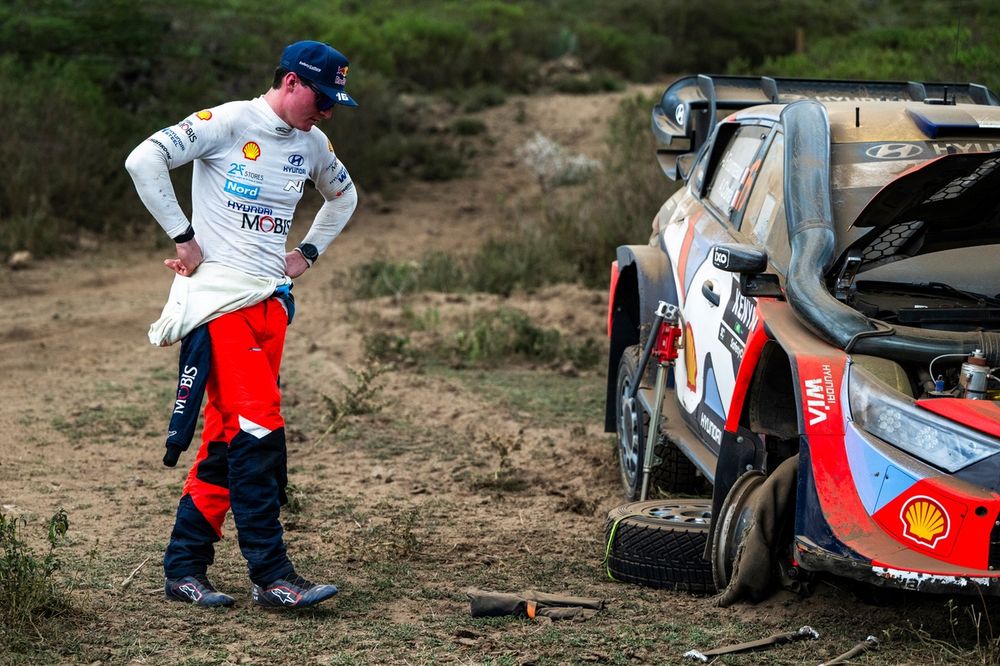
For Fourmaux, the Safari Rally represents a colossal challenge. After a difficult 2025 edition, he approaches this year with caution and ambition. “Everything is different here,” he notes, referring to tyre management and the often unpredictable road conditions. His starting position, fourth on the road, offers him a strategic advantage. “Avoiding damaged roads is crucial,” he emphasises.
Fourmaux will need to be clever in navigating between performance and vehicle preservation. The podium is the stated goal, but the path to achieving it will be fraught with obstacles. The competition is fierce, and every mistake could be costly.
A Tradition of Champions: Recent Winners
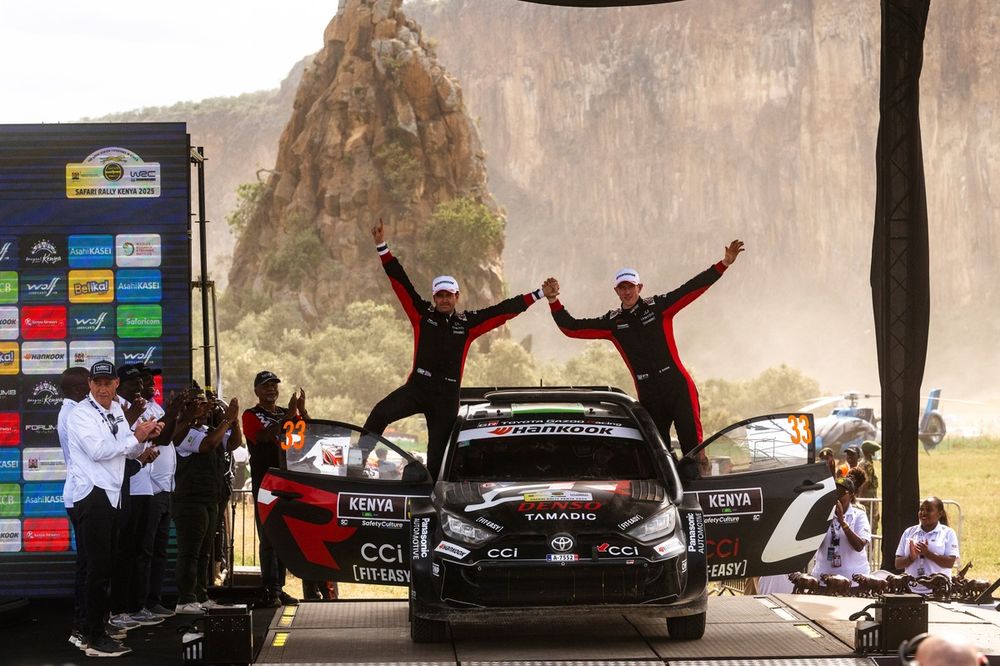
The Safari Rally has seen legendary drivers pass through, with Elfyn Evans being the most recent winner, having triumphed in 2025. Each edition reinforces the legacy of this mythical competition, but it also highlights the evolution of team strategies. Past performances influence current expectations and preparations, making each victory all the more precious.
Next Event: Croatia Rally (9-12 April)
The 2026 WRC calendar promises to be rich in twists and turns, with teams looking to assert themselves on varied terrains.
In Summary
- The course for the Safari Rally 2026 consists of 20 stages and 350 km of timed sections.
- Ten cars entered in the Rally1 category, with the return of Sébastien Ogier.
- Toyota and Hyundai are vying for leadership with strong teams.
- Unpredictable weather conditions add a strategic dimension to the rally.
- Past performances influence current expectations and preparations.
The Safari Rally 2026 presents a true test for teams and drivers, where every detail will count. For motorsport enthusiasts, this event is not just a race; it embodies the very essence of rallying, with its technical challenges and strategic stakes. In the medium term, the event could well reshape the championship hierarchy, especially if teams like Hyundai manage to compete effectively with Toyota.


