

As the already tumultuous 2027 season approaches, Maverick Viñales positions himself as a key asset for KTM, while keeping his options open. This dilemma, a reflection of a complex industrial strategy, could redefine the landscape of MotoGP.

A Key Player in KTM’s Chessboard
Having joined KTM last season, Maverick Viñales quickly found his footing within the team, showcasing promising performances from the outset. Before an injury in the summer of 2023, he had established himself as the fastest rider in the group, becoming a role model for his teammates. Beyond his riding abilities, his experience and understanding of the brand’s inner workings are undeniable assets for KTM in an increasingly competitive environment.
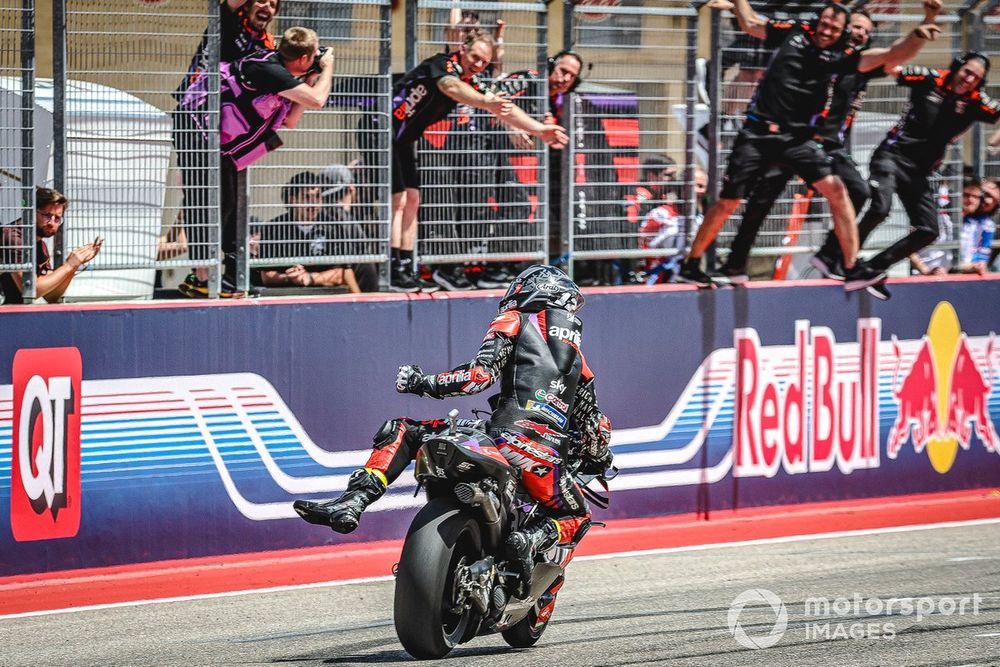
Looking towards 2027, the situation complicates with the anticipated departure of Pedro Acosta to Ducati. Logically, KTM would seek to rely on an already seasoned rider, and Viñales seems well-suited for this role. While rumours of a potential replacement by Álex Márquez circulate, the Austrian brand could lose a central element of its strategy should Viñales depart.
A Decision to Make Without Emotion
In an interview with GPOne, Viñales revealed his methodical approach to a crucial decision regarding his future. He refuses to be swayed by emotions and considers each option with clarity. “One must eliminate emotions and choose the best option,” he stated. This pragmatic attitude not only highlights his professionalism but also the pressure he faces in an environment where every choice can have significant consequences.
In essence, Viñales’ ability to navigate this uncertainty could influence not only his career but also that of KTM. Far from being just a rider, he has become a pivotal element in a strategy that must adapt to changing technical regulations set for next year.
Past Choices Carry Weight
Viñales’ career is marked by bold and sometimes controversial decisions. His departure from Yamaha, despite promising results, remains a delicate subject. At the time, he prioritised a lucrative contract but quickly regretted that choice. “From a sporting perspective, it was probably the best decision,” he admits today when reflecting on his time with Aprilia.
This journey underscores a reality: in the world of MotoGP, every decision can be a double-edged sword. By taking the risk of leaving a team on the rise, Viñales demonstrated his willingness to innovate and seek opportunities where others might have remained comfortably settled.
KTM: Between Promises and Uncertainties
The Austrian manufacturer finds itself at a decisive turning point. With the introduction of new technical regulations, KTM must maximise its human and technical resources. Viñales’ potential return as a factory rider could thus be seen as a strategic masterstroke, allowing the brand to capitalise on its expertise while staying ahead of its competitors.
However, the situation regarding Brad Binder, a longstanding pillar of the team, remains unclear. His future within KTM could also influence the internal dynamics. If Viñales is plan A, plan B could involve a complete reconfiguration of the team should Binder decide to leave.
A Future to Shape
As Viñales keeps all options open, the question of his retirement begins to surface. At 31, he still sees himself capable of high-level performances, but he does not rule out a transition to a quieter life after leaving the MotoGP scene. “When I’ve done my time in MotoGP, I’ll just go rest in the countryside,” he confides, revealing his need for balance between passion and serenity.
This duality between sporting ambition and desire for tranquillity could well influence his future choices and those of KTM. The evolution of the market and the performance of the bikes will be decisive in the decisions to come.
In Summary
- Viñales positions himself as a major asset for KTM in light of regulatory changes.
- His pragmatic decision-making strategy could influence the team’s future.
- The rider’s past choices demonstrate his boldness and willingness to adapt.
- KTM must maximise its human resources to remain competitive.
- Viñales’ future and that of KTM are interconnected in an uncertain context.
Conclusion: Maverick Viñales, while being a talented rider, also embodies the strategic challenges KTM faces in a constantly evolving environment. For fans and observers of MotoGP, his journey is a revealing indicator of the stakes to come in this competition where every decision counts. The alternatives are numerous, but Viñales’ ability to juggle passion and rationality could well shape not only his future but also that of KTM in the long term.

