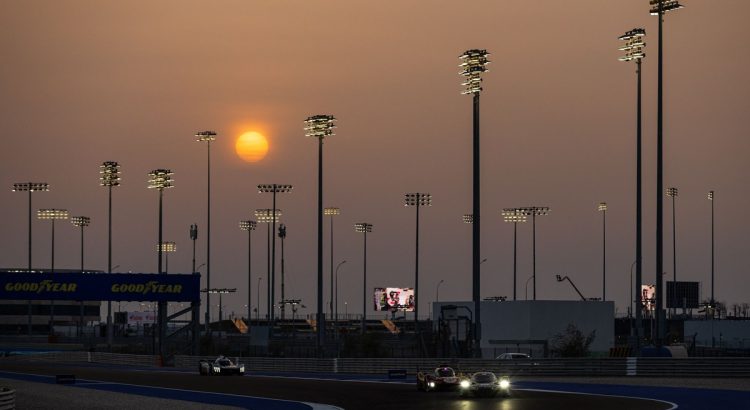
The postponement of the 1812 KM in Qatar highlights the geopolitical tensions affecting motorsport. As the competition prepares to shift to the Middle East, the safety of participants has become a primary concern. This situation underscores the challenges facing the WEC in a volatile international context.
A Binding Decision for the WEC
The WEC (World Endurance Championship) was set to head to Losail for the Prologue and the 1812 KM in Qatar, but recent events in the Middle East have made this mission impossible. The outbreak of war in the region has led to the Prologue being moved to Imola and the races in Qatar being postponed, a country currently under strain. This decision, while necessary, reveals the direct impact of geopolitics on the sporting calendar.
Qatar at the Forefront of Regional Tensions
Targeted attacks from Iran on Qatar, in response to US bombings, illustrate a growing climate of insecurity. The WEC has opted to postpone the 1812 KM to October 2026, hoping that by then the situation will stabilise. In the meantime, the threat looms over all scheduled sporting events in the region, including Formula 1 and MotoGP. These disciplines must now navigate an uncertain environment, which could affect their appeal and logistics.
Interrupted Calendar: Consequences for All
This suspension of the 1812 KM in Qatar is not just a simple calendar change. It has repercussions for the entire championship. Teams must reorganise their preparations, which may lead to additional costs. Furthermore, with the proximity of other events in the Middle East, such as the Bahrain and Saudi Arabian Grands Prix, uncertainty surrounding these races could have a domino effect. Sponsors and partners will also need to assess the risks associated with their commitments in an unstable region.
Safety at the Forefront of Concerns
In its announcement, the WEC emphasised that the safety of competitors, personnel, and spectators is an absolute priority. This statement reflects a growing awareness of the inherent risks in organising sporting events in conflict zones. The WEC, along with the FIA and the Qatari Federation of Motorsport, must ensure a safe environment, but this requires constant vigilance in light of the evolving geopolitical situation.
An Uncertain Future for Motorsport in the Middle East
As the WEC reorganises, other motorsport championships must also confront this reality. Formula 1 and MotoGP have yet to make definitive decisions regarding their events in the Middle East. Their calendars are at stake, as well as their reputations. Should these races be cancelled, it could lead to a loss of confidence among fans and sponsors in the organisers’ ability to manage risks.
A Crisis Management Approach to Anticipate
The WEC has taken the initiative to communicate swiftly about the situation, but other championships will also need to adopt a proactive approach. The logistics of travel in this complex region can no longer be underestimated. Organisers must be ready to react quickly and adjust their plans according to geopolitical developments. This adaptability will be crucial to maintaining fan interest and the economic viability of the races.
In Summary
- The WEC postpones the 1812 KM in Qatar to October 2026 due to geopolitical tensions.
- The safety of participants is a priority in an unstable regional context.
- Other championships must anticipate their own logistical adjustments.
- Financial repercussions could affect teams and sponsors.
- Proactive management is essential to maintain interest in motorsport in the Middle East.
This situation raises questions about the future of motorsport in this region of the world. For teams and organisers, it is a real challenge to overcome. The decisions made today will shape the landscape of future competitions. As the WEC and other championships navigate these turbulent waters, the importance of transparent communication and an adaptive strategy has never been more crucial.