

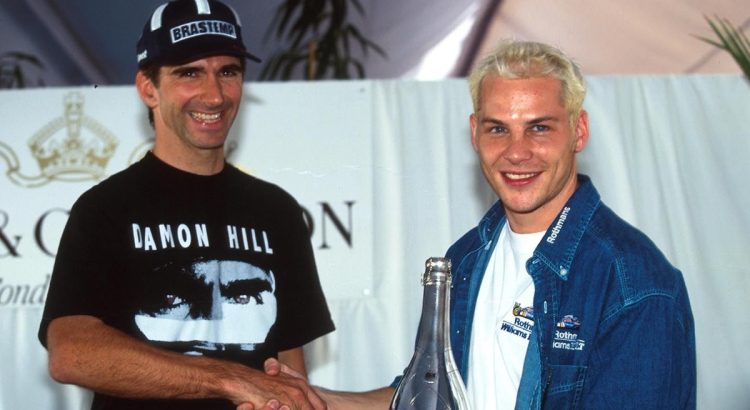
The 2026 Formula 1 season is shaping up to be a nostalgic year for the Williams team. By officially welcoming two iconic figures, Damon Hill and Jacques Villeneuve, the British outfit is not just engaging in a marketing strategy but also seeking to reaffirm its identity as it prepares for the future. Beyond the symbolic aspect, this strategy could significantly influence the team’s long-term dynamics.

A Legacy to Reclaim
For Williams, the return of these world champions is no small matter. Hill and Villeneuve, who made history for the team in the 1990s, represent an era when Williams dominated Formula 1. This choice aims to remind fans and competitors that the team has not forgotten its roots and past successes. Indeed, Hill, as a standout driver who won the title in 1996, and Villeneuve, champion in 1997, evoke a golden age for Williams, a time when performance was at the heart of the team’s identity.
Ambassadors for a Future to Build
Their role as ambassadors goes far beyond mere media appearances. They will be tasked with inspiring and guiding young talents, particularly with the presence of Jamie Chadwick, three-time W Series champion. This trio symbolises a commitment to imparting the team’s values while integrating a new generation. Chadwick will act as a mentor to Jade Jacquet, a recruit from the F1 Academy, highlighting Williams’ dedication to developing young drivers and their integration into the world of Formula 1.
A Return to Roots Amidst Competition
As Williams has faced challenging seasons, this return to its roots could represent a strategic turning point. Competition is fiercer than ever, with teams like Red Bull and Mercedes establishing themselves at the forefront. By reaffirming its heritage and showcasing iconic figures, Williams hopes to restore its reputation and attract financial partners, essential for car development.
A Shared Vision
Statements from Damon Hill and team principal James Vowles highlight a common vision: an ambitious Williams looking to the future while respecting its history. Hill expressed his happiness at returning to a team that meant so much to him, while Vowles emphasised the importance of the legacy left by Hill. This synergy between past and future could be key to turning the situation around and achieving a satisfactory competitive level.
Medium-Term Prospects
In the medium term, the integration of these ambassadors could provide Williams with a new dynamic. By combining experience and freshness, the team could find its way back to success on the grid. The strategy of renewing talent while leaning on historical figures could also attract potential investors eager to partner with a brand rich in history. By 2028, if this approach pays off, Williams could once again become a key player on the Formula 1 stage.
In Summary
- Return of Damon Hill and Jacques Villeneuve to Williams for 2026.
- Role of ambassadors aimed at inspiring the new generation of drivers.
- Revitalisation strategy in the face of growing competition.
- Importance of heritage in building a competitive future.
- Encouraging prospects for the team’s future in the medium term.
In conclusion, this return to roots could be the last effort of a team that has experienced glory days. Williams appears determined to reinvent itself while leaning on its glorious past. The lingering question is whether this strategy will be enough to reclaim its place among the giants of Formula 1.


