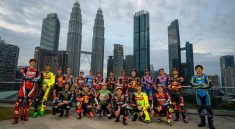
The Australian Grand Prix is at a crossroads. While Phillip Island has hosted the race since the 1990s, the state of Victoria is shifting gears in favour of an ambitious project in Adelaide. This change could not only redefine the MotoGP landscape in Australia but also pave the way for a new dynamic in the championship.
An Unexpected Decision from the Victorian Government
The Victorian government’s decision to reject the request to move the MotoGP to Melbourne has surprised many observers. The state had planned to invest in improving Phillip Island’s infrastructure, but that will not be enough to ease tensions between MotoGP and its organisers. Steve Dimopoulos, Minister for Tourism, Sport and Major Events, made it clear that abandoning Phillip Island was not an option. This statement highlights an important fact: the desire to maintain a certain tradition in the face of pressure from a constantly evolving world.
The challenge for MotoGP is twofold: it seeks to attract a broader audience while facing competition from other major sporting events, notably Formula 1. Races at Phillip Island and Melbourne share the same organiser, the Australian Grand Prix Corporation, which has been reluctant to see both championships coexist at nearby circuits. In summary, the current situation could prove unsustainable for MotoGP, which aspires to greater accessibility.
Adelaide: A New Horizon for MotoGP
In this context, South Australia has seized the opportunity to propose a bold project to MotoGP. According to information from Motorsport.com, the neighbouring state has made a tempting offer to host the Australian GP in Adelaide, potentially transforming the city into the championship’s first true urban race. This initiative is not merely a relocation; it represents a desire to elevate the profile of MotoGP in Australia.
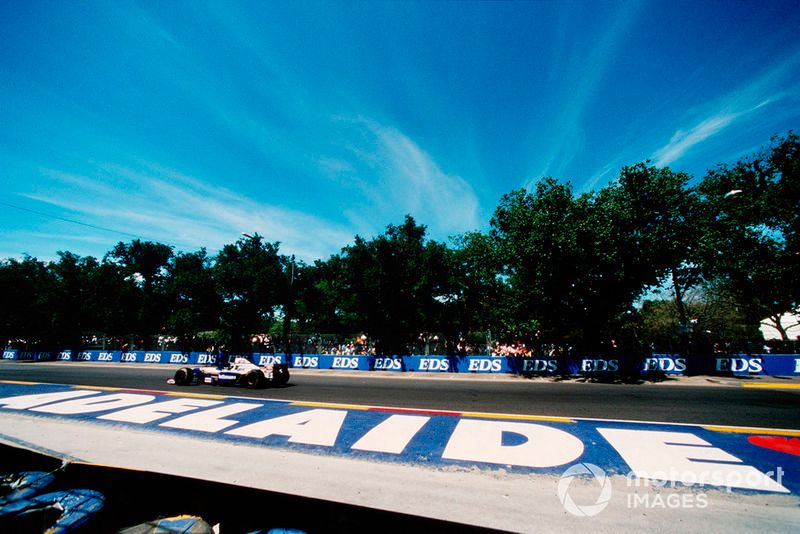
Adelaide had its glory days with Formula 1 until the 1990s, and its return to the racing world could revive that legacy.
The Adelaide circuit, which winds through the city streets, is steeped in history. It witnessed memorable moments in Formula 1, such as Michael Schumacher’s controversial title in 1994. The city remains on the Supercars calendar, an Australian touring championship that attracts many fans. Hosting MotoGP could provide a boost to the local economy while strengthening Adelaide’s sporting identity.
An Ambitious Vision for the Future
South Australia aims to turn this event into an international showcase. Discussions about adapting the circuit to meet MotoGP requirements are already underway, with a possible race debut in 2027. This forward-looking projection underscores a desire not only to keep pace but to be at the forefront of motorsport trends.
The prospect of an urban race also raises questions about safety and infrastructure. MotoGP has already shown its willingness to evolve towards urban circuits, despite the challenges involved. In summary, if Adelaide can meet the safety and accommodation requirements for teams, it could mark a significant turning point for the championship.
Economic and Social Implications
The relocation of the Australian GP to Adelaide could generate considerable economic benefits. By attracting thousands of spectators and international teams, the event could revitalise the local tourism sector while creating temporary and permanent jobs in the region. It could also enhance Adelaide’s image as a top-tier sporting destination.
From a social perspective, the excitement surrounding MotoGP could reignite young people’s interest in motorsport and stimulate local initiatives in education and road safety. By investing in this event, South Australia is not just betting on entertainment; it is committing to a broader approach aimed at promoting sporting and community values.
An Uncertain but Promising Future
As MotoGP prepares to leave Phillip Island for Adelaide, the future remains uncertain. Negotiations among stakeholders will need to be handled carefully to ensure that the expectations of fans and organisers are met. The pressure is on for this transition to succeed, as it could define the trajectory of MotoGP in Australia for years to come.
In summary, if the project in Adelaide comes to fruition, it could offer an attractive alternative for motorcycle fans while redefining the Australian sporting landscape. The challenge will be to maintain a balance between tradition and innovation, a delicate but necessary exercise in a world where expectations are rapidly evolving.