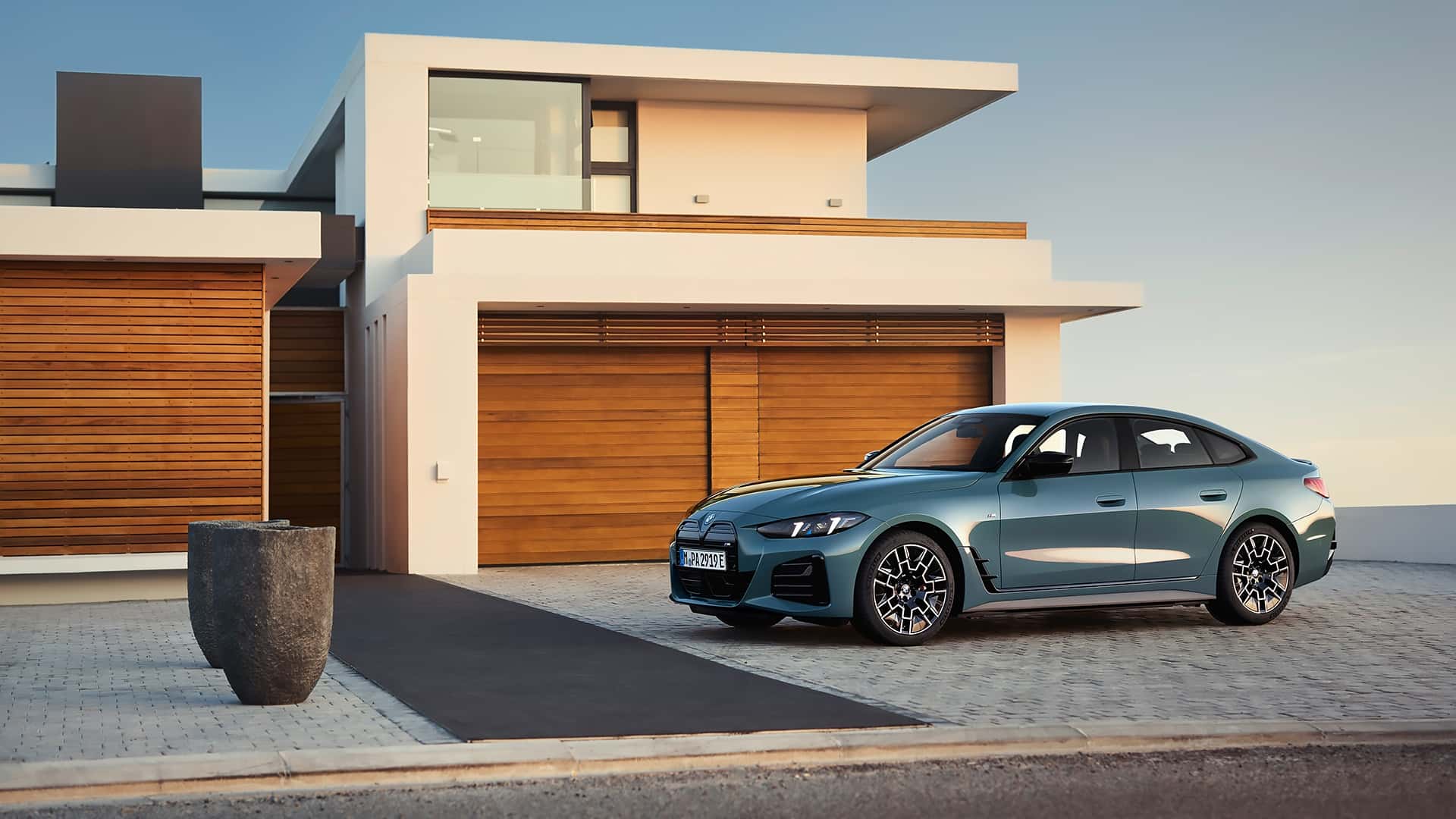
Automotive design often intertwines aesthetics with technology, creating vehicles that are not only visually appealing but also incorporate advanced engineering. This balance is crucial, as consumers increasingly seek vehicles that are both attractive and technologically sophisticated.
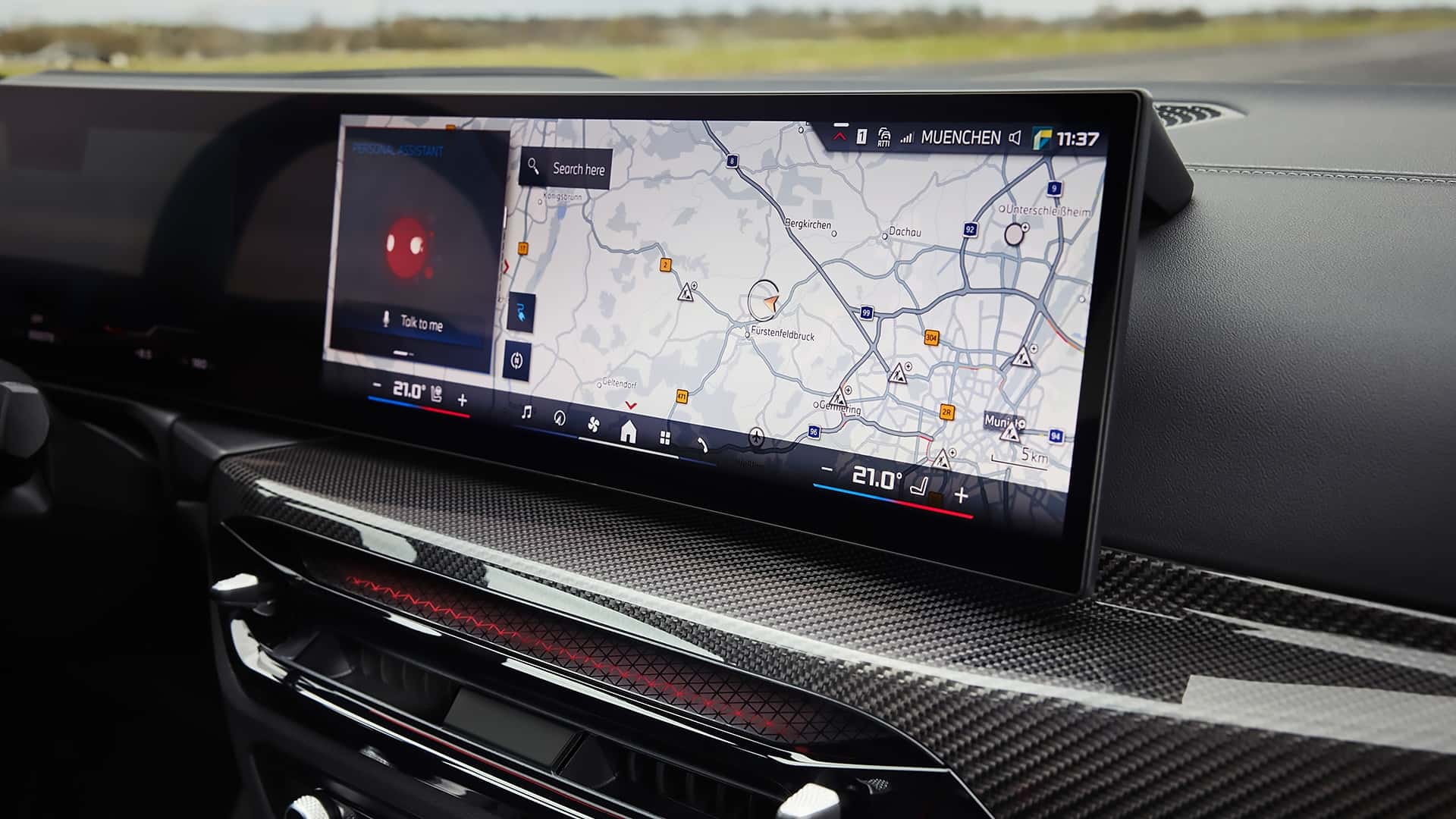
In the current automotive landscape, where electric vehicles (EVs) are gaining traction, the integration of design and technology becomes even more significant. Car manufacturers face the challenge of creating models that not only meet aesthetic standards but also deliver performance and efficiency. Recent trends show that brands are focusing on fluid designs that conceal complex technologies, making them more appealing to buyers.
Design Meets Technology: The BMW i4 and iX
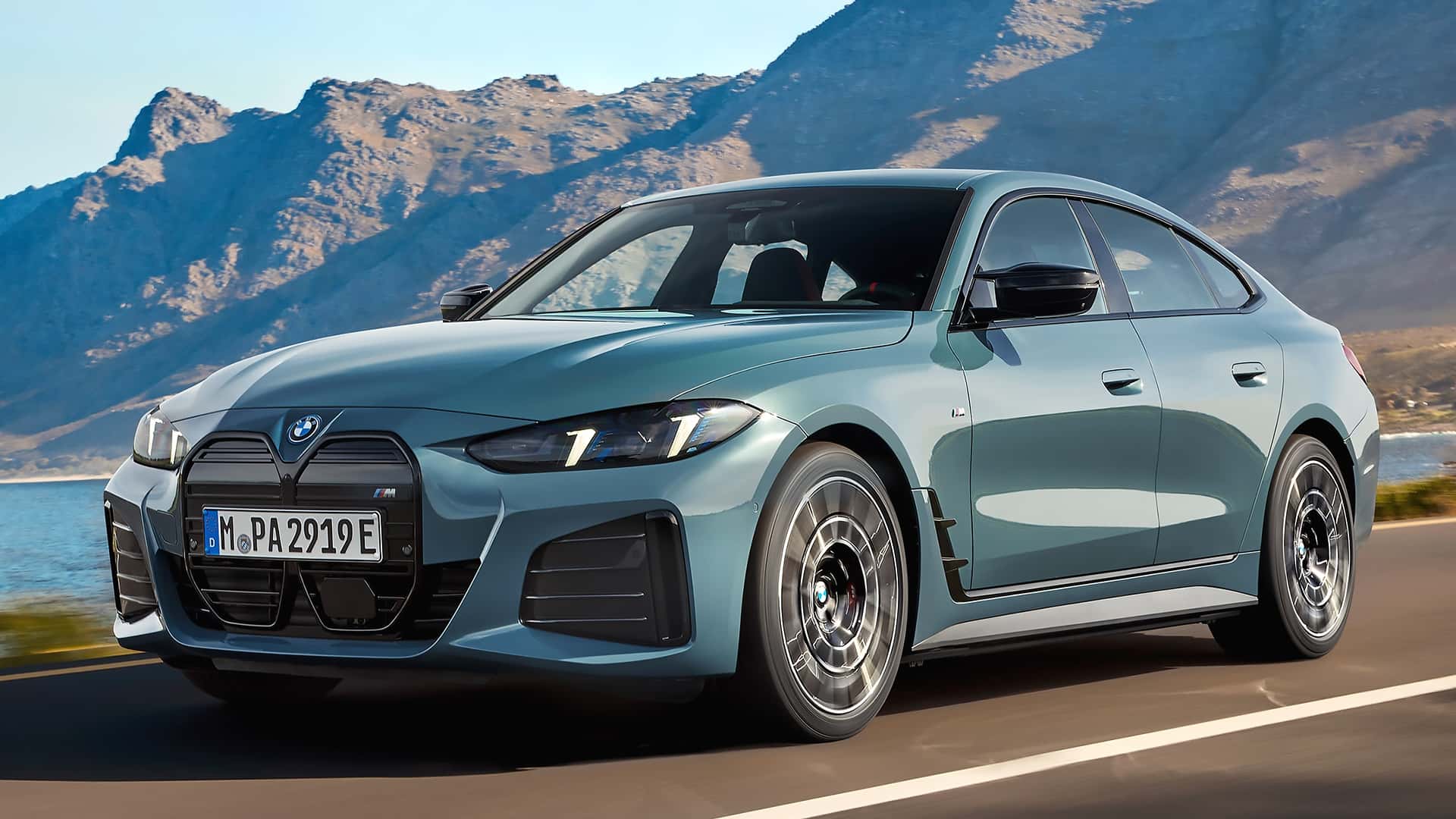
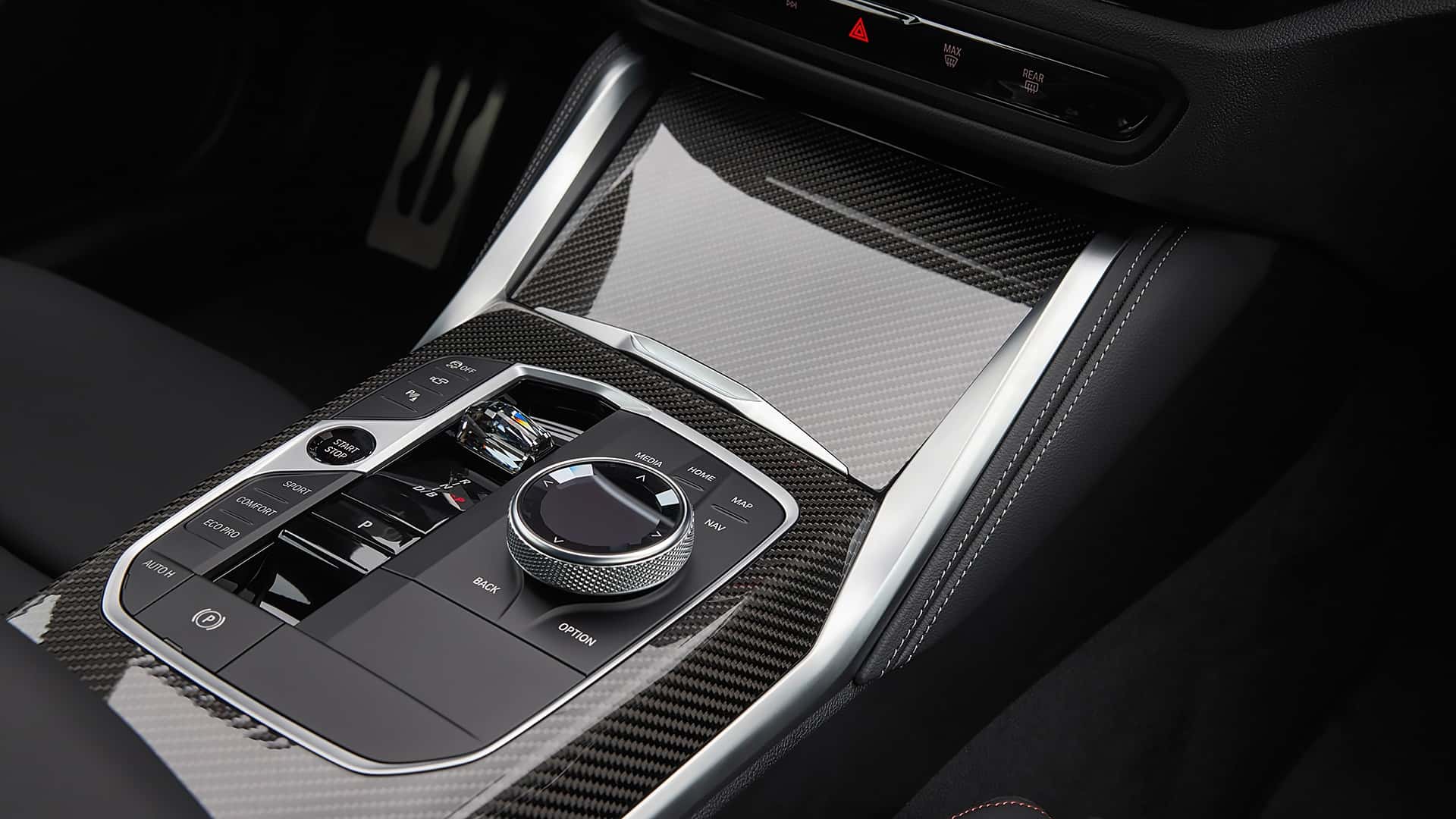
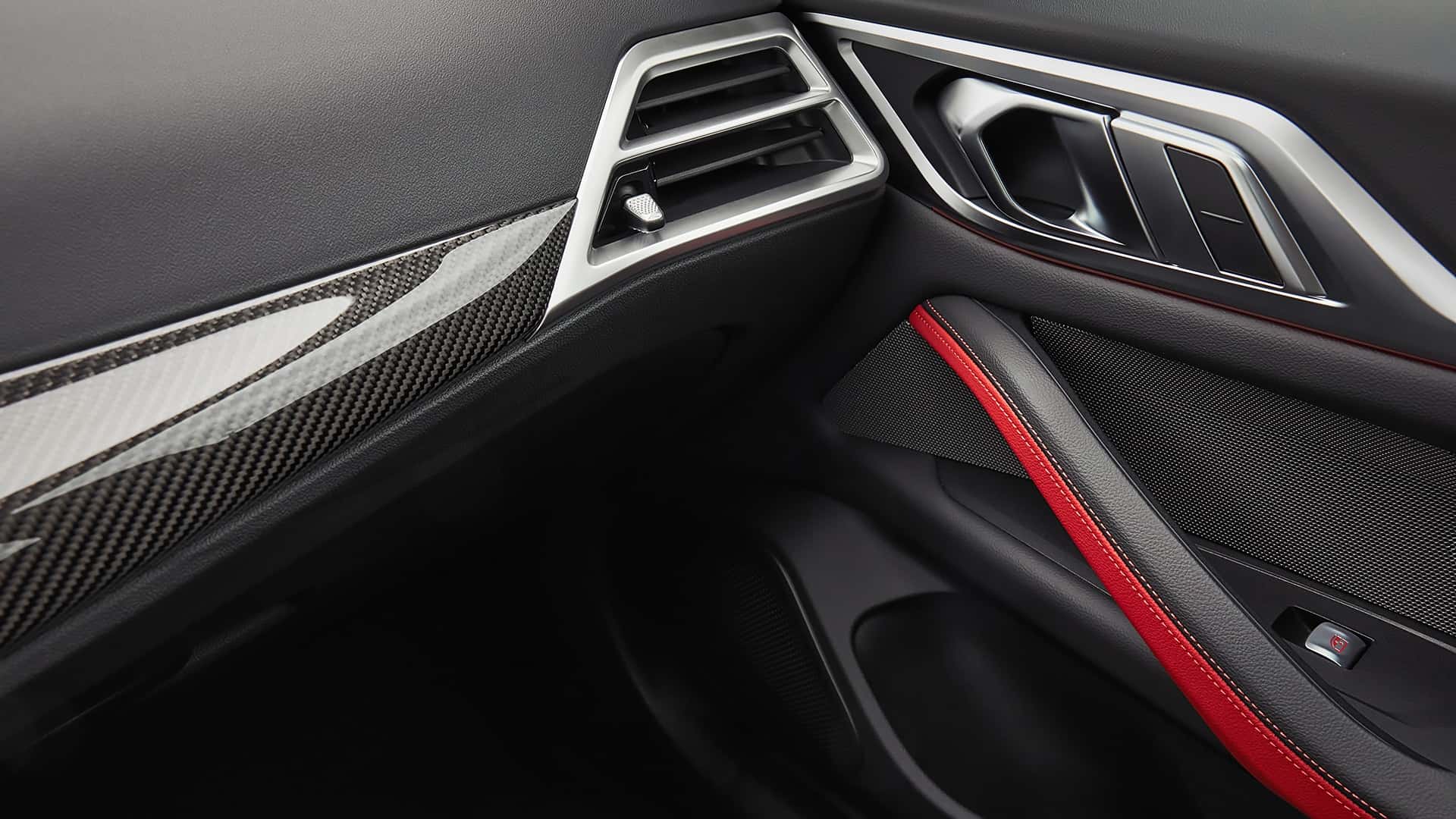
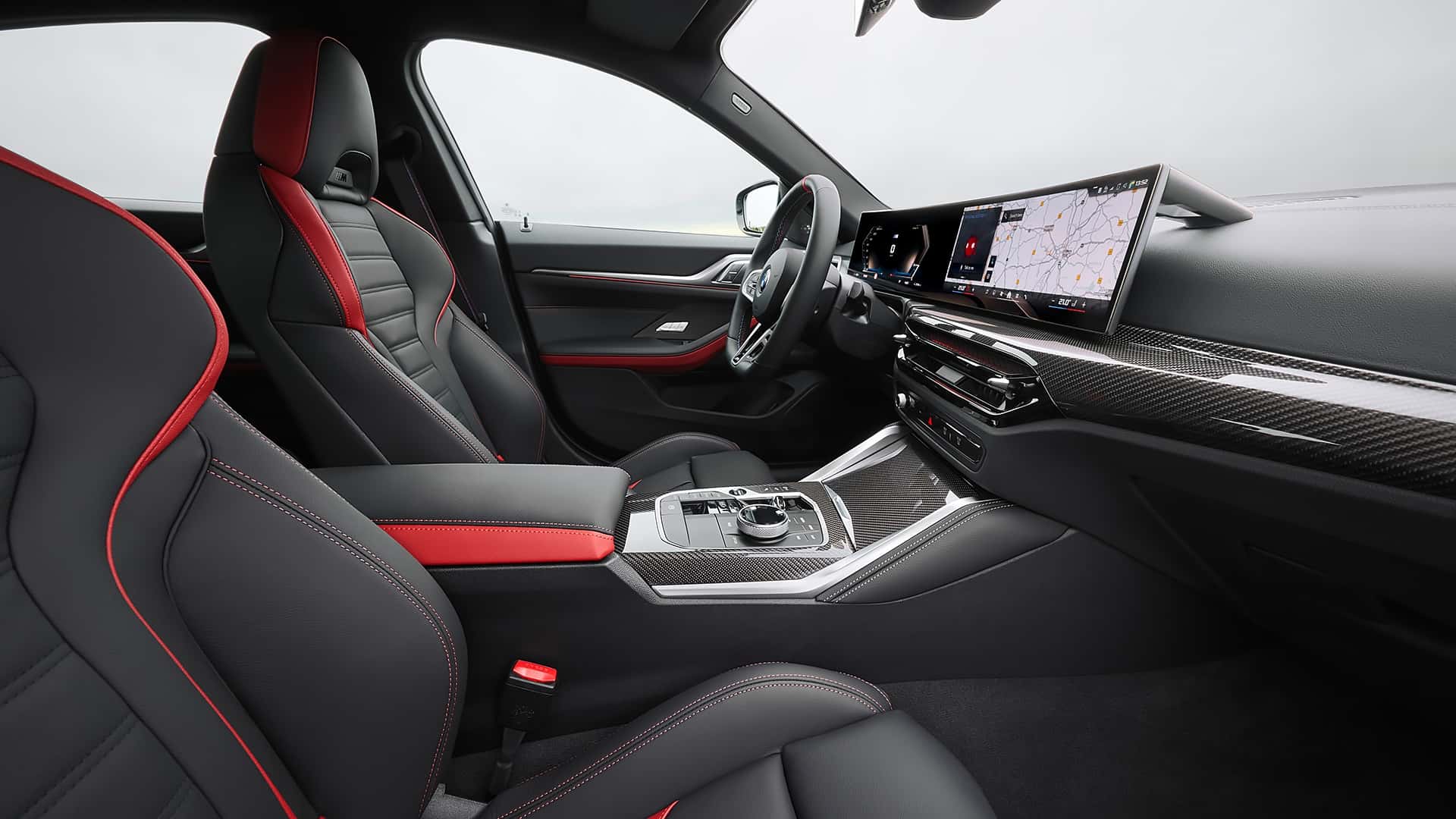
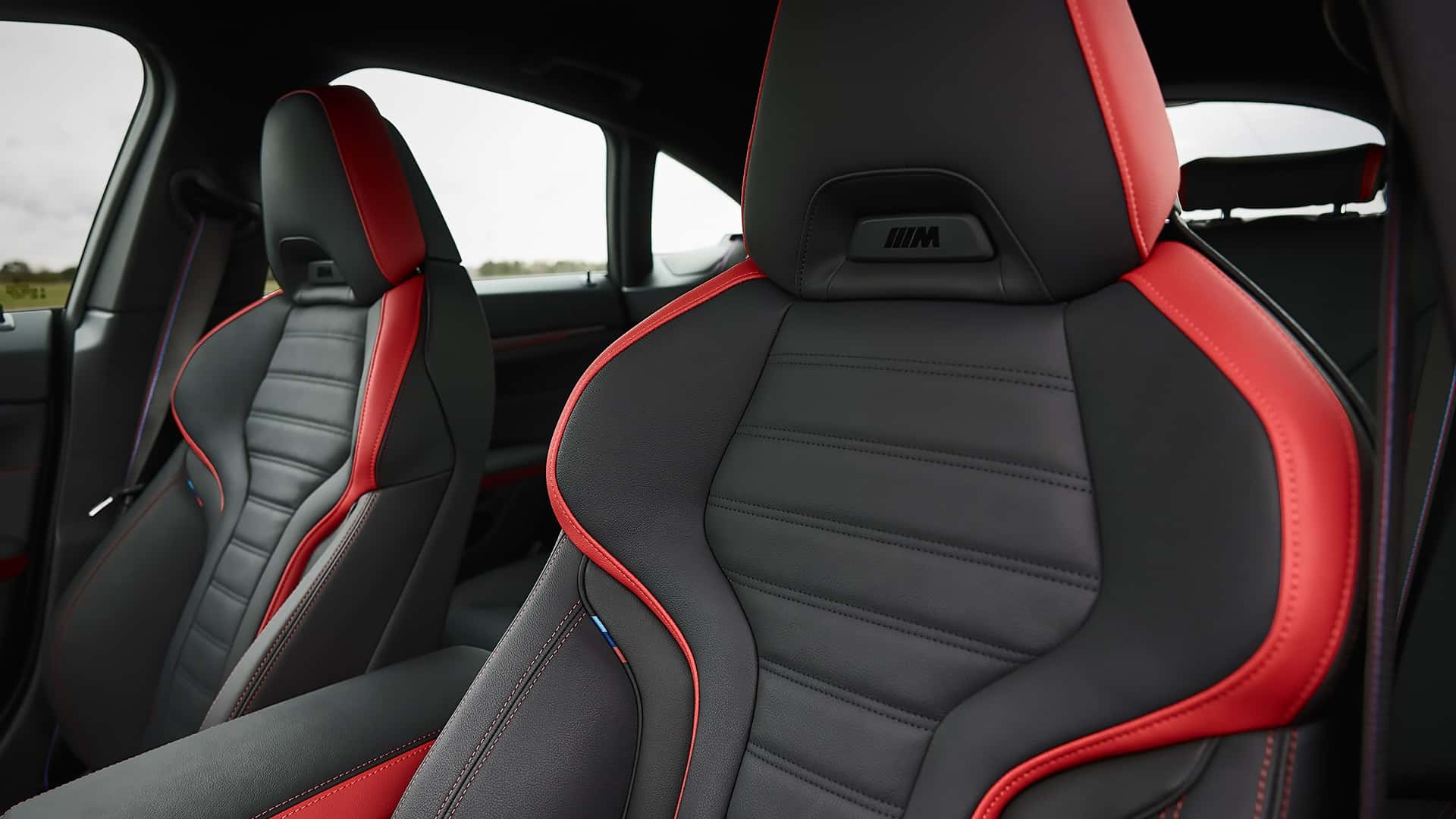
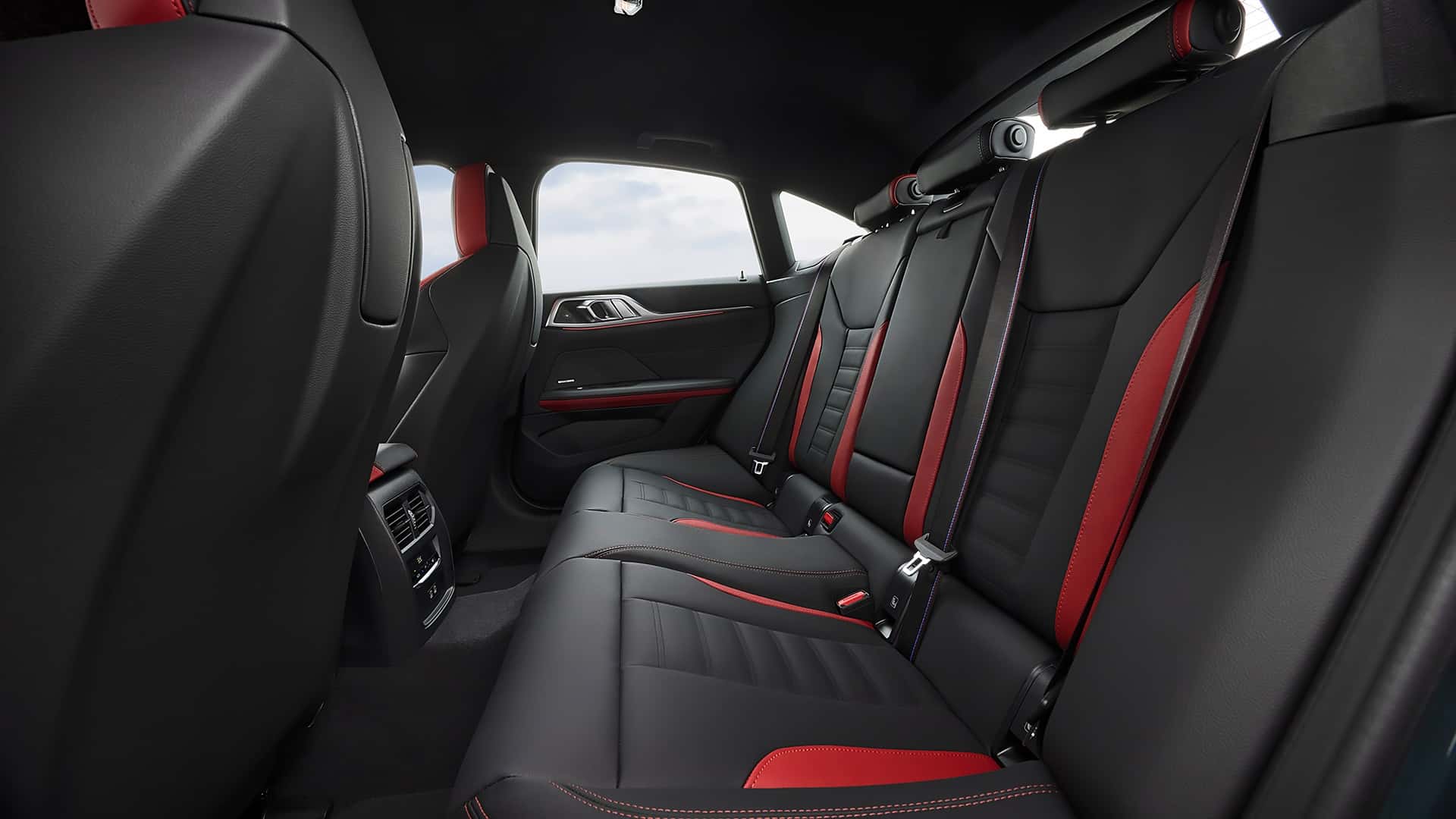
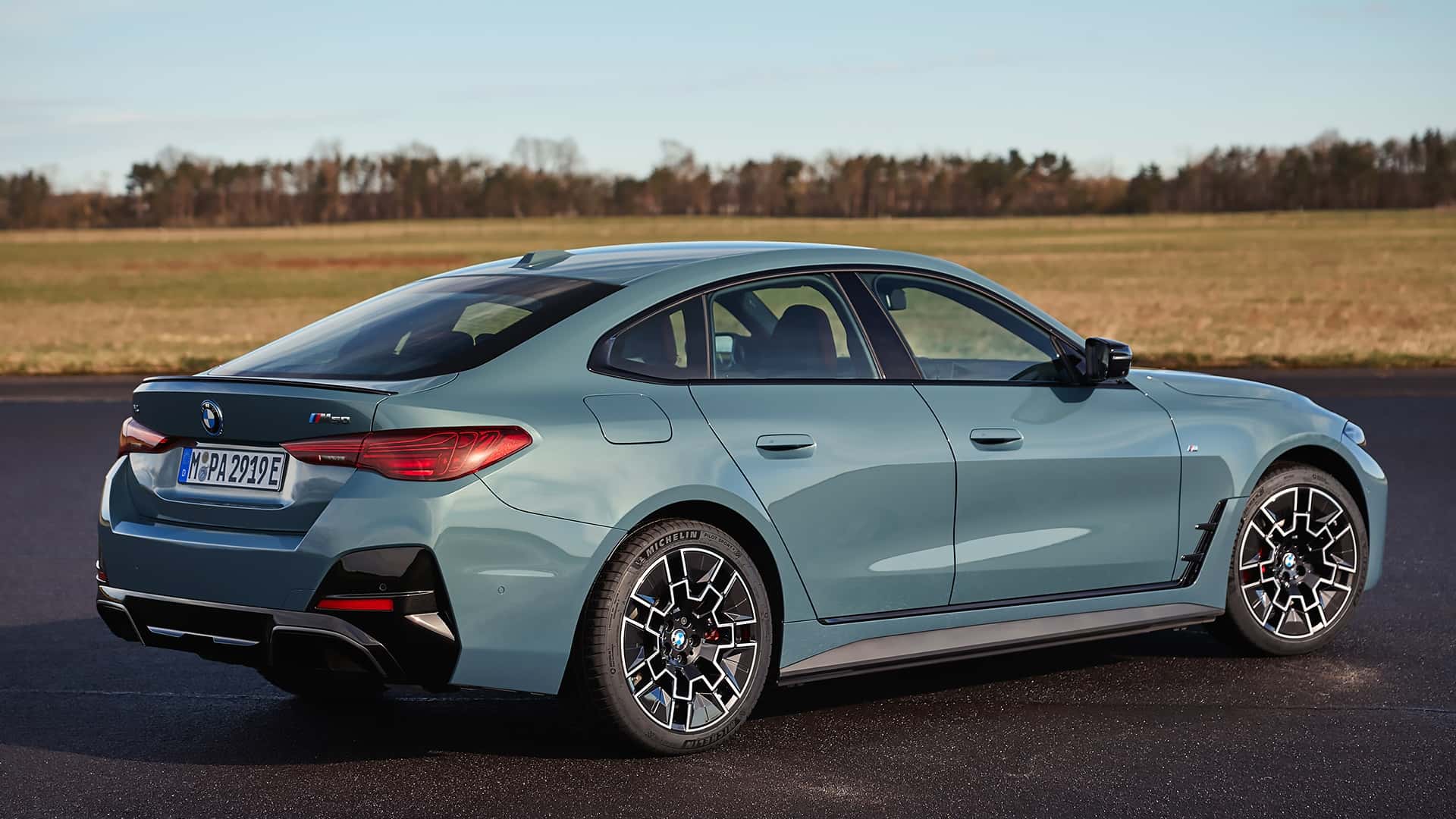
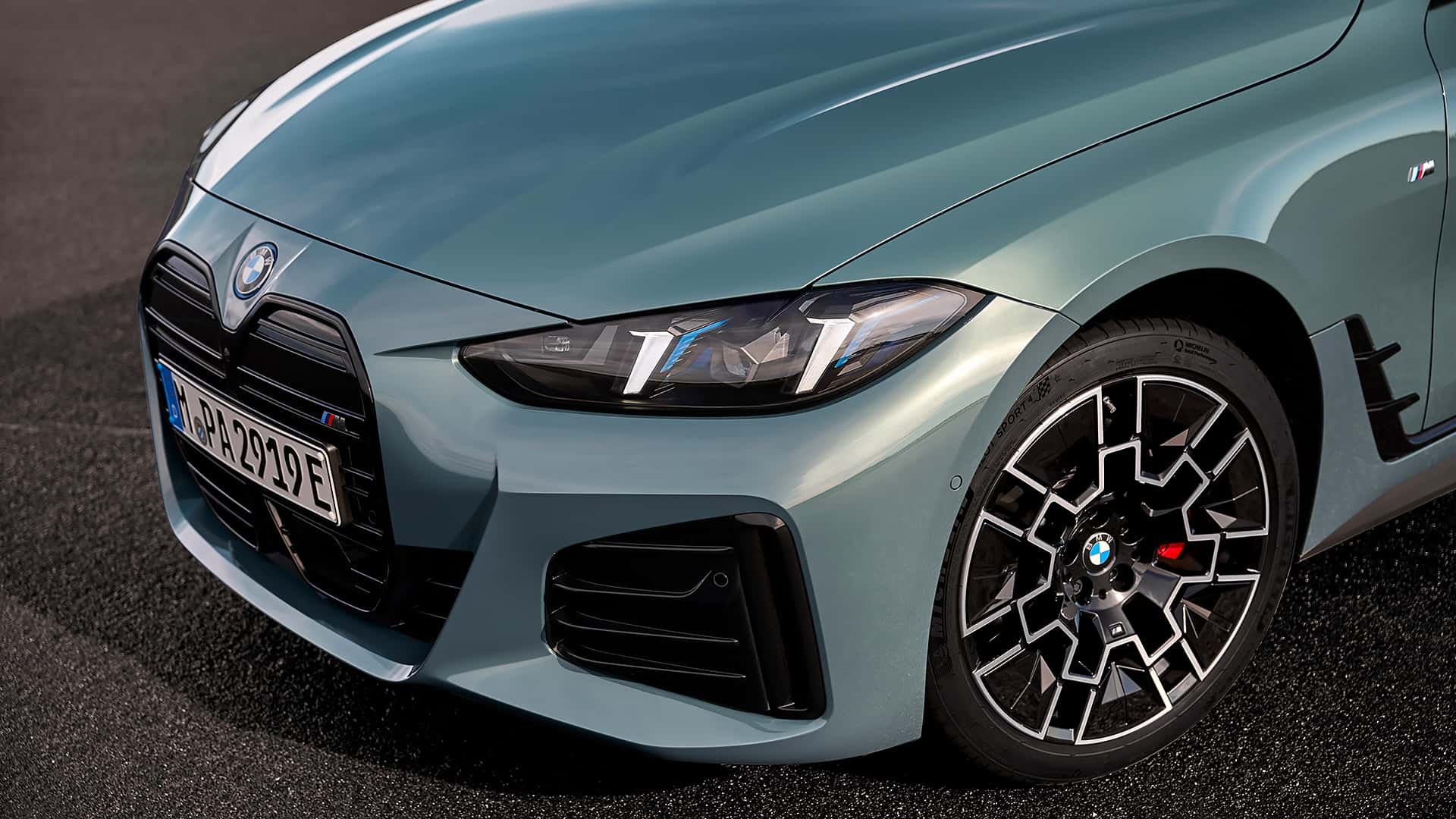
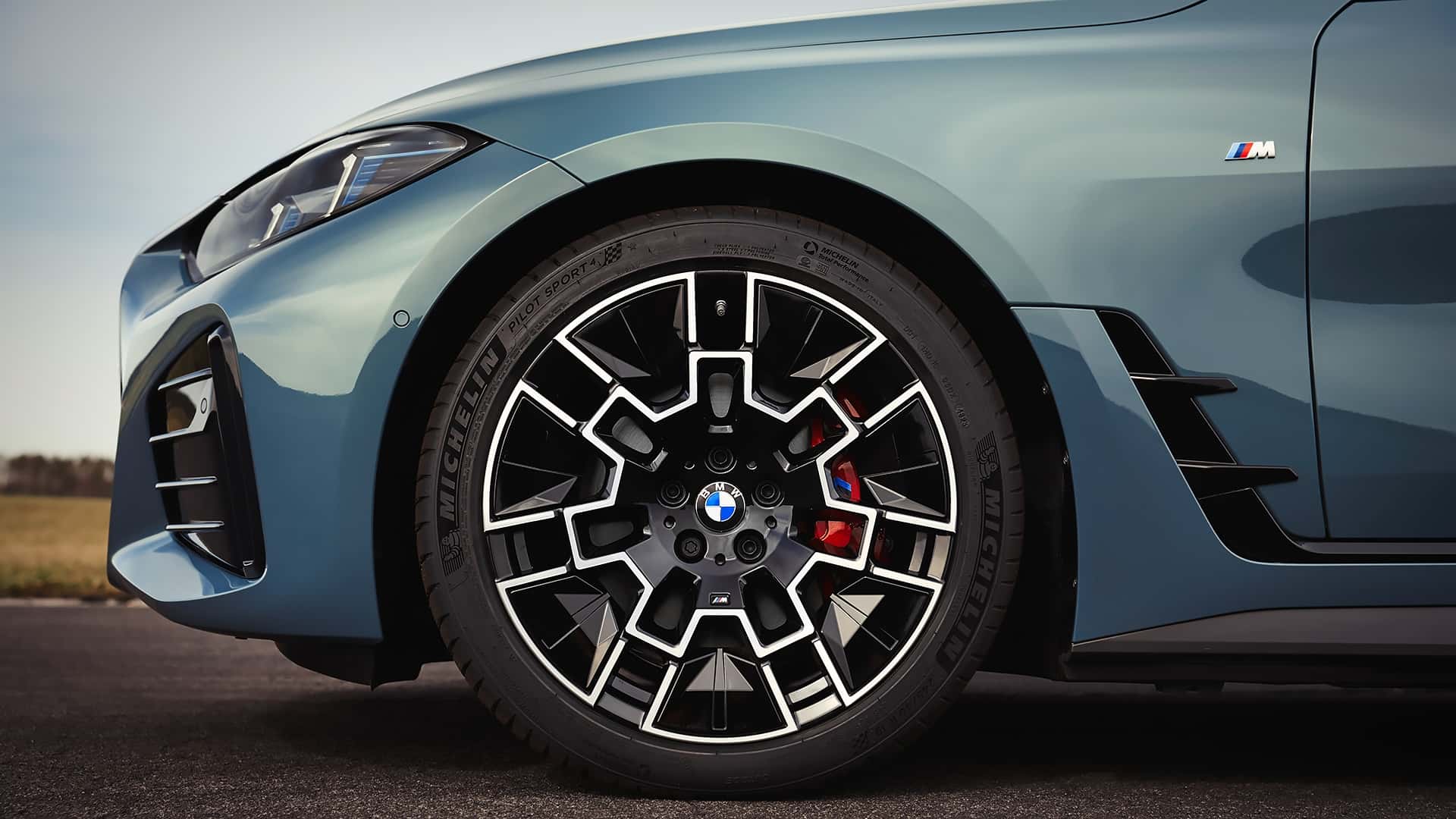
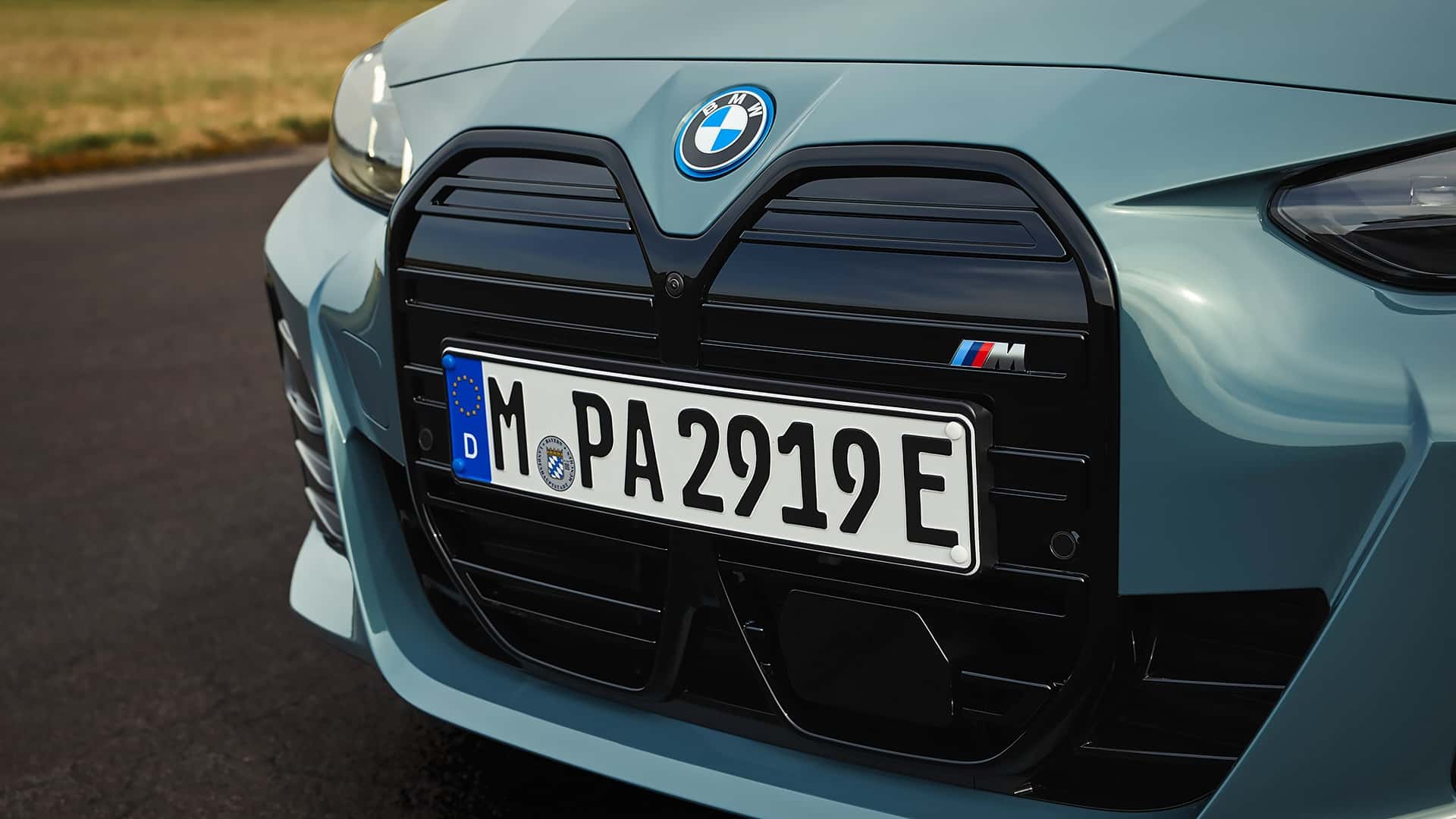
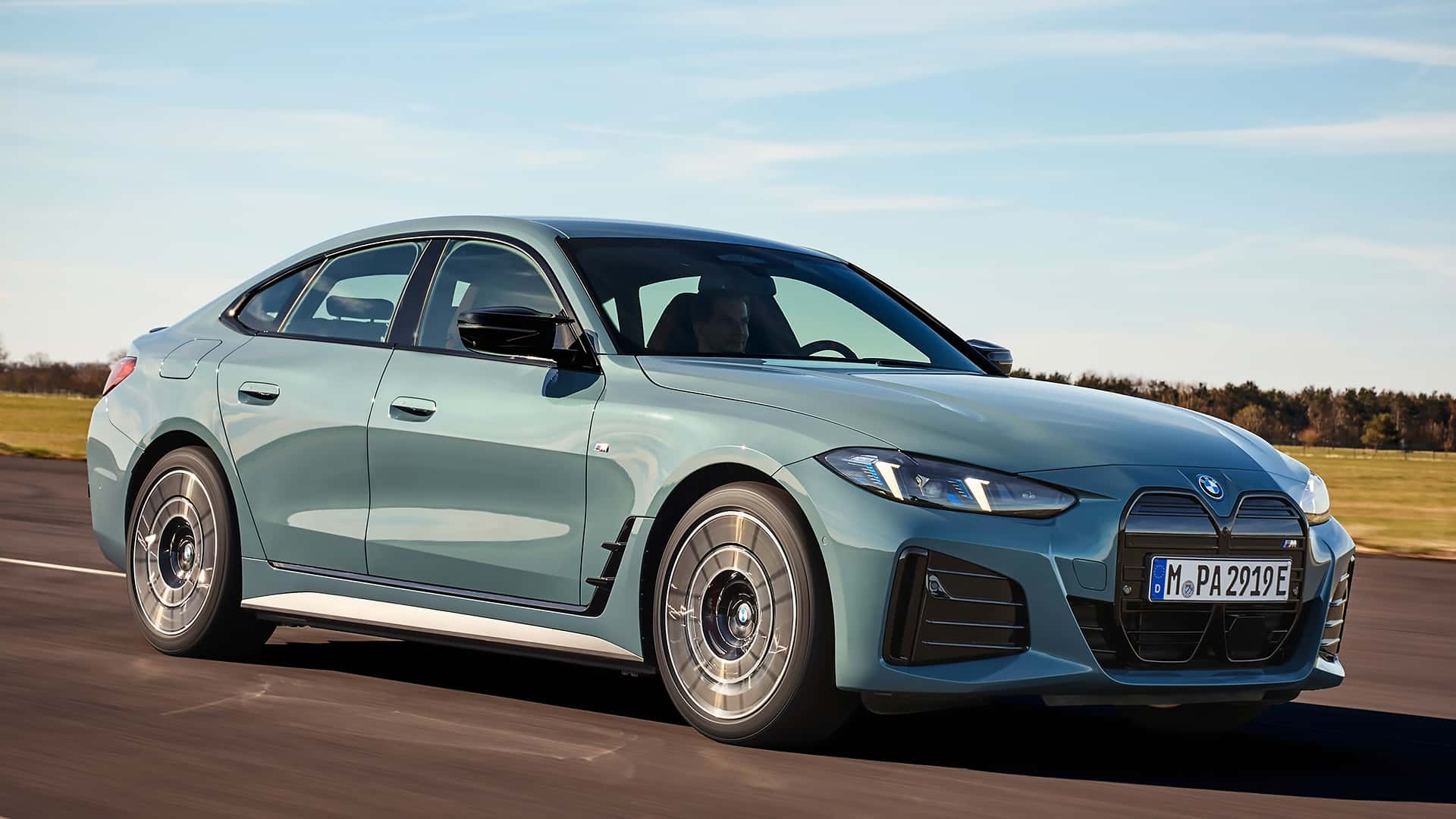
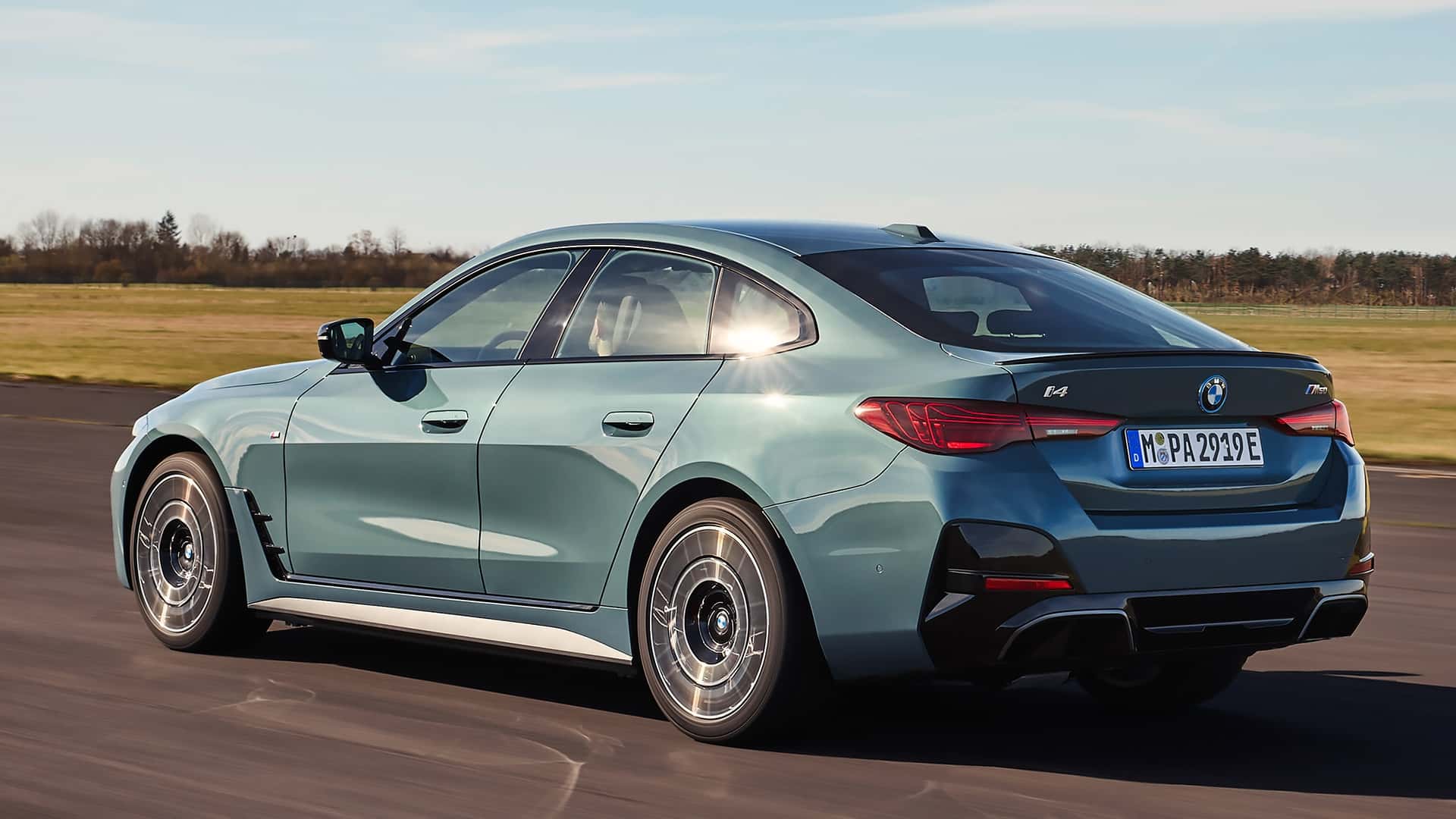
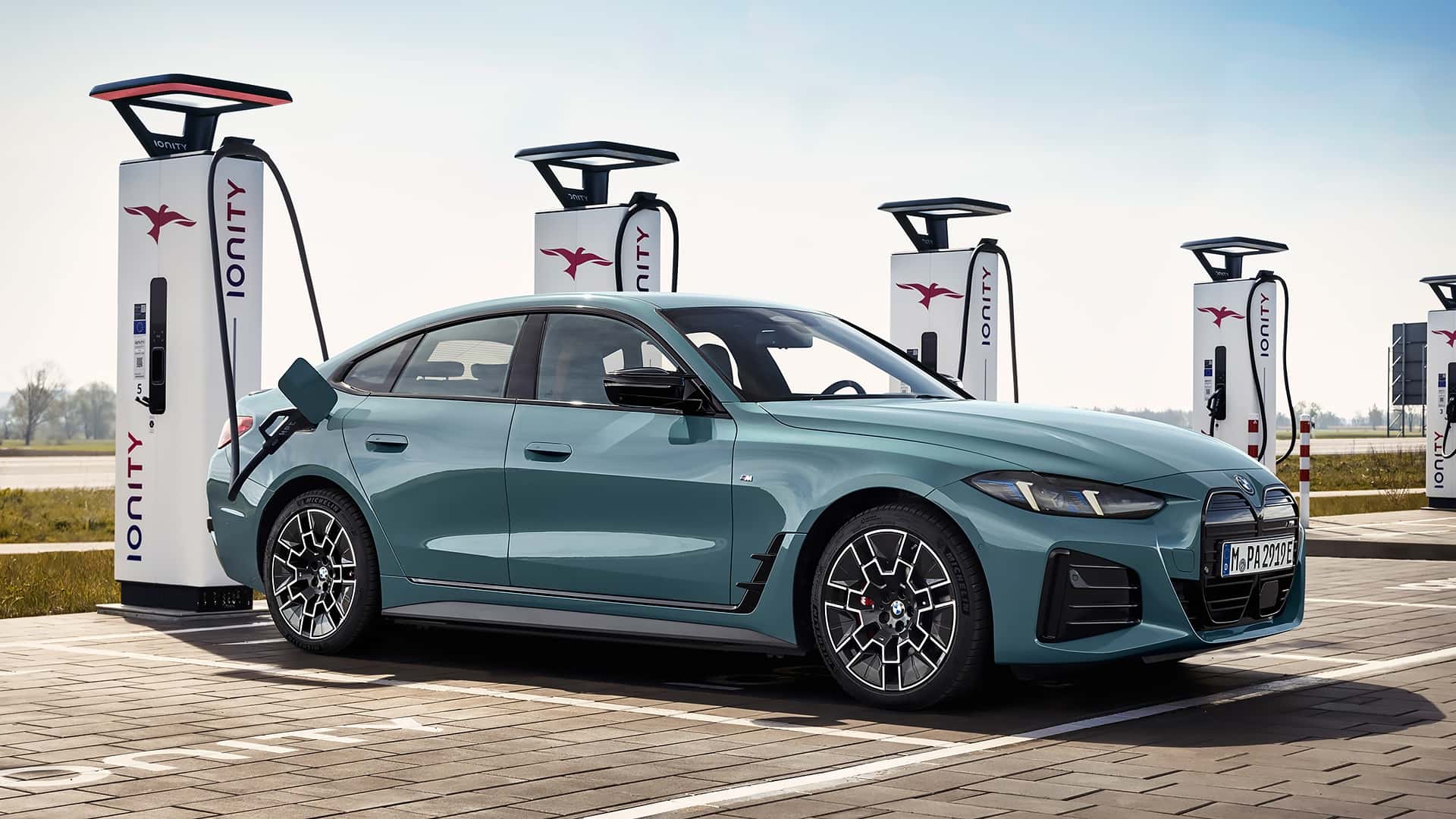
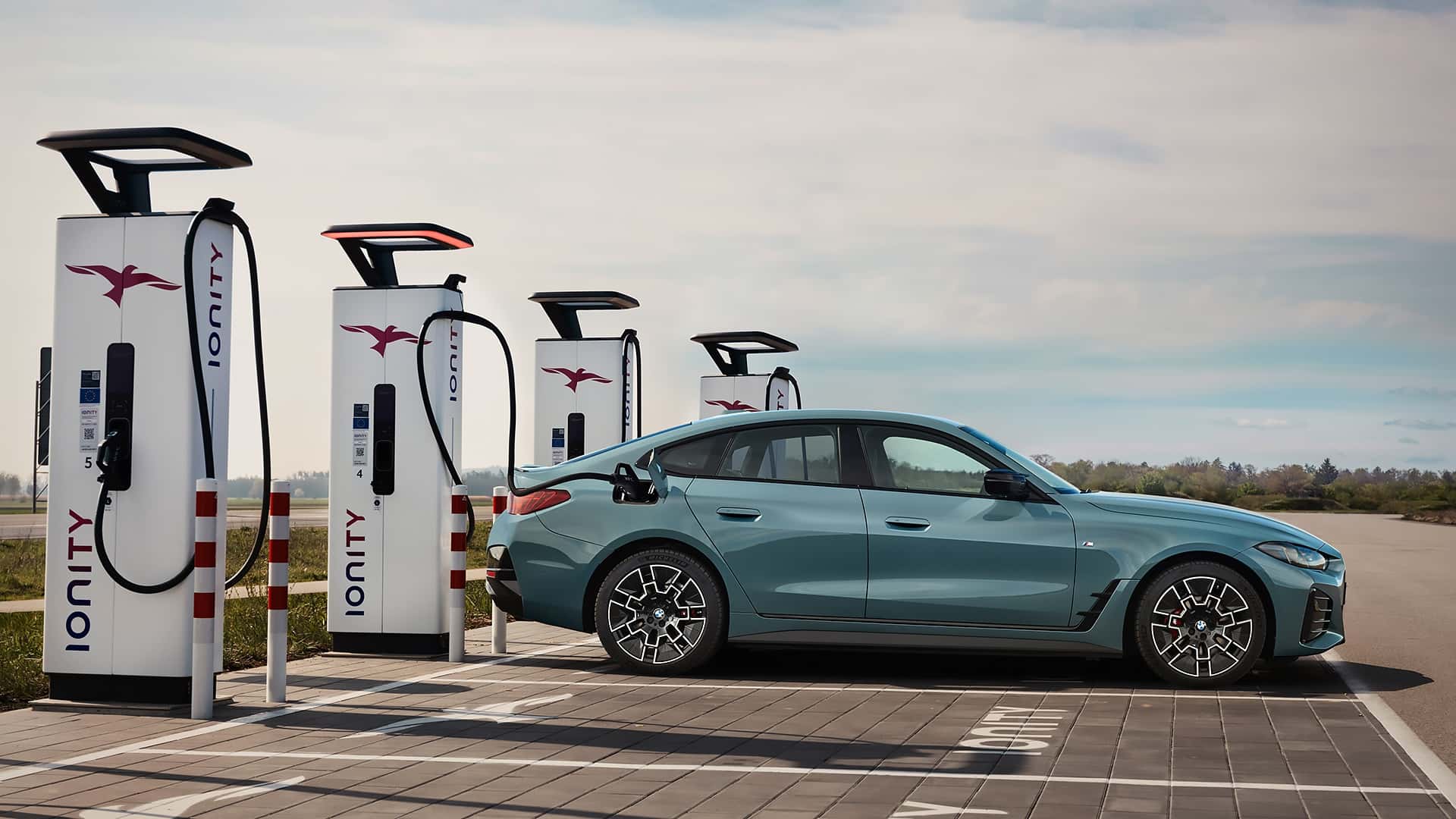
BMW’s latest offerings, the i4 and iX, exemplify this trend. These vehicles feature sleek lines and a modern aesthetic, housing cutting-edge electric technology under the bonnet. The design philosophy emphasises a clean, futuristic look that resonates with environmentally conscious consumers.
As the market shifts towards electrification, the design of vehicles like the i4 and iX reflects a broader commitment to sustainability without compromising style. This approach not only attracts buyers but also positions BMW as a leader in the EV segment.
Future Trends: The Rise of Minimalism in Automotive Design
Minimalism is becoming a dominant theme in automotive design, as seen in models like the Tesla Model 3 and the Audi Q4 e-tron. These vehicles prioritise simplicity and functionality, stripping away unnecessary elements to focus on what truly matters: performance and user experience.
As manufacturers adopt this minimalist approach, we can expect to see more vehicles that seamlessly blend form and function. This trend is likely to continue as consumers demand more from their vehicles, pushing brands to innovate in both design and technology.
Competitive Landscape: Who Will Lead the Charge?
With the automotive industry evolving rapidly, competition among manufacturers is fierce. Brands like Tesla, Audi, and BMW are vying for dominance in the EV market, each offering unique designs and technologies. The race is on to create vehicles that not only perform well but also captivate consumers with their aesthetics.
Looking ahead, the focus on integrating design and technology will only intensify. Consumers will increasingly favour brands that can deliver stylish and efficient vehicles that meet their needs. The coming years will be crucial for car manufacturers as they navigate this changing landscape.
Conclusion: The Intersection of Style and Substance
In conclusion, the automotive industry finds itself at a pivotal moment where design and technology must coexist harmoniously. As consumers become more discerning, the demand for vehicles that are both beautiful and functional will grow. Brands that can successfully merge these elements are likely to lead the market in the coming years.
For buyers seeking the perfect combination of style and technology, options like the BMW i4, Tesla Model 3, and Audi Q4 e-tron stand out. However, those prioritising traditional combustion engines may find themselves at a disadvantage as the industry shifts towards electrification.