In a rapidly evolving automotive sector, the design of modern vehicles is being reinvented to conceal technology in favour of aesthetics. This trend raises questions about functionality and safety, redefining our relationship with cars.
In recent years, analysing the design of a new car requires a more critical eye. Elements that were once visible, such as air intakes, door handles, and sensors, seem to have disappeared or are perfectly integrated into the bodywork. This phenomenon is not merely a passing fad; it represents a profound transformation in automotive aesthetics, reflecting current technological and functional challenges. In a sector where combustion, electric, and hybrid vehicles coexist, designers strive to make technology ‘visible only when necessary’, without compromising the purity of surfaces. An ‘invisible’ design alters our perception of the car and raises questions about the balance between style and functionality.
The Air Intake: A Symbol in Transition
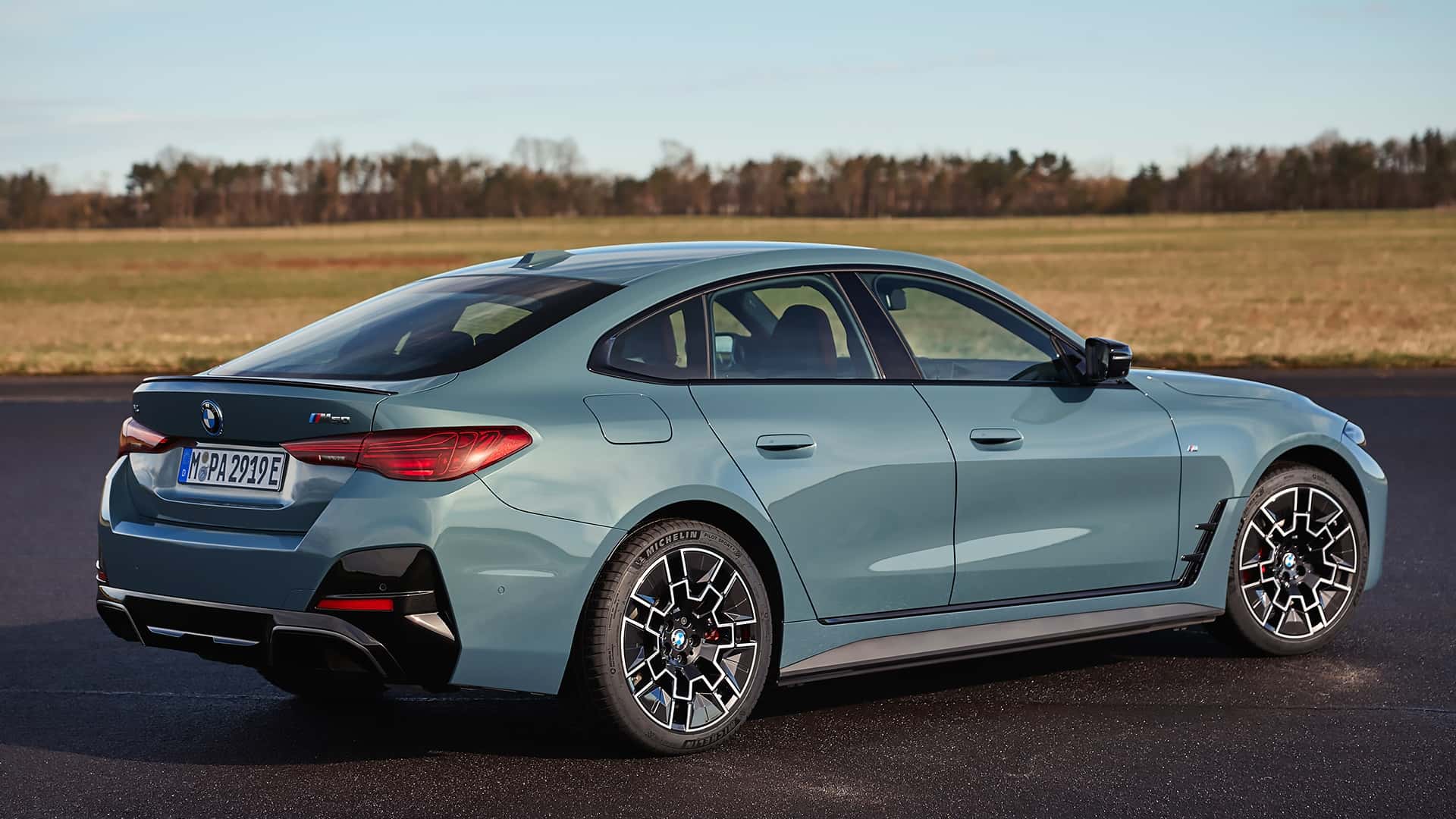
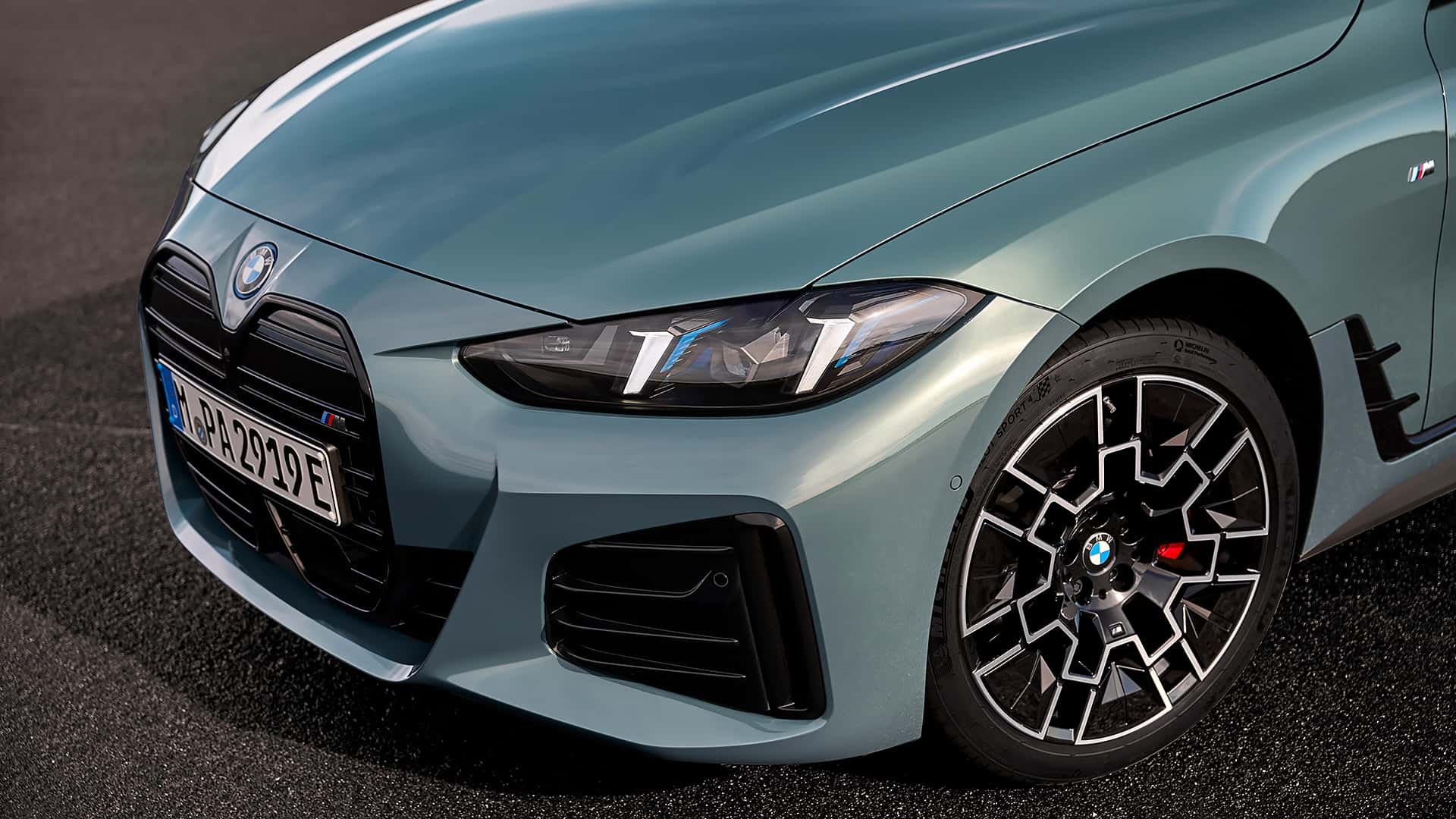
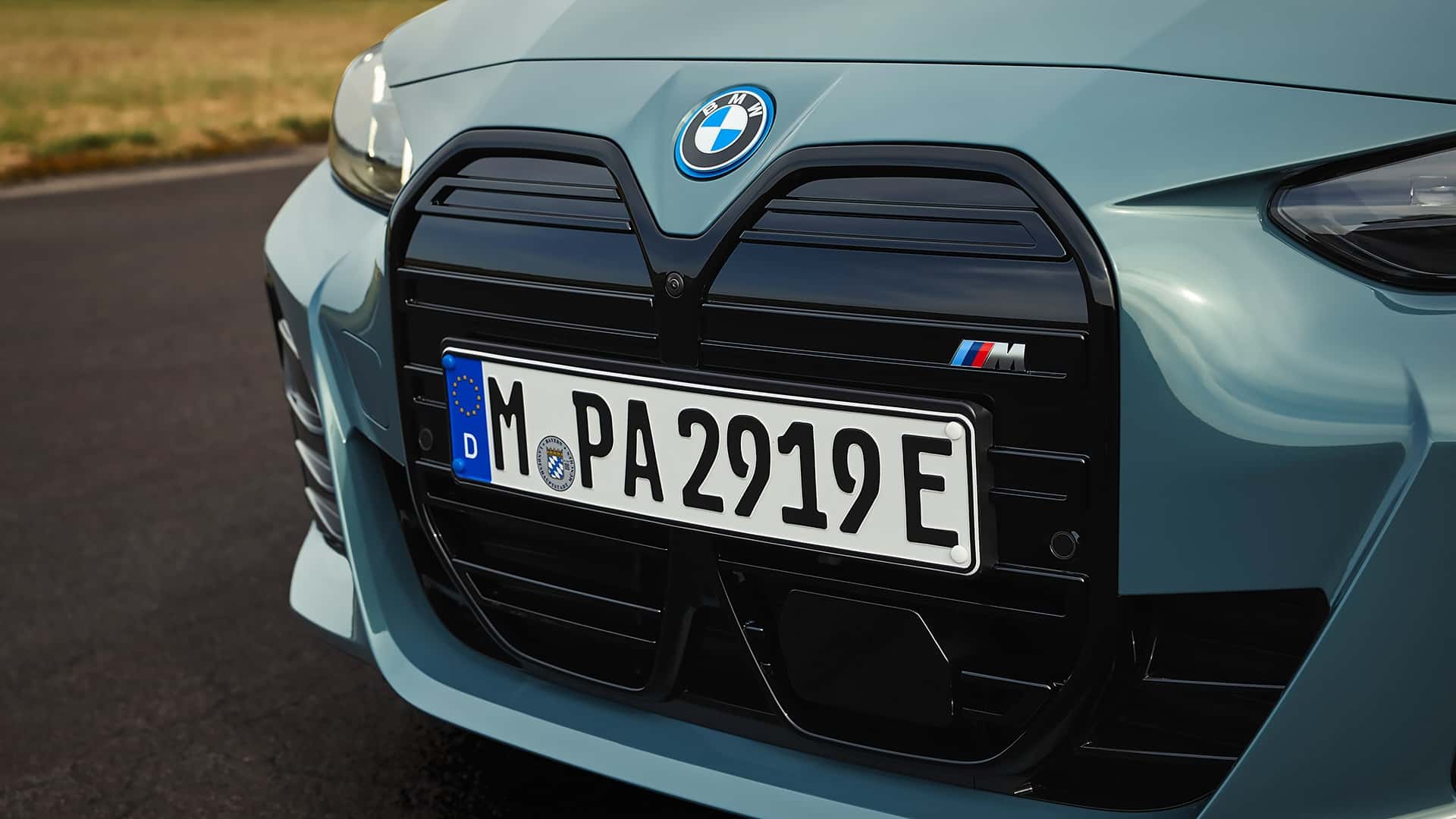
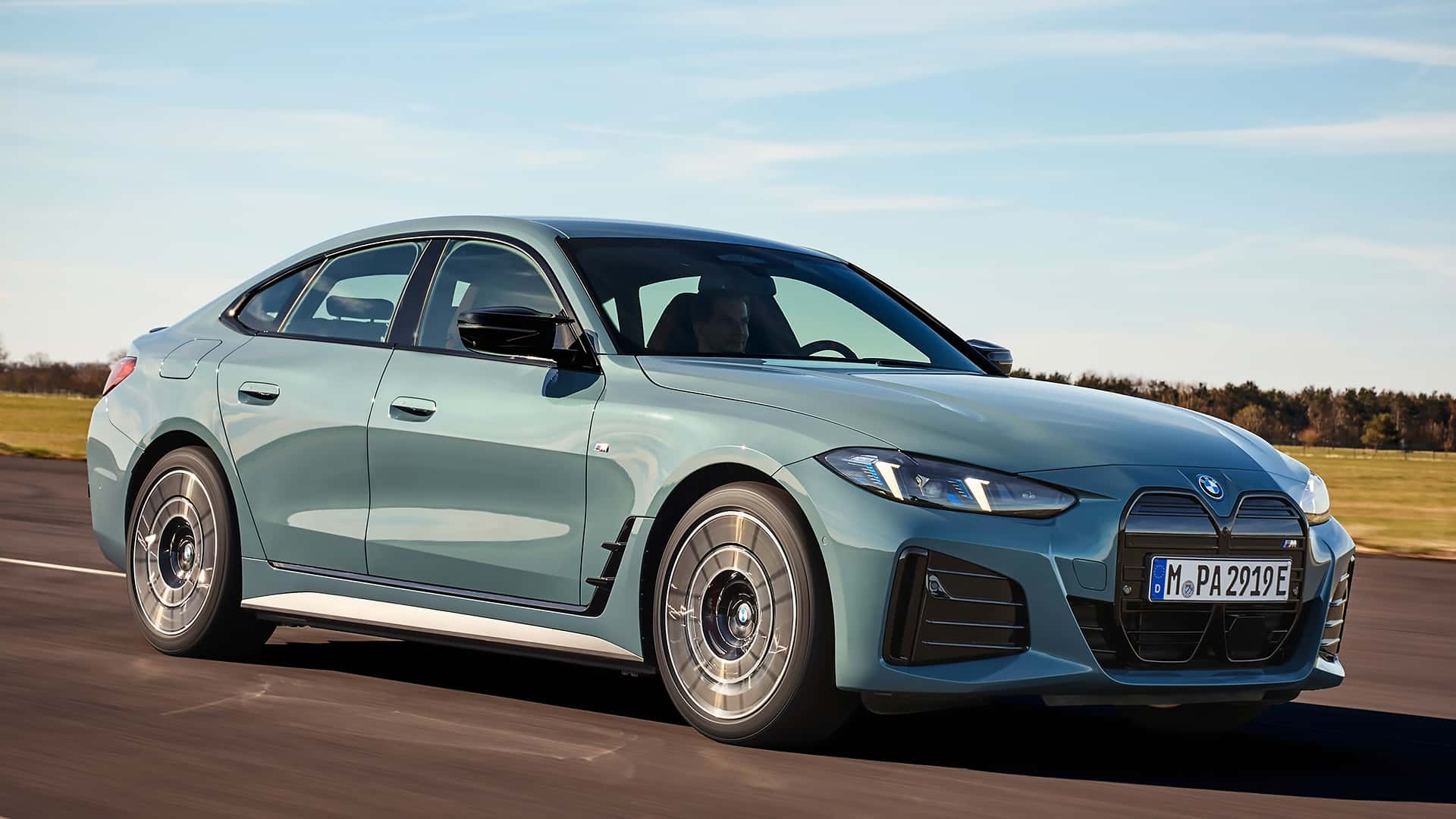
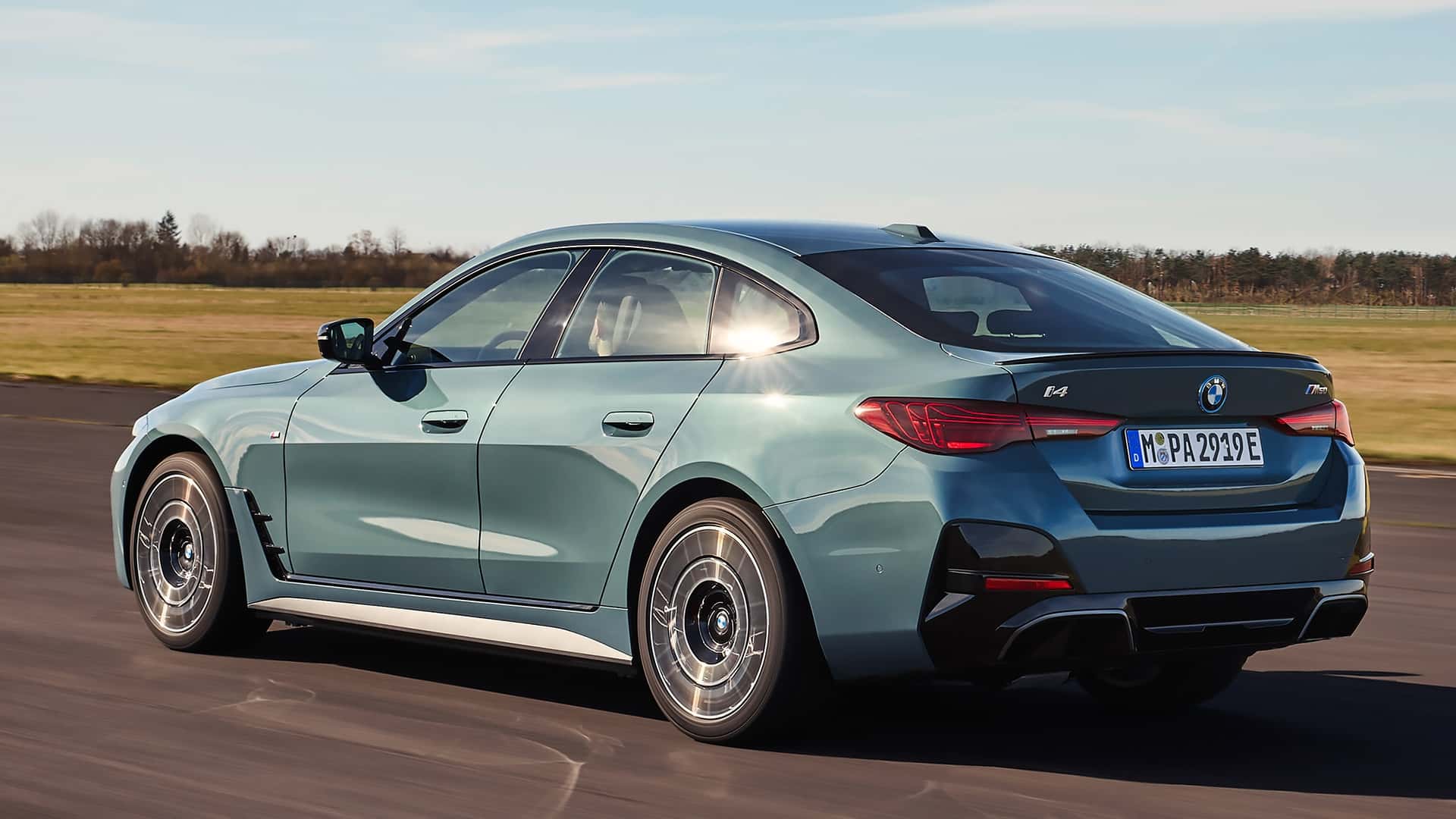
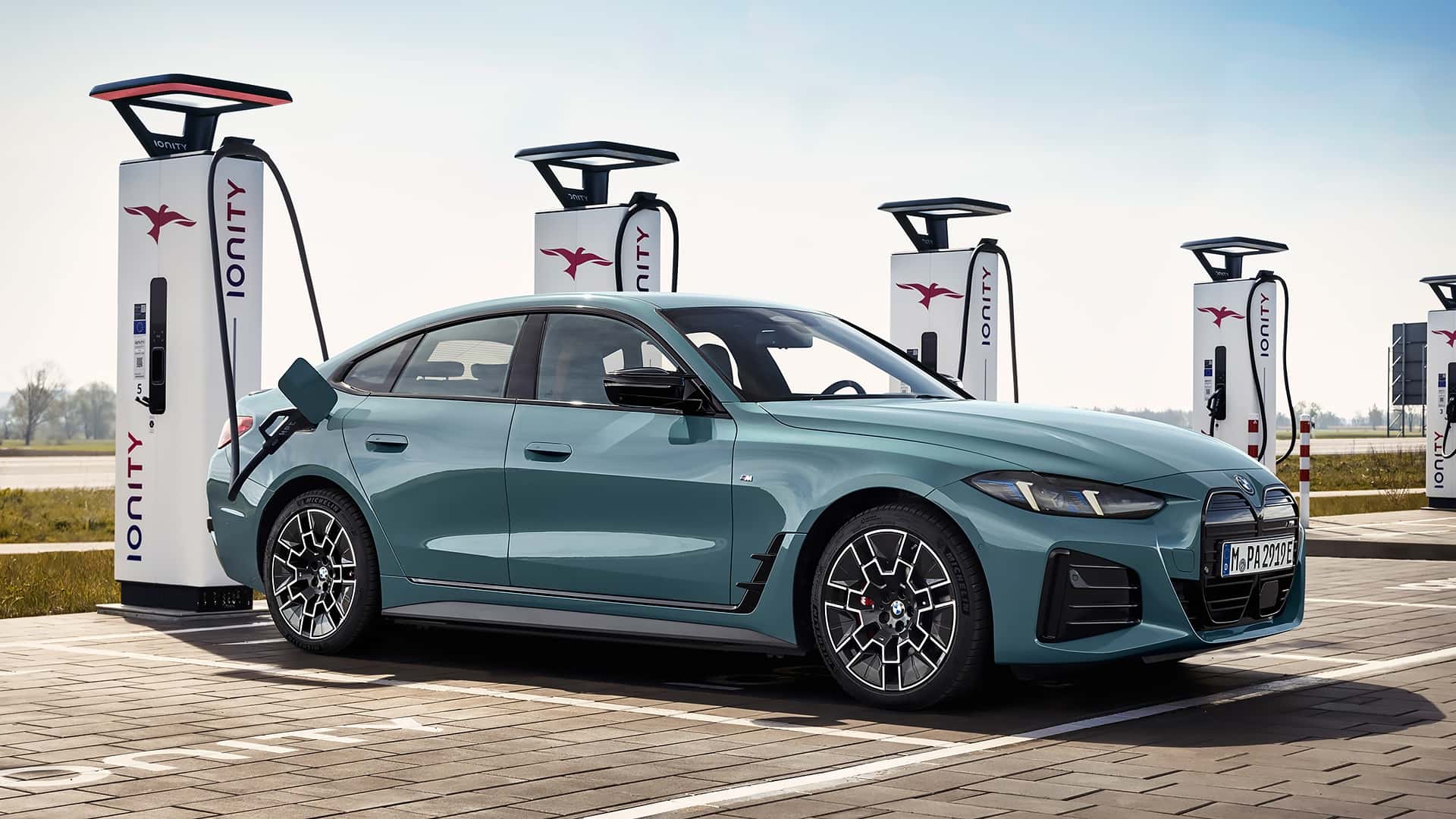
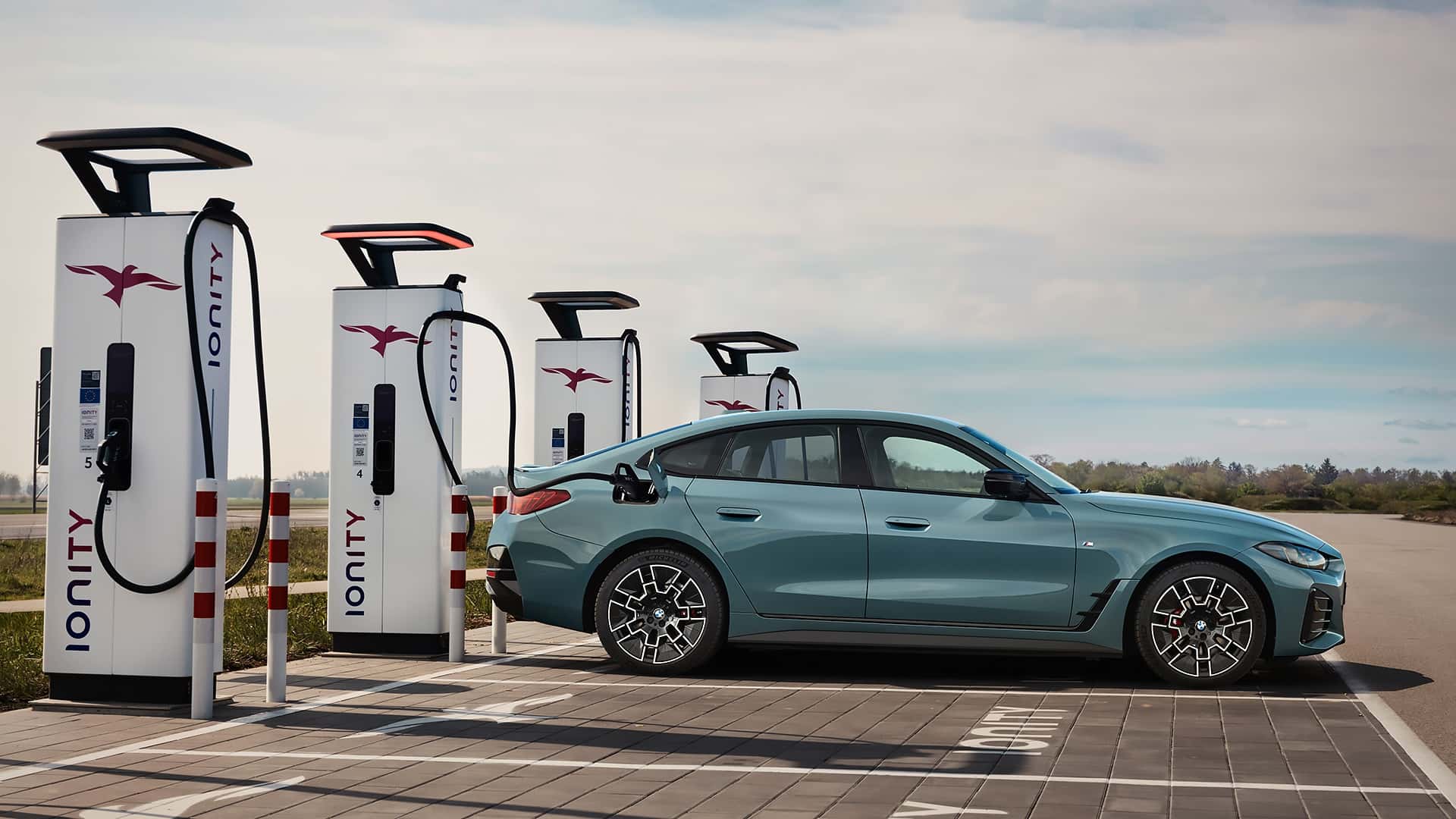
Historically, air intakes symbolised engine power. The larger they were, the more power the vehicle seemed to promise. Today, that narrative has shifted. Take BMW as an example: the brand employs active air intakes that open or close according to cooling needs. In electric models like the i4 or iX, the traditional grille is replaced by a closed panel that integrates radars and sensors. This marks a significant evolution in automotive design.
In electric vehicles or those with more efficient architectures, air is primarily directed through the lower part of the grille, while the upper part remains almost decorative. Models like the Fiat Panda and Hyundai Ioniq 6 perfectly illustrate this new trend towards simplicity. The real innovation lies in the emergence of hidden airflow, directed through optimised internal channels, allowing for better aerodynamics while maintaining aesthetics.

The integrated and removable charging cable in the closed grille of the Grande Panda Electric
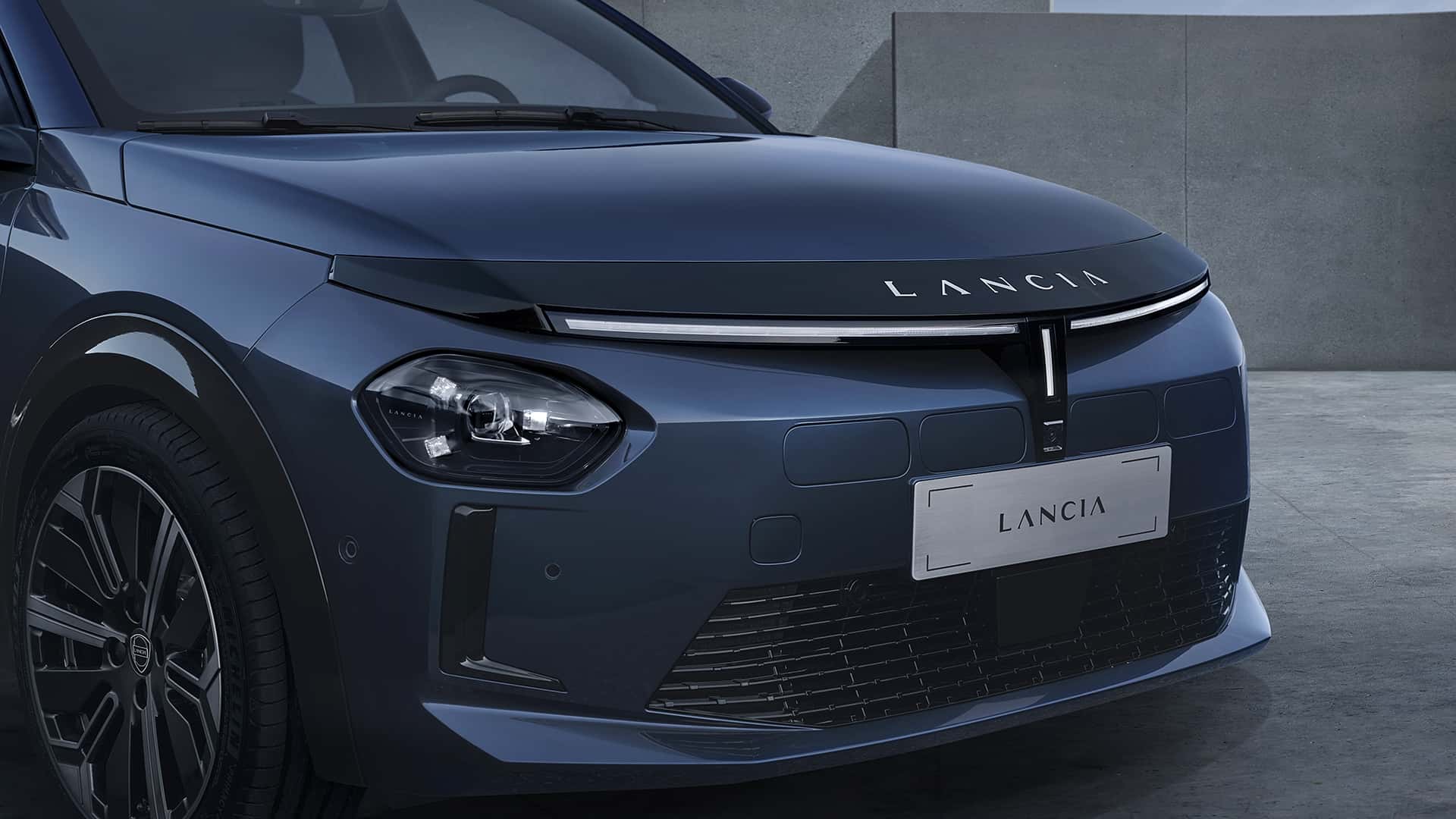
The new Lancia Ypsilon in its electric version has no front air intakes, enhancing aerodynamics
Door Handles in Harmony: Balancing Aesthetics and Practicality
Door handles have always posed a challenge for integration into design. Historical solutions, such as that of the Alfa Romeo 156, paved the way for modern approaches. Today, many manufacturers use handles that barely stand out from the bodywork, like the Audi Q4 e-tron, or fully retractable devices like the Tesla Model 3.
For instance, Renault integrated the rear handle of the Clio into the pillar, creating a cleaner and more continuous side profile. Proximity sensors in some Tesla models allow doors to be opened almost without physical contact, further reducing visual impact. The result is a smoother, more aerodynamic profile, where the handle becomes a harmonious element of a continuous surface.

Audi Q4 35 e-tron (2024): integrated and aligned handles

In the Tesla Model 3, the handle is a fully retractable element that opens with a touch
Hidden Sensors: Technology Becomes Invisible
Modern cars are increasingly equipped with sensors: radars, lidars, cameras, and ultrasonic sensors. Paradoxically, these elements are becoming less visible. Designers now integrate sensors into existing elements, creating a balance between technology and aesthetics. In models like the Mercedes EQE and BMW’s 7 Series, rear sensors are cleverly camouflaged in emblems or black trim on the bumper.
This approach preserves a clean style while integrating omnipresent technology. Essentially, technology is present, but no longer interrupts the vehicle’s lines. It is a way to redefine our relationship with onboard electronics, where each sensor becomes an integral part of the vehicle’s design language.

In the Citroën C3, the front logo integrates ADAS sensors

In the BMW 7 Series, sensors are integrated into the trims and surfaces around the vehicle
An Invisible Yet Readable Design
This evolution is not just about aesthetics; it implies a new design philosophy. Air intakes appear only when necessary, handles merge with the bodywork, and sensors become integrated elements of the vehicle’s formal language. However, this trend raises questions about the limits of this approach.
Organisations like the ADAC in Germany have recently warned about the potential dangers of electric handles in emergency situations. Furthermore, some regulations in China restrict the introduction of exclusively electric solutions without easily accessible mechanical devices. These concerns remind designers of their responsibility regarding safety while pursuing elegance.
Summary
- Modern automotive design prioritises aesthetics over technical visibility.
- Air intakes and handles are now integrated to improve aerodynamics.
- Sensors are camouflaged to preserve the clean lines of vehicles.
- This trend raises questions about safety and accessibility in emergency situations.
- A delicate balance between aesthetic innovation and regulatory requirements must be found.
Who is this invisible design for? For lovers of modern aesthetics, this style is appealing. However, critical practical and regulatory issues remain. In the medium term, this evolution may redefine market standards and influence competition. Brands need to align aesthetic innovation with functional limitations, lest they lose sight of the essence of the automobile.