

SUVs, those road giants, have not said their last word. Thanks to sleeker lines and thoughtful design, they are transforming into vehicles that are both practical and efficient. Indeed, in a world where range has become a major issue, aerodynamics is no longer a mere detail but an essential requirement.
A Revolution in Shapes
A few years ago, during an informal conversation with a designer from a major manufacturer, we expressed our confusion at the persistence of heavy and aerodynamically inefficient SUV models. His response still resonates: “You will see, in a few years, the shapes will change. The SUV will become a very different car.” And, of course, he was right. Today, SUVs are shedding their angles, reducing vertical surfaces, and adopting more fluid proportions. Efficiency and design can no longer progress separately.
With the advent of electric vehicles (EVs), hybrid vehicles (HEVs), and plug-in hybrids (PHEVs), aerodynamics has become an absolute priority. Every detail that reduces air resistance translates into additional miles of range or fuel savings. The compact SUV, once perceived as a mere “mass on wheels,” now glides through the air with unprecedented attention. The SUV of tomorrow promises to be very different from the one we know.
Aerodynamics: A Modern Imperative
Aerodynamics is not just a matter of shape; it is primarily a question of pure efficiency. Air resistance increases with the square of speed, and an improvement in Cx — the drag coefficient — has immediate consequences on consumption, range, and even onboard noise. Every modern SUV must integrate this dimension: EVs, HEVs, and PHEVs must optimize every watt, leading to a radical change in design.
A simple gain of 0.02 on the Cx can result in highway consumption reductions of 3 to 5%. It is therefore not surprising that the latest SUVs all aim for a Cx below 0.30, a goal that seemed unthinkable a few years ago for such tall vehicles.
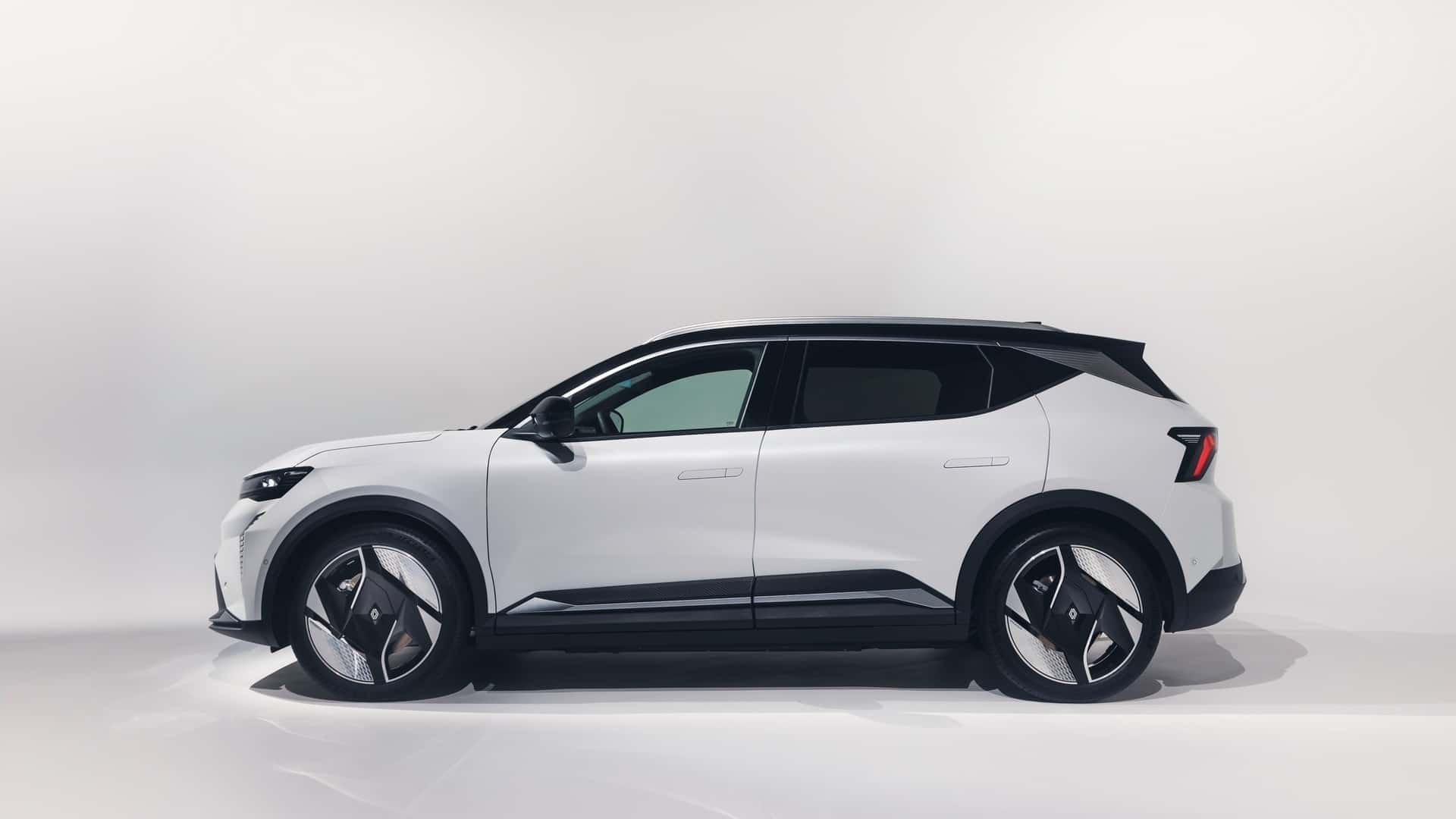
Renault Scenic E-Tech Electric: smooth surfaces, tapered roof, EV proportions. Goal: balance between space and airflow.

Peugeot E-3008, sculpted front and fastback rear, to draw elegance from shapes that glide through the air.
The Cx: A Crucial Measure
The Cx, or coefficient of aerodynamic drag, measures a car’s ability to “cut through” the air. The lower it is, the more efficient the car. Automotive history is full of emblematic examples: the Citroën DS already had a Cx of 0.33 in the 1960s, while the Audi 100 C3 made waves with 0.30 in the 1980s. More recently, the GM EV1 achieved an impressive 0.195 in 1996.
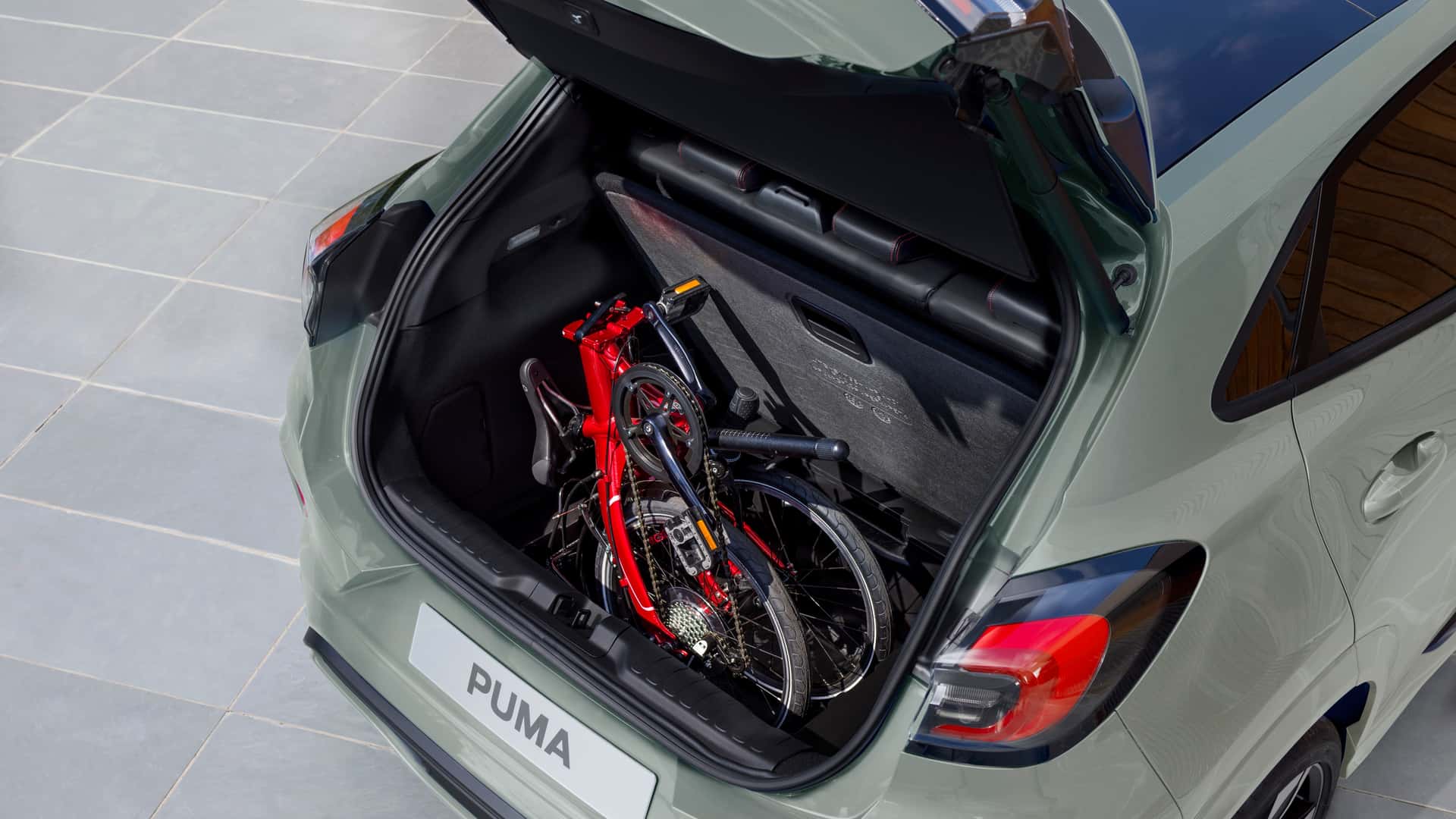
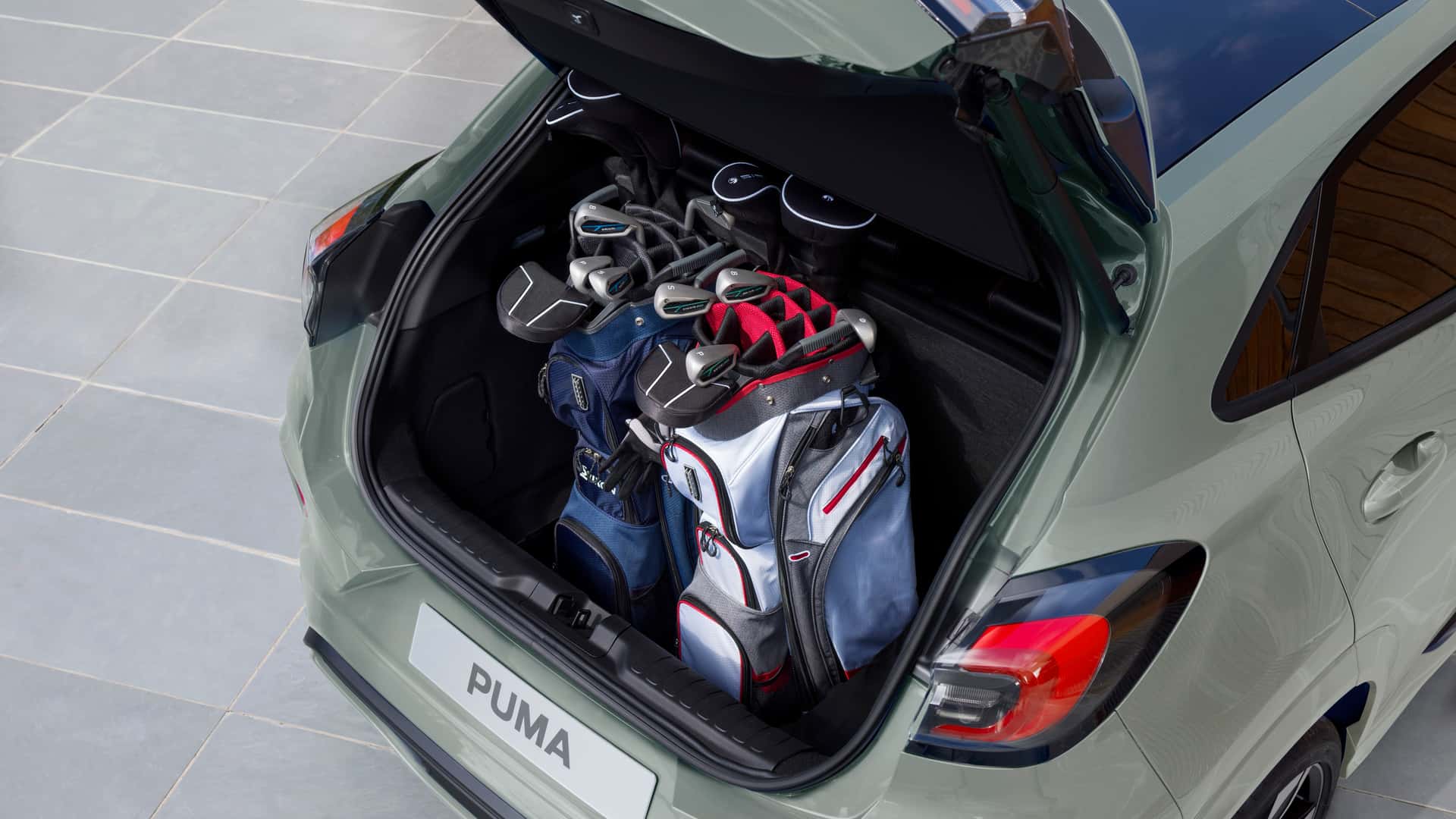
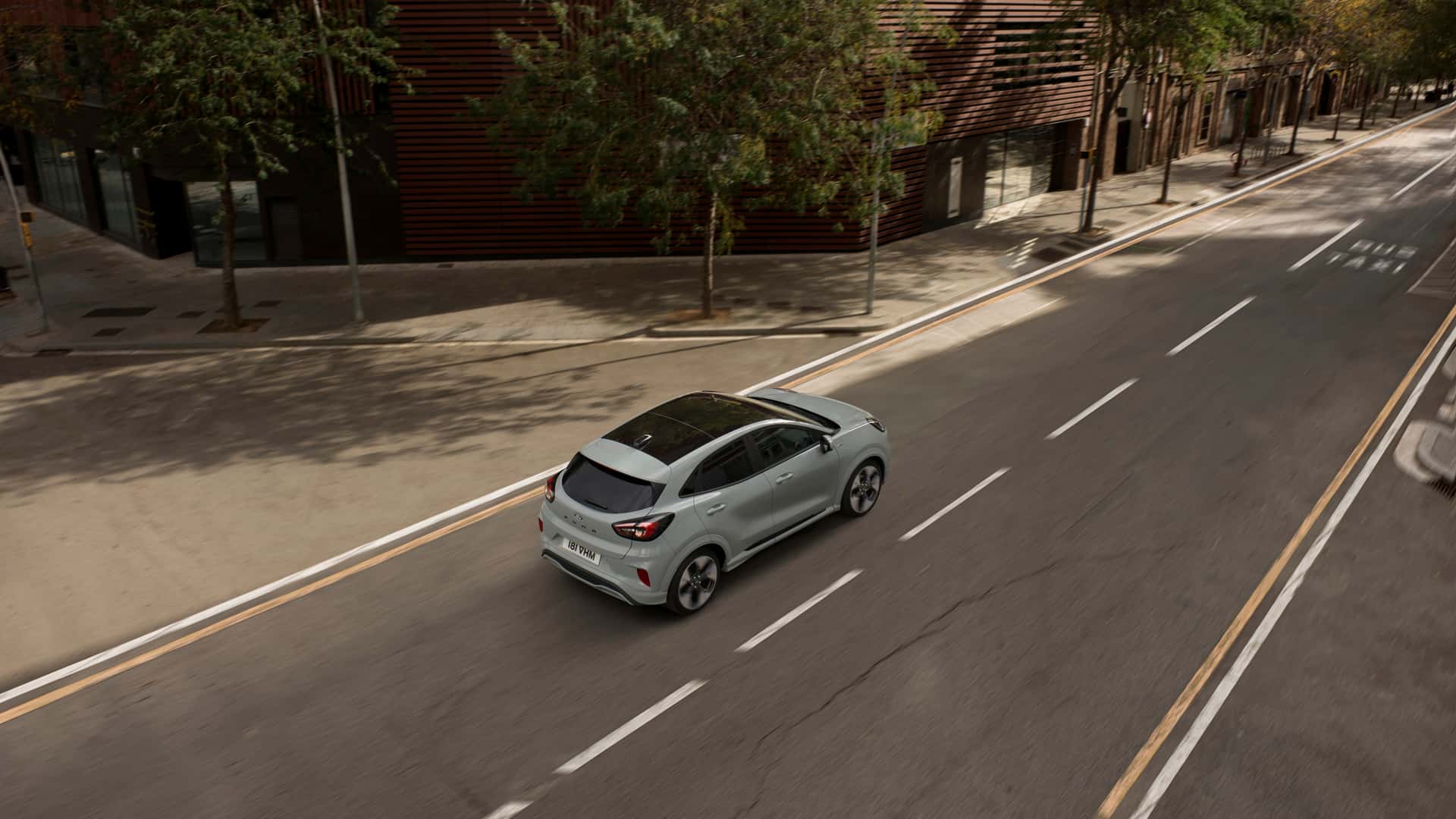
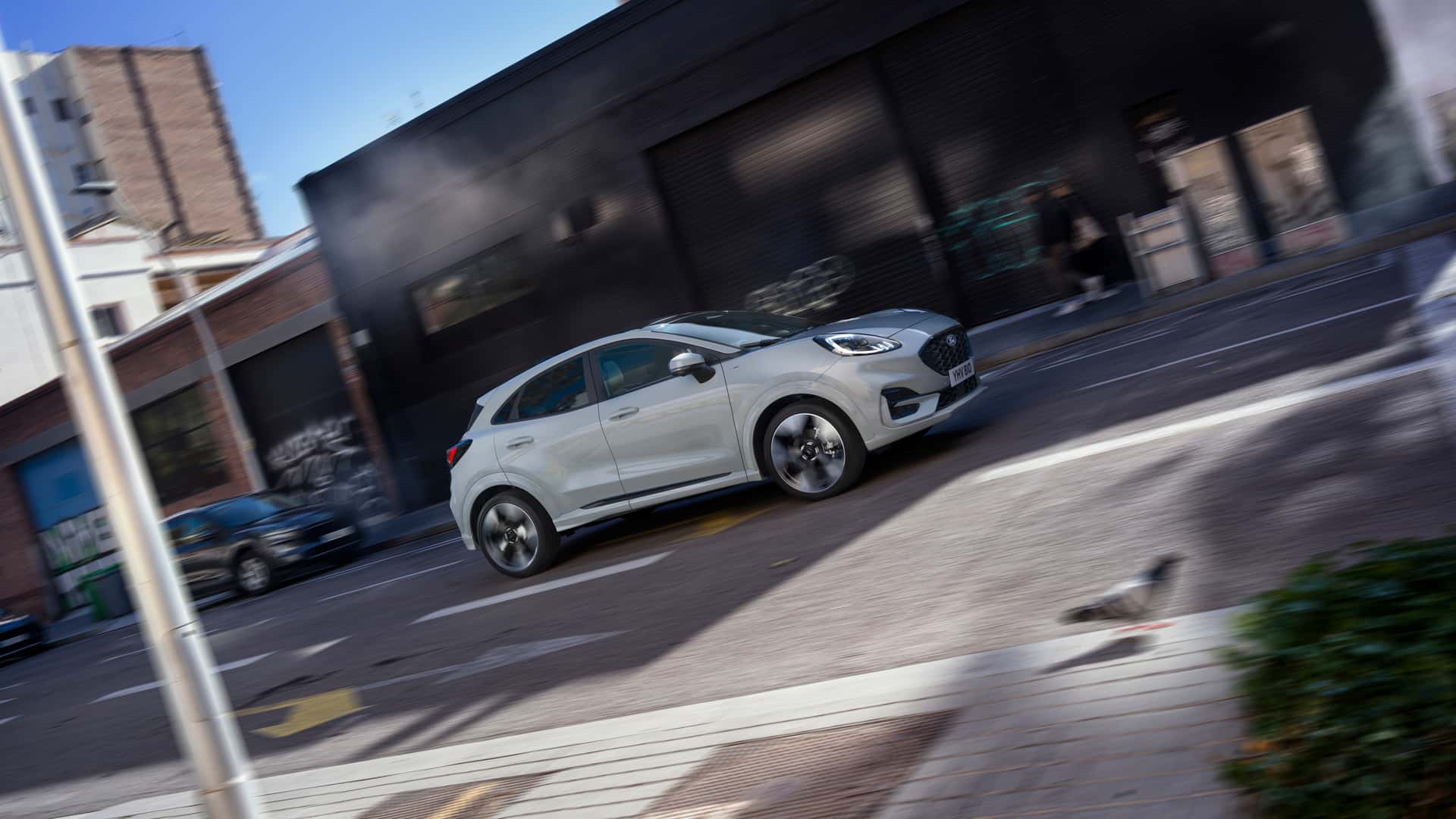
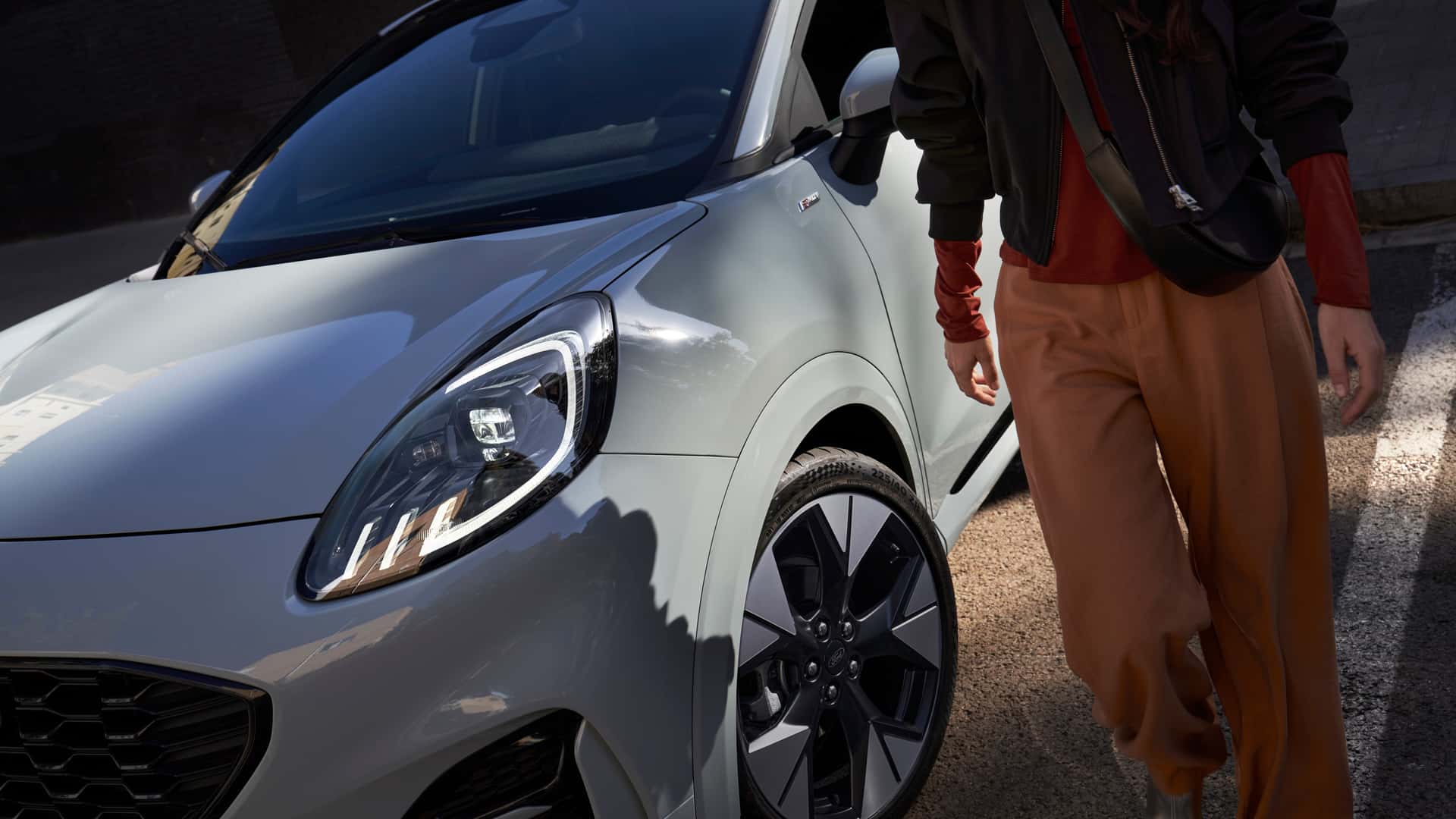
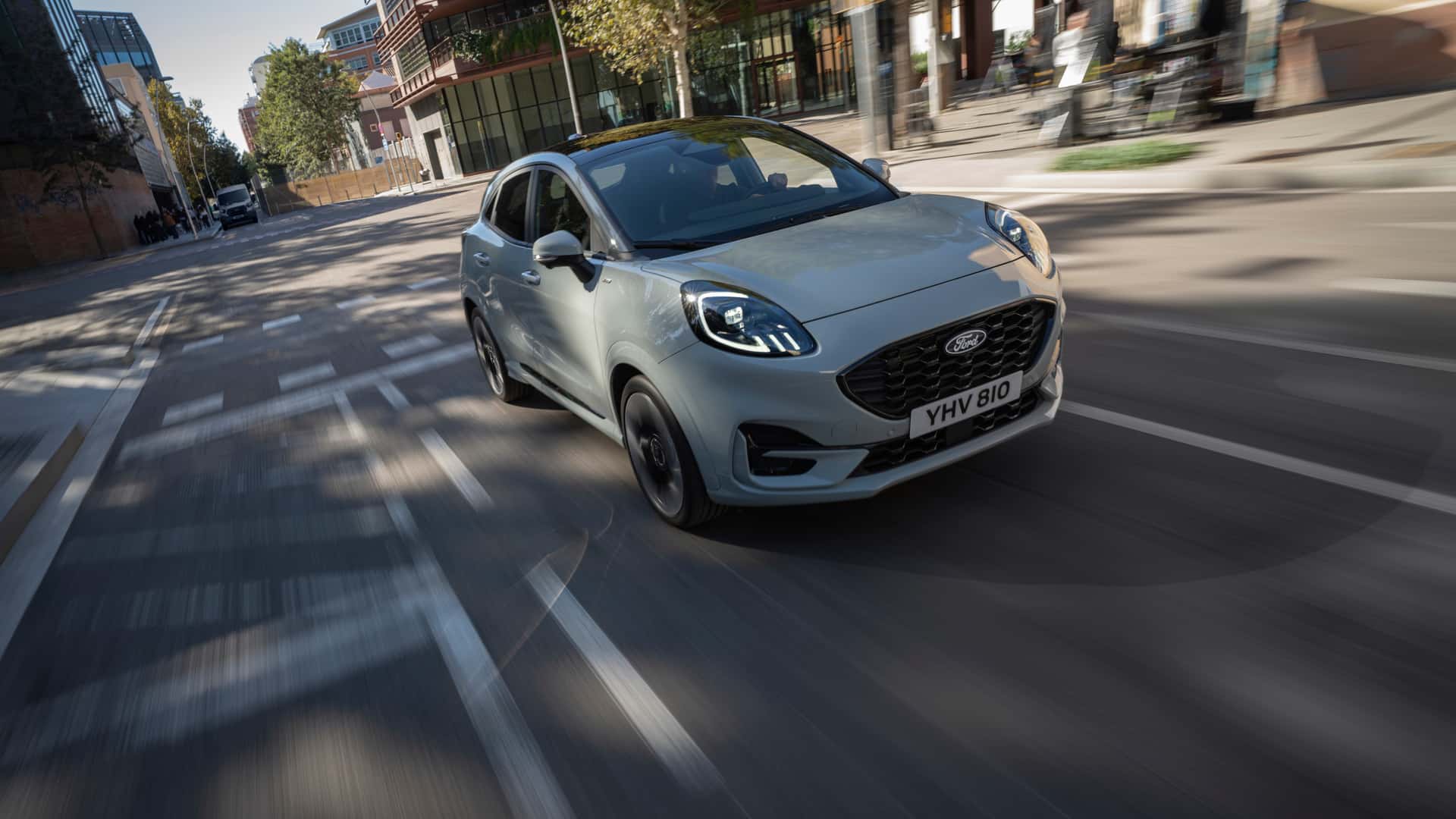
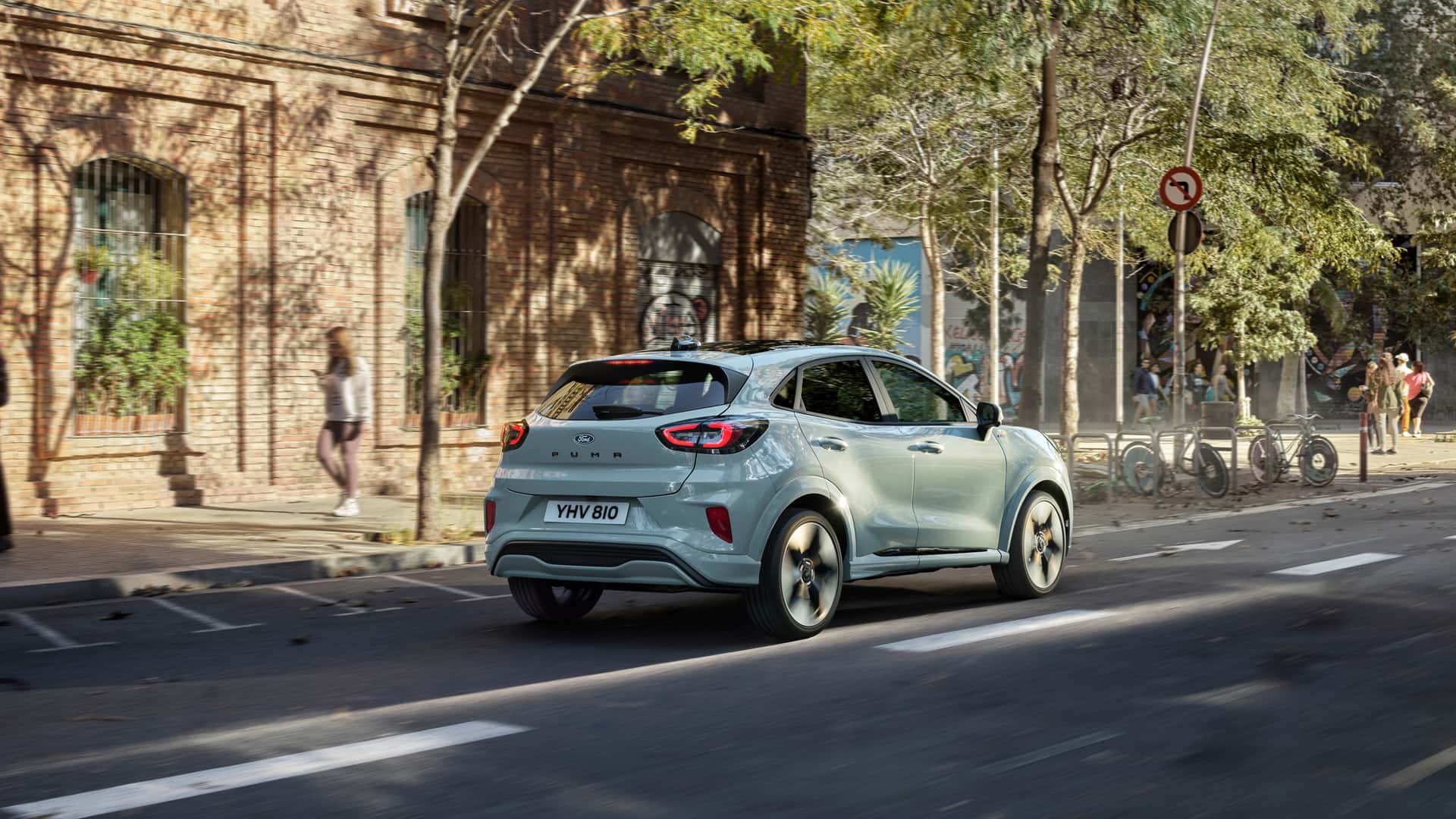
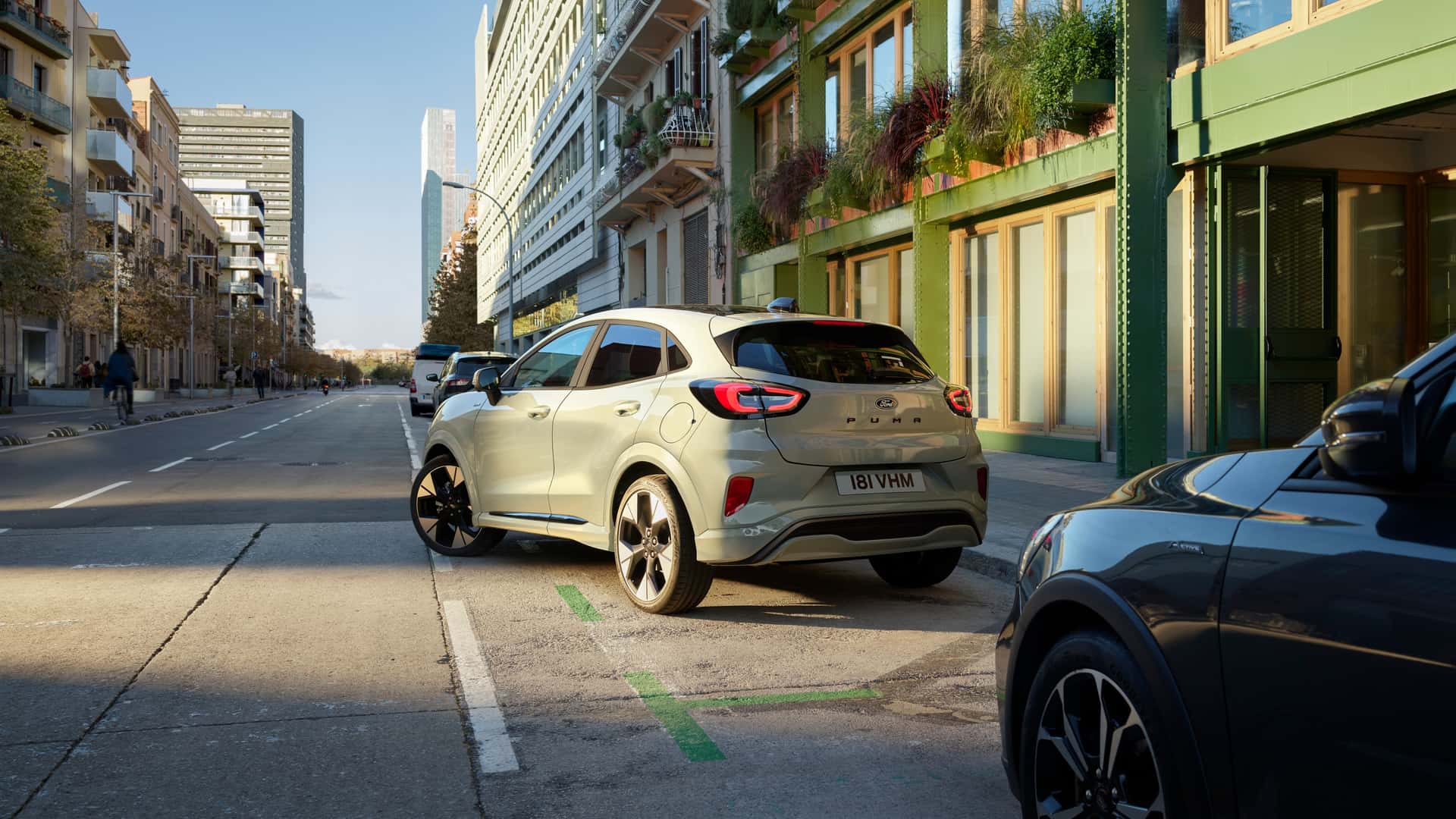
Today, the best electric cars display similar or even better values: the Mercedes EQS drops to 0.20 and the Tesla Model S stops at 0.208. But the real challenge lies in SUVs, which inherently have more vertical volumes. Among the most aerodynamic are the BMW iX (0.25), the Mercedes GLC Coupe (0.27), the Hyundai Ioniq 5 (0.29), and the new Puma, which shows significant progress compared to the previous generation despite its compact size.

The Mercedes EQS boasts one of the lowest Cx values among production cars.
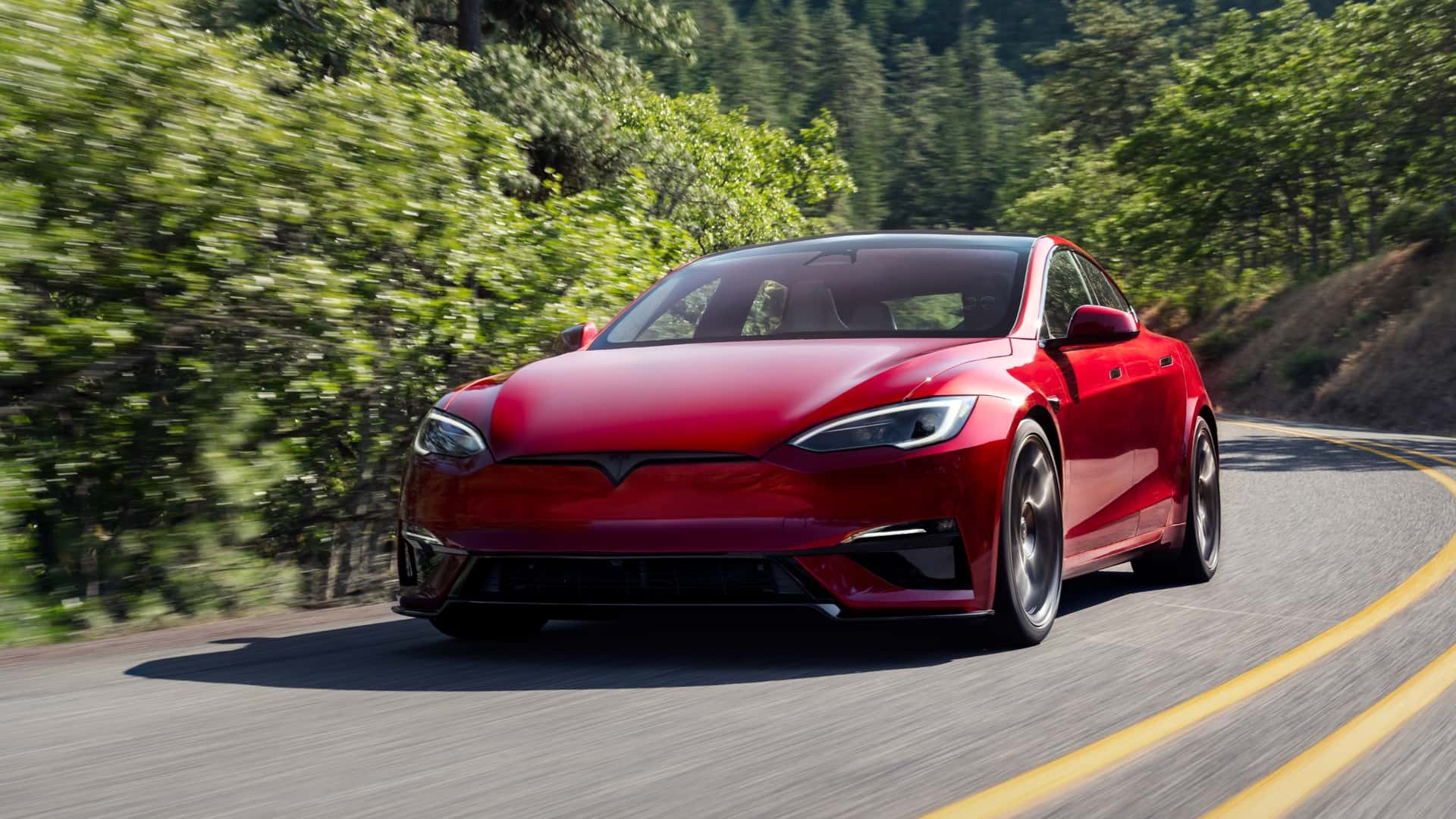
Tesla Model S: with its long and tapered body, closed front, and low roof, it is one of the most aerodynamic electric vehicles on the market.
Design and Efficiency: A Winning Duo
To design an aerodynamic SUV, close collaboration between designers and engineers is essential. Effective solutions include sloped front ends, continuous surfaces without marked edges, thinner rear pillars, and a clean, rounded tail. Additionally, air ducts, deflectors, active spoilers, and wheel arches must be carefully designed to improve airflow.
Design cannot just be pleasing to the eye; it must also function. Surfaces must guide the air while asserting a strong identity. This is where designers make a difference: an SUV can be tall, practical, and spacious while remaining efficient.

The Volkswagen ID.4 has always been a tall vehicle with a balanced line, designed to reduce turbulence and consumption.

The BMW iX shows that even a large SUV can achieve a surprising Cx with the right solutions.
The Future of SUVs: Towards a New Generation
The market continues to demand SUVs: tall, practical, and versatile. However, efficiency is no longer negotiable, and aerodynamics has now become an integral part of the vocabulary of modern cars. We are going to witness the emergence of less vertical, less massive, and sleeker models — a potential return of coupes and fastbacks that we have seen disappear over the last twenty years.
The cycles of automotive history are always fascinating: after the era of minivans and then SUVs, we may well enter the era of thinner, more efficient cars, designed to cut through the air rather than oppose it.










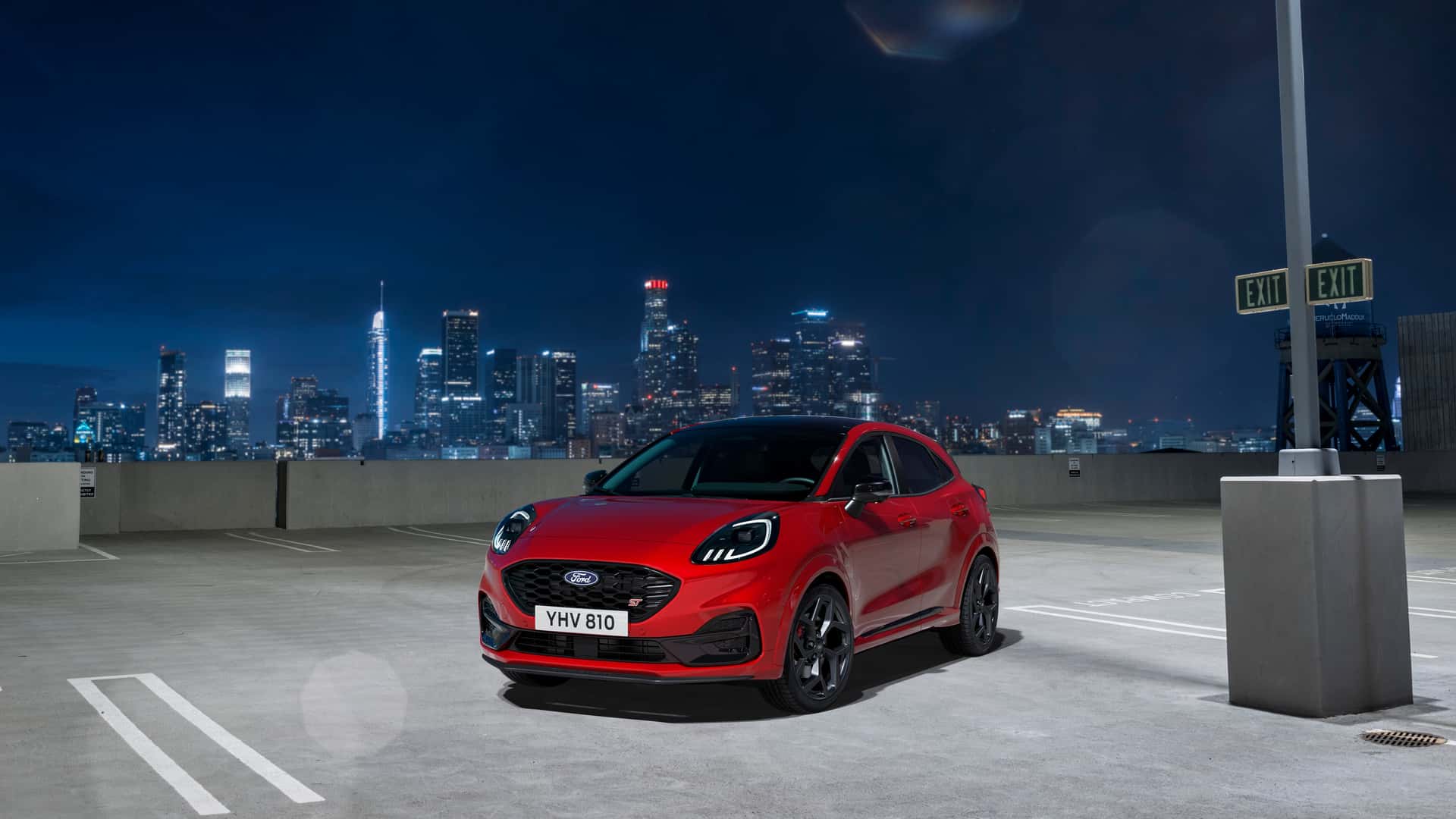

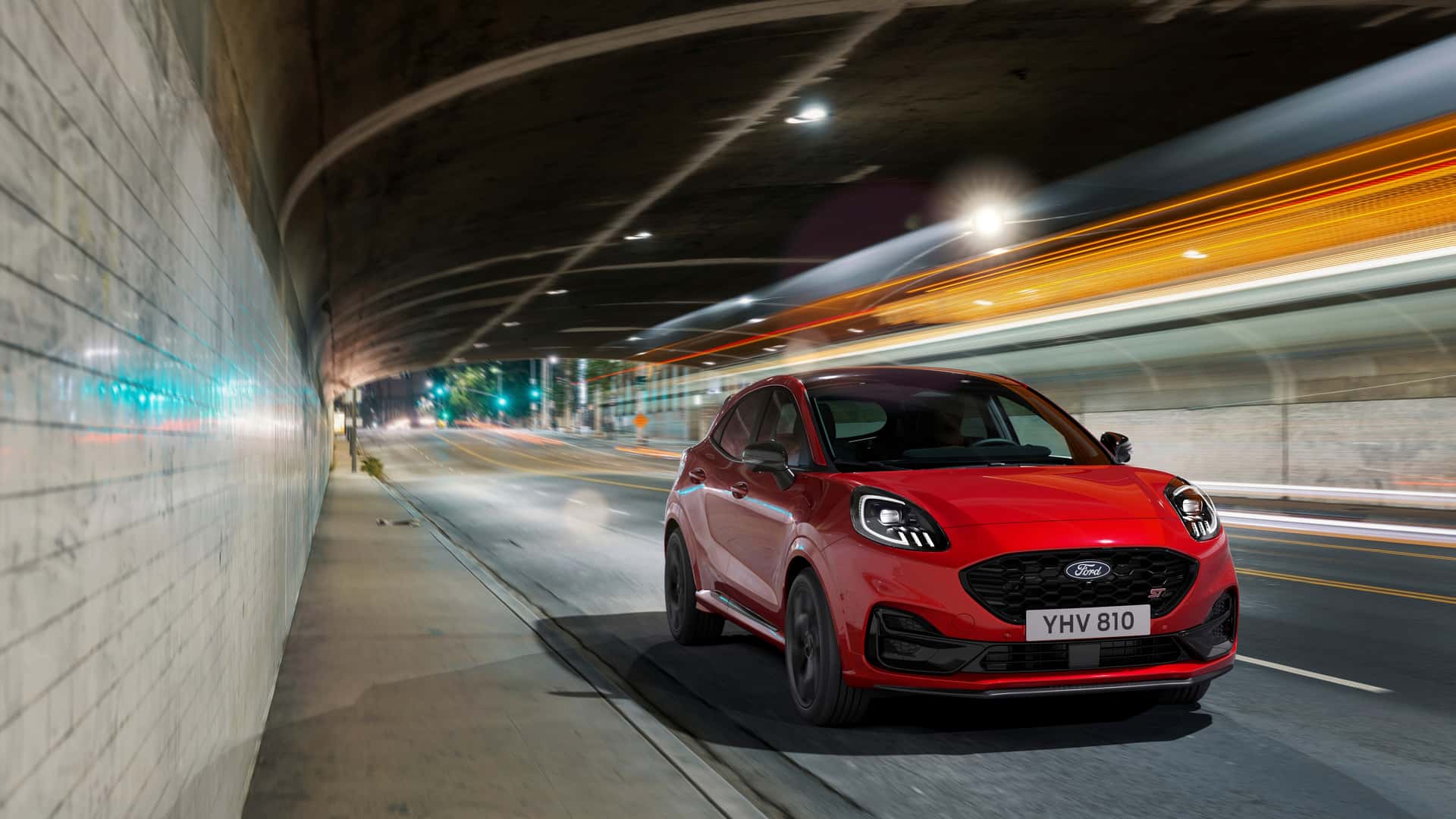
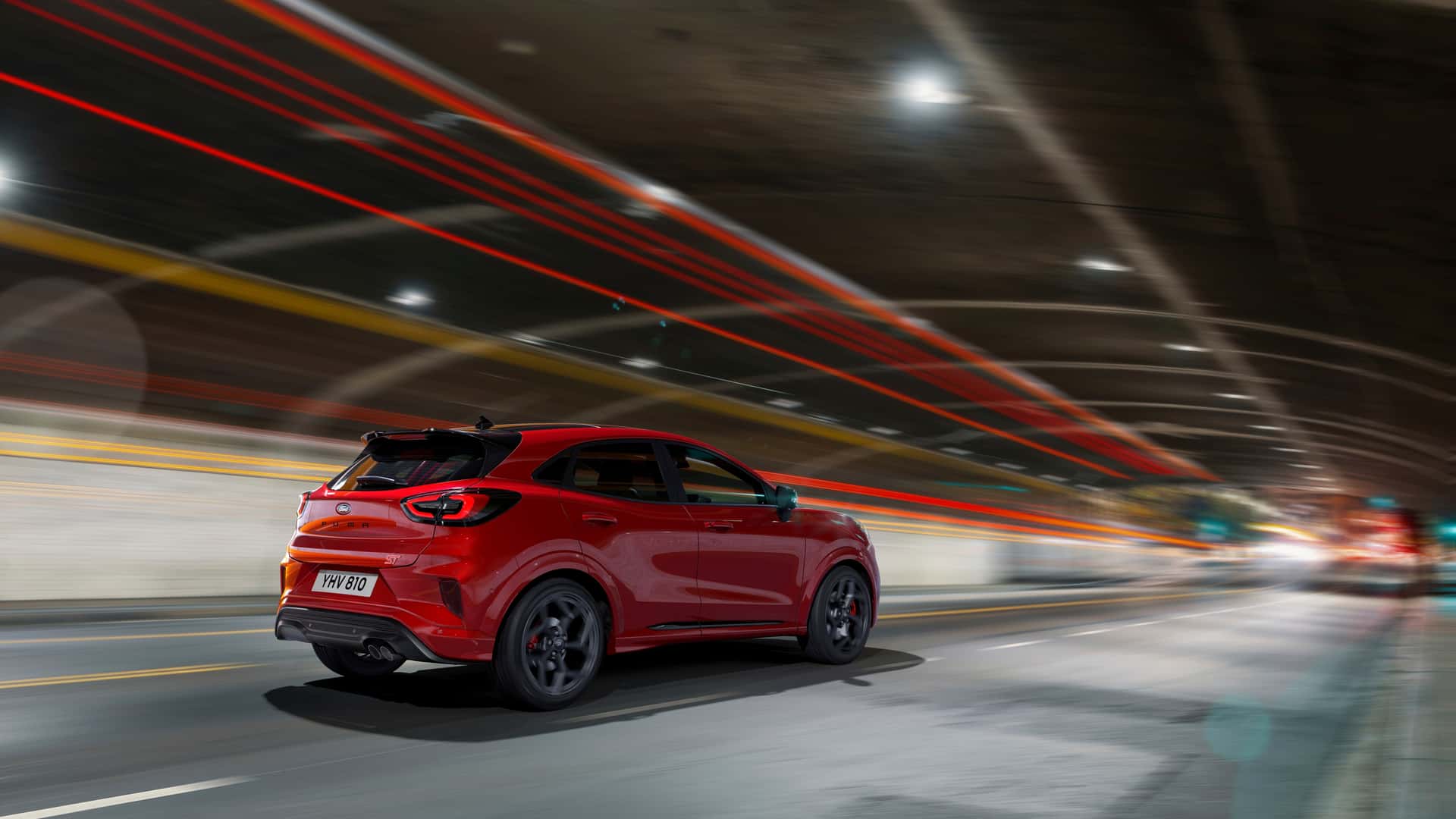
And deep down, that designer was right: shapes will change. This is exactly what is happening today, one SUV after another.
Follow all automotive news to discover how this revolution continues to transform our roads.


