The Austrian Ministry of the Interior’s decision to end its electric vehicle pilot programme for the police raises questions about the viability of electric cars in critical missions. This strategic shift highlights current technological limitations against the demands of a rigorous public service.
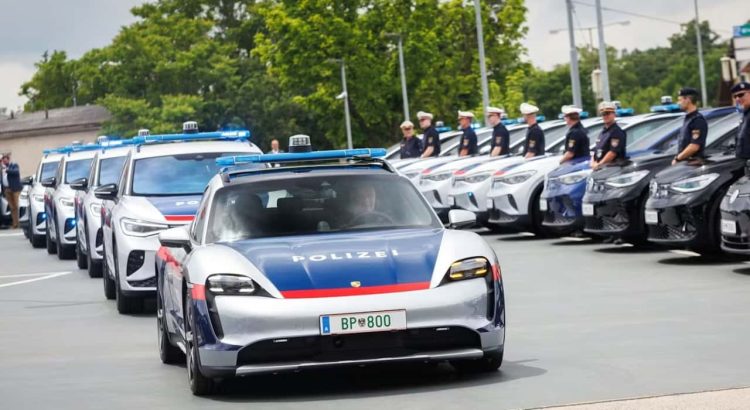
The Bundesministerium für Inneres recently announced the termination of its electric vehicle trial within the federal police, which began in 2024. The initiative aimed to assess the capability of fully electric models to meet the specific needs of law enforcement. A total of 24 vehicles, including the Volkswagen ID.3, ID.4, and a Porsche Taycan, were tested across various regions. The goal was to evaluate their range, operational availability, and suitability for patrol and intervention missions.
A Bitter Reality: Range Under Scrutiny
After two years of testing, the results are clear: the range of electric vehicles proved insufficient for unpredictable missions. Feedback from police units emphasises that emergency responses, long surveillance periods, and rapid movements drain the batteries. In short, the promise of agile and swift mobility collided with a less flattering reality: the energy capacity of these vehicles does not meet the operational demands of modern policing.
The Headache of Recharging
Another significant factor weighed heavily: recharge times. Unlike traditional vehicles, which can return to service after a quick charge, electric models require more downtime. This logistical limitation complicates patrol organisation, especially in areas with limited rapid charging infrastructure. With immediate availability being crucial for law enforcement, integrating these vehicles into daily operations becomes a challenge.
Increased Consumption: A Barrier to Adoption
The technical specifications of police vehicles, such as lighting systems, radios, and onboard computers, further exacerbate the situation. Their electrical consumption is higher than standard use, further reducing the real-world range compared to manufacturers’ claims. This gap between theory and practice led authorities to reassess the suitability of the tested vehicles for 24/7 intervention missions.
A Reassignment Rather Than a Dismissal
Rather than completely abandoning electric vehicles, the ministry opted for a pragmatic approach: these cars will now be assigned to administrative tasks or planned movements. This decision reflects a desire not to throw the baby out with the bathwater. However, it also underscores the need to maintain traditional vehicles for priority interventions, marking a setback in the transition to a greener fleet.
A Double-Edged Strategy
This strategic turn raises questions about the future of electric vehicles in public fleets. On one hand, it reflects the difficulty of integrating these technologies into sectors where responsiveness is critical. On the other hand, this experience could serve as a lesson for other security agencies in Europe, highlighting the need for a more rigorous evaluation of technologies before deployment. Nevertheless, this realisation could dampen the ambitions of manufacturers betting on the electrification of public fleets.
In Summary
- The Austrian police abandon the use of electric vehicles for critical missions.
- Insufficient range and recharge times are significant barriers.
- The technical specifications of police vehicles exacerbate their electrical consumption.
- Electric vehicles will be reassigned for administrative missions.
- This decision could influence other security agencies in Europe in their technological choices.
Useful Conclusion: This decision by the Austrian police could prove a setback for the image of electric vehicles in the public sector. For law enforcement, the priority remains responsiveness and operational efficiency. Alternatives to electric vehicles remain firmly rooted in traditional powertrains for now. In the medium term, this situation could drive manufacturers to develop solutions better suited to the specific needs of demanding professions while continuing to explore pathways towards electrification.