The future’s here, and it’s made in Bavaria
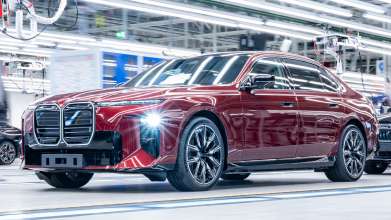
BMW‘s flagship 7 Series saloon has officially started rolling off the production line at the company’s sprawling Dingolfing plant. But this isn’t just another facelift for BMW‘s most luxurious offering. This updated 7 Series is a significant testbed, incorporating cutting-edge technologies destined for BMW’s upcoming ‘Neue Klasse’ electric models, effectively bringing a slice of the future to one of the brand’s most established vehicles. It’s a bold move, signalling BMW’s commitment to integrating its next-generation tech into current-generation luxury, and we’re here to see if it’s a triumph or a technological tumble.
Plant Director Christoph Schröder proudly proclaimed that Dingolfing embodies the “fusion of cutting-edge industrial production with meticulous craftsmanship.” High praise indeed, but can the 7 Series, now packed with tech originally conceived for cars that don’t even exist yet, live up to such lofty claims? It certainly aims to combine technological excellence with exclusivity and quality, a combination that, at this price point, is the very least we expect. The question is, does the reality match the rhetoric?
More than just a nip and tuck: a digital revolution
This isn’t merely a refresh; BMW is calling it the most comprehensive model update in its history. The new 7 Series is a rolling showcase of progressive luxury, now infused with the very DNA of the Neue Klasse. Expect a fresh design language, a completely new software and electronics architecture – think of it as a digital brain transplant – and the dazzling new BMW Panoramic iDrive display. For those who prefer being chauffeured, the rear seats are now treated to the BMW Passenger Screen and an updated BMW Theatre Screen, promising an in-car experience that rivals a private cinema. It’s all wrapped up in something BMW calls ‘Symbiotic Drive,’ which sounds vaguely sci-fi and promises a seamless interaction between driver and those ever-more-intelligent assistance systems.
Electric elegance: range anxiety, meet your match (almost)
Under the bonnet – or rather, beneath the floor – the 7 Series is also flexing some serious new muscle, particularly in its electric guise. The fully electric i7 60 xDrive Sedan now boasts an impressive WLTP range of up to 727 kilometres. That’s a significant leap, pushing the boundaries of what we’ve come to expect from electric luxury saloons. Charging performance has also been given a shot in the arm, with the ability to replenish the battery from 10 to 80 percent in a mere 28 minutes. This is crucial for making the electric 7 Series a genuinely viable proposition for long-distance travel, not just a city-slicking statement piece. It suggests that BMW’s new sixth-generation round cells are more than just an incremental upgrade; they’re a genuine step change in EV battery tech.
A kaleidoscope of customisation: your 7 Series, your rules
Where the 7 Series has always excelled, and where this update doubles down, is in the sheer breadth of customisation. BMW claims customers have more freedom than ever before, and the numbers back it up. Fancy a truly unique hue? You’re looking at over 500 exterior paint colours and combinations. Inside, the options become even more dizzying, with around 700 different combinations of equipment and materials available. This isn’t just about picking a colour; it’s about crafting a personal statement. For those who view their car as an extension of their personality, this level of bespoke tailoring is precisely what sets a flagship apart from the everyday.
Craftsmanship meets automation: the Dingolfing dance
Producing a car with this level of complexity and customisation requires a manufacturing process that’s as sophisticated as the vehicle itself. Dingolfing isn’t just churning out cars; it’s orchestrating a symphony of high-tech automation and old-school craftsmanship. A prime example is the dual-finish paint application – a world first. This intricate process, combining matte and gloss finishes on a single body, took two and a half years to develop and requires over 2,000 minutes of manual labour per vehicle. It’s a testament to BMW’s dedication to pushing the boundaries of what’s possible in automotive finishing, ensuring that each 7 Series leaves the factory looking utterly unique.
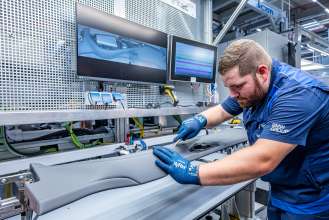
The same philosophy extends to the interior. In the Individual Manufaktur workshop, skilled artisans work alongside AI-driven tools. Artificial intelligence assists in inspecting leather and optimising cutting, while a 3D sewing robot collaborates with craftspeople on intricate stitching. It’s a fascinating blend of digital precision and human artistry, ensuring that the cabin of your 7 Series feels as bespoke and meticulously put together as a Savile Row suit.
Flexibility is key: the all-in-one assembly line
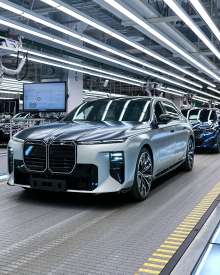
Remarkably, this technological marvel shares its assembly line with the more pedestrian BMW 5 Series and the all-electric iX. This isn’t just about efficiency; it’s a demonstration of BMW’s commitment to flexible manufacturing. All powertrain variants – petrol, diesel, plug-in hybrid, and fully electric – are built side-by-side in a fluid mix. This adaptability means that production processes have been meticulously tweaked to accommodate the new technologies, from cockpit pre-assembly to the integration of the new iDrive system and the complex communication required by the updated electrical architecture. It’s a production line that’s as future-proof as the car it builds.
Investment in the heartland: Bavarian backbone
BMW has poured a significant, seven-figure sum into this update for both the Dingolfing plant and the nearby Landshut component factory. This investment isn’t just about the 7 Series itself; it’s about securing jobs and maintaining value creation in the Lower Bavaria region. Dingolfing isn’t just assembling cars; it’s manufacturing key components like axles and electric motors, while Landshut supplies critical parts such as cockpit elements and bumpers. It’s a symbiotic relationship that underscores the importance of these plants to BMW’s broader strategy and the local economy.
Quality control: the final, human touch
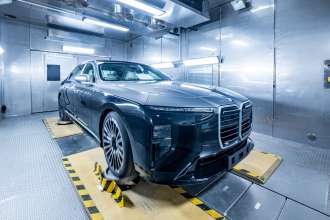
Even with all the sophisticated testing and AI-driven quality checks, BMW insists on a final, human inspection. Every single 7 Series undergoes an additional road test, where experts meticulously inspect and test all aspects of the vehicle under real-world conditions. This dedication to a final, human sign-off ensures that the highest quality standards are met before the car reaches its discerning owner. It’s a reassuring final layer of scrutiny in a process that’s already packed with technological oversight.
Powered by the planet: green production
In a move that will please the eco-conscious executive, BMW is increasingly relying on renewable energy for its Dingolfing operations. All purchased electricity is sourced from green suppliers, with a portion generated on-site. A substantial photovoltaic system on the plant roof now contributes nearly 11 MWp, and a new biomass heating plant provides a significant chunk of the site’s process heat requirements. This commitment to sustainability in manufacturing adds another layer of appeal to a car that’s already pushing technological boundaries.
- Model: New BMW 7 Series Sedan
- Production Location: BMW Group Plant Dingolfing, Germany
- Key Tech Integration: Neue Klasse technologies, new software architecture, Panoramic iDrive, BMW Theatre Screen
- Electric Range (i7 60 xDrive): Up to 727 km (WLTP)
- Charging (i7): 10-80% in approx. 28 minutes
- Customisation Options: >500 exterior paint colours, ~700 interior combinations
- Manufacturing Highlight: Dual-finish paint application (industry first)
- Powertrains: Petrol, diesel, plug-in hybrid, fully electric