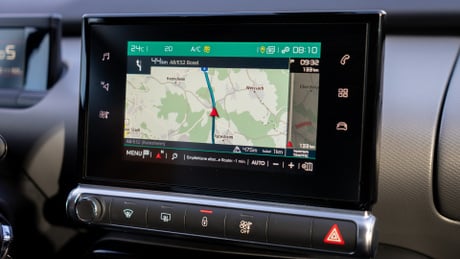
Modern cars, often dubbed “software-defined vehicles,” are technological marvels, promising over-the-air updates and continuous feature development. However, behind this alluring facade lies a colossal challenge: the ability to keep these operating systems secure for 10 to 15 years. For giants like BMW, Tesla, Mercedes, and Volkswagen, the real test begins once the sale is finalized.

The Car Becomes a Computer Over Time
The digital revolution has transformed our vehicles into true computers on wheels. Software-defined vehicles (SDVs) are no longer mere mechanical machines; they have evolved into central computing platforms capable of receiving over-the-air updates. This innovation, akin to that of smartphones, offers a multitude of enhancements, from optimised navigation to advanced driver assistance systems.

However, the longevity of these technologies poses a problem. Unlike smartphones, which are typically replaced every three to four years, a car can be used for over a decade. This means manufacturers must ensure that their software, servers, and security systems will function properly throughout this period. In reality, this challenge is not just technical but also economic and logistical.
Costly Maintenance
The financial challenge is crucial. According to Umair Siddiqui, an analyst at SBD Automotive, the investments required to develop these systems are enormous. Initial costs include hiring specialised engineers, creating data infrastructures, and implementing cybersecurity measures. The benefits, on the other hand, only materialise after several years. For large manufacturers, only large-scale production can offset these costs.

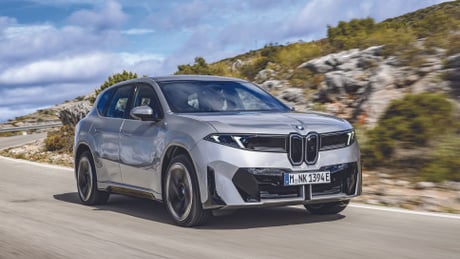
BMW exemplifies this paradox. Since 2018, the German brand has managed around 12 million vehicles capable of receiving over-the-air updates. On its new electric platform, “Neue Klasse,” which is expected to be equipped with about forty models by 2027, computing power has been optimised to support long-term software development. For instance, BMW has chosen not to replace older 3G or 4G modems as networks evolve but to allow cars to use the driver’s smartphone connection. This flexibility is a pragmatic response to the growing complexity of the issue.
Aging Connectivity, Maintaining Security
Mobile connectivity is evolving rapidly, and technologies like 3G are disappearing, while 4G will one day be replaced. For manufacturers, this means two options: replace the installed hardware in vehicles—which is costly—or gradually phase out certain services. Pedro Pacheco, an analyst at Gartner, points out that some manufacturers have stopped maintaining their older connected systems, leading to the discontinuation of updates and security patches.

A connected car without regular updates becomes vulnerable. Like a computer without antivirus software, it is exposed to security flaws. International regulations require manufacturers to implement a cybersecurity management system and conduct continuous audits. Each patch must be tested, validated, and then distributed to millions of vehicles, which represents a colossal task.
Tesla, a pioneer in this field, has integrated advanced security mechanisms, such as data encryption and digital signatures for software. Managing a global fleet, which includes models launched since 2018, already poses a significant technical challenge. Mercedes, on the other hand, regularly updates around two million vehicles equipped with its MBUX multimedia system. While these improvements support the vehicle’s resale value, the brand admits that older models are gradually reaching their hardware limits.
Connected Cars: A Deep Industrial Revolution
This challenge goes beyond technology. It also concerns the internal organisation of automotive manufacturers. At Volkswagen, software development has been entrusted to a special unit called Cariad. The goal is to create a common platform for all brands in the group. However, cultural differences between Audi, Porsche, and Volkswagen, as well as reliance on large external suppliers, have slowed this initiative. Delays in certain generations of electric vehicles highlight this complexity.

Historically, manufacturers sourced electronic components from specialised suppliers. Today, they must closely collaborate on software, updates, and cybersecurity. This radically changes industrial relationships and requires a shift in mindset within companies.
New Business Models: An Uncertain Future
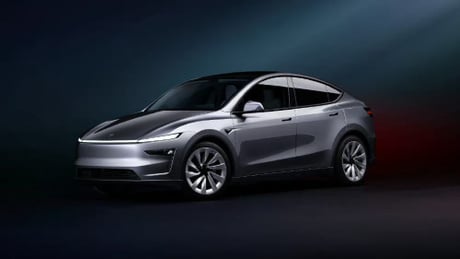
To offset the costs of long-term maintenance, some manufacturers are considering introducing paid subscription solutions to access certain features. Tesla already charges for software options, such as advanced driver assistance or connected services like video streaming. BMW and Audi also offer certain features that can be activated post-purchase to spread revenue over the vehicle’s entire lifecycle.
However, to ensure this model works, it is essential to have a sufficiently large base of compatible vehicles. The more homogeneous the software platform and the larger the production, the more feasible it becomes to offset maintenance and hosting costs. This raises a key question: will manufacturers be able to maintain these computers on wheels for fifteen years without exceeding their budgets?
Summary
- Connected cars require complex long-term software maintenance.
- Initial costs for manufacturers are high, with uncertain returns on investment.
- Aging mobile connectivity poses challenges for maintaining services.
- Subscription-based business models are beginning to emerge to offset costs.
- Industrial relationships are evolving with greater collaboration between manufacturers and suppliers.
Official Sources: