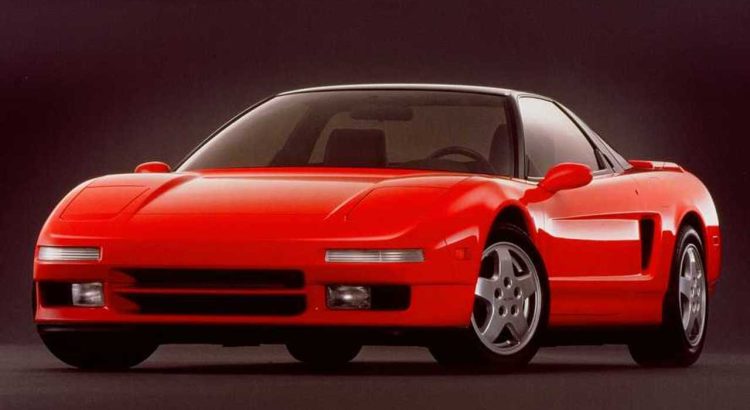
Honda has decided to produce original parts for its first-generation NSX, a move that celebrates the brand’s heritage while strategically responding to the growing demand from enthusiasts. However, beneath this nostalgia lies a more complex manoeuvre, revealing the challenges of a rapidly evolving market.
The future of the new Honda NSX remains uncertain, but the absence of a successor for this legendary model has not deterred enthusiasts, who are turning to its predecessor, the original NSX. This model, a symbol of performance and technology, placed Honda alongside brands like Ferrari and Porsche. Yet, despite its iconic status, the first NSX has lacked access to a range of original replacement parts since production ended in 2005. To address this, Honda has decided to open a new line of original parts for 2026, but exclusively for the US market. This decision raises questions about the manufacturer’s true motivations.
Nostalgia or Strategy?
Honda’s initiative could be seen as a tribute to the 40th anniversary of Acura, under which the NSX was marketed in the US. Although the NSX was not the first Acura, it remains the brand’s emblem. By offering original parts, Honda is responding to a demand from collectors and enthusiasts, but it also raises questions about its long-term strategy. This return to roots could be a way to reinforce Honda’s image in a landscape where electrification and new technologies overshadow traditional combustion models.
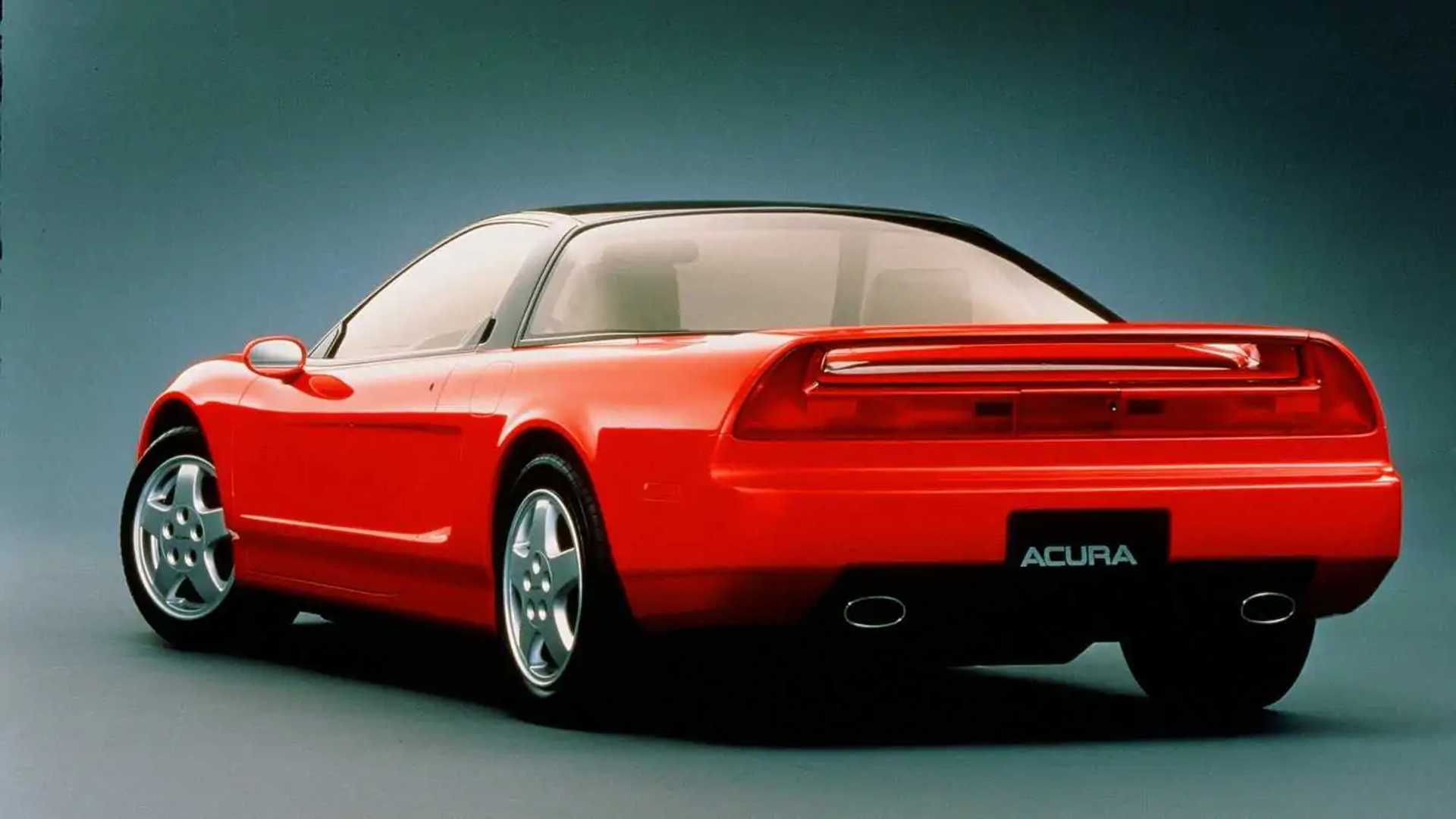
Honda NSX
A Structured Offering: Genuine Honda Reproduction Parts and Honda-Compatible Parts
The original parts programme is divided into two distinct categories: Genuine Honda Reproduction Parts, which will be manufactured using original methods, and Honda-Compatible Parts, produced by external suppliers using modern techniques. This dual approach allows Honda to cater to different market segments, from purists to users seeking more economical solutions. It remains to be seen which components will be offered. Specialist forums are already discussing items such as seals, interior trims, and even electric window controls, but an official list has yet to be published.

Honda NSX
A Changing Market: Between Passion and Profitability
This initiative comes at a time when the market for classic cars and iconic models is booming. Enthusiasts are willing to invest in the restoration and maintenance of these vehicles that have made history in motorsport. By offering original parts, Honda is not only catering to nostalgia; it is positioning itself as a key player in this lucrative segment. As brands seek to diversify their revenue streams, this approach could prove profitable in the medium term.
Competitive Bets to Follow
In a market where manufacturers compete to attract new generations of buyers, Honda’s strategy could have repercussions for its competitors. Brands like Porsche and Ferrari have already implemented similar programmes for their classic models, thereby enhancing their brand image and customer loyalty. By launching this initiative, Honda could disrupt the status quo and encourage other manufacturers to follow suit. It also raises questions about the future of the modern NSX, which now faces inevitable comparisons with its illustrious predecessor.
A Step Towards Electrification?
Interestingly, this decision comes at a time when Honda is firmly committing to electrification. The brand has announced its intention to offer a fully electric range in the coming years. By revisiting its past with the NSX, Honda appears to be navigating between tradition and innovation. This return to roots could be seen as an attempt to capitalise on its heritage while paving the way for the future. The real question is how this balance between old and new will influence its image and positioning in the global market.
In Summary
- Honda revives the production of original parts for the first NSX, but only for the US market.
- This initiative celebrates Acura’s heritage and responds to the growing demand from enthusiasts.
- Two categories of parts will be available: Genuine Honda Reproduction Parts and Honda-Compatible Parts.
- The approach adapts to a changing market where nostalgia can align with profitability.
- Honda could influence competitors to strengthen their classic model offerings.
- This decision raises questions about the future of the modern NSX and the commitment to electrification.
Useful Conclusion: This initiative could attract enthusiasts and strengthen Honda’s image in the classic car sector. However, it also raises questions about the future of the modern model and how Honda will manage this duality between heritage and innovation. For fans of historic sports cars, this is excellent news, while market observers will need to closely monitor competitors’ reactions and the impact on future sales.