


Toyota has given the Yaris Cross a light interior refresh for the 2026 model year, but this is no wholesale rethink. The Japanese brand has focused on presentation, trim and perceived quality instead — a sensible move in a small SUV where day-to-day usability often matters more than the spec sheet.
That is really the point here: in the wider car news cycle, not every facelift is about reinventing the wheel. With the Yaris Cross, Toyota has chosen to improve the bits you see and touch rather than disturb an already familiar base. It is less dramatic than a full design flourish, certainly, but that is often where a car wins or loses favour in everyday use.
Toyota keeps the basic layout, which suggests the original set-up did not need fixing
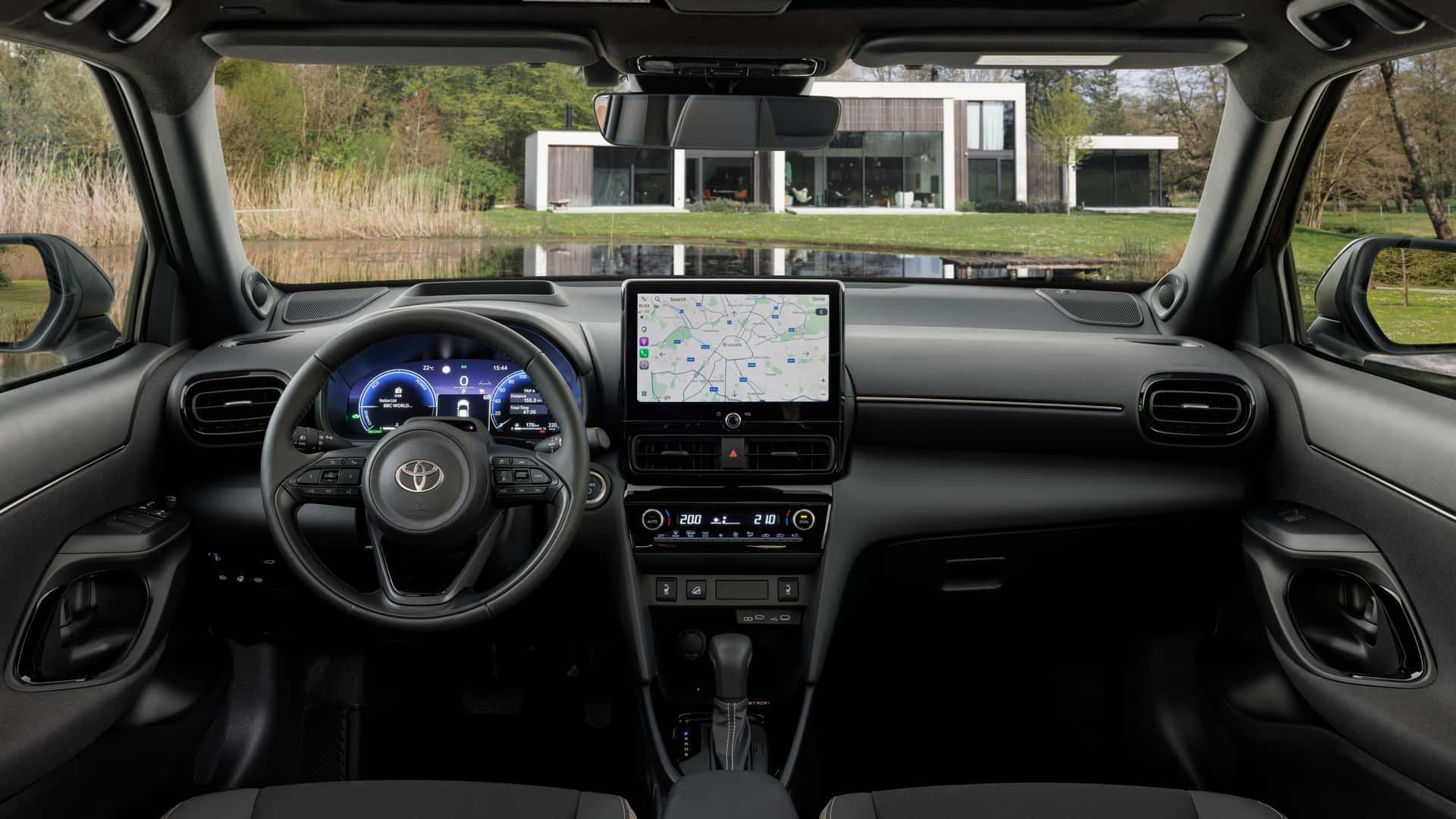
In practice, the dashboard changes very little. Its design remains close to the outgoing model, with a layout that puts ease of use ahead of showroom theatre. This is not a completely reworked cabin, and that tells you plenty about the facelift itself: Toyota is not addressing a fundamental weakness here, merely sharpening up an interior it clearly considered sound enough in the first place.
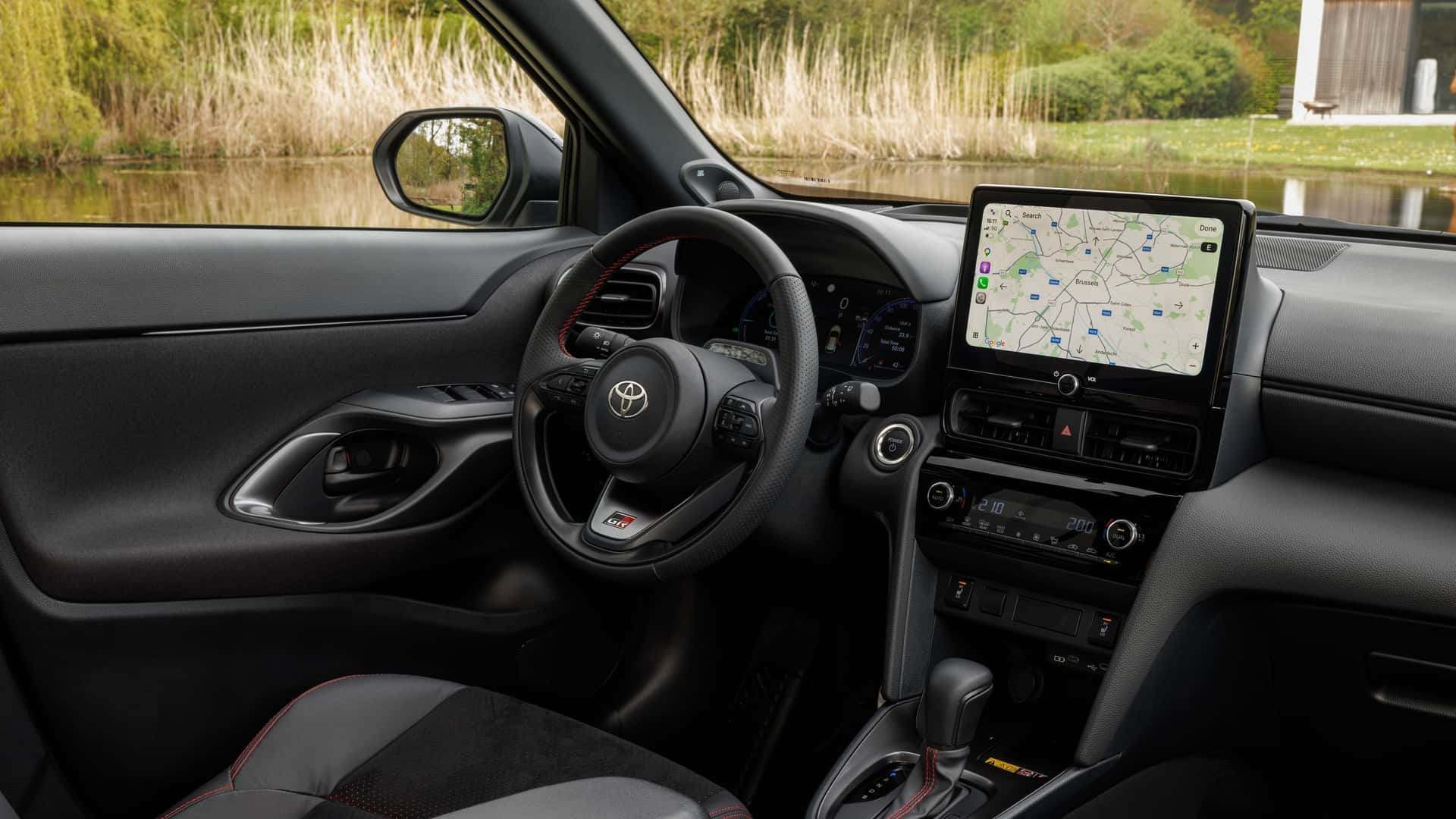
The twin-screen arrangement stays put, with a digital instrument display of more than 12 inches and a central touchscreen of more than 10 inches mounted high up. The thinking is straightforward: keep key information within the driver’s eyeline without turning the whole cabin into a rolling tablet. In that sense, Toyota remains pleasingly pragmatic, which is becoming almost unusual as some rivals disappear ever deeper into touchscreen excess.
The system still supports Apple CarPlay and Android Auto, alongside USB ports and wireless smartphone charging. Crucially, the climate controls retain dedicated physical buttons. In real-world use, that is excellent news. At a time when many manufacturers bury simple functions in menus, Toyota has avoided one of the more irritating modern trends. A compact crossover ought to make life easier, not require a tutorial every time you head out.
This facelift is really about perceived quality, which is where a small SUV is judged every day
The most obvious changes concern materials and trim. Toyota is introducing new colour combinations and smarter-looking finishes, with an obvious aim: to give the cabin a bit more substance while staying within the expectations of the segment. It is not a dramatic transformation, but these are often the details that separate a merely acceptable interior from one that is genuinely pleasant to live with over time.
The approach makes sense. Buyers in this class are not necessarily asking for futuristic architecture or concept-car flourishes. More often, they want a cabin that feels well judged, properly equipped and less austere than before. Toyota appears to have read that correctly. Rather than trying to dazzle when parked up, this update seems designed to better justify the car’s position the moment you settle into the driver’s seat.
Even so, some useful detail is still missing. We do not yet know exactly which areas get softer finishes, what certain plastics are like in the flesh, or which trim levels benefit most from the changes. That matters. Saying perceived quality has improved is one thing; understanding how far that improvement goes across the range is another. On that front, this will need a proper hands-on assessment.
GR Sport seats add a bit of attitude, without turning the Yaris Cross into a hot hatch on stilts
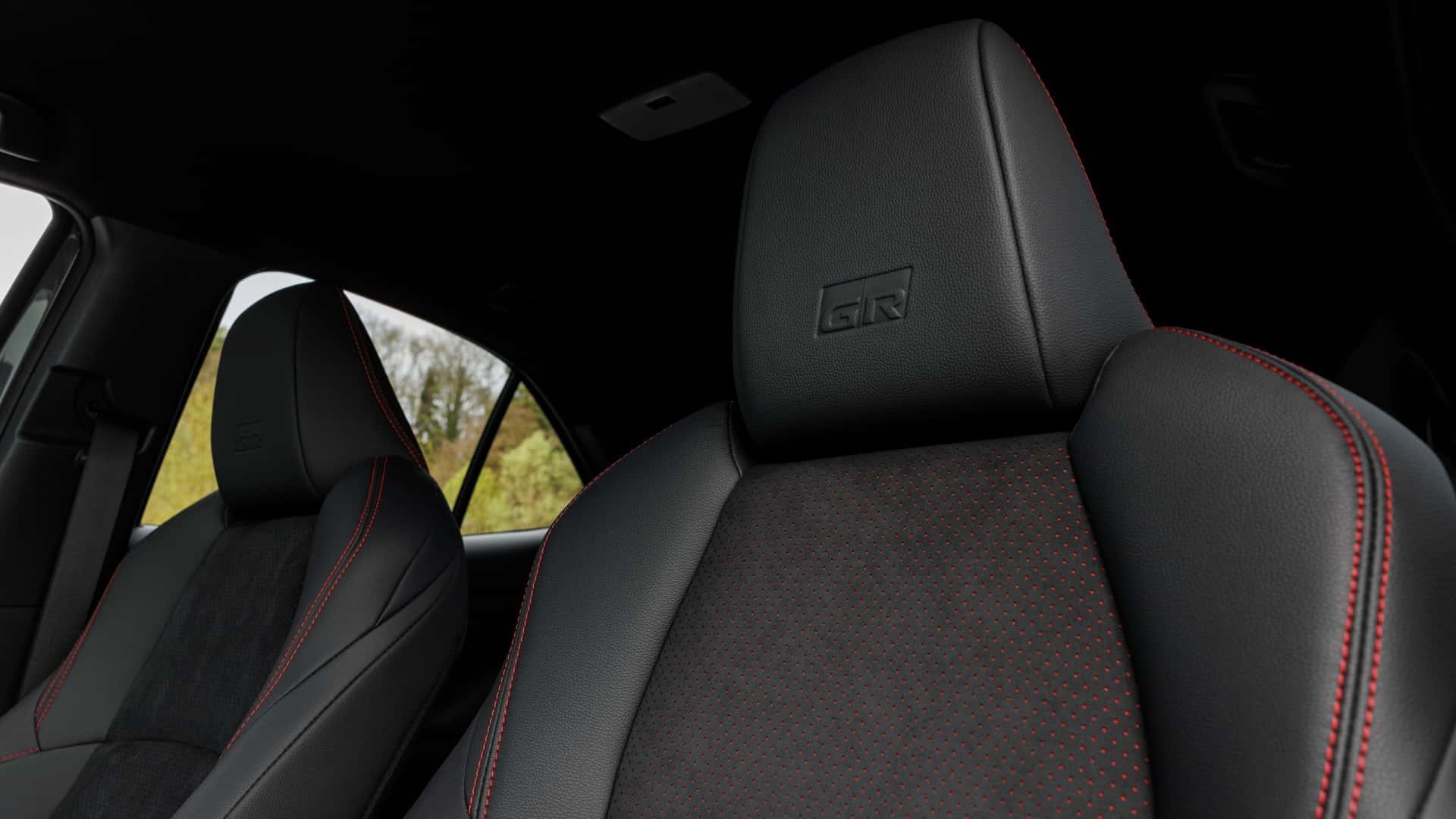
The seats are among the more heavily revised elements, particularly on GR Sport versions. Toyota has given them a more purposeful look, with contrasting stitching and specific treatment around the shoulders and side bolsters. Visually, it does lift the tone of the cabin. The Yaris Cross moves away from the image of a purely sensible urban SUV and gains a slightly more focused, more upmarket feel.
Still, it is worth keeping expectations in check. More expressive upholstery does not alter the chassis, suspension or the car’s basic remit. The Yaris Cross is not suddenly some compact performance machine because the seats look sharper. What this GR Sport trim does offer is a bit more character for buyers who want something less plain without stepping up to a larger, pricier or thirstier model.

Toyota Yaris Cross (2026), the steering wheel in GR Sport trim
In truth, it is a familiar trick in this part of the market: add a dose of visual sportiness to lift the perceived appeal. It usually works, provided ride comfort and everyday friendliness are not compromised. At this stage, though, there is no detail on actual support, seat firmness or how these revisions affect comfort over longer journeys. So while the trim clearly moves on, the real-world verdict remains open.
Sakura Touch points to a more responsible move upmarket, but there are still questions to answer
Toyota is also introducing Sakura Touch, a material presented as a more sustainable option. Its stated composition combines plant-based PVC, recycled cork and recovered PET. On paper, that is an interesting direction, aiming to deliver a more premium appearance while reducing the footprint associated with traditional materials, particularly compared with leather.
This is not a trivial addition. Increasingly, in the motor industry as elsewhere, sustainability is no longer just about engines and electrification. It also comes down to what you see, what you touch and how convincingly a brand can justify its material choices. Toyota is trying to give this facelift a little more meaning without lapsing into easy green messaging. That feels well judged.
The obvious unanswered question is durability. Resistance to wear, ageing, ease of cleaning, and how the material feels in high summer or deep winter — none of that is covered here. Fair enough, because those answers only come with real use. The idea itself is promising, but any material earns its credibility over years, not on a launch sheet.
Space remains decent, though the rear bench still reflects the limits of the footprint
The Yaris Cross keeps one of its key strengths: compact dimensions, at under 4.2 metres long, without entirely giving up family-friendly versatility. Up front, space appears to be used sensibly, while in the rear two adults should travel in reasonable comfort. For a small SUV, that is essentially the brief fulfilled.
But Toyota cannot perform miracles with a car this size. The middle rear seat looks less inviting, and the lack of dedicated rear air vents is a reminder that this remains a B-segment model. On the road, that translates quite simply: for a couple with one or two children, the package looks coherent; for five adults on a longer run, the compromises will make themselves known fairly quickly.
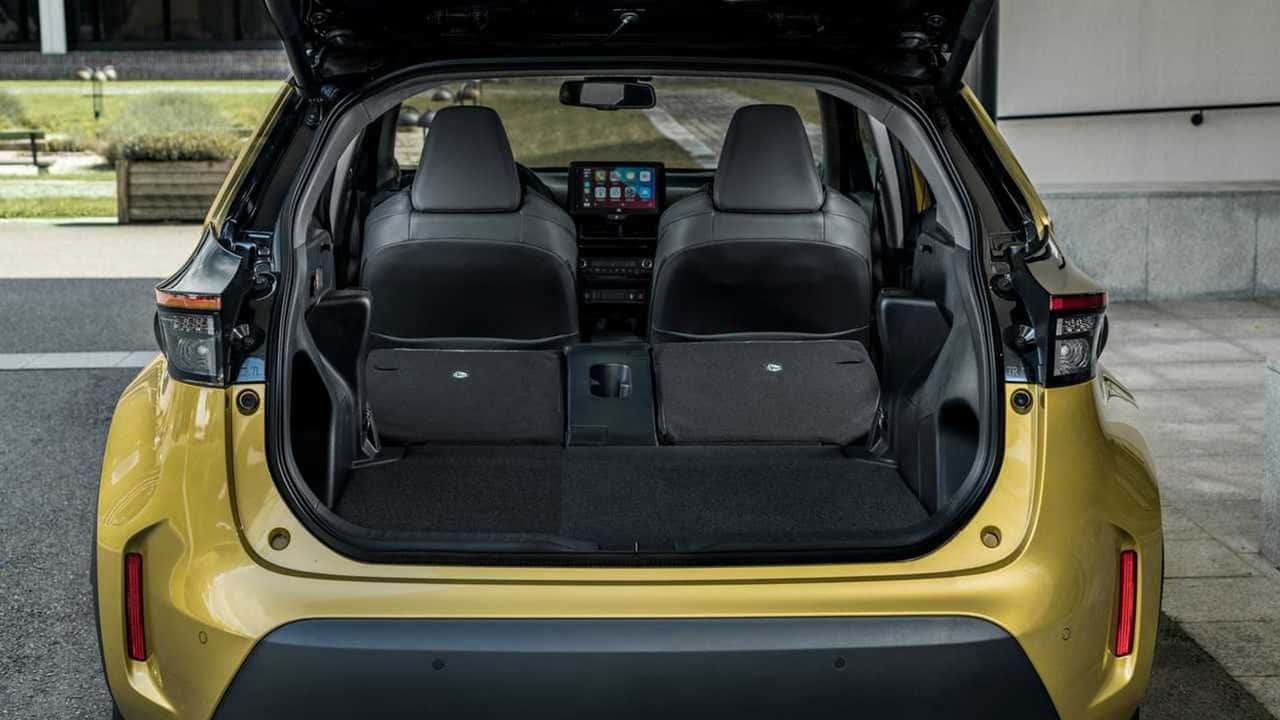
Toyota Yaris Cross (2026), the boot keeps the same shape and capacity as the outgoing model
The boot, meanwhile, sticks to the same philosophy. Minimum capacity is quoted at between around 320 and 390 litres depending on version. That remains perfectly respectable for the class and underlines the car’s all-round brief. In day-to-day use, it should be enough for shopping, routine family duties or a weekend away. Those after a genuinely roomy small load-lugger, however, will need to look elsewhere.



This facelift makes the Yaris Cross feel more polished, but it does not pretend to be a revolution
In the end, Toyota has not changed the nature of the Yaris Cross — and that is likely the point. This 2026 update focuses on what matters in everyday motoring: a cabin that feels a bit smarter, revised seats, up-to-date connectivity and controls that still make sense. All of it arrives without upsetting an interior that was already fundamentally functional. Put simply, Toyota has refined the recipe rather than rewriting it.
The result is fairly easy to read. If you already thought the Yaris Cross was a coherent package but a touch too plain inside, this update may go some way towards addressing that. If you were hoping for a completely reinvented cabin, bolder design or noticeably more space, you may find it falls short. This is a careful facelift, not a second coming.
For buyers after a compact SUV that is sensibly packaged, easy to live with and apparently better finished than before, the Yaris Cross still looks like a sound choice. Those who put rear-seat room, maximum boot space or a more expressive cabin ambience at the top of the list may find rivals more persuasive. Toyota’s credit here is that it has not tried to dress up a tidy mid-life update as anything more than that.
In summary
- Toyota has revised the 2026 Yaris Cross cabin without changing its overall layout.
- The facelift mainly targets perceived quality, with new trim details and updated upholstery.
- GR Sport versions gain a more dynamic look, without altering the model’s underlying role.
- Sakura Touch introduces a more sustainable material choice, though its long-term durability remains to be seen.
- Practicality stays competitive for the segment, with a boot still ranging from around 320 to 390 litres depending on version.
- In short, the Yaris Cross improves through useful detail changes rather than any deep transformation.


