


Hyundai is embarking on a new era with the promise of a solid-state battery developed by Chinese supplier Gangfeng, which could revolutionise the range of electric cars. This technological leap, boasting an energy density of 650 Wh/kg, could not only double the range of vehicles but also redefine safety and performance standards in the sector.
A Major Technological Advancement
The current dynamics of the automotive market are characterised by a race for innovation, particularly in the battery domain. Presently, the average energy density of a modern lithium-ion battery hovers between 200 and 250 Wh/kg. In comparison, Gangfeng’s project, aiming for a battery at 650 Wh/kg, represents a genuine quantum leap. This figure, which seems almost futuristic, is crucial as it could enable motorists to benefit from more compact battery packs while maintaining significantly improved range.
From Semi-Solid to Solid: A Promising Path
This advancement is the result of extensive research into solid-state batteries, which utilise a specific alloy of metallic lithium for the cathode and a ‘zero-strain’ anode. Thanks to this technology, the battery experiences minimal expansion during charging and discharging phases, thereby limiting the risk of failure. In simple terms, this means users could soon enjoy vehicles offering double the range without sacrificing battery volume or weight.
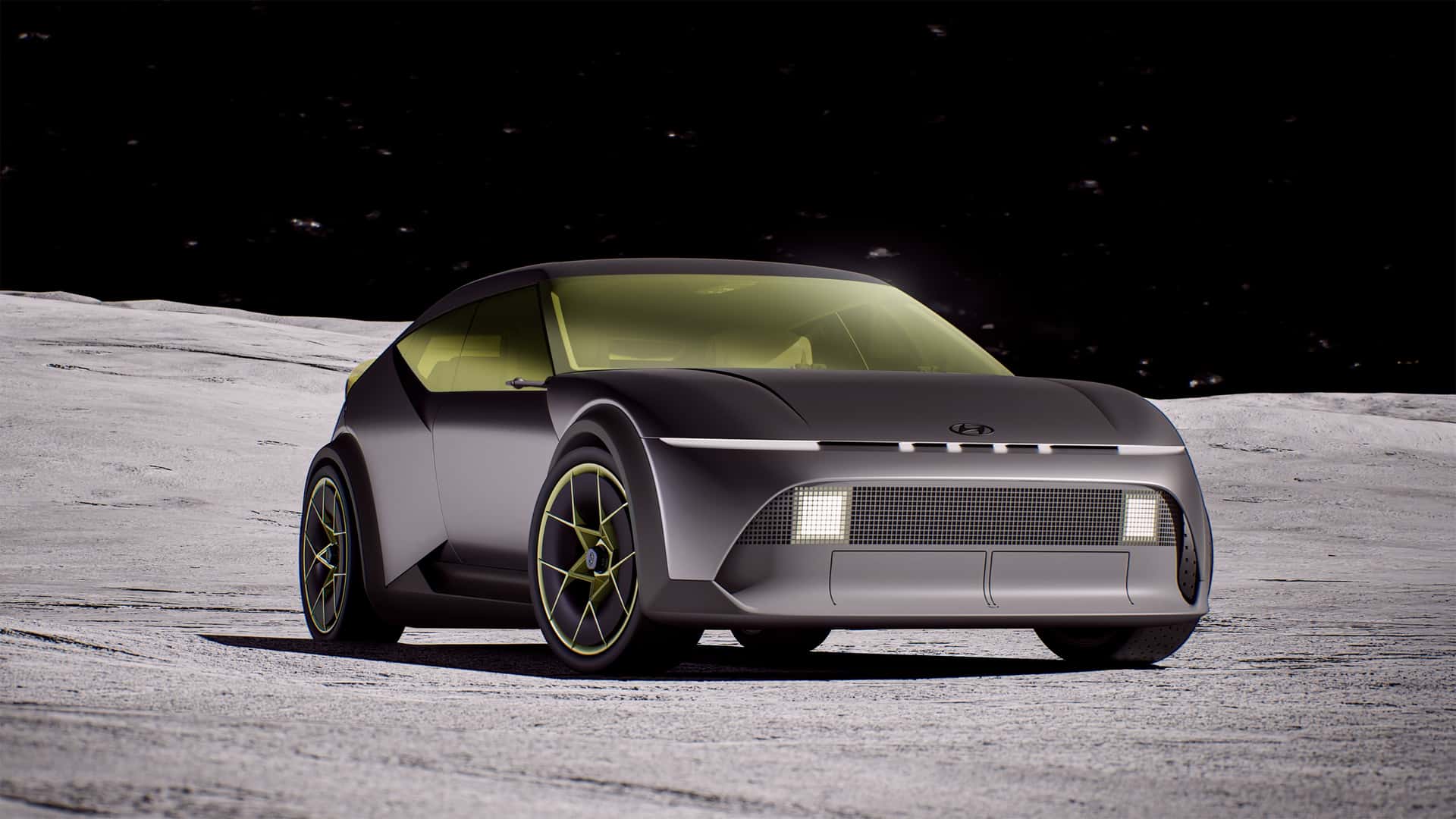
Hyundai Three Concept
This innovation positions Gangfeng as a key player in the battery sector, particularly against competitors who are still struggling to exceed 400 Wh/kg with their semi-solid models. By integrating this technology, Hyundai could not only enhance its own models but also influence the entire electric market.
Enhanced Safety Against Risks
Another critical aspect of this battery lies in its resistance to dendrite formation. These protrusions can lead to malfunctions and pose safety risks. Thanks to the electrochemical stability provided by the new cathode material, Gangfeng manages to offer high energy density while maintaining increased reliability. This could reassure consumers and boost their confidence in electric vehicles, a point often cited as a barrier to mass adoption.
The agreements signed between Gangfeng and Hyundai, as well as with Chinese manufacturer Changan, demonstrate a willingness to collaborate on developing batteries suited to new safety and efficiency standards. Upcoming road tests will be crucial in assessing the real-world behaviour of these batteries under everyday usage conditions.
Market Impact and Competition
As European and global governments implement increasingly stringent CO2 emission regulations, innovation in battery technologies becomes a strategic issue. Manufacturers that succeed in developing effective and sustainable solutions will have an undeniable competitive advantage. By tackling this challenge with a solid-state battery, Hyundai could well position itself at the forefront of a rapidly evolving industry.
Medium-Term Consequences
If road tests prove successful, we could witness a radical shift in how car manufacturers approach electrification. Not only could this lead to reduced production costs thanks to more compact and lighter batteries, but also a significant increase in the range of electric vehicles. Ultimately, this could transform our perception of electric cars, making them more appealing to a still hesitant audience.
In Summary
- Hyundai is developing a solid-state battery with Gangfeng, promising 650 Wh/kg.
- This technology could double the range of current electric vehicles.
- Resistance to dendrites enhances the safety and reliability of batteries.
- Road tests are planned to assess real-world performance.
- An advancement that could transform the electric vehicle market in the coming years.


