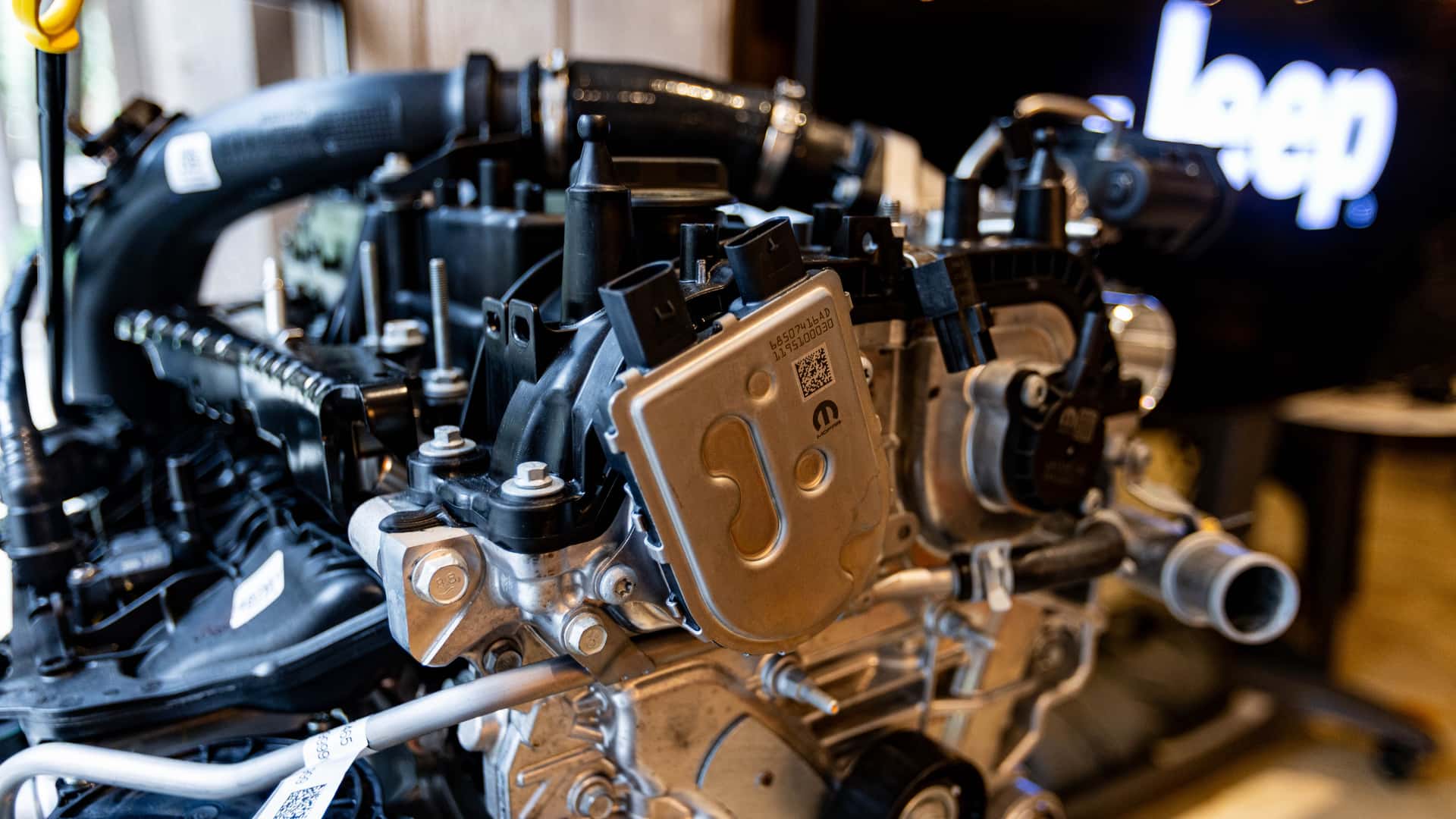
As the automotive world increasingly shifts towards electrification, Jeep makes a masterstroke with its Hurricane 4-cylinder engine. This engine, far from being a mere addition to the range, embodies a true rebellion against the current propulsion trends. With competition-derived technologies and impressive performance levels, the Hurricane 4 could redefine what we expect from a thermal engine.
A Concentrate of Competition-Derived Technology
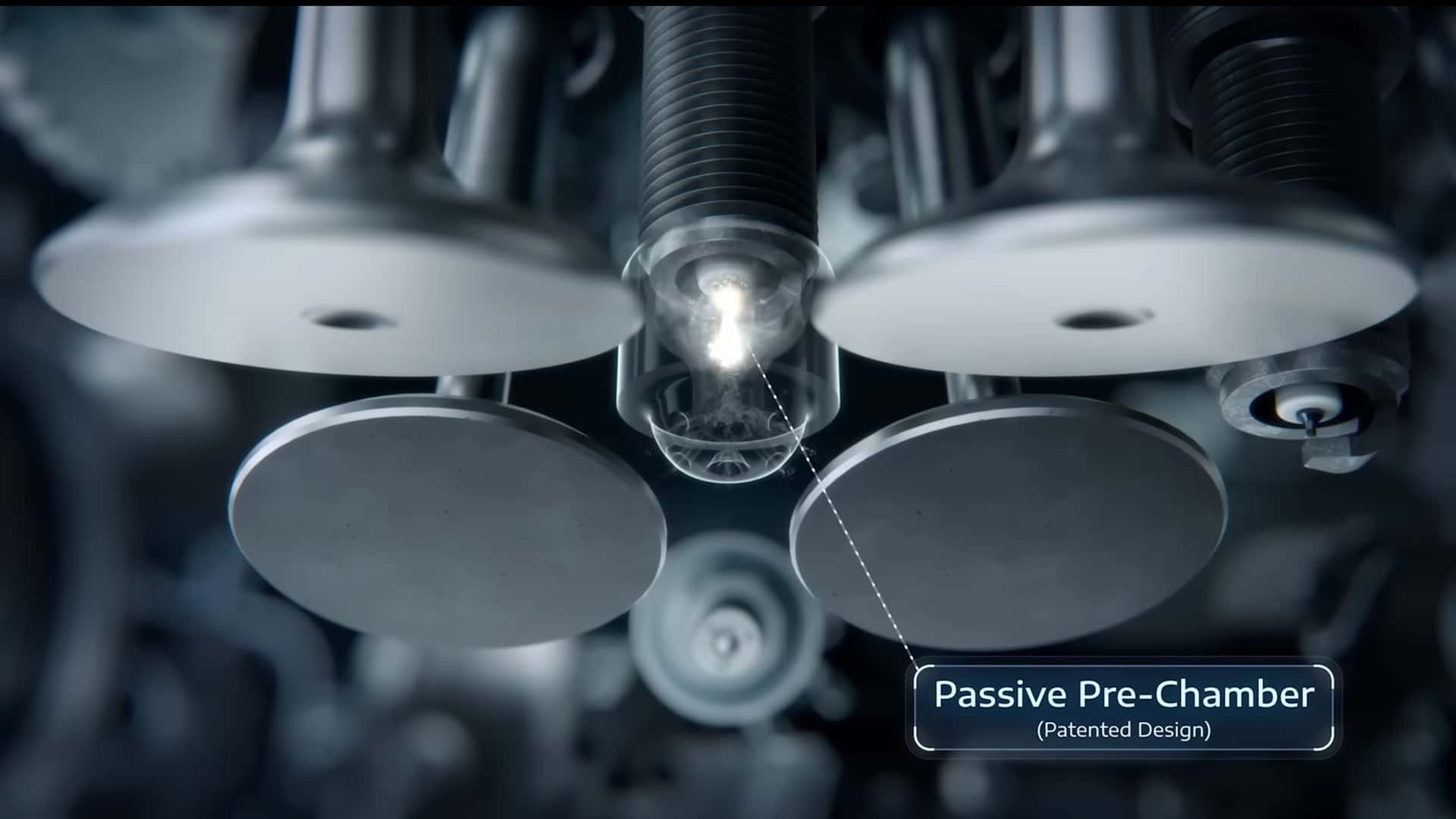
The Hurricane 4 is not just a standard turbo engine. Its turbulent jet ignition (TJI) technology is directly inspired by advancements made in Formula 1. By integrating a pre-chamber into its design, Jeep has optimised combustion, allowing for better preparation of the air-fuel mixture before ignition. This system, already used by Maserati, is adapted here to maximise efficiency and power, achieving levels that would astonish even the most hardened sceptics.
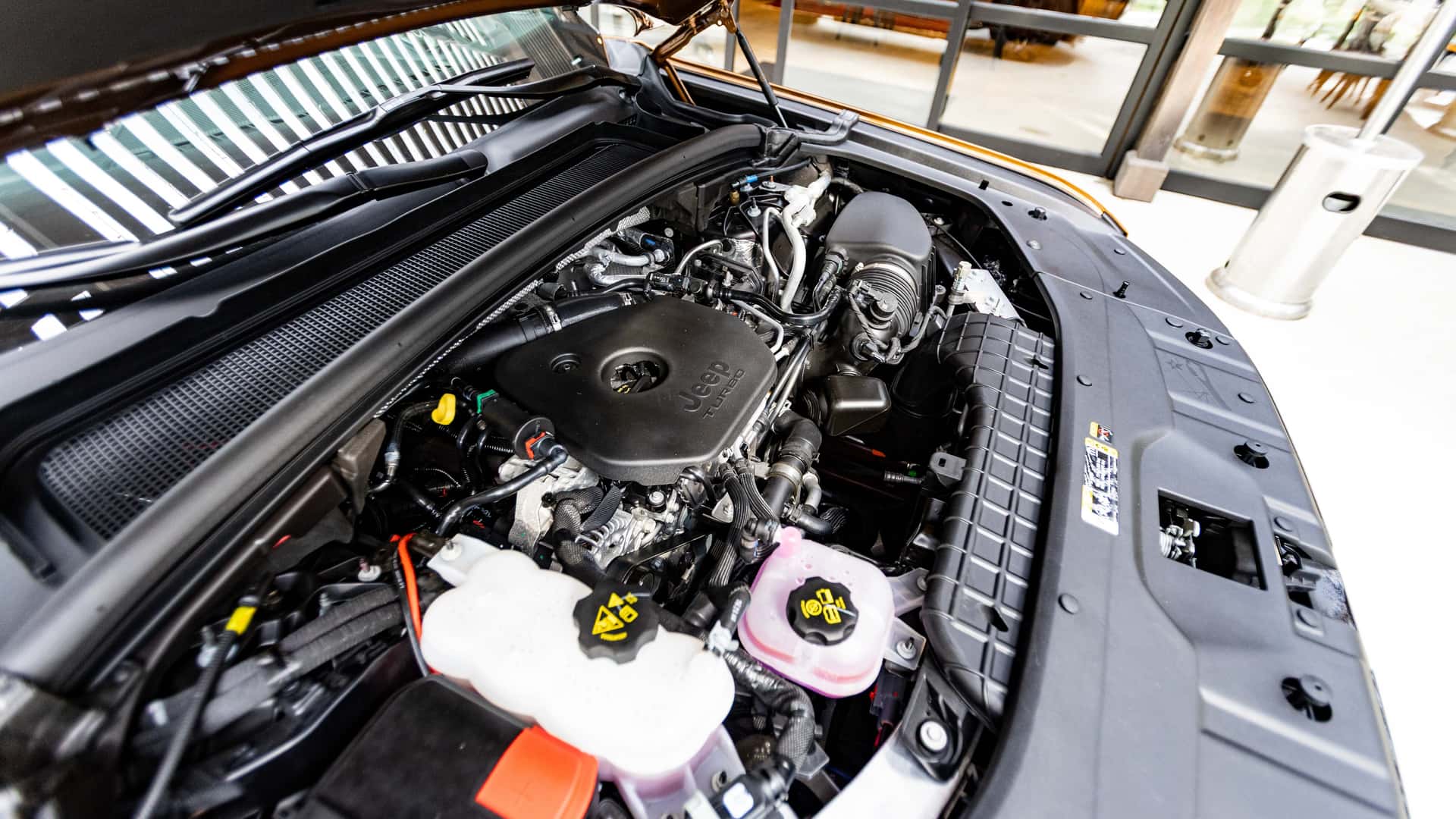
With a claimed power output of 325 bhp, one might think this engine is just another attempt to shine on paper. However, the combination of direct and indirect injection, coupled with dual ignition, achieves impressive yields while reducing harmful emissions. In a context where environmental standards are becoming increasingly stringent, this technical approach could give Jeep a significant competitive edge.
Remarkable Efficiency for an SUV
In the Grand Cherokee, the Hurricane 4 delivers performance that defies expectations. With a fuel consumption of 27 mpg on the motorway according to the EPA, this engine proves that it is possible to combine power and efficiency, even in such a heavy vehicle. This sharply contrasts with common perceptions of thermal engine consumption, especially in a segment where the trend is towards electrification.


This efficiency is all the more impressive when considering that the engine must contend with the Grand Cherokee’s substantial mass. In practice, this means drivers can enjoy superior driving pleasure without sacrificing their fuel budget. In short, Jeep is not just following the trend; it is setting its own rules.
Variable Geometry Turbo: Instant Response
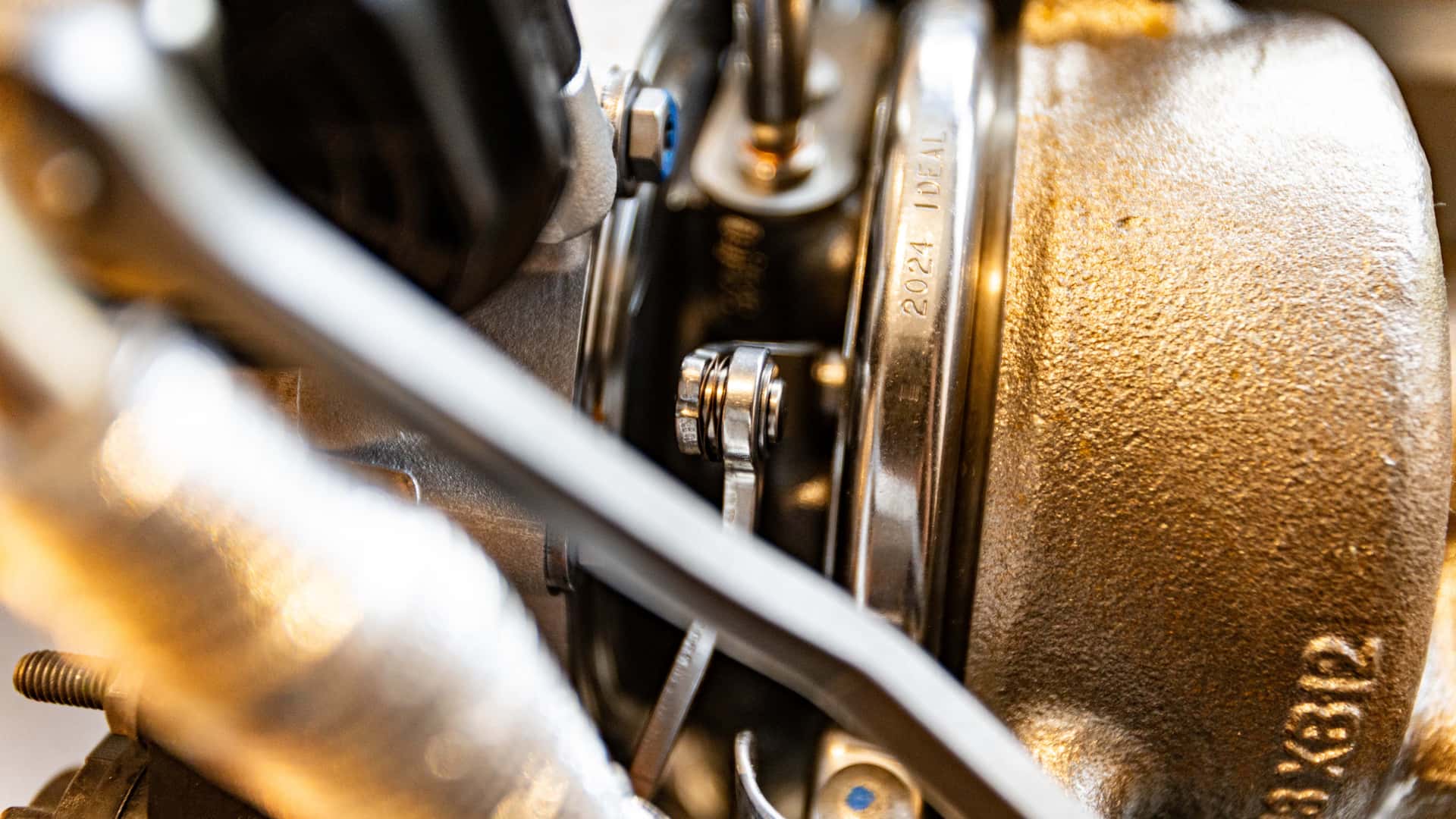
The variable geometry turbocharger (VGT) of the Hurricane 4 is another major asset. This device allows for real-time control of the turbo speed, providing a responsiveness that translates into immediate acceleration. This technology, while complex, becomes a key advantage in dynamic driving phases where every second counts.
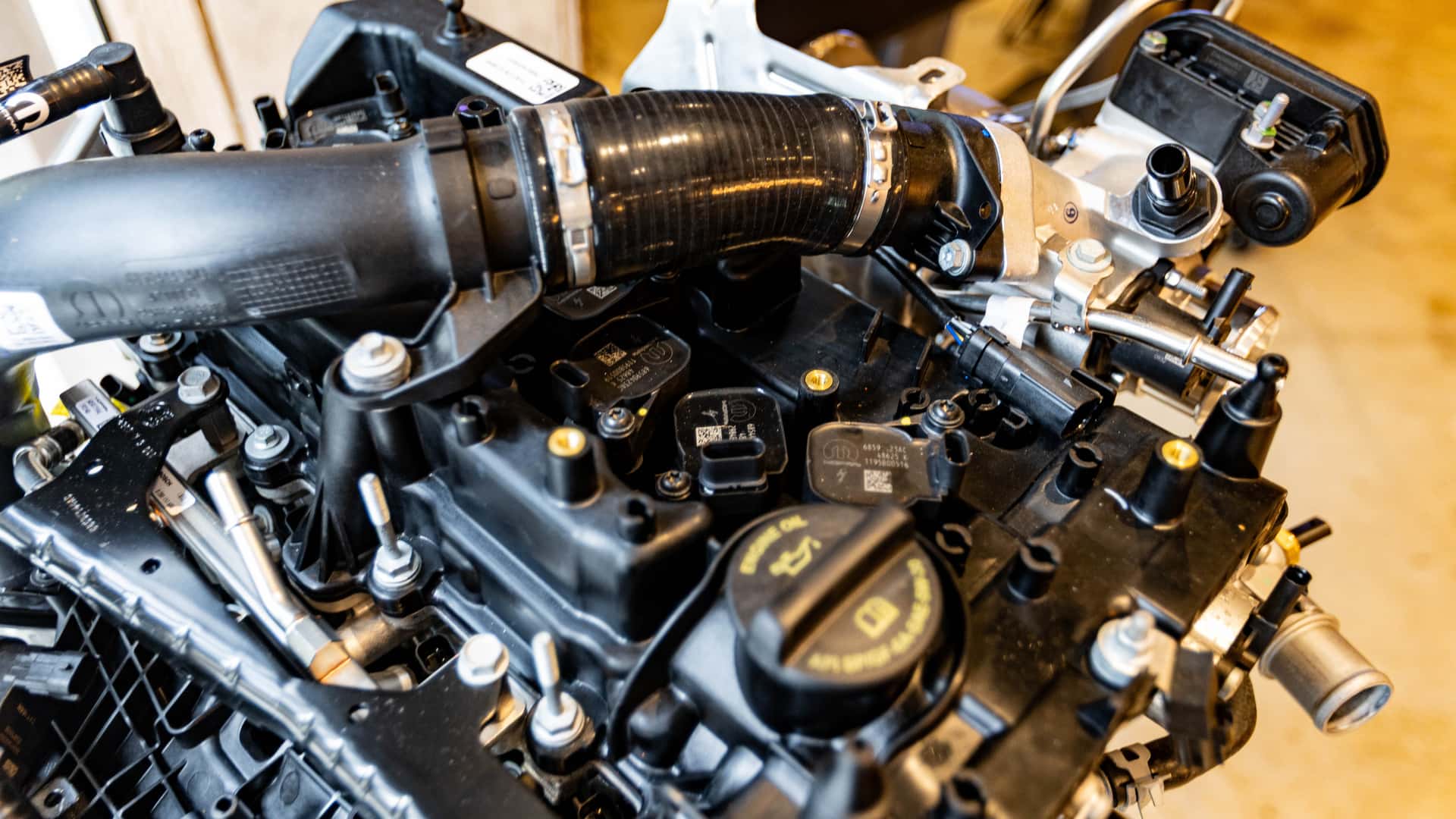
In comparison, many competing engines still use traditional turbos that can suffer from lag in acceleration. Here, Jeep successfully reduces these power losses and enhances the overall engine efficiency, thereby strengthening its position in the performance SUV market.
An Optimised Package for the Future
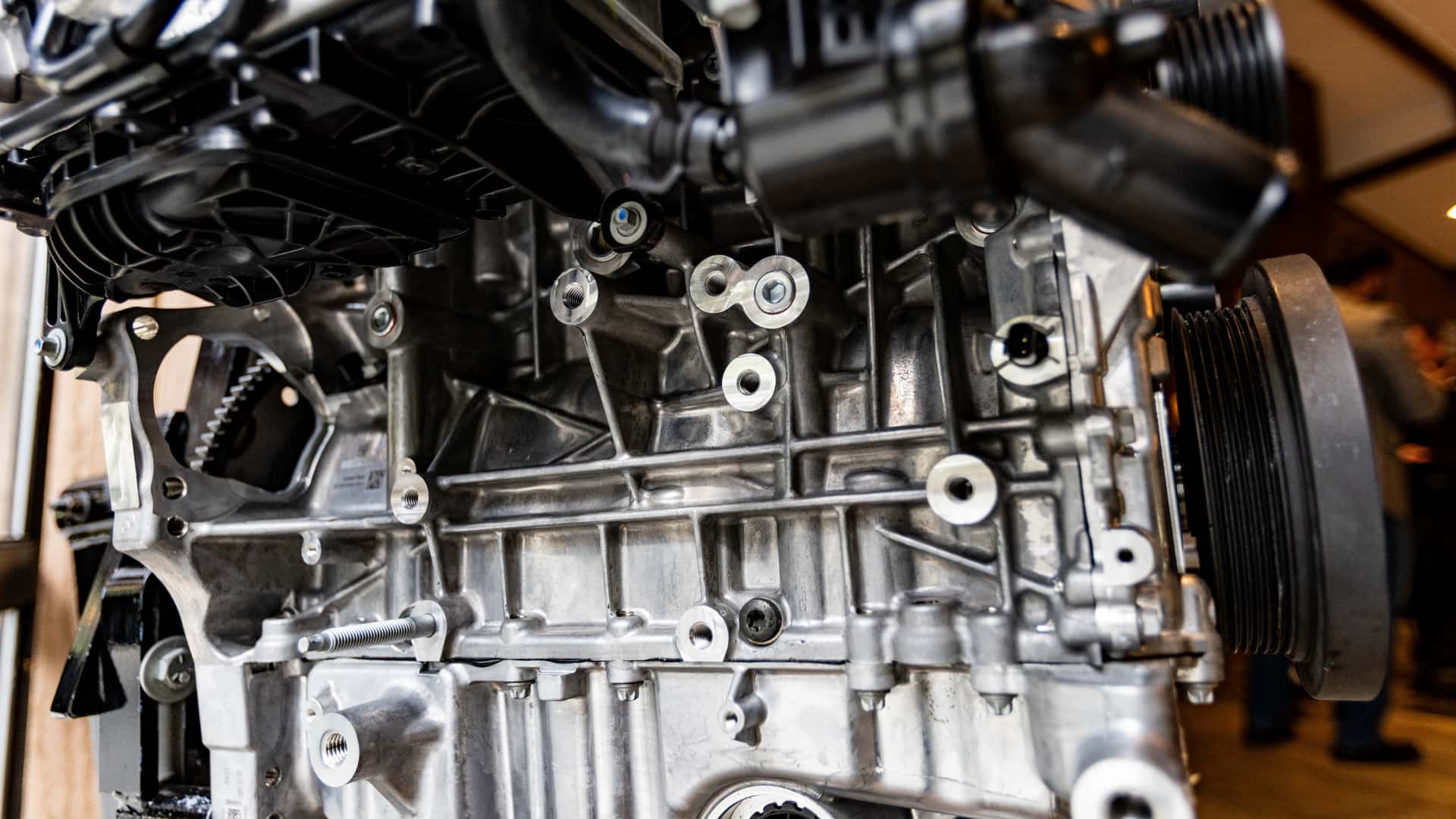
The Hurricane 4 is not limited to its raw power. Its modern aluminium architecture and optimised components reflect a desire to go beyond current standards. The electric camshaft phaser, for example, allows for precise adjustments even when the engine is at rest, facilitating start/stop transitions. This technical detail, while discreet, has a direct impact on the driving experience and energy efficiency.
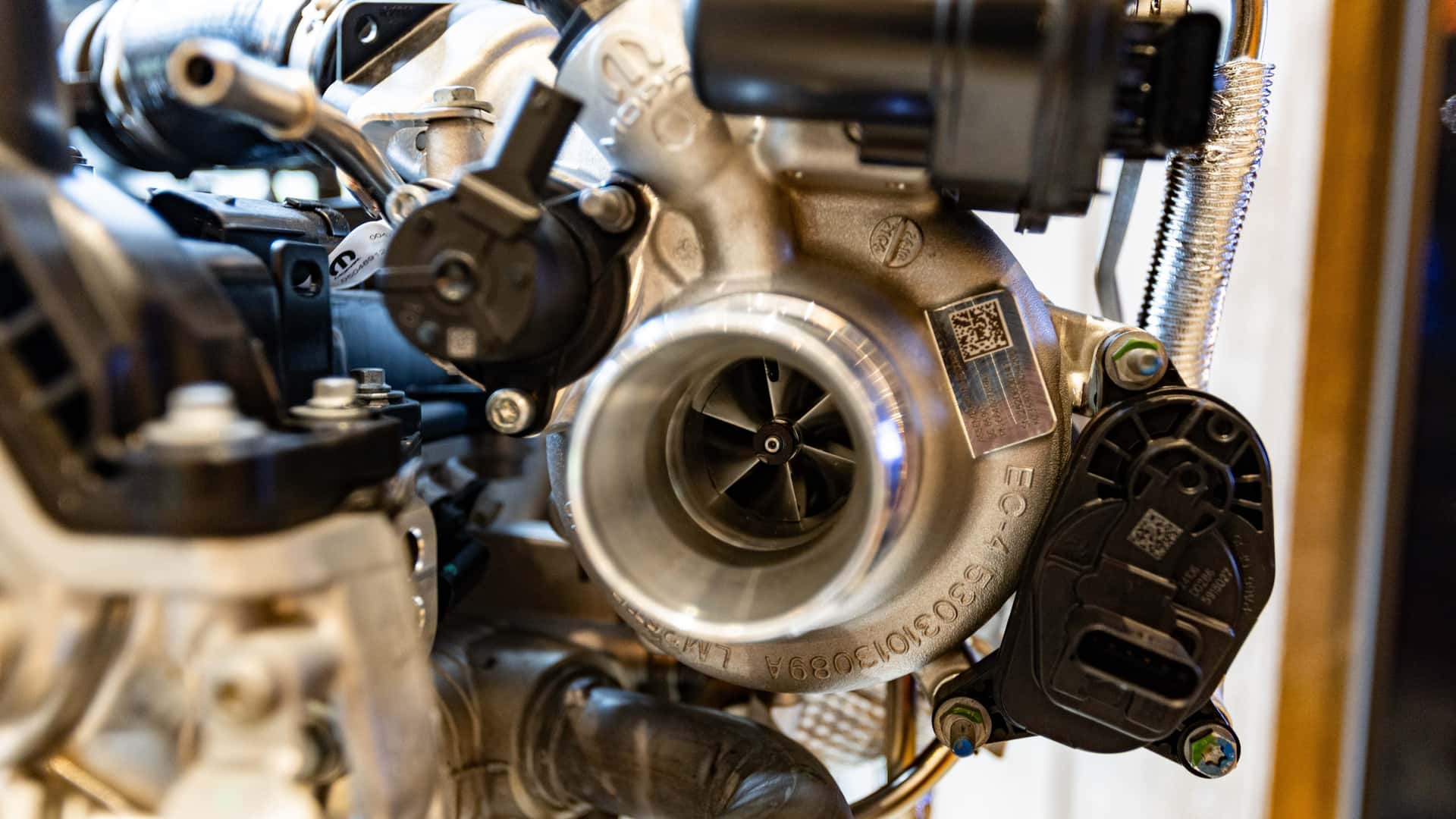
This attention to detail is crucial in an environment where competition is intensifying. By integrating technologies usually reserved for sports vehicles, Jeep manages to stand out in a saturated market where performance often comes at a cost.
An Engine That Redefines Expectations
After taking the wheel of the Grand Cherokee equipped with the Hurricane 4, it is clear that this engine offers a rewarding driving experience. Although constrained by the SUV’s size, the power is present as the revs rise, and the turbo response is satisfying. It is an engine that knows how to be discreet while delivering solid performance when needed.

The question now is: where will Jeep take this technology? Rumours of a sporty model or a saloon equipped with the Hurricane 4 are already circulating. This could be the last hurrah of an era of thermal engines, but also a promise for the future for those seeking uncompromising performance.
In Summary
- The Jeep Hurricane 4 stands out for its innovative ignition technology.
- It boasts remarkable efficiency for an SUV of its size.
- The variable geometry turbo enhances responsiveness and power.
- Its modern and optimised architecture paves the way for the future.
- This engine could redefine expectations regarding thermal engines in SUVs.
In conclusion, the Jeep Hurricane 4 is not just another turbo engine: it is a statement of intent. By choosing to invest in sophisticated thermal technology while others are leaning towards electrification, Jeep is taking a calculated risk. This choice could well pay off in the medium term, especially if the market continues to seek high-performance and efficient alternatives to electric engines. For now, it remains to be seen whether Jeep can capitalise on this advancement to expand its offering while maintaining its reputation in the SUV segment.