

The Mercedes S-Class, the ultimate symbol of automotive refinement, takes an unexpected step into the future by offering fabric interiors instead of traditional leather. This choice, far from trivial, aligns with an ethical approach that could redefine luxury standards in the automotive world.

A Significant Evolution in the World of Luxury
Each new iteration of the Mercedes S-Class is eagerly anticipated, as it embodies the pinnacle of comfort and technology. The 2026 version, which has undergone a significant redesign, is no exception. Externally, there’s a more imposing grille and micro-LED headlights, but the most notable changes are inside. The dashboard, almost entirely covered in screens, and the enhanced Burmester audio system reflect the brand’s technological DNA. However, one element stands out particularly: the introduction of fabric upholstery in a luxury saloon. This choice raises questions about the direction the high-end market is taking.


The new Mercedes S-Class © Mercedes-Benz
An Ethical Choice Rather Than an Economic One
Why choose a fabric interior in a car that positions itself as a luxury benchmark? The answer is not simply economic. Offered as a no-cost option, this Artico upholstery replaces traditional leather with fabric, a move that responds to an increasingly ethically conscious clientele. Veganism, which is becoming a growing movement, pushes consumers to seek alternatives to animal-derived materials. Mercedes positions itself as a pioneer here, offering an option that could attract a new clientele while maintaining a high entry price: starting at £119,600, the S 350 d remains within the luxury model range.
A Trend That Could Shake the Market
Mercedes’ decision to offer leather-free interiors could have significant repercussions across the automotive market. Other brands, such as Mini or BMW, have already begun exploring alternative materials, but none have made such a bold leap in the luxury segment. Renault, for example, has completely eliminated leather from its recent models, opting for plant-based materials. In contrast, Honda continues to rely on traditional leather for its vehicles. Thus, the S-Class could lead a shift in perception within the industry: a fabric interior could cease to be synonymous with low quality and become a symbol of ethical commitment.
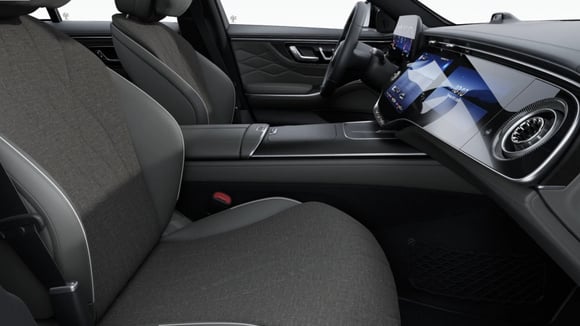
The Artico upholstery of the new S-Class, combining fabric and synthetic leather, is a free option. © Mercedes
Is This the End of Leather?
This evolution also raises questions about the future of leather in the automotive industry. With similar initiatives from other manufacturers, one might wonder if we are witnessing a decisive turning point. The organisation PETA has even compiled a list of brands offering models without animal-derived materials, highlighting a trend that continues to grow. While most entry-level cars still use leather for interior elements, the shift towards sustainable alternatives is strengthening. By taking this initiative, Mercedes could inspire other market players to rethink their approach to the materials used in their cabins.
What Are the Implications for Automotive Luxury?
This change in the S-Class offering could influence the perception of luxury in the automotive world. If customers are willing to embrace these new alternatives, it could pave the way for a redefinition of comfort and elegance standards. Can high-end brands meet this growing demand while preserving their image? In the short term, this initiative could attract a younger, ethically conscious clientele, but in the long term, it could also lead to profound reflections on sustainability in the automotive industry.
In Summary
- The S-Class now offers fabric interiors as an alternative to leather.
- This approach responds to a growing demand for ethical options in the automotive sector.
- Mercedes could redefine luxury standards by integrating sustainable materials.
- The automotive market could see other brands following this trend.
- An evolution that could attract a clientele more committed to the environment.


