Rimac, the Croatian manufacturer of electric hypercars, is undergoing a strategic shift by handing over operational reins to Nurdin Pitarević while simultaneously strengthening its commitment to Bugatti. This move could redefine the architecture of the luxury automotive industry.
In a context where technological innovation has become a decisive factor in the automotive sector, Rimac Technology has announced a significant change in its leadership. Mate Rimac, the emblematic founder, retains his role as President of the Rimac Group and CEO of Bugatti Rimac, but is stepping back from daily operational responsibilities in favour of Nurdin Pitarević, who has recently been appointed CEO, and Marko Brkljačić, who will serve as COO. This reorganisation aims to ensure continuity in industrial expansion while focusing efforts on hypercars.
Mate Rimac at the Heart of Bugatti Rimac’s Strategy
Mate Rimac’s decision to concentrate on Bugatti Rimac illustrates a bold strategic realignment. In fact, this joint venture between the historic French brand and Rimac’s electric technology presents an opportunity to merge heritage with innovation. Mate Rimac is not leaving the stage; he remains the conductor of a symphony where hyperperformance blends with cutting-edge technology.
This choice is not coincidental. The market for electric hypercars is in full swing, and Rimac aims to establish itself as the undisputed market leader. Creating an operational leadership allows Mate Rimac to focus on crucial strategic decisions while ensuring that technological innovations continue to flow. In short, it is a masterstroke that could catapult Bugatti Rimac to the top of the hypercar rankings.
Rimac Technology: Continuity and Innovation
Under Pitarević’s leadership, Rimac Technology is looking towards 2026 with several production programmes already underway, including the development of solid-state batteries. This technology is often seen as the next big breakthrough in battery technology, promising better energy density and increased safety. This development is part of a drive for rapid and efficient industrialisation.
With the addition of five new production lines planned over the next two years, the company aims to increase its capacities without sacrificing quality. Marko Brkljačić, as COO, will be tasked with optimising processes and digitising operations, a crucial concern to maintain pace while ensuring flawless performance. However, this quest for efficiency must not overshadow the need for innovation that lies at the core of Rimac’s DNA.


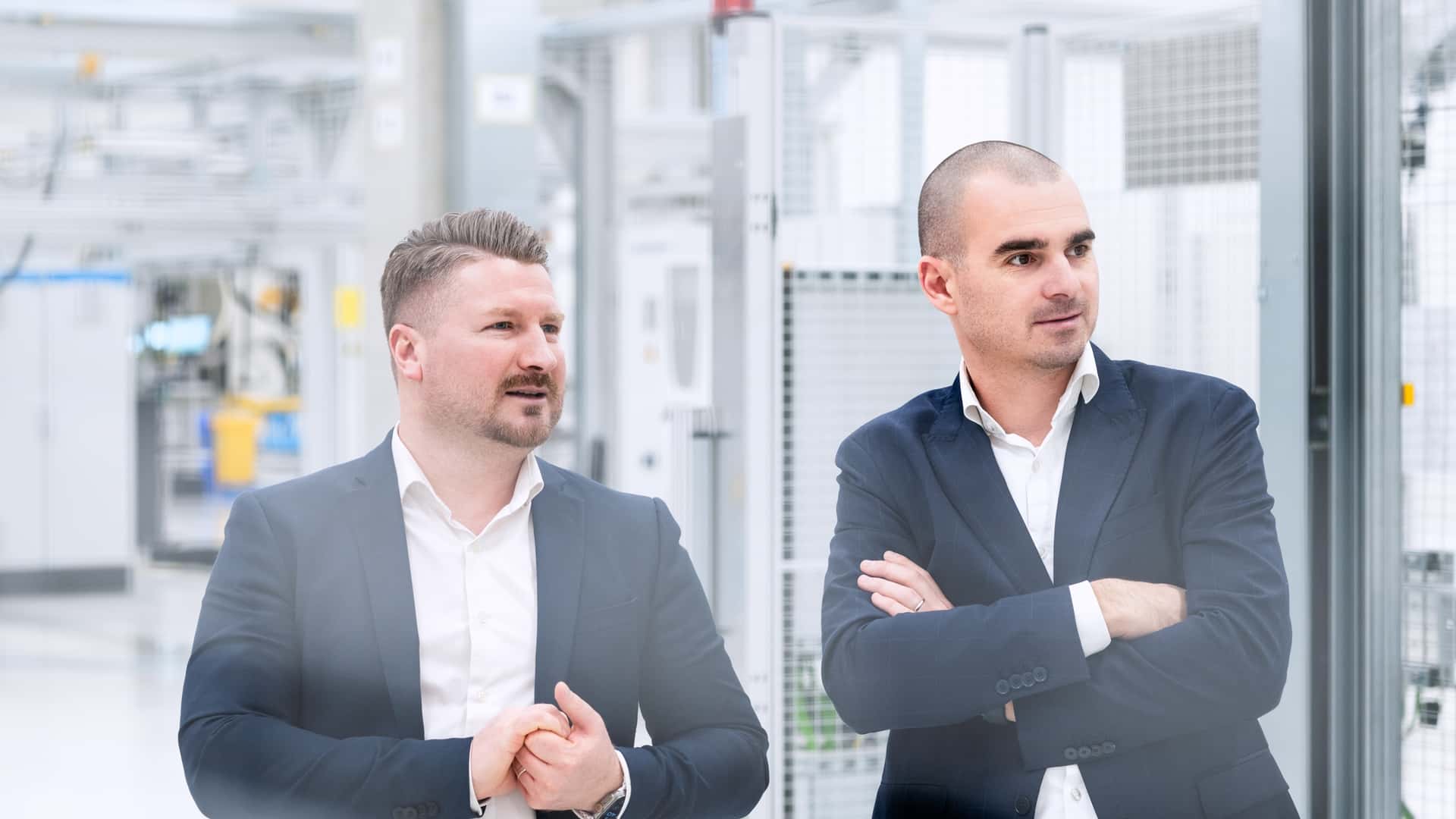
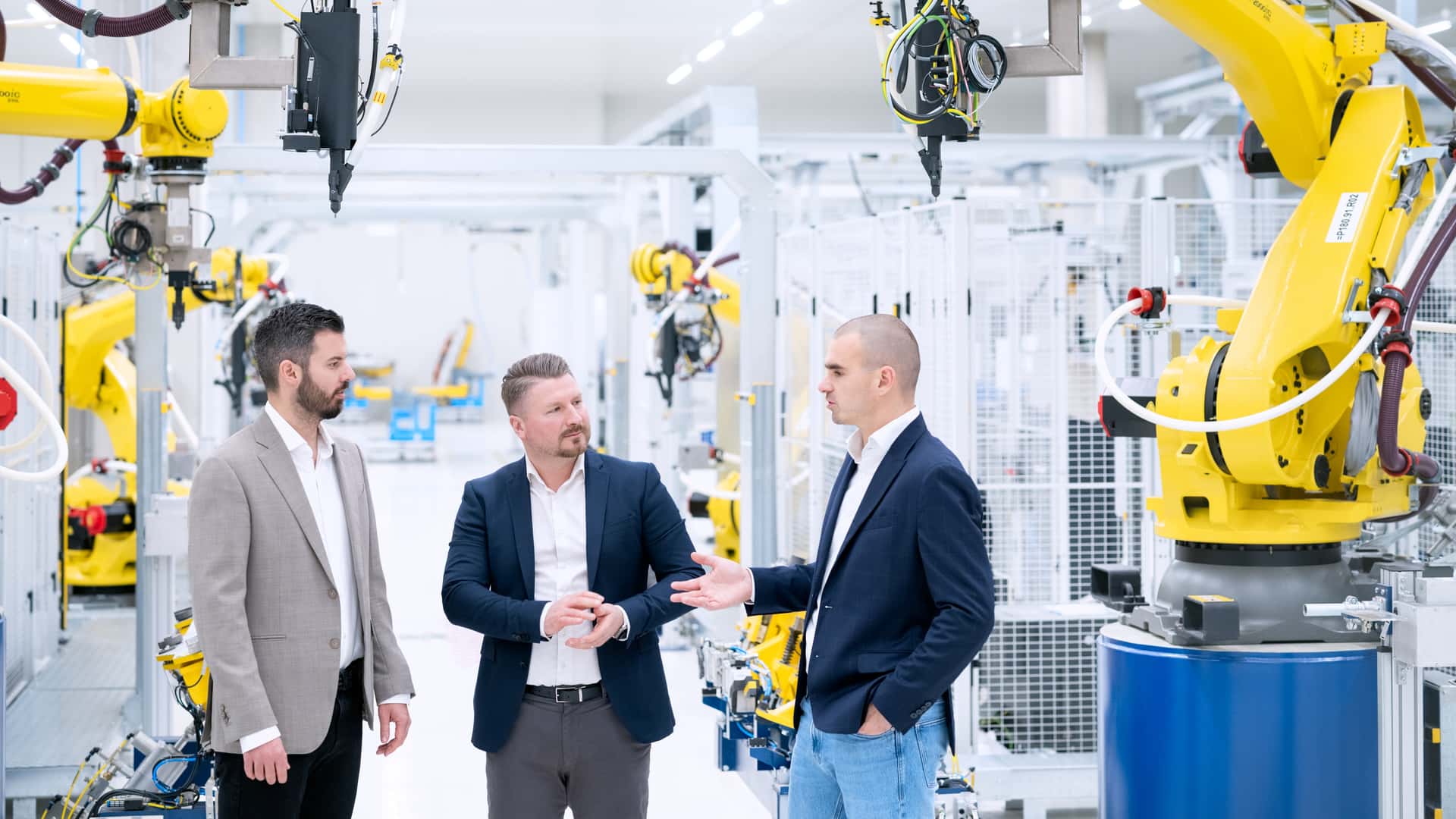


Supported by strong partnerships with giants like BMW Group and Ceer Motors, Rimac Technology is now perceived as a Tier-1 supplier of reference. This status not only allows it to stand out in the hypercar market with iconic models like the Rimac Nevera and the Bugatti Tourbillon but also draws attention to its industrial capabilities.
A Response to Market Challenges
The reorganisation within Rimac comes at a time when the automotive industry is under increased pressure to innovate and adapt to new environmental standards. The transition to electrification is no longer an option but a necessity. By focusing on Bugatti, the company is making a strategic choice that could enable it to navigate this storm more efficiently.
The real issue is the balance between tradition and modernity. Bugatti, with its prestigious heritage, must prove that it can embrace the technologies of the future without denying its identity. The challenge is all the greater as competition intensifies: Ferrari, Lamborghini, and other historic brands are also entering the race for electrification. Rimac must therefore not only be innovative but also appeal to a discerning audience that values both performance and ethics.
An Uncertain but Promising Future
As Rimac prepares to embark on this new chapter, one question remains: will this strategy be sufficient to compete against established rivals? The foundations for ambitious expansion are laid, but the path will be fraught with obstacles. The ability to maintain a high level of quality while ramping up production will be crucial.
In the coming years, we could witness significant developments in the hypercar market, with electric models pushing the boundaries of performance. If Rimac can successfully combine technological innovation with craftsmanship, the company could redefine the standards of automotive luxury.
Summary
- Rimac is making a strategic shift with Nurdin Pitarević at the helm.
- The focus on Bugatti Rimac aims to strengthen its position in the electric hypercar segment.
- Innovation in batteries and industrialisation are at the heart of the new ambitions.
- The market for electric hypercars is becoming increasingly competitive.
- The challenges lie in increasing production rates without compromising quality.